6 Tick Infested Areas In Florida
Florida’s reputation for swamps, forests, and year-round warmth extends to a resident less celebrated than its alligators: the tick. The flooded wildernesses of Everglades National Park, the vast woodlands of Ocala National Forest, and the open grasslands of Kissimmee Prairie Preserve State Park all provide ideal conditions for these blood-thirsty, sometimes disease-carrying critters.
Ticks may hide in leaf piles beneath hardwood canopies, cling to tall prairie grasses, or wait along brushy trail edges. Across the Sunshine State, they occupy a remarkable range of popular outdoor recreational areas, making the following destinations especially important places for visitors to stay alert.
The Everglades

South Florida’s Everglades National Park, which spans around 1.5 million acres, and its surrounding pinelands host some of the highest and most diverse year-round tick densities in the state. This prevalence is driven largely by its near-constant sub-tropical humidity and abundant wildlife hosts such as deer, feral hogs, and even snakes.
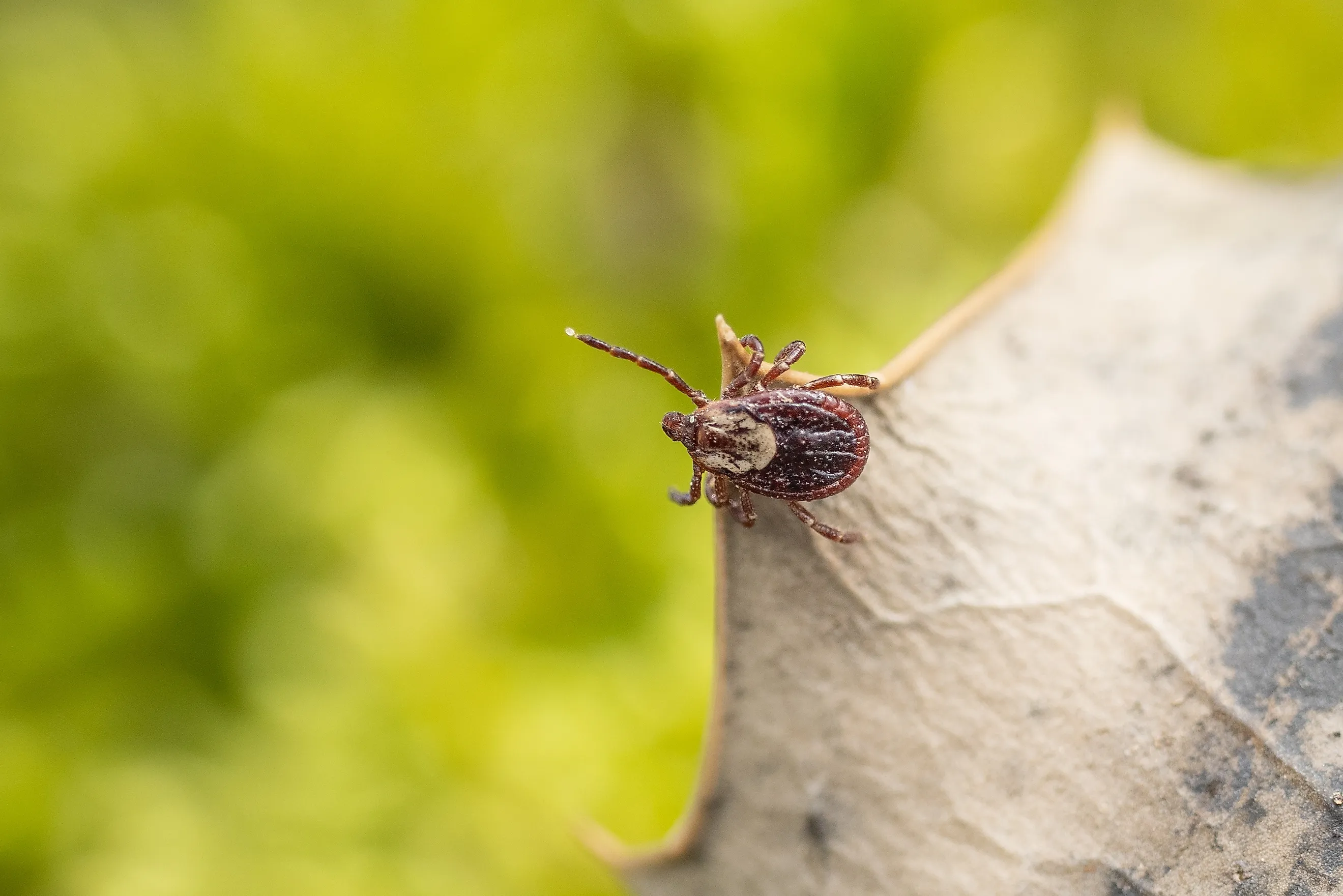
In local sawgrass marshes and hammock edges, the lone star tick is especially common, frequently encountered along trails and hunting spaces. Their bite is known to cause alpha-gal syndrome, notorious for causing red meat allergies in humans. The Gulf Coast tick is another common species, this time in slightly drier coastal prairie zones and along mangrove margins, where grasses provide attachment points for larvae and nymphs.
The American dog tick also appears intermittently near park edges and higher ground trails, particularly where mammals move between habitats. While less dominant this far south, occasional blacklegged tick occurs in more shaded woodland pockets, too.
This combination of pristine, protected land, standing water, seasonal flooding, and continuous host availability creates sustained tick activity across much of this world-famous park’s terrain throughout the entire year, making tick-awareness extra important for its millions of annual visitors.
Ocala National Forest

Ocala National Forest is also widely regarded as one of the state's most significant tick hotspots. Covering more than 385,00 acres of central Florida, it combines a diverse blend of pine flatwoods, oak scrub, hardwood hammocks, and extensive wildlife habitat that support remarkably large populations.
Here, the American tick is particularly well established, taking advantage of dispersed woodland environments and abundant hosts such as white-tailed deer, raccoons, and other small mammals. Lone star ticks are also fairly common, especially along hiking trails, hunting areas, and wildlife corridors where deer activity is concentrated, with researchers having repeatedly collected them throughout the forest while monitoring tick-borne pathogens and host species.
Recreational visitors of all kinds often unintentionally encounter resident ticks when walking through leaf litter, brushing against vegetation, or exploring less-developed sections of the forest.
Big Cypress National Preserve

Big Cypress National Preserve in southwest Florida is another major tick concentration zone, in this case due to its perfect blend of cypress swamp, pine forest, and seasonally flooded grasslands. Water levels here fluctuate quite a bit throughout the year, too, forcing wildlife to funnel onto higher ground, which in turn increases contact between ticks and hosts. Moreover, white-tailed deer, feral hogs, and other local critters often move along the same raised trails used by hikers and off-road visitors, creating consistent opportunities for animal-to-human spread.
Lone star ticks are especially widespread across the park's dry, pineland-blanketed ridges, often spotted in brush and along game paths. Gulf Coast ticks are also common in open grassy areas near wetlands, where they wait on vegetation for passing prey. The American dog tick makes another appearance in more fragmented pockets near developed edgelands and roadways, while blacklegged ticks, which are highly widespread across most of the eastern and central United States, are present where there is ample leaf fall.
This varied overlap of habitats clearly produces sustained exposure risk within much of the preserve to a number of tick species, making caution a priority here.
Apalachicola National Forest

Resting in the Florida Panhandle, Apalachicola National Forest contains an extensive array of longleaf pine forests and river floodplains, each of which sustains notable tick populations throughout much of the year. Fallen foliage paired with a humid understory creates stable conditions for blacklegged ticks, which are frequently concentrated in sections used by campers, hikers, and hunters, too.
To a lesser degree, lone star ticks frequent more open pine and scrub areas, particularly along fire-maintained corridors where deer movement is frequent. Gulf Coast ticks also occur in grassy margins near wetlands and along edges of seasonal ponds, attaching to bigger animals moving through these zones. Lastly, American dog ticks are less abundant but have appeared near disturbed sites such as campgrounds, trailheads, and roads where both wildlife and domestic animals overlap.
The blend of fire-managed uplands and low, waterlogged areas produces a continuous seasonal cycling of tick activity across this significant, 567,740-acre preserve, the largest forest in Florida, for that matter. The masses of visitors who come by every year, as a result, only increase incidental human exposure, especially throughout the warmer months when tick activity peaks.
Hillsborough River State Park

Sitting between Tampa and Lakeland, Hillsborough River State Park is a hotbed for tick activity along its riverine hardwood forests and floodplain hammocks. The shaded understory along the Hillsborough River holds persistent humidity, allowing the ticks that call it home to keep active through most of the year.
This beautiful landscape also attracts tons of paddlers and hikers who tend to move under the park's dense sabal palm and oak canopy, the right kind of place to pick up ticks from low vegetation and fallen branches rather than open ground. Blacklegged ticks are closely tied to this cooler, darker, riverside zone, as well as in deeply piled foliage near waterlogged sections.
On the other hand, the almost equally numerous lone star ticks dominate many of the state park’s uplands and dry trail networks, especially where deer and feral hogs cross frequently between forest patches. American dog ticks and Gulf Coast ticks also appear sporadically, usually sighted around picnic areas and disturbed grass near parking zones, where host traffic is includes pets, people, and wildlife alike.
Kissimmee Prairie Preserve State Park

Just north of Lake Okeechobee, another known tick-infested destination, Kissimmee Prairie Preserve State Park is one of many dry prairie landscapes in central Florida, one where tick exposure is shaped less by swamp conditions and more by tall grass, scattered oak islands, and heavy wildlife movement across open terrain. Furthermore, heightened wind exposure keeps vegetation low in large swathes of the park, but dense grass pockets along seasonal wet depressions still provide countless points to pick up a tick or two while walking through.
Lone star ticks, again, are the most frequently encountered species in this location, clustering in spaces where white-tailed deer and wild turkey travel between feeding and bedding areas. American dog ticks are present in lower numbers, often appearing around trailheads, camping areas, and fencelines where hosts concentrate. Blacklegged ticks also occur, selectively in shaded oak hammocks, where greater amounts of leaf litter and cooler ground temperatures allow them to persist through the hotter months.
Not totally unlike the more heavily forested parks in the state, exposure here is often tied to long-distance walking, this time through grassland corridors where contact can happen quickly and repeatedly as vegetation brushes clothing and skin.
Keep an Eye Out for Ticks in these Sun-Soaked Locales
These tick-friendly hotspots in the aptly named Sunshine State vary from swamps and subtropical forests to open prairies, but they share a common feature: plenty of wildlife big and small, and favorable conditions for these arachnids to thrive, like consistently warm temperatures and lots of foliage. Understanding where activity is highest can help you prepare before heading outdoors. With that, awareness, protective clothing, and routine tick checks on your body remain the most effective tools for reducing the risk of a potentially dangerous bite.