6 Most Rattlesnake Infested Areas In Oregon
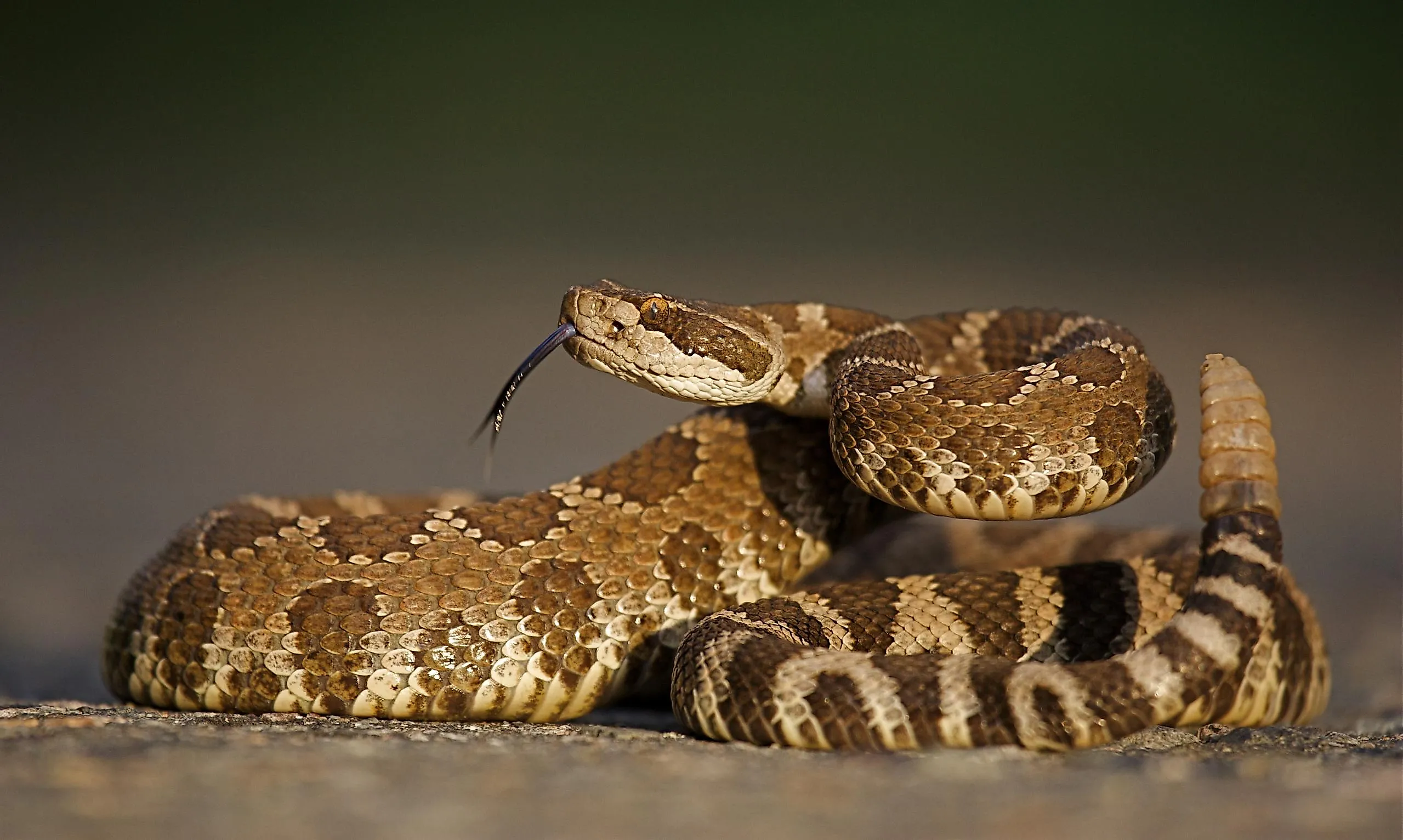
Although Oregon is home to just one species of venomous snake, the western rattlesnake (Crotalus oreganus) isn't one you want to mess with. However, the fact that there are two subspecies within the state means an encounter might be a little harder to avoid. The Northern Pacific rattlesnake (Crotalus oreganus oreganus) is typically found in central and northeastern Oregon, favoring the region's woodlands and rocky canyon terrain. Its cousin, the Great Basin rattlesnake (Crotalus oreganus lutosus), tends to hang out in the arid sagebrush steppelands and desert basins in the southeastern part of the state. Both subspecies average between 30 and 36 inches in length and den and bask in rocky outcrops and south-facing slopes. Neither is aggressive and will avoid humans whenever possible. They also rarely bite, unless cornered or stepped on. These six locations are where you're most likely to encounter a rattlesnake in Oregon.
Smith Rock State Park

Located just north of Redmond in central Oregon, Smith Rock State Park is a great place to visit for its dramatic cliffs overlooking the Crooked River. With elevations between 2,600 and 3,200 feet and over 1,800 climbing routes, the park has earned an international reputation as a sport climbing hub, and it's become increasingly popular for hiking. With so much outdoor activity going on, it's no surprise that rattlesnake sightings are more common here than in other parts of the state.
The Northern Pacific rattlesnake is a confirmed resident of the park, and the rocky canyon terrain along the Crooked River provides the kind of sun-warmed habitat they prefer. Den sites have been found near the riverbanks below the park's main footbridge, resulting in advisories being posted for folks to watch where they walk.

While rattlesnake bites are rare, they do happen, and as recently as 2024, a hiker was bitten and airlifted to the hospital for treatment. Snake sightings are most common here in spring (April to early June) and again in early fall as the temperatures moderate and snake activity increases. If you're an early riser, sunny mornings are prime rattlesnake time, when temperatures are cool enough for the snakes to bask on exposed rock surfaces.
Lower Deschutes River Canyon

While the Deschutes River travels 252 miles from the Cascade Range to the Columbia River, it's the river's lower canyon section that rattlesnakes seem to like most. From near Maupin northward to the Columbia River, the terrain transitions from basalt canyon walls and grassy rimrock to open desert, with the canyon bottom providing the warm, rocky habitat that western rattlesnakes favor.

And it just so happens that this part of the river corridor is also one of Oregon's top destinations for fishing, rafting, hiking, and camping, all of which means snake encounters are more likely. If these are your idea of fun, you should know that rattlesnakes are most active on the Deschutes in early spring when they emerge from their dens, and again in late summer when they shift to cooler times of day in response to the heat. Wear boots rather than sandals, keep a clear view of where you step on rocky shorelines and brushy banks, and pay extra attention around boulders and fallen trees.
John Day Fossil Beds National Monument

Comprising three separate units across north-central Oregon, John Day Fossil Beds National Monument is where you'll find one of the world's most complete fossil records of Earth's earliest mammals. It's also one of the state's most dramatic landscapes, with banded volcanic hills, rocky outcrops, and river canyons cut by the John Day River, one of the longest free-flowing rivers in the contiguous United States.
Each of the monument's three units (Clarno, Sheep Rock, and Painted Hills) poses some risk of rattlesnake encounters. But it's the Painted Hills Unit near the town of Mitchell that gets the most sightings, not just because it's the most visited, but also due to its open, grassy terrain.
The John Day River corridor itself, which passes through the Sheep Rock Unit, features floodplain and canyon-bottom terrain that's prime rattlesnake habitat. Both subspecies exist here, as well as other things to stay clear of, such as venomous spiders, ticks, scorpions, and even poison ivy.
Owyhee Canyonlands

The Owyhee Canyonlands in the far southeastern corner of Oregon is one of the wildest stretches of terrain in the lower 48 states. It's also among the most snake-dense. It's here that the Owyhee River slices through hundreds of miles of canyon country, in some sections creating sheer walls up to a thousand feet high.
And it's those sunny, sandy-rocky canyon floors that reptiles like rattlers thrive in. In addition to rattlesnakes, you might also encounter horned and leopard lizards, as well as striped whipsnakes.

Leslie Gulch, one of the most dramatic canyon landscapes in Oregon with its towering tuff formations, is also where you're likely to spot snakes. Heavy rattlesnake concentrations are frequently reported along the aptly named Snake River, while as many as 14 rattlesnake sightings within a single mile of canyon have been reported near the Owyhee Reservoir.
Table Rocks, Rogue Valley

Upper Table Rock and Lower Table Rock are two volcanic mesas north of the Rogue River, just outside Medford. Both rise some 800 feet above the valley floor and are known for their spring wildflower displays. While spotting wildflowers is the goal here, the rattlesnake hazard is relatively high.
If you do encounter a rattler here, it'll be a western rattlesnake, the only venomous reptile in southwestern Oregon. They favor the open, grassy slopes of the Table Rocks, and sightings are frequently reported on both the Upper Table Rock Trail and Lower Table Rock Trail. Although they're rarely aggressive, you're still wise to give any snake you see here a wide berth.

You're most likely to spot rattlesnakes basking in open or grassy areas on the slopes, where their broad, diamond-shaped head and dorsal blotch pattern make them identifiable at a safe distance. Stick to the trails, especially during peak wildflower season from March through May when snakes (and their prey) are most active.
Steens Mountain and Malheur National Wildlife Refuge

Steens Mountain, a massive fault-block ridge that rises to 9,738 feet, forms the eastern backdrop of the Malheur National Wildlife Refuge. Over 187,750 acres in size, the refuge consists largely of wetlands and sagebrush steppe and is one of North America's top birding destinations, with more than 320 documented species stopping in as they travel the Pacific Flyway.

The refuge is also home to the western rattlesnake, and the rocky outcrops, river edges, and arid uplands provide prime habitat. On Steens Mountain itself, rattlesnakes are present at lower elevations along the western approach road and in the terrain visible from overlooks such as Kiger Gorge and Wildhorse Lake.
Welcome To Rattlesnake Country
While Oregon's rattlesnakes shouldn't put you off visiting the state's wilderness areas, it pays to do your homework and find out when and where encounters are most likely. The key is awareness. Stay on marked trails, watch where you place hands and feet, keep dogs leashed, and wear boots rather than sandals. Ultimately, encounters are far more common than bites, and most outdoor enthusiasts will go months without even seeing one.