6 Most Rattlesnake Infested Areas In Montana
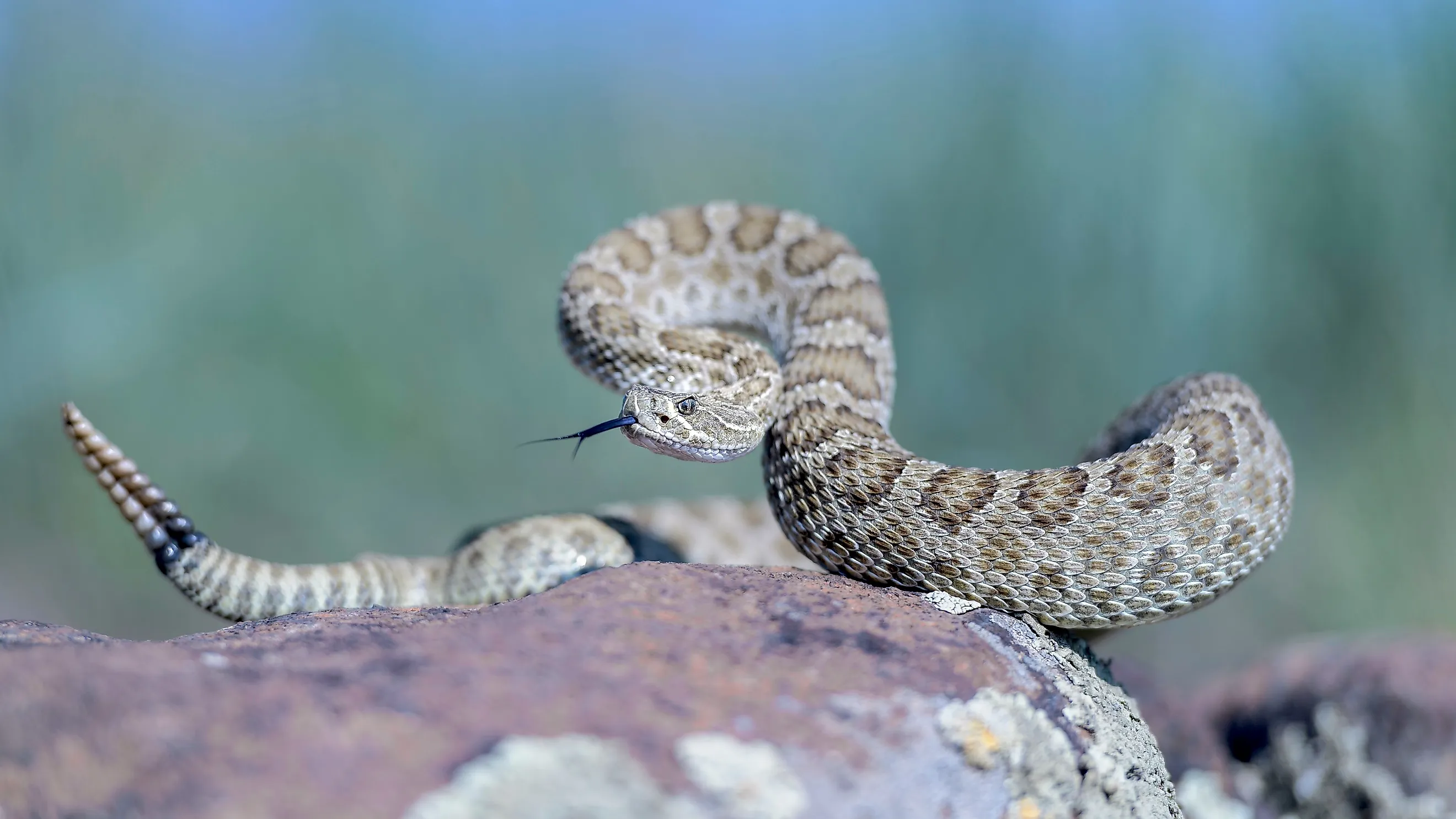
Montana has only one venomous snake, but the prairie rattlesnake (Crotalus viridis) more than makes up for its lack of company. This extremely venomous species can be found across the state, typically at altitudes below 6,400 feet, where it thrives in open, arid, and rocky landscapes. It’s especially fond of south-facing slopes with rocky outcrops, ponderosa pine stands, and those badlands that define so much of the state east of the Rockies.
Measuring between 20 and 60 inches as adults, a bite from a prairie rattlesnake is serious business. While encounters are common in some places, fatalities are rare, although their hemotoxic venom can cause severe tissue damage. So whether you're hiking, fishing, or exploring state parks like Makoshika or places like Paradise Valley, these six locations stand out as the most active rattlesnake habitats in Montana.
Makoshika State Park, Glendive

Located around a mile southeast of Glendive, Makoshika State Park covers 11,538 acres of badlands terrain and is the largest state park in Montana. Named after a Lakota phrase for "bad land," the landscape lives up to that description. Here, exposed caprocks, hoodoos, natural bridges, and eroded sandstone formations are the norm and rise out of a semi-arid surface that’s covered in juniper and sparse prairie grass.
All of that rocky, sun-exposed terrain makes Makoshika prime rattlesnake country. Prairie rattlesnakes are documented throughout the park, and hikers on the Cap Rock Trail, the park's most popular route, are routinely advised to watch where they step. Rattlesnake warning signs are posted at trailheads, and the badlands habitat provides ideal conditions for denning and basking on the rockier south-facing slopes.

Other activities that might lead to a snake encounter include playing the park’s 18-hole disc golf course and camping. A general rule of thumb: stay on the marked trails and watch where you put your feet and hands, especially from April through September.
Pictograph Cave State Park, Billings

Pictograph Cave State Park occupies a section of sandstone bluffs southeast of Billings. The park's three caves, Pictograph, Middle, and Ghost, were formed by wind and water from Eagle sandstone cliffs above the Yellowstone River valley. The name comes from the uncovering of more than 30,000 artifacts and 106 rare pictographs (you can learn more about them at the Visitor Center).

Rattlesnakes are well established here, and the park posts ample warning signs at the trailhead. Some trail sections are occasionally closed if snake activity is heavy. If you do see a rattlesnake, it’ll most likely be on an exposed south-facing cliff face or a rocky outcrop. The sun here is concentrated from spring through to fall, creating perfect conditions for prairie rattlesnakes to bask. Sandstone crevices provide ideal denning sites and shelter on hot summer days, so stay on designated trails, avoid reaching into rock crevices, and keep a close watch near the base of the canyon walls.
First Peoples Buffalo Jump State Park

You’ll find First Peoples Buffalo Jump State Park around 3.5 miles northwest of Ulm. The park's centerpiece is the Ulm Pishkun, described by archaeologists as one of the world’s most frequently used such sites. And it’s impressive, consisting of a mile-long sandstone cliff up to 50 feet high and 18 feet of compacted bison remains at its base.
A two-mile interpretive trail winds from the Visitor Center to the summit of the cliffs and back, offering panoramic views of the surrounding mountain ranges… and possibly rattlesnakes. Prairie rattlesnakes are plentiful here, with sightings common. So common, in fact, that dedicated snake hikes are sometimes offered.

Prairie rattlesnakes have also been seen gathering on south-facing rocky outcrops, basking in groups of up to 25 snakes. The surrounding short-grass prairie and the rocky cliff face of the jump create an ideal terrain for the snakes, with a resident prairie dog population providing a steady food source year-round.
Paradise Valley

Stretching around 50 miles along the Yellowstone River from Livingston south to Gardiner and the north entrance of Yellowstone National Park, Paradise Valley is as popular with rattlesnakes as it is with people. Paradise Valley is, in fact, one of the most concentrated prairie rattlesnake zones in the region, with sightings reported as far east as Dailey Lake and Livingston.
The valley acts as a rattlesnake highway, its mix of rocky riverbanks, sagebrush slopes, dry grass meadows, and sun-facing hillsides providing numerous habitat options. It’s also what makes it appealing to humans, with places like Chico Hot Springs, DePuy Spring Creek, and the Mallard's Rest Fishing Access Site especially popular among fishing enthusiasts.

If that sounds like you, or even if you’re simply hiking or enjoying a riverside stroll, keep your eyes peeled for snakes, especially between April and September. Long pants, ankle-covering boots, and consistent awareness of rocky edges and brush piles are all standard precautions.
Madison River Valley

While the Madison River runs 183 miles from its headwaters in Yellowstone National Park all the way to Three Forks, it’s along the stretch through the Madison Valley near the town of Ennis that you need to be careful. Madison County is among the most consistently documented rattlesnake areas in western Montana, its open country, ponderosa stands, and sun-facing rocky slopes providing ideal conditions for the species.
Most care is needed when following the river through Beartrap Canyon, a nine-mile stretch of whitewater between Ennis Lake and the lower Madison. Steep trails on the hike in and out mean rattlesnakes may not be noticed before it’s too late. So, trend lightly.
Bighorn Canyon National Recreation Area

Bighorn Canyon National Recreation Area covers over 120,000 acres, meaning there’s no shortage of places for rattlers to hide. Straddling the Montana-Wyoming border, it’s a popular tourist destination, too, thanks to the Yellowtail Dam, which backs up the Bighorn River into Bighorn Lake.
Ranging from high desert shrubland in the south to juniper woodland and shortgrass prairie in the north, rattlesnakes are so common a sight that the National Park Service maintains a dedicated page on the prairie rattlesnake here. Take your time, be careful where you’re stepping, and never place your hand anywhere you can’t see clearly.

The rattlesnakes in Bighorn Canyon are most active during the day in cooler weather, shifting to nocturnal activity when temperatures push into the 90s and above, which isn’t unusual in July and August. Rattlesnakes have even been spotted swimming across Bighorn Lake, with young snakes occasionally found in the stomachs of rainbow trout caught in the area.
Respect The Montana Rattler
Although prairie rattlesnakes are naturally non-aggressive, if provoked by being cornered, stepped on, or handled, they can bite. And it’s serious business if they do. Give any snake you encounter the space to move off on its own, which it will almost always do. Wear boots that cover the ankle, stay on marked trails where snakes are easier to spot, and avoid reaching into brush or rock crevices, and you’ll be safe.