5 Wild Animal Hotspots In New York
It’s a thrill to see wild animals thriving in their natural habitats while exploring the great outdoors in New York. What’s even more exciting is that the presence of wildlife in the great outdoors tells us quite a bit about the health of the environment and the state of the world. From Adirondack Park, home to black bears, moose, and bobcats, to the rugged Shawagunk ridges of Minnewaska State Park Preserve, where deer and elusive fishers roam, New York’s landscapes are alive with wildlife. Here are 5 wild animal hotspots in New York where visitors can witness nature flourishing firsthand. Grab a pair of binoculars and prepare to see white-tailed deer in Bear Mountain State Park, bald eagles and migratory birds in Letchworth State Park, and shorebirds, whales, and seals on Fire Island National Seashore!
Adirondack Park

Adirondack Park in upstate New York was established in 1892 and is the largest publicly protected park in the lower 48 states. It’s a common misconception that the park is a National Park or a State Park, but it isn’t. There is no admission fee, no main entrance, and it doesn’t close at night. It is the largest National Historic Landmark in the U.S., covering over 6 million acres. 2.6 million acres are owned by New York State, while the remaining 3.4 million are privately owned and reserved for agriculture, forestry, and outdoor recreation.

The park is a top destination for visitors worldwide, attracting an estimated 10-12 million each year, including novice hikers who choose from more than 2,000 miles of trails and avid hikers who attempt to climb all 46 High Peaks to join the famed “46ers.” In addition to the park's miles of trails, there are 3,000 lakes and 30,000 miles of rivers and streams for boating, fishing, and water sports. Finally, the park is a haven for outdoor enthusiasts who enjoy camping, photography, and wildlife viewing.
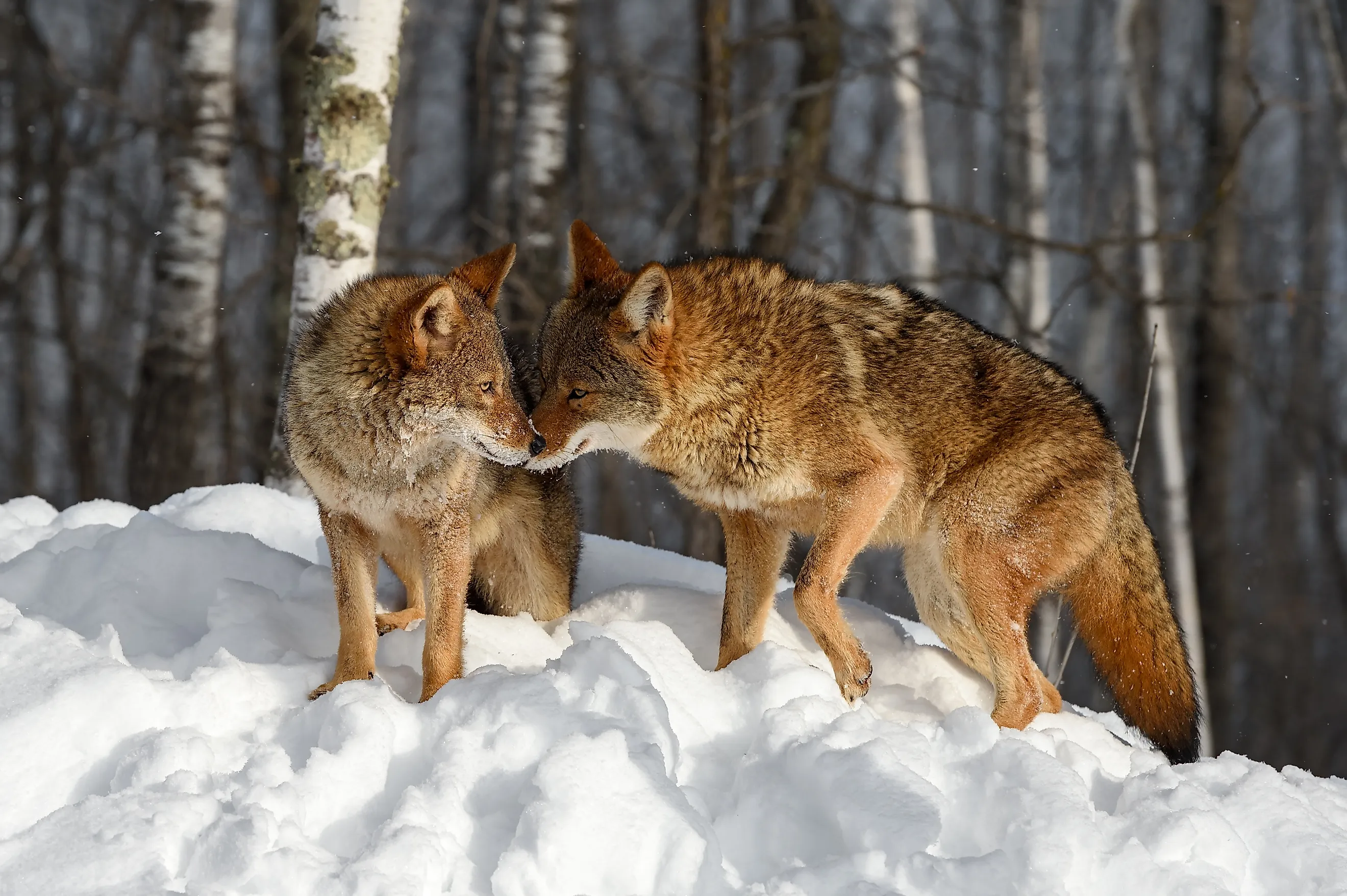
The park’s diverse habitats are a haven for wildlife, including 200+ bird species, 35 reptile and amphibian species, and 74 butterfly and moth species. More than 50 mammal species live in the park, including elusive black bears, white-tailed deer, moose, bobcats, foxes, and coyotes, along with smaller mammals such as raccoons, porcupines, and chipmunks.
Bear Mountain State Park

Bear Mountain State Park sits in the mountains on the west bank of the Hudson River, about 45 miles north of the bright lights of New York City. The 5,067-acre park is home to the first completed section of the 2,200-mile Appalachian Trail, which stretches from Georgia to Maine and passes through the park, and it served as a blueprint for other sections of the trail. A diverse range of wildlife makes its home in Bear Mountain, from white-tailed deer, black bears, cougars, and beavers to bald eagles, osprey, Great blue herons, and snapping turtles.

Visitors to the park can hike to the circa 1930s Perkins Memorial Tower atop Bear Mountain for spectacular views of the river, the Hudson Highlands, and nearby Harriman State Park. Outdoor water enthusiasts can fish for brown trout and bass, and rent paddleboats to pedal around spring-fed Hessian Lake. Travelers with kids can spend time at the Trailside Museums and Zoo, home to injured and orphaned native animals in the park. A classical Merry Go-Round features scenes of the park and 42 hard-carved seats of native animals, including wild turkey, deer, bobcat, raccoon, skunk, black bear, and more.
Fire Island National Seashore

Established along a 26-mile stretch of Fire Island, the Fire Island National Seashore forms a slender barrier between the Atlantic Ocean and the Great South Bay, just off the coast of New York. The seashore comprises a variety of ecosystems, from beaches and forests to salt marshes, creating a refuge for migratory birds and coastal wildlife. The island lies along the Atlantic Flyway, making it a popular rest stop for thousands of birds and monarchs as they fly south in September and October. The piping plover, a shorebird species on the New York State endangered species list, makes its nest on the island.

Over 30 mammal species live or visit the Fire Island National Seashore, including white-tailed deer, red foxes, and the tiny masked shrew. There are also marine mammals in the waters surrounding Fire Island, including three endangered whale species: finback, humpback, and northern right whales. Porpoises, Seals, and dolphins have also been recorded at the seashore, bringing the total of marine mammal species on the island to 19.
Letchworth State Park

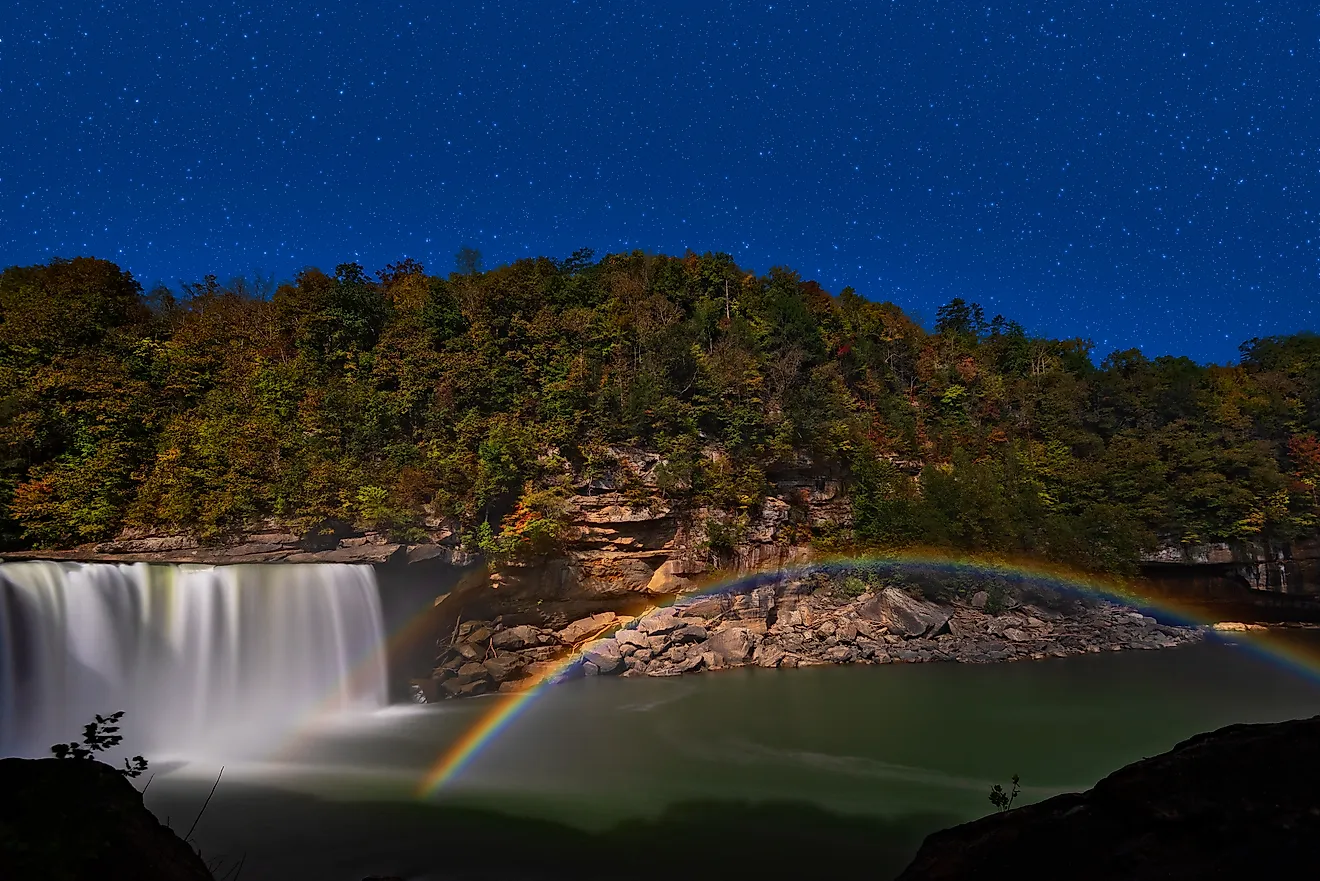
Letchworth State Park, also known as the “Grand Canyon of the East,” is a stunning state park about 35 miles southwest of Rochester. It encompasses about 14,500 acres of forests, waterfalls, and dramatic cliffs carved by the meandering Genesee River that winds through the gorge. There are 66 miles of hiking trails in the park, but the standout trail is the 7-mile Gorge Trail, which starts at the Genesee Arch Bridge and leads hikers along the rim of the gorge past the park's undisputed stars: Upper Falls, Middle Falls, and Wolf Creek Falls.
Ideal for nature lovers, wildlife observers, and bird watchers, Letchworth is a designated state Bird Conservation Area and an Audubon Important Bird Area. Thanks to the combination of open water, forests, and cliffs, the park attracts high concentrations of migratory birds and waterfowl, as well as several Great Blue Heron rookeries, natural nesting colonies. Bring binoculars to look for bald eagles, Henslow’s sparrows, and cerulean warblers. Other wildlife in the park include woodchucks, red foxes, coyotes, and white-tailed deer.

To learn more about the park, the Humphrey Nature Center offers interactive exhibits highlighting its wildlife, a butterfly garden, a bird observation station, and trails that lead to Inspiration Point Overlook, the only spot with views of both Upper Falls and Middle Falls.
Minnewaska State Park Preserve

The 22,275-acre Minnewaska State Park Preserve sits high atop the Shawangunk Mountain ridge, more than 2,000 feet above sea level. Surrounded by rugged, rocky terrains, the preserve features spectacular waterfalls, three sky lakes, and 50 miles of trails for hiking, biking, and walking. Sam’s Point is a popular 5,000-acre scenic section of Minnewaska, renowned for its sweeping views of the Hudson Valley, natural ice caves, and over 8 miles of hiking trails that lead to waterfalls and overlooks. It is home to a unique, globally rare community of dwarf pine ridges that offers important refuge for migratory birds, reptiles, amphibians, and other wildlife.

In addition to the rare dwarf pines, several rarely seen animals have been spotted in the preserve, including fishers, nocturnal cat-like mammals, and one of the few predators that can hunt and kill porcupines by flipping them over. Bobcats, timber rattlesnakes, and small-footed bats have also been seen by fortunate hikers and caught on trail or game cameras.
Wildlife Wonders Of New York
New York is a haven for animal and nature lovers, outdoor enthusiasts, and wildlife photographers. The jewel in the state’s crown is Adirondack Park, whose massive forests provide cover for moose, black bears, and bobcats. Meanwhile, over in Bear Mountain State Park, families can enjoy hiking, boating, a wildlife-friendly zoo, and a turn on an old-fashioned merry-go-round. For fans of sun, sand, and the sea, Fire Island National Seashore is a hotspot for migratory birds, foxes, and marine mammals. Letchworth State Park has waterfalls, cliffs, and heron rookeries to explore, and high atop the Shawangunk Ridge, Minnewaska State Park Preserve is home to elusive wild animals like fishers and bobcats. Never mind the bright lights on Broadway, the real stars in New York are hiding in these five wild animal hotspots.