5 Wild Animal Hotspots in Connecticut
The New England state of Connecticut is home to large tracts of intact forests and waterways that host a wide range of wildlife. Black bears move through the northwestern hills, and migratory shorebirds crowd the coastal mudflats. Learn more about five hotspots that reveal where Connecticut’s ecosystems remain most productive, and where curious visitors are most likely to encounter the state’s wild side on a regular basis.
Lovers Leap State Park

Lovers Leap State Park overlooks a dramatic bend in the Housatonic River, where wooded cliffs rise sharply above the valley floor below. The park’s main feature is a historic iron footbridge that crosses the river and connects trail networks on both sides of the gorge. Aside from being convenient, however, the overlook above the bridge makes it easier to spot native bird species like red-tailed hawks riding thermals that form along the cliff faces. Furthermore, bald eagles have also been observed along this stretch of the river, especially in colder months, while in the warmer months, the waterway attracts great blue herons and belted kingfishers.

On the ground, the encroaching forests host a number of fauna typical of the northeast, like white-tailed deer, whereas the area's rocky slopes and mature hardwood stands also provide habitat for smaller mammals such as eastern chipmunks and gray squirrels.
Algonquin State Forest

Spanning more than 2,545 acres in the northwest corner of the state, Algonquin State Forest is one of Connecticut’s most remote places to encounter wildlife. The mix of hardwood/hemlock stands, wetlands, and quiet streams here houses significant numbers of black bears, bobcats, coyotes, and white-tailed deer.
Early morning hikers along the backcountry trails may also spot wild turkey moving through clearings, while barred owls call from dense cover at dusk. Furthermore, this expansive woodland is a stronghold for beaver activity, with dams and lodges visible along several backcountry routes.
Established in 1937 and named after the Indigenous group that had lived in the region for years before European settlement, the Algonquin State Forest reflects decades of conservation work and thousands of years of human history in Connecticut. It feels like a true wilderness, something that is rare in this small, densely populated state, and makes animal sightings more likely than in Connecticut’s more coastal parks. Definitely don't forget to bring your camera to this one!
Devil's Hopyard State Park

Devil's Hopyard State Park centers on Chapman Falls, a stepped cascade that drops roughly 60 feet over wonderfully patterned stone ledges. The rock formations, marked by circular potholes carved by centuries of swirling water and sediment, give the park its distinctive geology, but the surrounding forest, which supports white-tailed deer, porcupines, raccoons, coyotes, foxes, and many more species of wild birds (namely turkeys, barred owls, and woodpeckers), draws swathes of nature photographers as well.

Furthermore, the Eightmile River, which runs through the park, is part of a designated Wild and Scenic River watershed, underscoring its combined recreational and ecological value. Anglers here target trout in season, and the riparian corridor attracts great blue herons and belted kingfishers, also looking for fish on a regular basis.
Paired with a plethora of hiking routes, open picnic areas, and a campground, the Devil's Hopyard is perhaps the most accessible stretch of active river habitat in southeastern Connecticut.
Pachaug State Forest

As Connecticut’s largest state forest, Pachaug State Forest encompasses more than 26,000 acres in the state’s quieter eastern side. Its extensive woodlands, high-standing ridges, and wetlands create the idyllic conditions for wide-ranging species that require space and cover away from human development.

Black bear sightings have increased in recent years, while bobcats and fishers have been spotted moving through the denser, less-visited sections of forest here. Coyotes are also quite common, and their calls are often heard after dark near the park's interior roads. Moreover, Pachaug boasts a notable population of turkeys and ruffed grouse, particularly in areas shaped by managed timber harvests that create young forest habitat. In terms of aquatic life along the Pachaug River and its tributaries, painted turtles and snapping turtles are frequently observed, while beaver dams are known to alter water flow across several nearby low-lying zones.
With designated hiking, horseback, and off-road vehicle areas, this vast state forest is a hotspot for recreation, one with one of the most biologically active landscapes in Connecticut to match.
Stewart B. McKinney National Wildlife Refuge

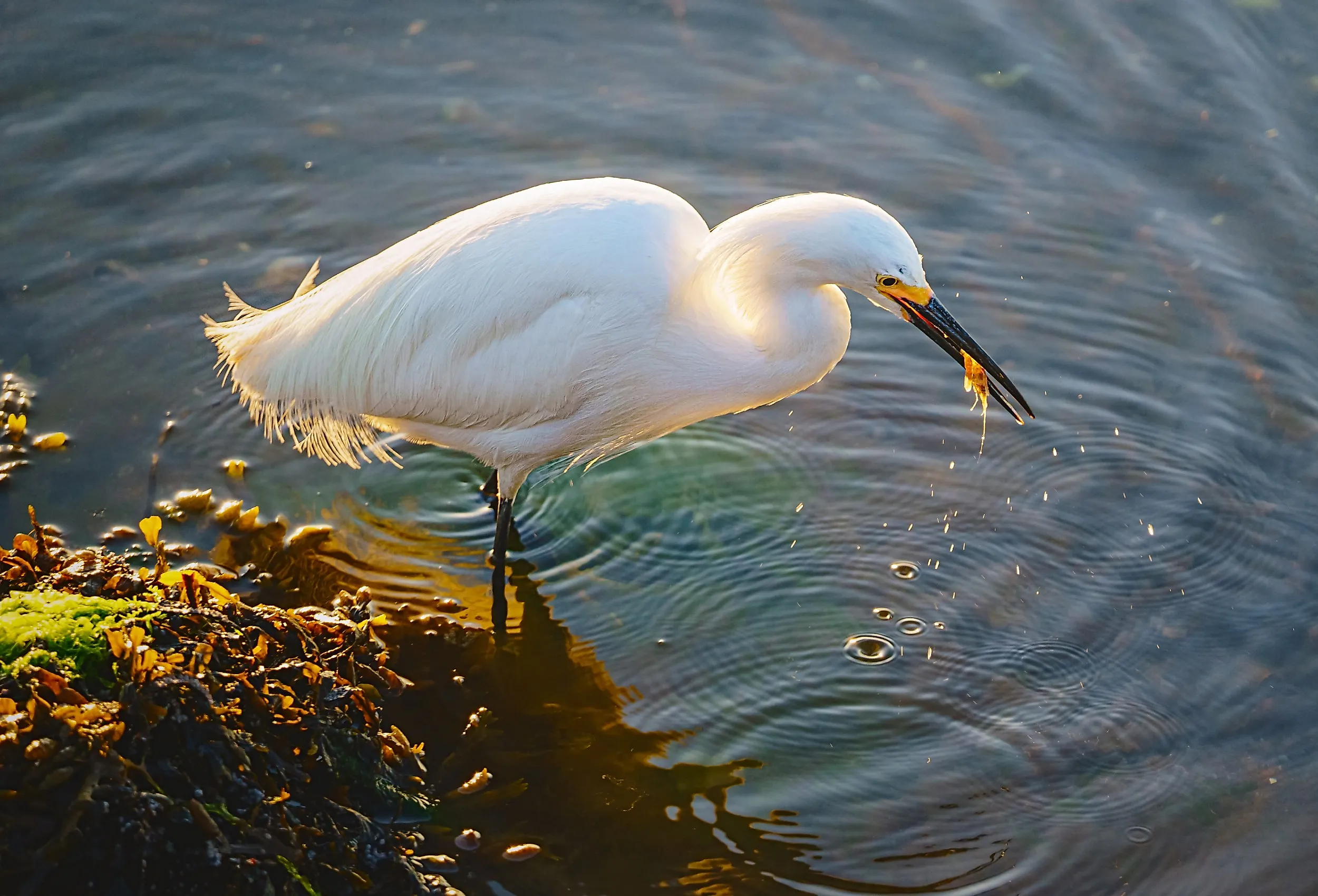
Stretching across a chain of coastal units from Greenwich to Westbrook, the Stewart B. McKinney National Wildlife Refuge protects some of Connecticut’s most ecologically vital shoreline habitats. Namely, salt marshes, barrier beaches, and offshore islands create nesting grounds for piping plovers and least terns, both of which are closely monitored during the breeding season.

The Falkner Island unit supports one of the largest roseate tern colonies in the Northeast, a species listed as endangered in the region. Even better for bird lovers, osprey platforms dot several sections of the refuge, and their fishing dives are a regular sight in spring and summer, while during migrations, thousands of shorebirds use nearby mudflats to refuel.
In the water, harbor seals like to haul out on protected rocks in winter, adding to the refuge’s seasonal wildlife turnover.
Find Connecticut's Most Diverse Wildlife in these Parklands
For anyone willing to visit these landscapes at the right time, Connecticut offers wildlife activity that is often much more convenient to access than in many other states across the nation. Lively forests, protected marshes, and connected river systems continue to host healthy populations of mammals, birds, reptiles, and more, and will hopefully remain the same for a long time to come.







.jpg)