5 Tick Infested Areas In Michigan
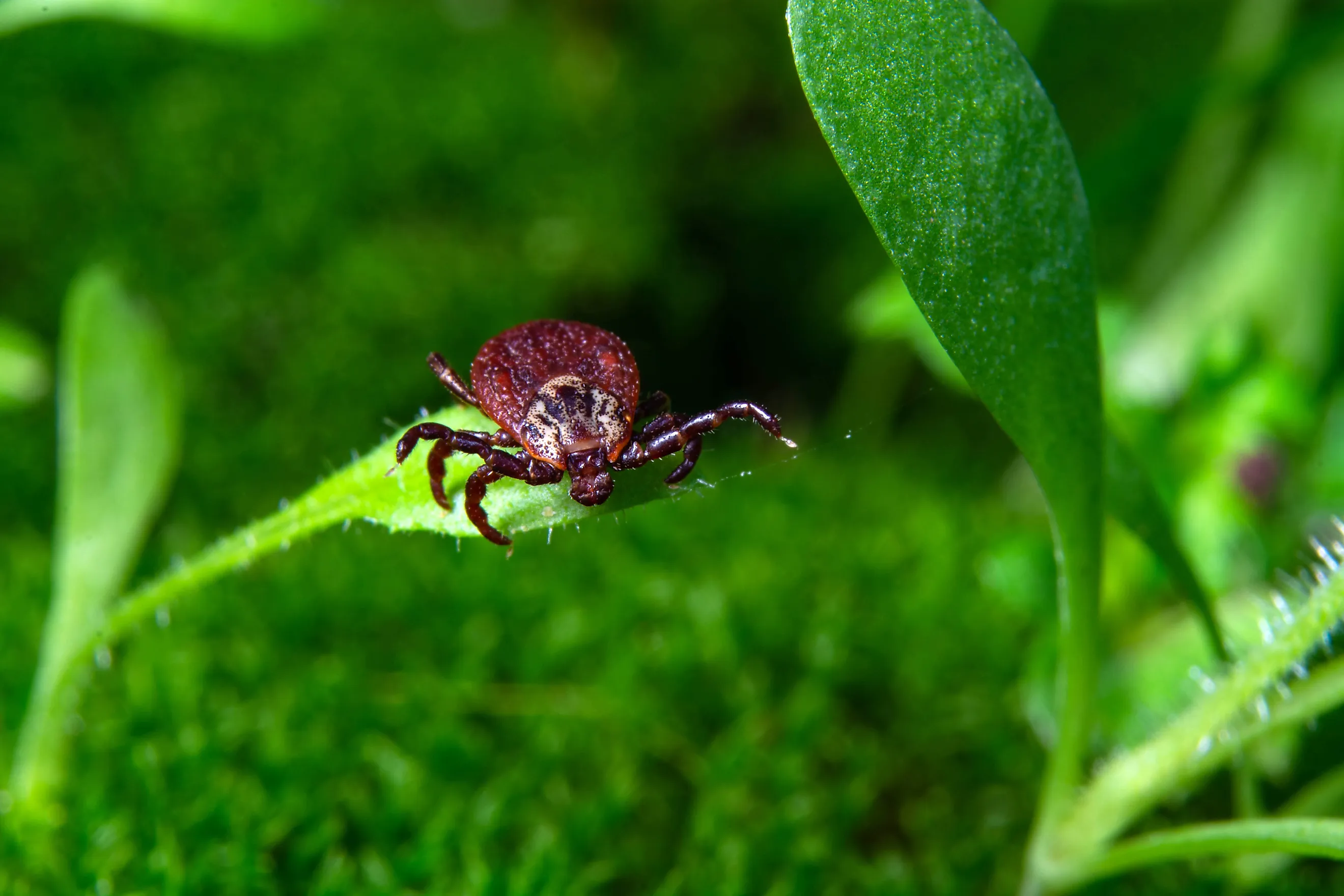
Western and northern Michigan's ample wooded recreation areas support some of the state's most established blacklegged tick populations. The Michigan Department of Health and Human Services surveillance reports show blacklegged ticks expanding across much of the peninsulas, particularly in areas with dense leaf litter. Blacklegged ticks (Ixodes scapularis) are the primary vector of Lyme disease, while American dog ticks (Dermacentor variabilis) are a common vector for Rocky Mountain Spotted Fever. Michigan also reports anaplasmosis cases each year, especially in northern counties where blacklegged tick populations have become established.
Sleeping Bear Dunes National Lakeshore

Sleeping Bear Dunes National Lakeshore near Empire contains extensive hardwood forests and dense shoreline vegetation across the northwest Lower Peninsula. Tick exposure is typically highest away from the open dunes, especially in wooded sections where maple and beech leaf litter remains shaded beneath dense canopy cover. CDC habitat guidance identifies moist deciduous forest ground cover and wooded trail edges as common blacklegged tick environments, conditions that are consistent throughout much of the park's interior.
Blacklegged ticks are established across northern Michigan and are associated in the state with Lyme disease and anaplasmosis transmission. American dog ticks (which are common in grasslands throughout Michigan) may also occur along brush-lined sections of the region. The Empire Bluff Trail and portions of the Sleeping Bear Heritage Trail pass through narrow wooded areas where low vegetation extends close to the trail during late spring and summer.
Menominee River Corridor

The Menominee River corridor along Michigan's border with Wisconsin contains cedar swamps, lowland hardwood forest, and dense understory vegetation that retain moisture through much of the warmer season. These humid woodland conditions closely match CDC descriptions of preferred blacklegged tick habitat in the Upper Midwest. Narrow footpaths near the riverbanks frequently cut through brush and waist-high vegetation beneath heavy tree cover, particularly around fishing access sites and undeveloped recreation corridors. Menominee County falls within one of the Upper Peninsula regions where MDHHS surveillance has documented established blacklegged tick populations and ongoing tick-borne disease activity. Lyme disease and anaplasmosis are both reported in this part of Michigan. The Pemene Falls area contains several brush-lined access paths where visitors frequently move between shaded woodland and grassy clearings that can also support American dog ticks.
Fort Custer Recreation Area

Fort Custer Recreation Area west of Battle Creek sits within southwest Michigan's established Lyme disease region. Oak forests, prairie remnants and wetlands create repeated transitions between shaded woods and open vegetation where ticks commonly wait on low plants for passing hosts. White-tailed deer regularly move between these types of habitats, especially near brush-heavy trail systems and grassy clearings that are adjacent to areas frequented by visitors.
Blacklegged ticks occupy wooded sections, while American dog ticks are commonly associated with taller grass and open recreation areas statewide. The park's Red Loop mountain biking trail repeatedly crosses between forest cover and grassy spans where riders and hikers frequently brush against vegetation during peak tick activity months. Lyme disease remains the primary tick-borne illness concern documented in this region.
Porcupine Mountains Wilderness State Park

The Porcupine Mountains near Ontonagon contain extensive old-growth forests and persistent canopy cover, creating prime tick habitat. Thick organic debris and limited direct sunlight help maintain damp woodland ground conditions consistent with CDC habitat descriptions for blacklegged ticks. Ferns, saplings, and low branches crowd many of the park's narrow hiking trails during the warmer months.
Blacklegged ticks are documented in the western Upper Peninsula counties and are associated in this area of Michigan with Lyme disease and anaplasmosis transmission. The Escarpment Trail and the Lake of the Clouds area contain long stretches of vegetation-lined trail where hikers frequently find themselves against dense growth during summer.
Berrien County Dune and Woodland Corridor

Berrien County in southwest Michigan sits within an established blacklegged tick region near the Indiana border. Inland dune forest and dense grasses create ground cover across many of the county's wooded recreation areas. CDC habitat guidance identifies wooded edges, leaf litter, and humid vegetation layers as common environments for blacklegged ticks, conditions found throughout portions of the county's dune and woodland systems.
Lyme disease activity is well documented in southwest Michigan, where blacklegged ticks are now established across multiple counties near the Indiana border. Warren Dunes State Park contains several trails, including the nature trail, where dune grass, low shrubs, and overhanging vegetation narrow the path during late spring and summer. American dog ticks are also frequently found in the grassy habitat throughout this part of the state, particularly along unmanaged vegetation edges.
Tick Tracking
To track tick activity in Michigan, residents can visit the Michigan Department of Health and Human Services MiTracking dashboard and state tick surveillance guidance pages. MDHHS resources also provide information on species identification, seasonal activity, and reported disease trends across Michigan counties. Further resources include the Michigan State University Extension and the state's county health departments, which publish tick identification and prevention guidance focused on the two most common species, blacklegged ticks and American dog ticks.
If you find yourself out on a trail, you can minimize tick exposure with the following actions: avoid contact with brush, perform regular tick checks after leaving (being sure to examine hairlines, sock lines, and waistbands especially), use EPA-registered repellents, and shower and change clothes when you get back home.