5 Snake-Filled Waters In Arkansas
Arkansas has a reputation for snaky water, and honestly, it's earned. The state's mix of rivers, reservoirs, swamps, and floodplains creates exactly the kind of conditions snakes look for: steady water, plenty of cover, and lots of things to eat. Add long, warm summers and regular seasonal flooding, and you end up with waterways that quietly support a surprising amount of snake activity.
Snakes aren’t evenly spread across these environments. They tend to cluster where fish, frogs, and small mammals concentrate, which is usually near shorelines, backwaters, and slow-moving water. Knowing where snakes prefer to spend their time makes encounters less startling and helps explain why some Arkansas waterways seem far more “snake-heavy” than others.
Lake Ouachita

Stretching over 40,000 acres over the Ouachita Mountains, Lake Ouachita is the largest lake in Arkansas. Created by the Blakely Mountain Dam, the reservoir has an irregular shoreline full of coves, submerged timber, and forested banks. Much of the shoreline remains undeveloped, which gives wildlife room to operate without constant disturbance. Those quiet, cluttered edges are exactly where snakes show up. Plain-bellied water snakes are especially common here and are frequently seen cruising shallow water or resting near the bank. Northern water snakes also turn up regularly, basking on rocks or slipping into the water when approached.

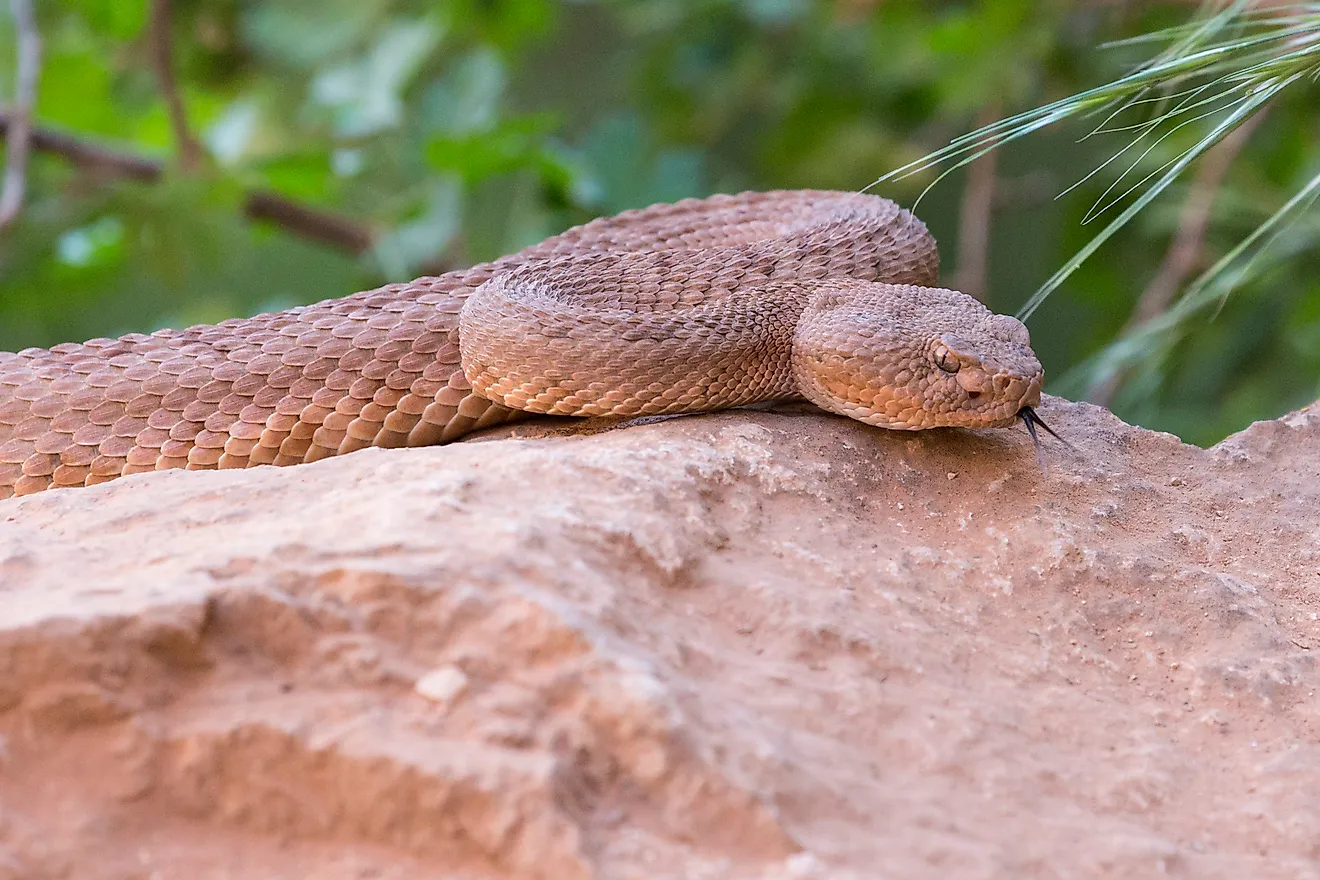
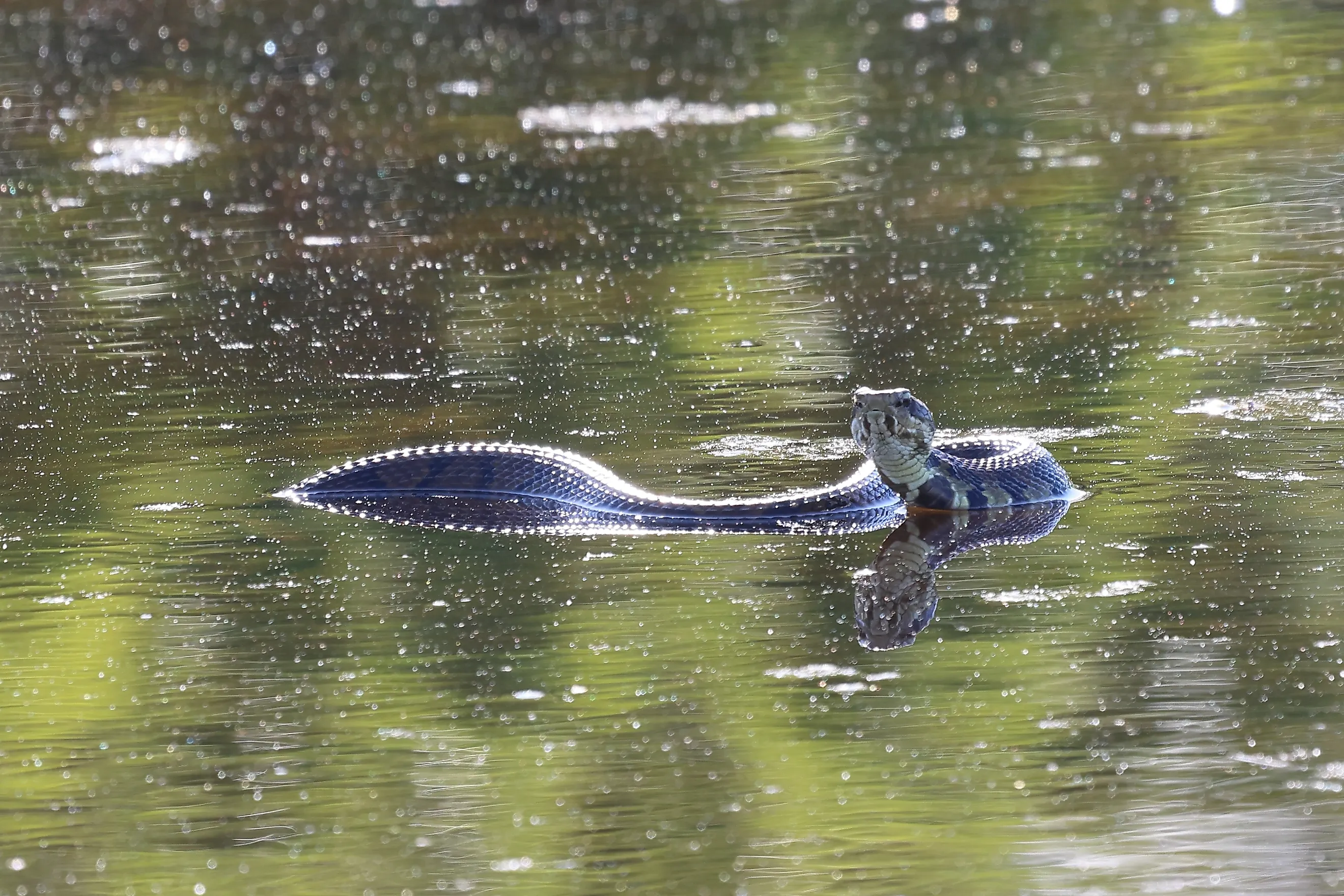
Cottonmouths live around the lake as well, but they tend to favor marshy inlets, backwater pockets, and coves where fallen logs and dense vegetation provide cover. Snake activity around Lake Ouachita is noticeably higher in areas with little boat traffic or shoreline development. Open water rarely sees snakes, while sheltered coves quietly host plenty of them.
Millwood Lake

Millwood Lake sits in southwestern Arkansas along the Little River and feels very different from clear, rocky reservoirs farther north. This lake is defined by flooded forests, swamps, and long stretches of calm backwater. The shoreline is muddy, vegetation is thick, and fallen trees are everywhere, creating ideal ambush and shelter opportunities.
Snakes are most often spotted near downed timber, remote bays, and shallow water where fish and amphibians are abundant. Cottonmouths are a regular presence here and stay closely tied to the water, especially in slow-moving channels and swampy sections. Copperheads also live in the area, but they usually remain on land, moving through forested ground rather than entering the water itself.
Nonvenomous species are common as well. Diamondback water snakes are hard to miss once you know what to look for. When threatened, they flatten their bodies and display bold patterns that make them look far more dangerous than they actually are. It’s an effective bluff, and one that often causes people to mistake them for rattlesnakes, even though they lack both the rattle and the venom.

Cache River

The Cache River winds through eastern Arkansas and is best known for its cypress swamps and bottomland hardwood forests. Much of the surrounding land is protected as part of the Cache River National Wildlife Refuge, which has allowed the river to retain its slow, swampy character. Water here moves lazily, floods seasonally, and stays warm for much of the year.
Those conditions support snakes that rarely show up outside true swamp environments. Cottonmouths are regularly documented along the river, especially in shaded backwaters and areas thick with fallen branches and aquatic plants. Plain-bellied water snakes are also common and are often seen swimming near the edges or resting among shoreline debris.
The Gulf swamp snake, a species closely tied to wet, marshy habitats, has also been recorded in the Cache River system. Amphibians are abundant here, and the dense vegetation provides year-round cover. Copperheads live in the region as well, but they tend to stay in drier forested areas near the river rather than in the water itself.

Copperheads are also present in the region. These snakes are venomous but are not aquatic. They are more commonly found in forested uplands and along water edges rather than within the river itself.
Lake Fayetteville

Lake Fayetteville is a small reservoir in northwest Arkansas, surrounded by parkland, walking trails, and wooded shoreline. Despite its urban setting, the lake still offers enough quiet pockets and vegetated edges to support several snake species.
Northern water snakes and banded water snakes are among the most commonly spotted along the shoreline. They hunt fish and amphibians in shallow water and often rest in thick vegetation close to the bank. Western rat snakes are also present and are more likely to be seen climbing trees or moving through brush near the water.
Most snake sightings at Lake Fayetteville involve nonvenomous species. Diamondback water snakes are occasionally seen hanging from branches over the water, waiting to strike passing fish. This behavior can look dramatic and often leads to misidentification by visitors who assume the snake is something more dangerous than it actually is.

Greers Ferry Lake

Greers Ferry Lake lies in north-central Arkansas and is surrounded by wooded hills and limestone bluffs. Compared to the swampy lakes and rivers farther south, the water here is deeper and clearer. That difference affects how snakes use the lake.
Snakes are still present, but they tend to stay close to the shoreline rather than venturing into open water. Activity is highest where vegetation, prey, and cover come together. Sheltered coves and brushy edges see far more snake movement than exposed shoreline or deep-water areas.
Diamondback water snakes are especially common in shallow coves and along brush-lined banks. Rough green snakes are also found around the lake, usually along vegetated edges and low shrubs. These snakes spend much of their time in trees and bushes and are less tied to the water than many other species in the area.

Mississippi River
The Mississippi River forms Arkansas’s eastern border and represents one of the largest river ecosystems in the state. Oxbow lakes, sandbars, slow channels, and seasonally flooded bottomlands support a wide range of snake species. Warm temperatures and steady food availability allow snake populations to persist across long stretches of the river. Encounters are more common in quiet backwaters than along main navigation channels.

Mississippi green watersnakes, diamondback water snakes, and plain-bellied water snakes are widespread along the river. Cottonmouths are also present, particularly in flooded forests and debris-filled backwaters. These areas provide cover and abundant prey.
Where to See Snakes in Arkansas

People often ask where snakes are “most common,” but that question misses how uneven snake activity really is. You can walk miles of shoreline and see nothing, then suddenly find yourself standing ten feet from a snake you didn’t expect.
In Arkansas, most sightings happen between late spring and early fall, when water temperatures rise and prey is active. Shorelines, shallow wetlands, drainage ditches, and slow backwaters are where snakes turn up most often. These are places where frogs, fish, and small mammals bunch together, which is what snakes are really tracking.
Busy areas tend to have fewer encounters. Snakes notice constant movement and usually slip away long before anyone sees them. Quieter stretches of water tell a different story. Calm coves, overgrown banks, and places people rarely stop are far more likely to hold snakes, even if they look unremarkable at first glance.
Understanding Snake Activity Near Water

Most snakes found near Arkansas lakes and rivers are not dangerous, and they are not there to bother people. Water simply concentrates resources. Food is easier to find, cover is better, and temperatures are more stable.
Venomous species exist in these environments, but they are usually far less visible than nonvenomous ones. Bites almost always happen when a snake is handled, stepped on, or cornered. Left alone, most snakes choose escape over confrontation.
Understanding how snakes move through water-heavy landscapes explains why certain spots seem “snake-free” while others feel crowded. Rivers, reservoirs, and swamps quietly support far more wildlife than open ground, and snakes are just one part of that system. Paying attention to where water slows down, vegetation thickens, and debris collects tells you far more than any species list ever could.