5 Most Rattlesnake Infested Areas in Colorado
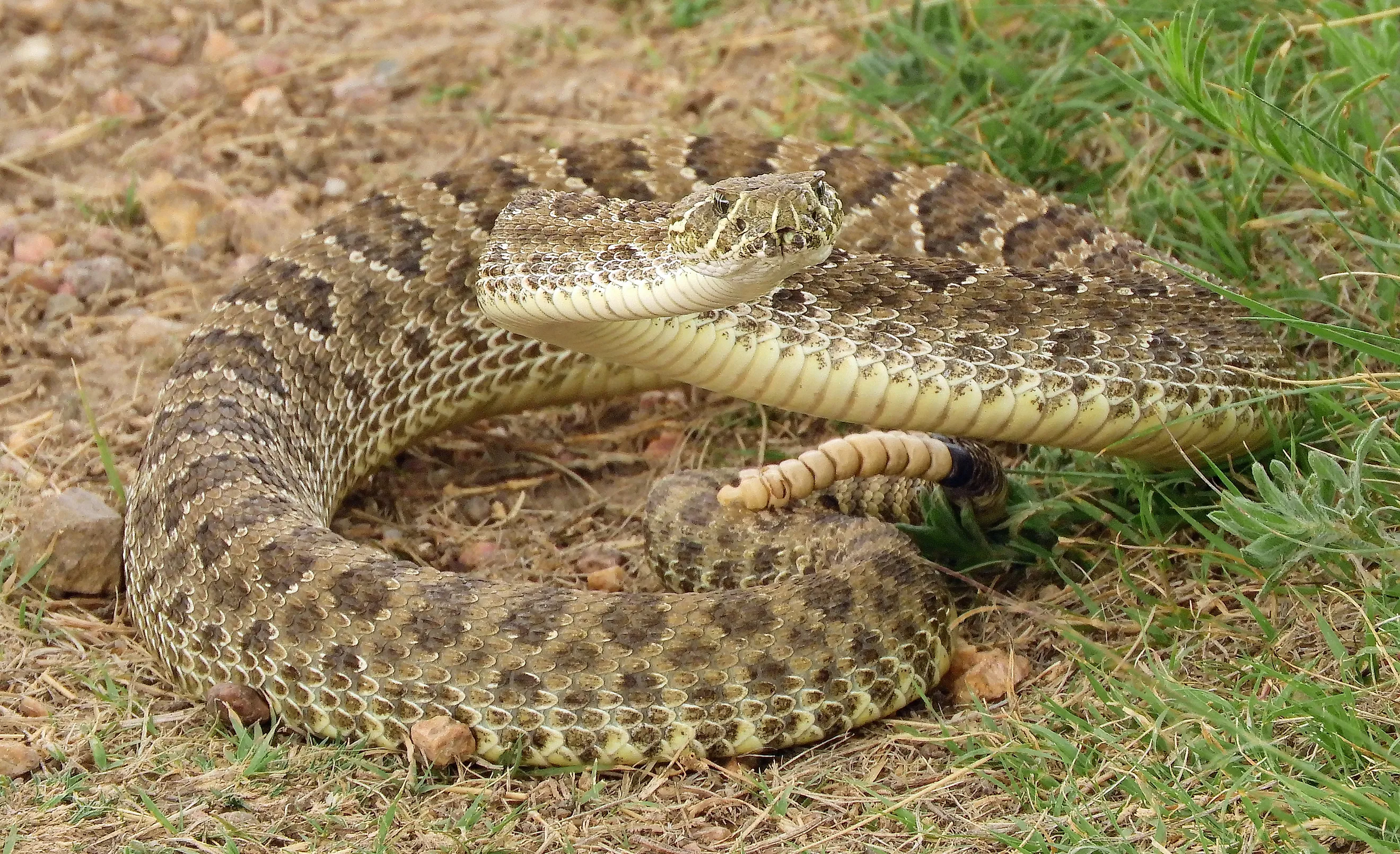
Colorado isn’t just popular with visitors coming to see the spectacular Rocky Mountains, explore the bright lights of Denver, or check out the state’s quaint small towns. It is also pretty attractive to some scary serpents as well. The Centennial State is home to three species of rattlesnakes, the Prairie Rattlesnake, Crotalus viridis, the Midget Faded Rattlesnake, Crotalus concolor, and the Massasauga Rattlesnake, Sistrurus catenatus. All are venomous and should be treated with caution if you meet one when exploring the outdoors.
Prairie Rattlesnakes are found throughout Colorado, while Midget-Faded Rattlesnakes are typically seen in Mesa, Delta, and Garfield Counties. Massasauga Rattlesnakes are much less common and are a species ‘of special concern’ in Colorado thanks to their declining populations. They are mostly found in southeastern Colorado.
Rattlesnakes are not aggressive towards humans by nature. Generally, these creatures only strike when threatened, so if you keep your distance and leave the snake alone, you can enjoy catching a glimpse of these fascinating creatures in the wild and continue your Colorado vacation without incident.

North Table Mountain Park

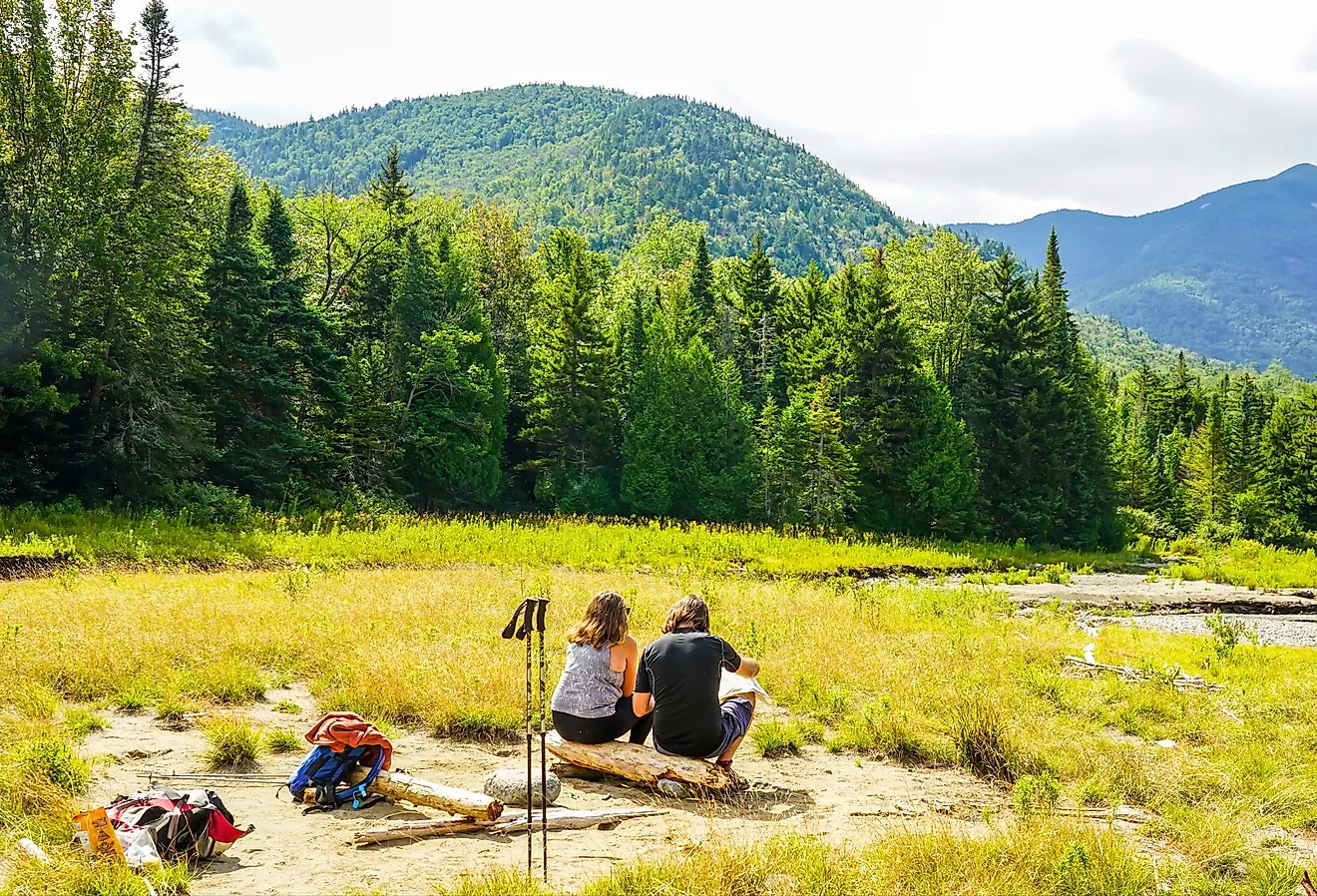
North Table Mountain Park in Jefferson County often hosts rattlesnake research studies. Prairie Rattlesnakes are found throughout the park, so be careful if you’re exploring its 15-mile network of hiking trails and rock-climbing sites. Rattlesnakes are often seen near the trails in the spring and summer as they emerge from hibernation.
The park covers almost 2,000 acres near the town of Golden and is known for its stunning views from North Table Mountain and its sister peak, South Table Mountain; both were formed by lava flows around 60 million years ago.
Greater Fort Collins

The rocky hills around Fort Collins are famous for some slippery, reptilian residents. Researchers estimate there are thousands of snakes at a rattlesnake rookery, or den, outside of town. This became a news item in 2024 after a live stream showed the nest's interior.
The area around Fort Collins is an ideal habitat for Prairie Rattlesnakes, which are found in grasslands, sandhills, semi-desert shrublands, and woodlands up to 9,500 ft in elevation.
Garden of the Gods

Garden of the Gods Park outside Colorado Springs is a National Natural Landmark, also known as ‘the gateway to the Rockies’. This beautiful 480-acre park features stunning sandstone formations and views of nearby snow-capped Pike’s Peak. Popular with climbers, bikers, and hikers, the park offers many ways to enjoy the area — as long as you keep an eye out for rattlesnakes.
There have been reports of rattlesnake bites at the park so rangers warn visitors to stay vigilant on the trails and report any sightings. If you are bitten, stay calm, don’t apply a tourniquet as this can trap the venom in the wound, and seek medical attention immediately.
Ute Valley

The lush Ute Valley landscape offers abundant habitats for Prairie Rattlesnakes. In summer, it's common to see these snakes basking on the trails of Ute Valley Park, which features a variety of paths, including the well-named Rattlesnake Ridge. This challenging loop hike takes you to a narrow, rocky trail with panoramic views of Pikes Peak, Pinon Valley, and Black Forest. Besides rattlesnakes, the park’s wildlife includes black bears, deer, and coyotes. Visitors must stay on designated trails and keep pets leashed at all times.
Rio Grande River

The Rio Grande River starts in the San Juan Mountains in southern Colorado and runs east and south through the state. Along the way, it passes through several Prairie Rattlesnake habitats, including rocky hillsides, grasslands, and drainage beds.
Popular recreation spots along the Rio Grande River in Colorado include Alamosa Riparian Park, Rio Grande National Forest, and Alamosa Wildlife Refuge. When exploring these outdoor areas, stay alert of your surroundings. Snakes tend to hide in secluded spots like leaf litter, rock piles, or wood stacks, so always check before reaching into a crevice or hole!
Staying Safe Around Snakes
Many myths surround snakes, so it's essential to distinguish facts from fiction. Although they may appear intimidating, snake bites are rare. Additionally, snakes play a vital role in ecosystems by controlling pest populations that damage crops and serving as prey for birds and other predators higher up the food chain.
Rattlesnakes are easily identified by their triangular heads and the rattle at the end of their tails. If you see one, give it space and move slowly around it. If you hear the snake’s telltale rattle, freeze. If you don’t know where it is, you might accidentally move closer. When hiking, wear long trousers and leather boots, and keep all pets on a leash. Rattlesnakes bask in the sun during the warmer months and are active in fall before hibernating for the winter.