5 Most Alligator-Filled Swamps In Georgia
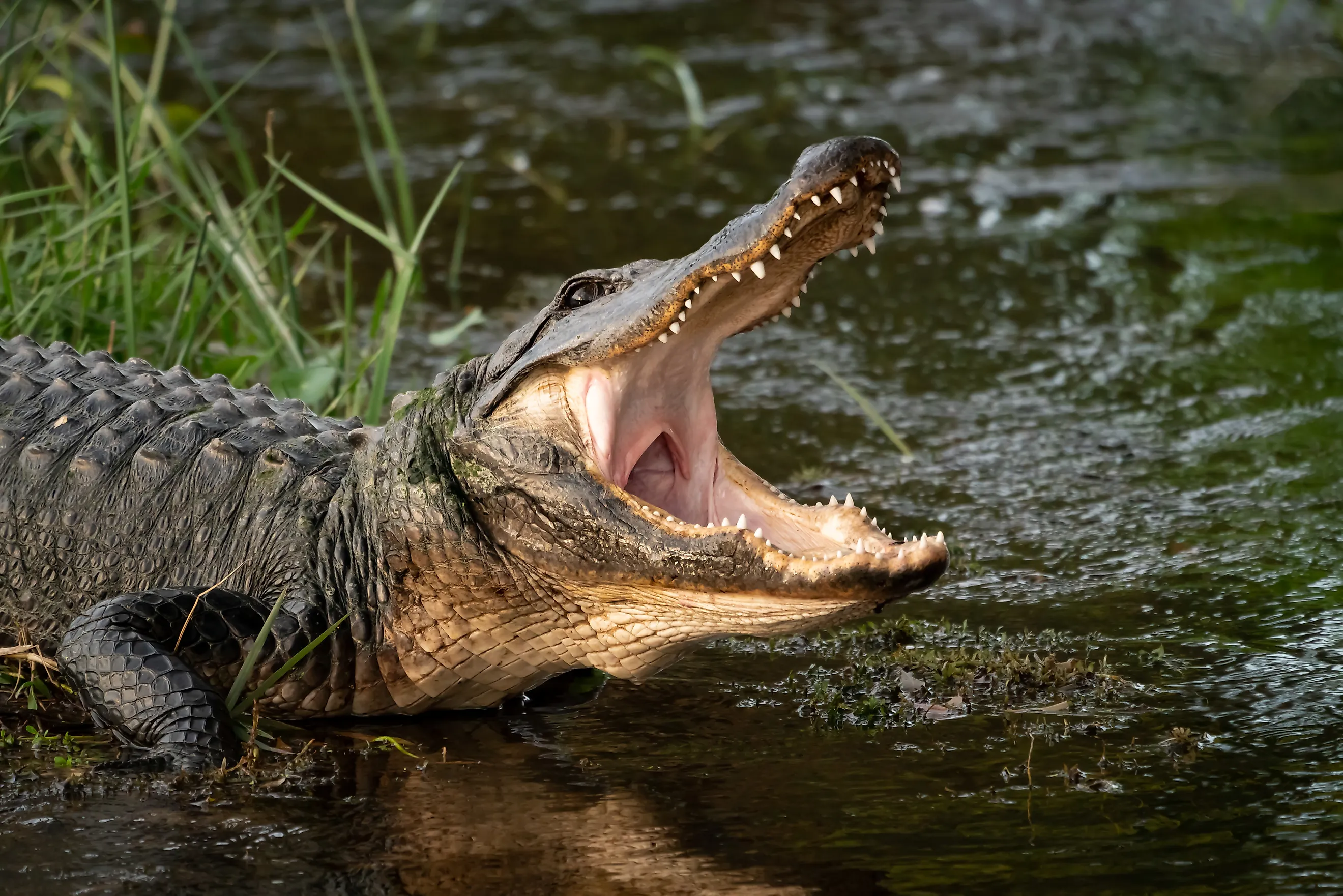
Georgia’s large array of swamps and wetlands is alive with some of the healthiest American alligator populations in the Southeast, stretching from remote creeks to sprawling riverine wetlands near major cities. These landscapes feature more than murky waters and pretty cypress stands; they are thriving ecosystems where these apex predators patrol backwaters and play a major part in the overall environment, one that houses countless other flora and fauna, both common and rare.
Whether you're a seasoned wildlife observer or curious traveler, you should be aware of where alligators are most likely to be encountered, for both your and their safety. With that, here are five hostpots in the Peach State in which run-ins with these reptiles are commonplace.
Okefenokee Swamp

Okefenokee Swamp is widely considered one of the most alligator-dense wetlands in Georgia and one of the largest intact freshwater swamps in North America. Covering around 438,000 acres along the Georgia-Florida line, this peat-filled landscape provides an ideal habitat for American alligators as well as countless other reptiles, which thrive in its blackwater channels, prairies, and swampy forests.
These cold-blooded animals utilize the swamp’s shallow pools and waterways for nesting, hunting, and temperature regulation, making sightings common throughout the year for those traveling by boat. The swamp’s slow-moving waters also support a food web rich in fish, amphibians, turtles, and wading birds, sustaining a high concentration of these meat-hungry predators year-round.
The Okefenokee Swamp is also known for its floating peat islands, known as "trembling earth," and extensive wet prairies that create sheltered hunting grounds that are difficult for humans to reach on foot or by boat. With that, the region's sheer size, isolation, and protected status allow gator populations to remain significantly safer and more stable compared to those in smaller wetlands in the state.
Savannah River Swamp

The Savannah River Swamp stretches along the Georgia-South Carolina border, containing extensive hardwood forests, backwater channels, and oxbow lakes that allow for dense alligator populations to flourish. The river's slow, meandering currents and frequent flooding create the ideal habitats for hunting and nesting, characterized by warmth, shallowness, and a swampy-like quality.
In this wetland near one of the state's largest coastal cities, Savannah, alligators are commonly spotted in and around side channels, crawling under flooded timber, and in quiet inlets. Knowing that, it is crucial for visitors to always be aware of exactly where they are going. You should also note that seasonal water level changes influence movement patterns, often concentrating alligators in deeper pools during dry periods and dispersing them across the forest floor during floods. Just be conscious of current conditions and make sure you don't accidentally hike right into a gator hotspot!
Large sections of the Savannah River Swamp remain undeveloped, however, which limits human disturbance and preserves natural predator-prey dynamics in this vital, near-coastal ecosystem.
Bond Swamp National Wildlife Refuge

Bond Swamp National Wildlife Refuge lies along the Ocmulgee River near Macon and contains another one of central Georgia’s most intact bottomland hardwood swamps. Occasional flooding from the river creates numerous oxbow lakes, sloughs, and channels that provide prime habitat for American alligators, where warm, shallow waters support efficient hunting. At the same time, abundant foliage and downed trees offer cover and egg-laying sites.
Although there are a few marked hiking trails and paddling routes, restricted public access has reduced human disturbances in this location, allowing the natural behavior of these large predators to persist near another otherwise highly developed portion of Georgia.
Altamaha River Swamps

The Altamaha River Swamp forms one of the largest and most productive floodplain ecosystems in Georgia, extending along the lower reaches of the Altamaha River as it flows into the Atlantic Ocean. Its distinct blackwater channels, lakes, and seasonally flooded forests create optimal conditions for alligators.
Like a lot of gator-friendly places on this list, dense vegetation, abundant prey, and warm, shallow waters support large populations that remain active throughout much of the year. Fish, water-based birds, as well as a number of small mammals, provide the steady food supplies that keep these large creatures going, while fallen logs in surrounding woodlands and muddy banks offer ideal basking and nesting sites to take a break in. Definitely keep an eye out for the river's edges while travelling via boat!
During high water, the alligators in this swampland also tend to disperse deeper into nearby forested areas. Drier periods concentrate them in backwater sloughs and creeks, increasing visibility on land from various trails and observation points.
Chickasawhatchee Swamp

Chickasawhatchee Swamp, tucked in southwestern Georgia, offers a quiet but surprisingly alligator-rich experience for all who come to visit. Unlike some of the more famous coastal swamps, this water system snakes through pine flatwoods and mixed hardwoods, creating hidden pools and bends where alligators congregate in relative solitude. Sightings are frequent near slow-moving streams and backwater holes, especially in the hot summer months when prey animals need to rehydrate or rest along the edges at an increasing rate.
The Chickasawhatchee WMA's understated size (approximately 20,000 acres) and accessibility near the Elmodel Wildlife Management Area make it a compelling destination for wildlife enthusiasts of all kinds seeking to get off the beaten path in this Deep Southern state.
Know Where to Find Gators In Georgia Today
Georgia’s impressive selection of swamps showcases the continent's largest reptiles in their natural element, with each wetland also offering a distinct blend of habitats and parks for you to enjoy for yourself as well. From remote backwaters to protected refuges, these ecosystems sustain thriving populations of gators while preserving the state’s wild character, home to a multitude of other unique and fascinating creatures. Exploring them should be done with caution, however, as encounters with alligators can often turn negative if not approached smartly and safely.