4 Rattlesnake Hotspots In Connecticut
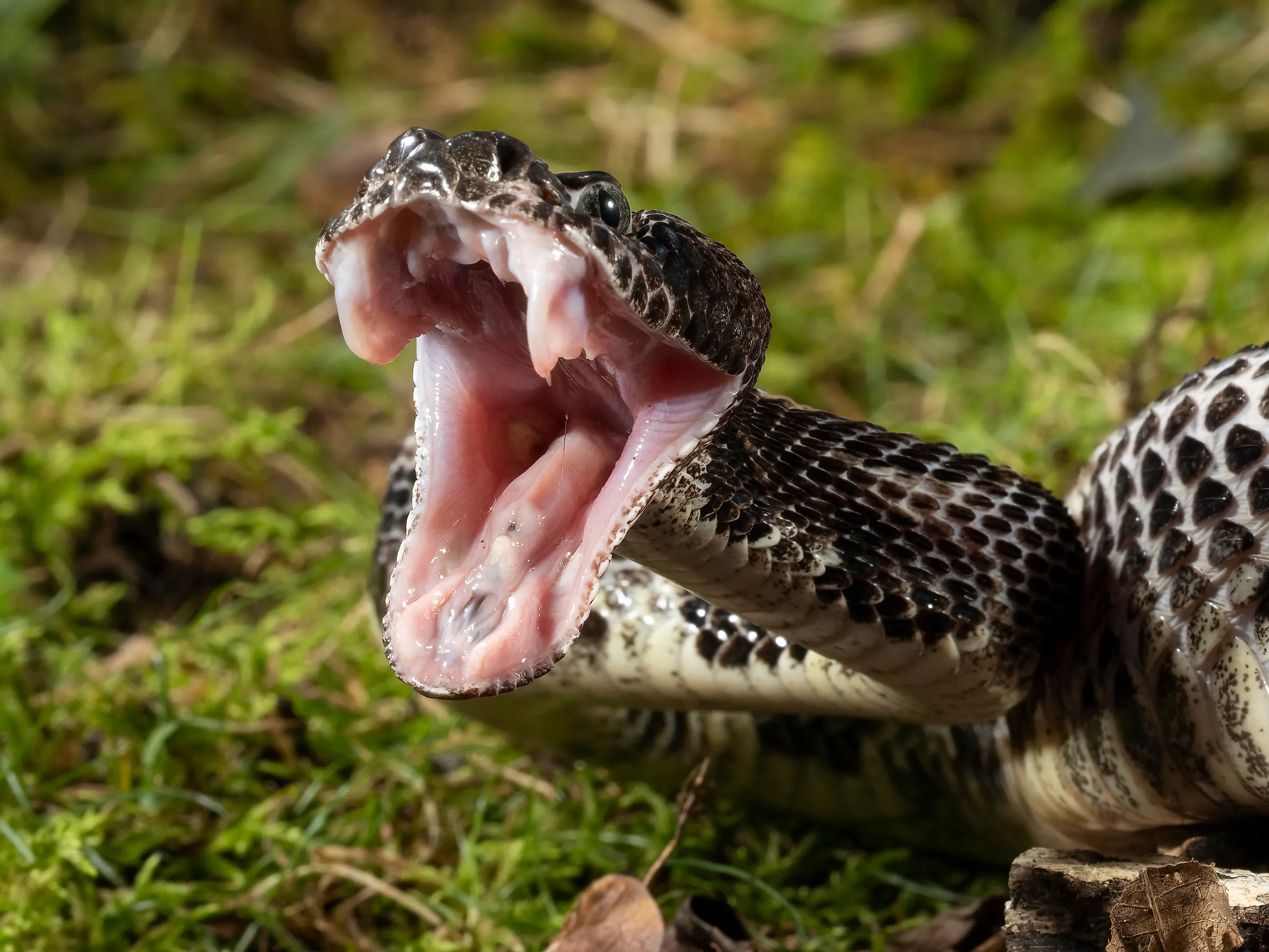
In Connecticut, the timber rattlesnake (Crotalus horridus) is the state’s only rattlesnake and one of just two venomous snake species, along with the northern copperhead. These snakes prefer hilly deciduous forests with rocky slopes, ledges, and outcrops for dens, and they are sometimes found near rivers or lakes. Once found in over 20 towns, timber rattlesnakes in Connecticut now persist in about 10 areas, primarily in the northwest and a small central region, and those populations are considered stable. At up to 54 inches long, some individuals appear solid black and, of course, sport the signature rattle at the end of their tails.
Meshomasic State Forest

Meshomasic State Forest was acquired in 1903 as the first state forest in Connecticut, and the second in the United States. The forest sprawls 9,000 acres across several Connecticut towns, protecting rare and endangered species between the Portland Reservoir to the Connecticut River.
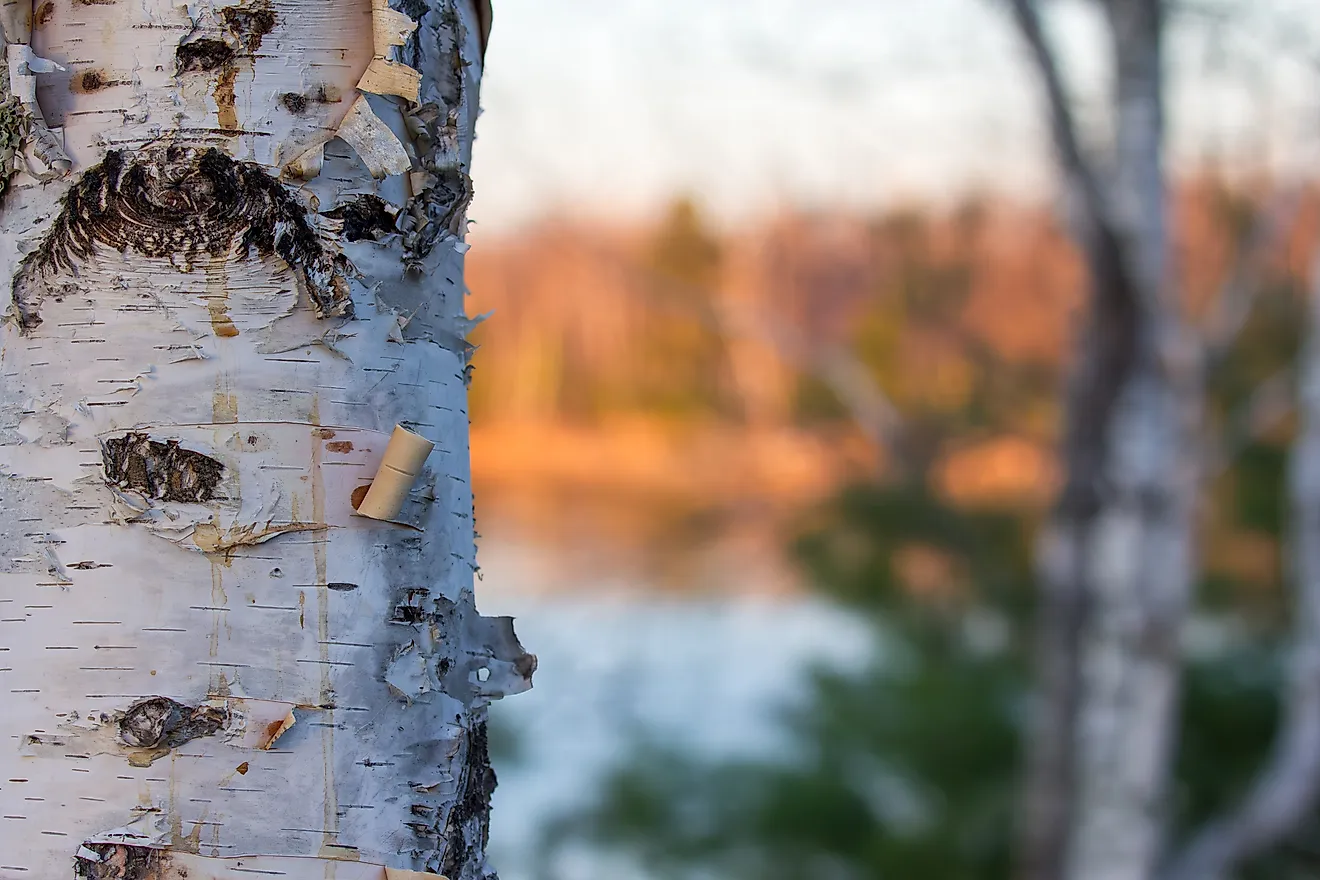
The forest is accessible via several unpaved, seasonal roads that wind through it and passes birch, pine, and oak trees, as well as boulders strewn across the forest floor that were left behind by glaciers. Other features of the forest include small rocky streams and lichen-covered ledges which are typical of timber rattlesnake habitat.
Meshomasic State Forest is home to the largest timber rattlesnake population in Connecticut. The upland habitat and steep ledges are crucial for timber rattlesnakes to thrive as they are seldom found at elevations less than 500 feet above sea level.
Housatonic State Forest

Housatonic State Forest stretches 11,284 acres through five different Connecticut towns, even containing part of the Appalachian Trail. The terrain of the forest consists of rocky mountain ridges, wide river gorges, and steep forests. The hills were once stripped of their trees to keep up with the demand for charcoal although they have since regrown and now the forested hills frame the background of the Housatonic River which flows through the forest.
Housatonic State Forest is a multi-use forest with opportunities for hiking, camping, picnicking, and hunting, as well as watershed protection of the river, scientific research, and management of its diverse native wildlife. Timber rattlesnakes occur in the forest during warmer summer months. Timber rattlesnakes emerge from their communal dens after retreating during the colder months. They will emerge in spring and are most active between mid-April and October.
Glastonbury

The town of Glastonbury sits along nine miles of the Connecticut River and has historically had to manage the timber rattlesnake population. When there were more farms in the area than suburban homes, rattlesnakes that strayed too far from their dens and came into contact with people were usually killed. Over time the town has learned to live with rattlesnakes through education and conservation. However, while the timber rattlesnake is still endangered in Connecticut, Glastonbury’s population has stopped shrinking and is maintaining steady levels.

In 2022, a timber rattlesnake bit two dogs in the same Glastonbury backyard. Thankfully both dogs survived after receiving antivenom and the rattlesnake responsible for the bites was safely captured and relocated. Additionally, Glastonbury acquired around 1,000 acres of land that helps to conserve key habitats of timber rattlesnakes.
Connecticut River

The Connecticut River is the longest river in New England. The river rises in the Connecticut Lakes of northern New Hampshire and ends its course in Connecticut where it empties into Long Island Sound after flowing for a total of 407 miles. The river flows south through Connecticut and empties into Long Island Sound, with no major city at its mouth. Timber rattlesnakes occupy the Lower Connecticut River Valley, specifically along the eastern side of the river.
Although timber rattlesnakes are endangered and limited to isolated areas in Connecticut, they are still present within the state and caution should always be exercised in any area that is frequented by wildlife. Timber rattlesnake populations are thriving in central Connecticut and the northwest corner where Meshomasic State Forest is home to the largest population in the state, or the town of Glastonbury that has learned to live alongside these misunderstood serpents. Despite their flourishing isolated populations, timber rattlesnakes in Connecticut are rare and elusive, typically choosing to avoid people when given the chance.