4 Copperhead Snake Hotspots In Louisiana
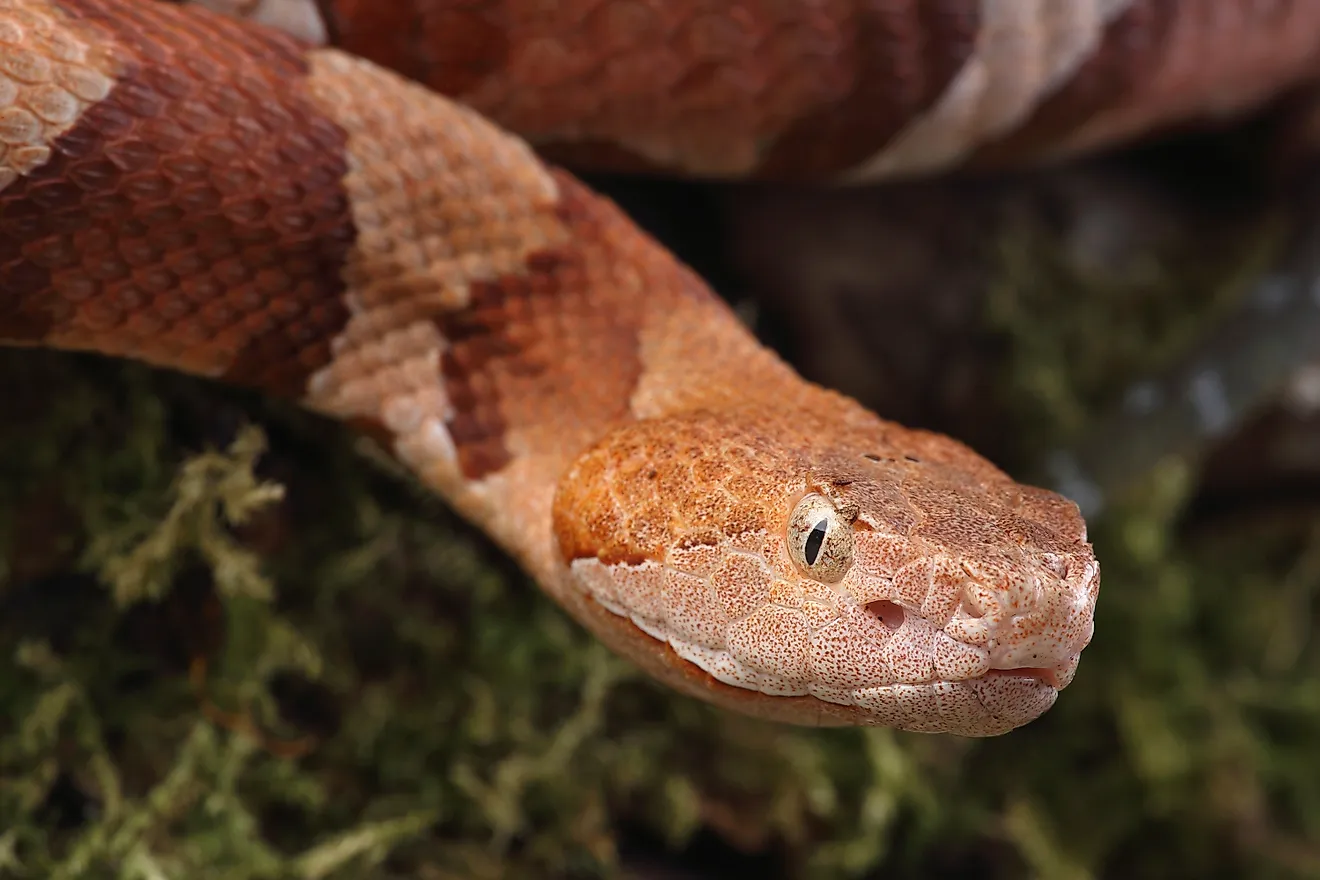
The Copperhead (Agkistrodon contortrix) is responsible for delivering the most venomous snakebites of any other in the United States, and in Louisiana, the Copperhead is found throughout the state, especially in woodland and forest habitats; however, it is absent from permanent swamps and coastal areas. While they are not generally aggressive and their bites are seldom fatal, they do pose a potential threat as they are known to remain still in the presence of people, which can lead to them being unknowingly stepped on.
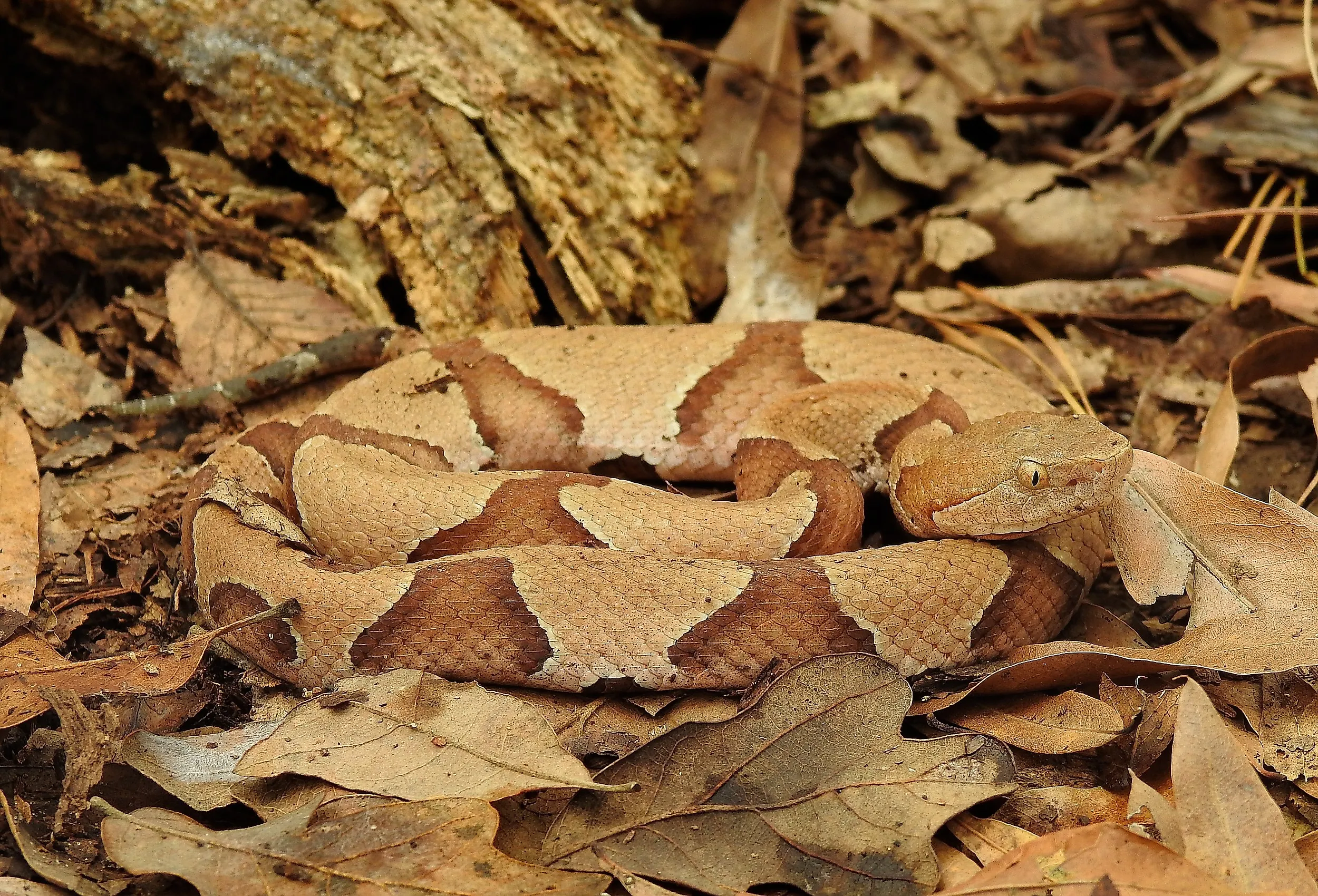
Additionally, their brown and beige coloration, paired with the banded markings on their bodies, helps them blend into leaf litter on the forest floor, making them more likely to be accidentally stepped on. For anyone who enjoys rafting down the Mississippi River or hiking through Kisatchie National Forest, beware: there could be a Copperhead hiding in plain sight in these hotspots across Louisiana.
Jean Lafitte National Historical Park and Reserve

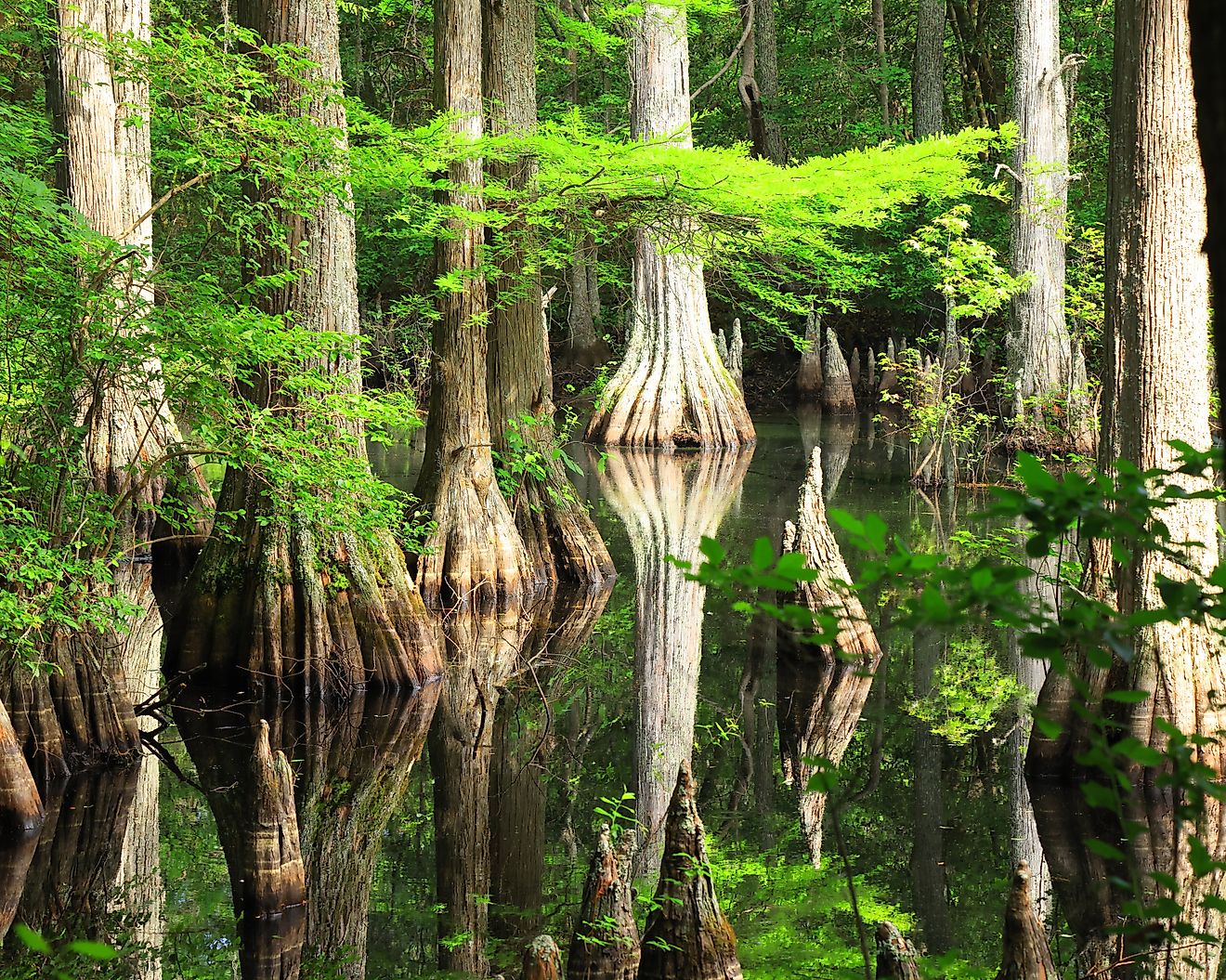
Jean Lafitte National Historical Park and Reserve consists of six sites in southern Louisiana that protect the natural and cultural history of the Mississippi River Delta, including the Barataria Preserve. The Barataria Preserve spans 23,000 acres of protected wetlands in Louisiana, comprising bayous, swamps, marshes, and forests. The preserve is laced with boardwalks and dirt trails, and the waterways are easily navigable by kayak or canoe.

There is a visitor center displaying interactive exhibits, park rangers who host ranger-led programs including guided hikes, canoe treks, and birdwatching walks. Within the preserve, the Eastern Copperhead (Agkistrodon contortrix) is mostly found in hardwood forests and has a restricted distribution in cypress-tupelo swamps.
Mississippi River

The Mississippi River is the second-longest river in North America, flowing 2,350 miles from its source in Lake Itasca to the Gulf of Mexico, which it empties into after flowing through a vast delta roughly 100 miles southeast of New Orleans. The humidity levels of the Mississippi River, combined with the abundance of the Copperhead’s prey of cicadas, amphibians, and fish, make the river an optimum environment for them to live in.

Copperheads will also feast on mice, voles, lizards, small birds, and even other snakes smaller than them, although this occurs sparingly. Young Copperheads have bright yellow tails, which they use as lures to attract small frogs and lizards.
Atchafalaya River

The Atchafalaya River is a roughly 140-mile-long distributary of the Red River and the Mississippi River. The Atchafalaya River flows entirely within Louisiana and empties into Atchafalaya Bay, which is an inlet of the Gulf of Mexico. The river originates near Simmesport, and its basin is the largest river swamp in the United States. It contains close to one million acres of bottomland hardwoods, swamps, bayous, and backwater lakes. While Copperheads are unlikely to be seen in the water of the Atchafalaya River, they commonly frequent areas around the river and its basin, such as the more forested and wooded habitats in the river’s basin and watershed.
Kisatchie National Forest

Kisatchie National Forest is Louisiana’s only national forest and consists of 604,000 acres of pine forest-covered hills divided across five different ranger districts, which are the Calcasieu, Catahoula, Kisatchie, Winn, and Caney Ranger Districts. Not only is it one of the largest protected lands in Louisiana, but it also allows visitors to enjoy a plethora of outdoor recreational activities such as camping, fishing, birding, wildlife viewing, swimming, and boating.

Eastern Copperheads are known to inhabit the Kisatchie Ranger District near Natchitoches.
Louisiana's Copperhead Locations
In Louisiana, Copperheads can be found throughout the state: in preserves, rivers, and forests. But their presence should not keep you away from wandering the boardwalks at the Barataria Preserve, paddling in the Mississippi River, or hiking the trails through Kisatchie National Forest. Since they camouflage so well amongst leaves, twigs, and debris on the forest floor, it is more likely that you will encounter a Copperhead without even seeing it as you walk by. However, if you do come into contact with a Copperhead, it is important to remain calm and maintain distance to ensure safety for both yourself and the snake.