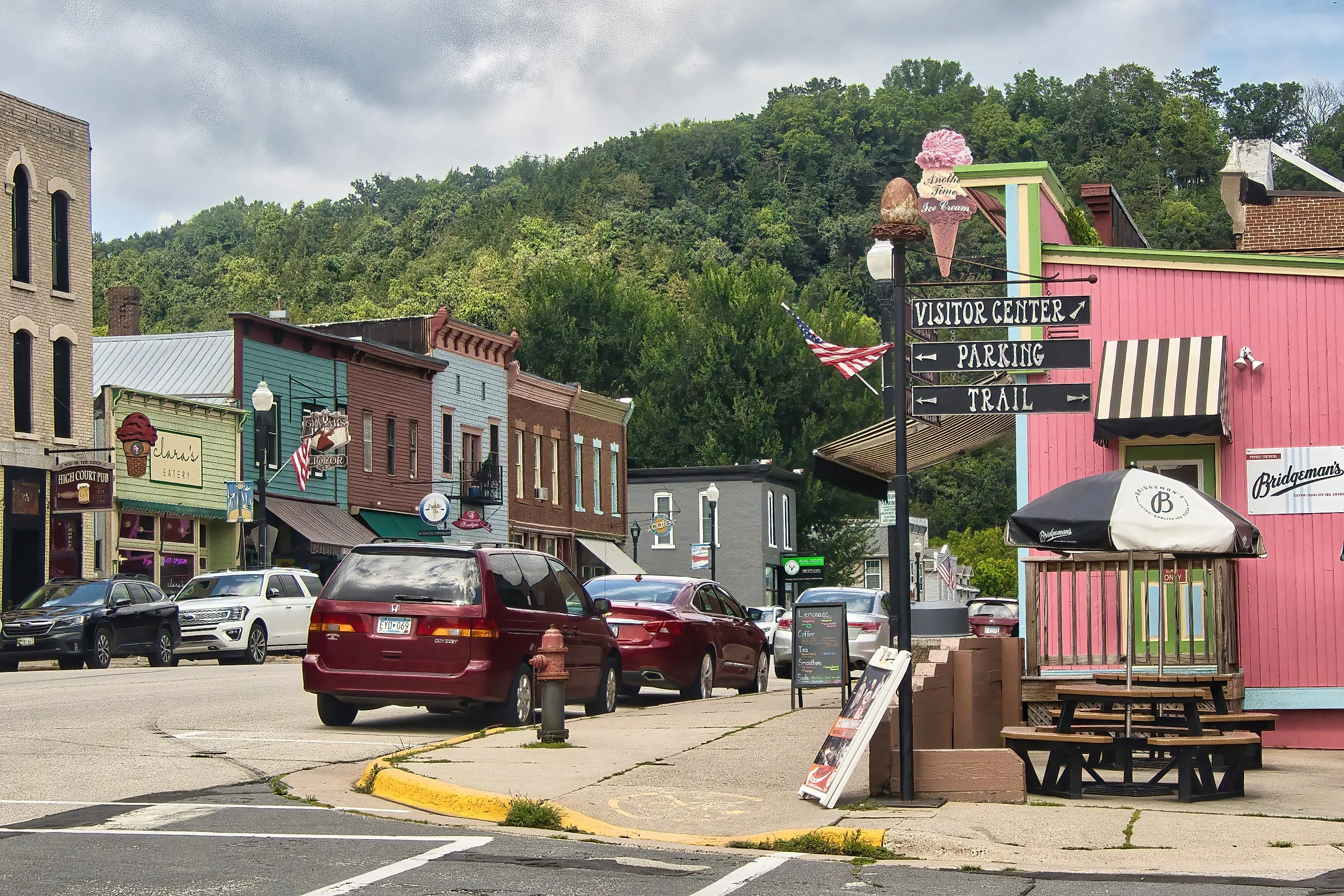
6 Minnesota Towns Where Time Stands Still
Some states save their history for museums, but Minnesota doesn't have to; it has woven it into everyday life. This is a place where you can sleep in a Victorian-era river town, walk out to a Lake Superior lighthouse at golden hour, and tour a grand estate that still looks ready for a 1900s summer party. These six towns, from Red Wing to Little Falls, feel like living time capsules. If you’re craving a trip that swaps big-city rush for slower sidewalks, local museums, and places with deep roots, this is Minnesota at its most rewarding.
Red Wing

Located on the banks of the Mississippi River, Red Wing is a peaceful town with a wealth of architectural beauty, thanks to its rich history. Today, Red Wing's history is evident in its well-preserved historic buildings, such as the St. James Hotel. The hotel, a beautiful brick building right on Main Street, has been part of the community since 1875. The Victorian-era architecture and luxurious accommodations will transport visitors back in time.

Another iconic historical landmark in town is the Red Wing Shoe Company's flagship store. Located in a historic brick building on Main Street, the store is home to the Red Wing Shoe Museum, the world’s largest boot, and the factory outlet area. Another one of the town's most beloved historic places is the Red Wing Barrel House, often described as Minnesota’s first bar. Dating back to 1886, the bar still operates today. Visitors can savor fine dining and sip local craft beverages while taking in the historic atmosphere.
Grand Marais

Grand Marais has long been recognized for its unique geography, including the striking twin harbors. The Ojibwe people first lived in the area, and later Grand Marais became a bustling fur-trading station. The French Canadian voyageurs who settled there called it Grand Marais, meaning Great Marsh. Today, Grand Marais is no longer a hub of fur trading, but its history lives on in its historic architecture and geographic wonders.
The Cook County Museum, located on Broadway Ave, is one of the best spots in town to learn about the area's history. Located in the old Lightkeeper's House, dating back to 1896, the museum has a vast collection of over 44,000 artifacts, photos, and documents. Some of the exhibits show the settlement of the North Shore, transportation on Lake Superior.

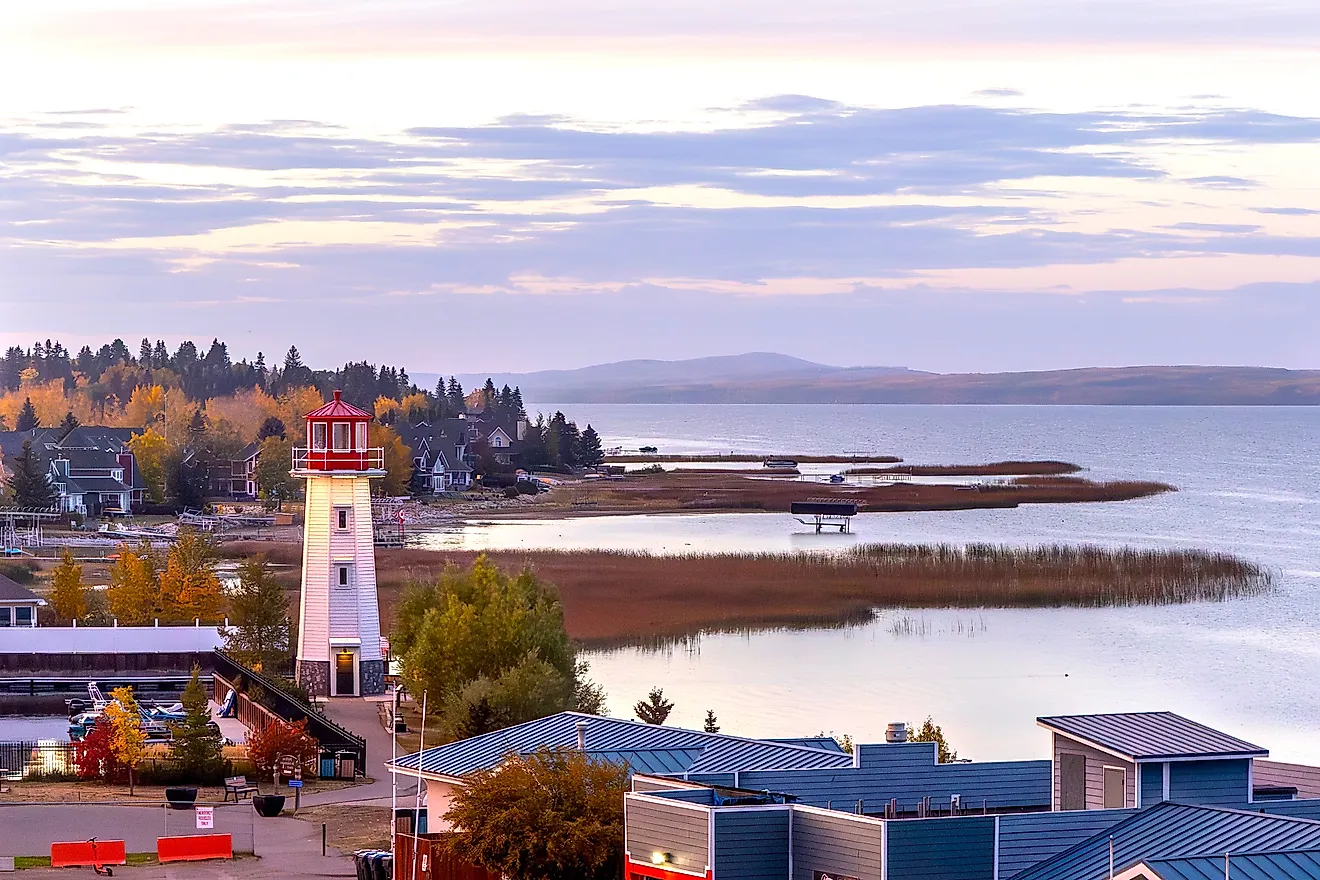
One of the main draws of Grand Marais is the area's stunning natural beauty. Artist Point is one of the most popular places to see the beautiful surroundings of Lake Superior. The piece of land called Artist Point juts out onto Lake Superior. Visitors can enjoy walking along the rocky shoreline, with lush trees lining the way. While you are at Artist Point, check out the Grand Marais Lighthouse, which sits on a breakwater. Amongst Lake Superior's waves, the lighthouse stands tall. This is a great spot to capture some stunning photos, especially during sunrise or sunset.
Ely

Ely is a sleepy place on Shagawa Lake, at the east end of the Vermilion Iron Range. Walking around here, it is easy to imagine stepping back to a quieter time. In the late 1800s, iron ore was discovered, and the town had a brief mining boom. Mining declined as taconite rose and steelmaking changed; the last mine in the area closed in 1967. To experience this part of the town's history, visit Lake Vermilion-Soudan Underground Mine State Park. Walk along beautiful hiking trails above ground before exploring the rich history underneath. Visitors can enjoy tours of the mine that go through the underground area of the park. Explore the fascinating artifacts and learn how mining shaped the community.
If you want to learn about Ely's history without venturing underground, visit the Ely-Winton Historical Society. Their museum has an extensive collection of photographs and artifacts documenting the area's rich history. The historical society also hosts "History Nights," where historians, residents, and guests gather to share stories about the town's past. This is a unique way to connect with the community and the town's past.

Today, people visit Ely for the stunning natural beauty and variety of outdoor activities. One of the town's most beloved treasures is the Boundary Waters Canoe Area Wilderness. This is a paradise for canoeing and kayaking enthusiasts. Paddle through lakes surrounded by pristine wilderness. Whether you are an experienced paddler or a beginner, there is a route suitable for you.
New Ulm

Even though New Ulm is in Minnesota, its rich German heritage will make you feel as though you have traveled to Europe. New Ulm was founded in 1854 by German settlers. The town celebrates its German history with German architecture, festivals, and cultural landmarks. An iconic landmark that visitors will not miss is the Hermann Heights Monument, built to honor the Germanic hero Hermann the Cheruscan. The monument is a towering 102 feet tall and dates back to 1897. There is an observation deck that visitors can climb to get an amazing photo of the skyline. Hermann Heights Park surrounds the monument and is a great spot to unwind after and enjoy an afternoon picnic in the shady areas.

New Ulm's downtown is rich with history, evident in its historic architecture. Some of the buildings even survived the 1862 Dakota War. One of these is the Kiesling House. The wood-framed house is the last of its kind in the area. Today, the home is open to visitors and serves as a museum with exhibits that teach about early pioneer life. A unique historic building in New Ulm, the Wanda Gag House stands out for its green, red, and blue exterior. Built in 1894, the house was once the home of author Wanda Gag. Now a museum, visitors can tour the rooms showcasing her beloved work.
Lanesboro

Located in the Root River, Lanesboro is a romantic hamlet that blends natural beauty, cultural creativity, and deep historic roots. A historic milestone for the town was in 1868, when the Lanesboro Stone Dam was completed. This provided power for sawmills and gristmills in the area. The dam is still standing today and is one of six gravity arch dams left in the United States. It is even listed on the National Register of Historic Places, making it a unique landmark to visit. Visitors should have their cameras ready to capture this wonder.
Another important part of Lanesboro's history was the arrival of the railroad, making Lanesboro a hub of commerce and travel. The 1980s brought a new chapter to Lanesboro when an abandoned rail line was transformed into a remarkable trail, attracting adventurers to the area. This trail, the Root River State Trail, still brings cyclists, hikers, and outdoor enthusiasts from across the Midwest to Lanesboro. Visitors can enjoy outstanding views of limestone bluffs, lush green landscapes, and historic towns as they walk. The entire trail is 42 miles long, running alongside the Root River from Fountain to Houston.

Walking around downtown Lanesboro, the town's past comes to life through the brick buildings lining the streets. Nowhere is this more true than at the Lanesboro Museum. The museum is a three-story, beautiful brick building, and inside are unique exhibits showcasing the town's history. They have everything from old photographs to old clothing and tools from people in the town.
Little Falls

Last on this list is one of Minnesota's oldest towns, Little Falls. Also first inhabited by the Ojibwe indigenous tribe, Little Falls was later settled in 1848. Visitors can explore the town through historical tours and museums that tell the stories of the area's past. Take a step back in time on a guided tour of the Linden Hill Historic Estate. The elegant estate is listed on the National Register of Historic Places and is just a short walk from historic downtown Little Falls. Originally, the estate was the home of Charles A Weyerhaeuser and his family. Today, it serves as a museum, telling the story of local life from the 1890s to the 1980s.

After exploring the Linden Hill Historic Estate, head over to Little Falls' historic downtown. Walking around, browsing the local shops, and stopping in at the Great River Arts Center. The nonprofit arts organization showcases the work of local artists, embodying the town's creative spirit. Afterwards, explore some of downtown's other unique sites, such as the Minnesota Fishing Museum. Just a 15-minute walk from the Arts Center, this is a spot for anyone who loves to fish. Visitors can admire a collection of fishing-related memorabilia and artifacts that trace the heritage of freshwater angling in Minnesota.
In a world that moves fast, it can be refreshing to slow down, reflect, and learn about the past. Small towns often offer a unique respite from the hustle and bustle of modern life. Whether you are a local wanting to learn more about your state or a traveler looking for new towns to visit, these six towns make great places for your next day trip. While many people travel to Minnesota to visit its exciting natural places, the six towns mentioned here stand still in time, offering a deeper look into Minnesota's rich cultural heritage. There are guided tours of historic mansions, museums, and iconic landmarks to discover that make you feel as though you are walking through a portal to the past. The brick historic buildings and quaint museums found in these towns are also reminiscent of a simpler time, making for a relaxing vacation spot. You are sure to leave your trip feeling refreshed.