10 Most Scenic Road Trips to Take on the Gulf Coast
Highway 30A packs a full row of Florida beach towns into 24 miles, pastel cottages and turquoise water stacked one after another. Past the Panhandle, the drives thread Louisiana marshes thick with alligators, climb into the West Texas mountains, and reach barrier islands where the sand stretches for miles. Strung along a thousand miles of coast, each one bends back to salt water in the end. The ten road trips below make the case for taking the long way along the Gulf Coast.
Highway 30A, Florida - The Emerald Coast Drive

The Emerald Coast drive centers on Highway 30A, a 24-mile coastal road through the Emerald Coast beach towns west of Panama City Beach. Beginning near Fort Walton Beach and Destin, it links Santa Rosa Beach, Grayton Beach, and the planned community of Seaside, known for its pastel cottages and a turn as the set of The Truman Show. The white sand and turquoise water remain constant, while the architecture changes town to town. East of 30A, Highway 98 continues to Port St. Joe, with the quiet beaches of St. George Island a short detour south.
Lake Village to the Gulf Coast - The Mississippi Run

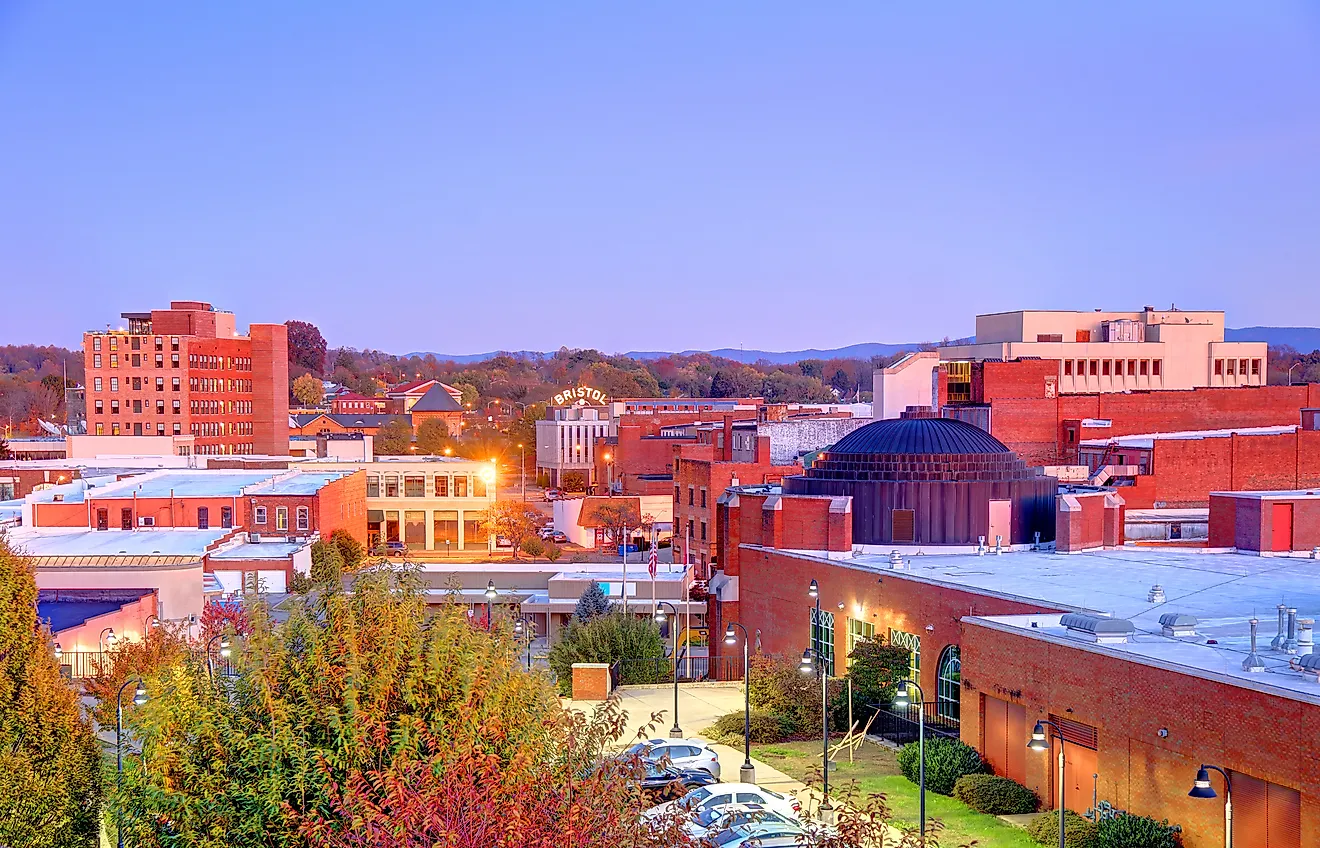
Lake Chicot, the largest natural lake in Arkansas, marks the start of this 340-mile run down the lower Mississippi River, a drive of two or three days. Lake Village stands on its shore, and the route heads into Mississippi for Vicksburg, where the national military park preserves the ground of the 1863 siege that split the Confederacy. Natchez comes next, with its antebellum mansions on the bluffs above the river. The route then continues south through Louisiana to Baton Rouge, a reliable stop for Creole cooking like gumbo and jambalaya, before ending in New Orleans, where the river rolls on toward the Gulf below the city.
New Orleans to Tallahassee

New Orleans and Tallahassee bookend this 387-mile drive. The New Orleans French Quarter, with three centuries of architecture in a walkable grid, makes the obvious start. Heading east, Mobile offers the USS Alabama at Battleship Memorial Park and the Mobile Botanical Gardens. The drive ends in Tallahassee, where several canopy roads stretch for miles beneath arching live oaks draped in Spanish moss.
Alabama's Coastal Byway Adventure

At 92 miles, this is the shortest drive on the list, and it hugs the water the whole way. It begins in Destin, Florida, then crosses into the Pensacola area, where Fort Pickens and Fort Barrancas guard the entrance to the bay. Orange Beach, Alabama, comes next, with watersports and waterfront restaurants, followed by Gulf Shores and the dunes and trails of Gulf State Park. The drive closes at the Bon Secour National Wildlife Refuge, a nesting ground for sea turtles and migratory birds.
Fort Myers to Port St. Joe

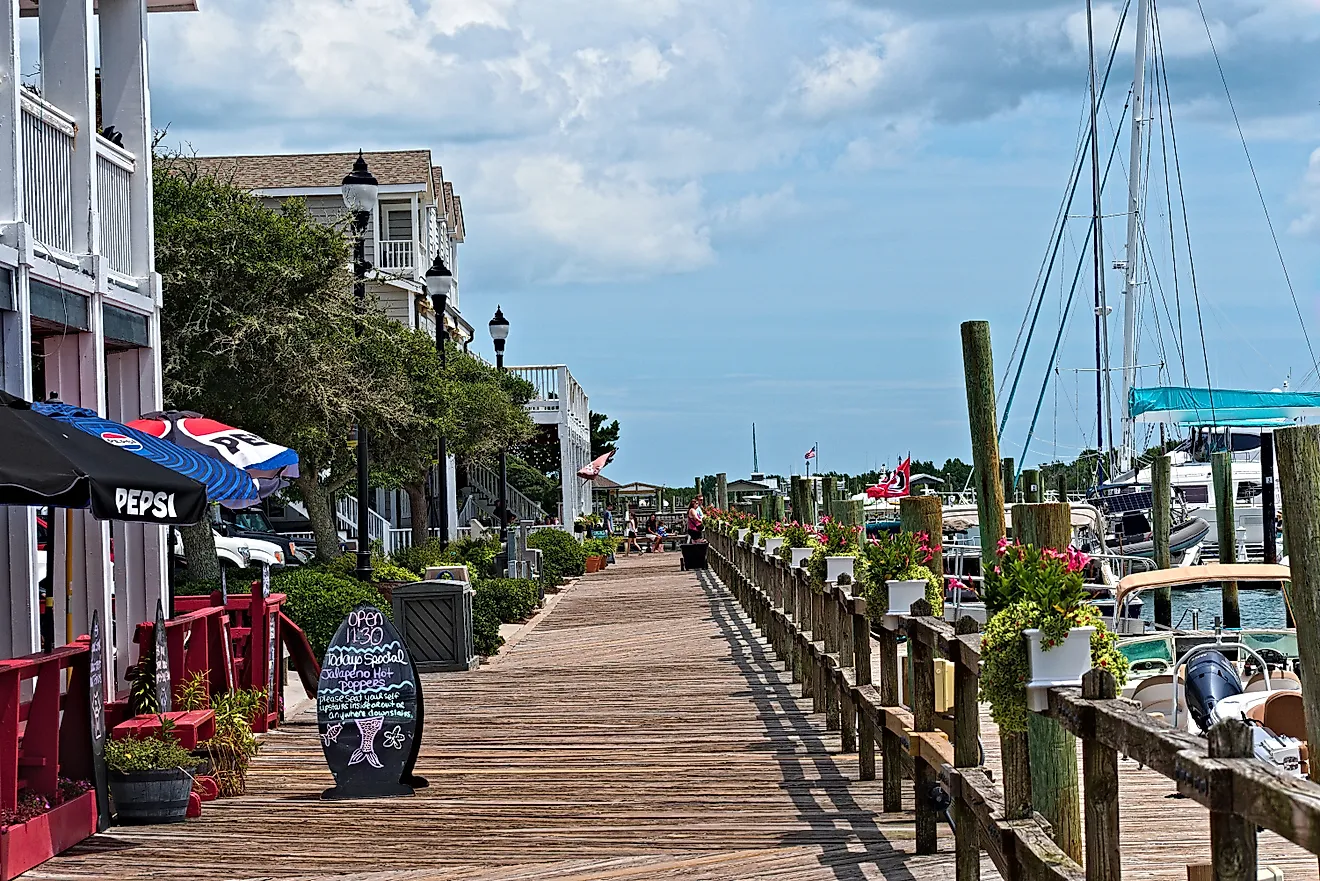
Florida's Gulf side carries this 440-mile drive north over three or four days. It begins in Fort Myers, where the side-by-side winter estates of inventor Thomas Edison and automaker Henry Ford stand along the Caloosahatchee River. Tampa follows, with the Cuban, Spanish, and Italian cooking of the historic Ybor City district. The coast then leads the route north toward Port St. Joe, with overnight stops at small Gulf towns like Cedar Key along the way.
The Texas Coastal Wildlife Tour

Birds and barrier islands are the theme of this 221-mile Texas route. It begins at Padre Island National Seashore, which protects 66 miles of undeveloped shoreline, the longest stretch of barrier island anywhere in the world. The route then passes through Corpus Christi to the Aransas National Wildlife Refuge, wintering ground for the last wild migratory flock of whooping cranes. It finishes near Freeport, with the San Bernard National Wildlife Refuge and the Justin Hurst Wildlife Management Area offering two more stops for wildlife along the way.
Davis Mountains to Galveston Coast

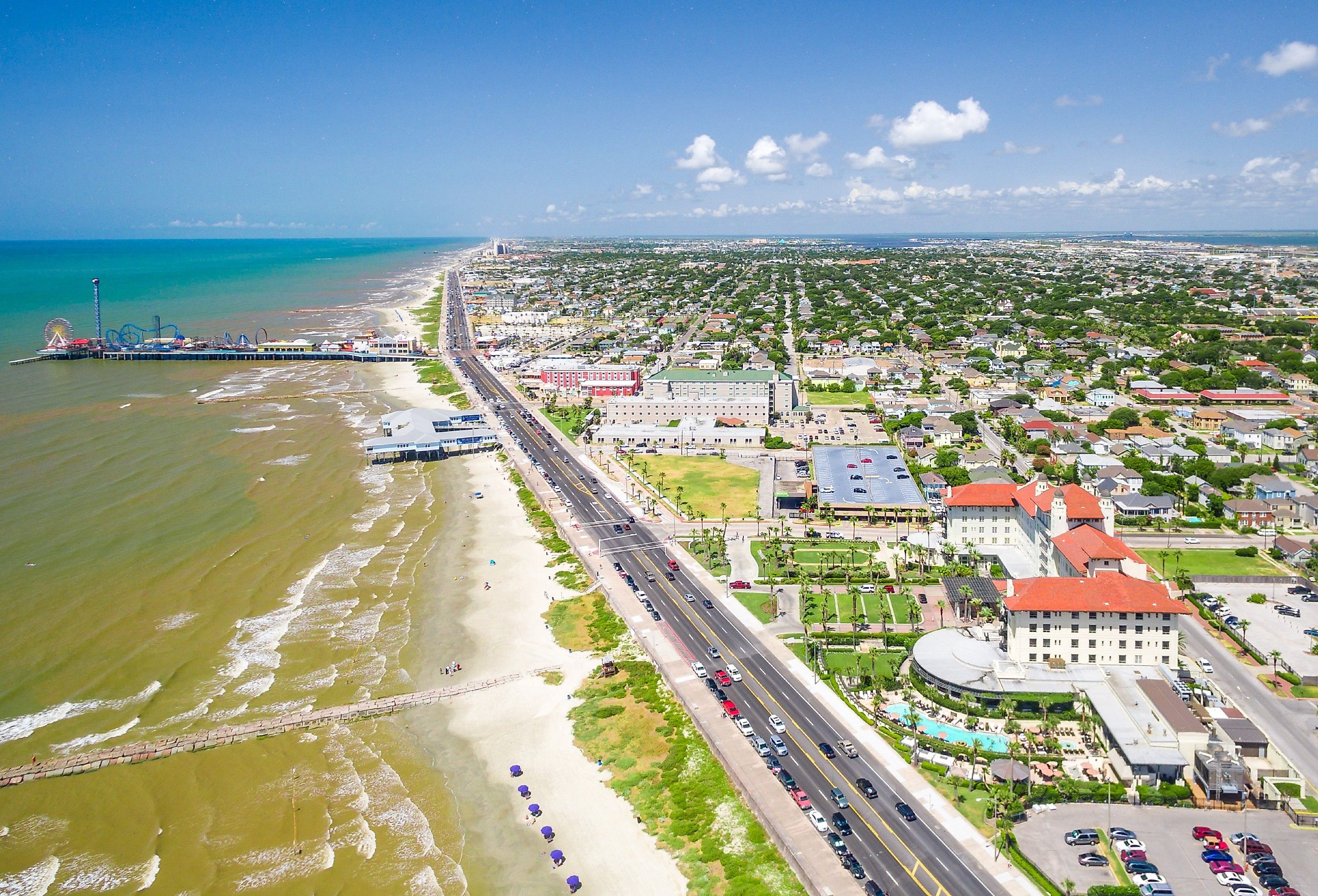
The longest trip here, more than 650 miles over two or three days, trades desert for coast. It starts in the West Texas highlands at Davis Mountains State Park, then heads east across open desert toward San Antonio and the Alamo, where Texas fought for its independence. Houston follows, with the Johnson Space Center and its mission-control history. The drive reaches salt water at Galveston, where the beaches of Galveston Island State Park lead east to the refineries and bird marshes around Port Arthur.
Lafayette to Beaumont

Cajun Lafayette, Louisiana, opens this 160-mile drive toward the Texas line. The route bends toward the coast through Creole, with a stop at Avery Island, home of the Tabasco sauce factory. It continues to Port Arthur, where Sabine Lake and the McFaddin National Wildlife Refuge open up wide views of marsh and water. The drive ends in Beaumont, Texas, with the Texas Energy Museum and a walk along the Neches Riverwalk.
Big Bend Scenic Byway, Florida

Florida's Big Bend Scenic Byway gives this 207-mile coastal drive its name. It starts in Tallahassee, the state capital, then heads south to the St. Marks National Wildlife Refuge and its 1831 lighthouse. Apalachicola comes next, an old oyster port where the John Gorrie Museum State Park honors the doctor who patented mechanical refrigeration in 1851. The route then turns west through Mexico Beach toward Niceville, with the spring-fed pools of Econfina Creek as a final stop.
Grand Isle to Cameron, Louisiana - Bayou Country

Coastal wetlands carry this 290-mile drive across southern Louisiana over two or three days. It begins on the barrier-island beaches of Grand Isle and works west through bayou country, with overnight options in Houma and Lafayette and a stop at Lafayette's Vermilionville living-history village. The wildlife is the constant, with Pointe-aux-Chenes Wildlife Management Area, Bayou Teche National Wildlife Refuge, and the Rockefeller Wildlife Refuge along the way. The drive ends near Cameron, the western point where it joins the Creole Nature Trail, the All-American Road that loops through the marshes of southwest Louisiana.
One Coast, Many Drives
The reward of a Gulf Coast road trip is the range packed into a single shoreline. One coast carries the antebellum river towns above the Mississippi, the Cajun country around Avery Island, the wintering whooping cranes at Aransas, and the canopy roads of Tallahassee. A route might take a long afternoon or most of a week, but it ends at the same warm water, with wildlife refuges, historic ports, and quiet beach towns spread along the miles in between. That mix is the whole argument for driving the Gulf end to end.