10 Amazing North Dakota Day Trips That Are Worth The Drive
The Great Plains state of North Dakota once awed pioneers crossing endless prairies. Today, you can take in the same country from the comfort of a car: the stomping grounds of George Custer, an angler's paradise on Devils Lake, the wetland "potholes" that sustain North America's waterfowl, and a Scandinavian heritage village. You can also see a recreated Wright Flyer in Fargo and a quarter-mile dirt track in Grand Forks. Here are 10 day trips across North Dakota worth the drive.
Starting City: Fargo
Fargo Air Museum

North Dakota has a long aviation history dating to the 1910s. Once you fly into Fargo, you can get up close to that history at the Fargo Air Museum, where the collection runs from the Wright Brothers era to today's unmanned drones. The museum holds one of the country's best replicas of the original Wright Flyer, the aircraft that first took to the air in 1903. It also features World War II fighters, including a North American P-51D Mustang, and a Douglas DC-3 transport. Other planes come from outside the U.S., such as an Aero L-39 Albatros jet trainer used in Warsaw Pact countries from the 1970s onward.
Depending on when you visit, you can attend events including interviews with veteran pilots and interactive story times for children.
Plains Art Museum

If you're in the museum mood, stay in town for the Plains Art Museum. Founded in Moorhead, Minnesota in 1965 and relocated to a renovated International Harvester warehouse in downtown Fargo in 1997, the museum holds a permanent collection of approximately 6,000 works alongside rotating exhibitions.
The permanent holdings include paintings, photographs, and ethnographic objects from Great Plains Native communities, with strong selections of beadwork, regional contemporary art, and works that bridge traditional and modern Indigenous practice. One ongoing exhibition, Fragile Preservation, focuses on the threatened tallgrass prairie ecosystem. Admission is free.
Fort Ransom State Park

About 90 minutes southwest of Fargo in the Sheyenne River Valley, Fort Ransom State Park takes its name from a military outpost established in 1867. The park's draws are its scenery along the North Country National Scenic Trail, its preserved pioneer structures, and its long homesteading legacy.
Activities range from ridgeline hiking to canoeing on the Sheyenne River. Several restored pioneer buildings now serve as overnight rentals, including the Percheron Wagon, which sleeps a small group with beds, a refrigerator, and basic amenities.
The best time to visit is in July or September, during Sodbuster Days, when volunteers demonstrate 1800s farm life with period food, tools, and crafts. In winter, the Pederson Hills Trail and others stay open for snowshoeing.
Starting City: Grand Forks
River Cities Speedway
If you arrive in Grand Forks on a Friday in summer, you can get the night started at the River Cities Speedway. Its quarter-mile dirt track runs hard under the wheels of modified cars and sprint cars, with crowd noise to match. It's one of the few active speedways in North Dakota, which makes it a destination for racing fans across the region.
The track record belongs to Jason Meyers at an average of 116.517 mph. Race nights typically feature NOSA Outlaw Sprints, NLRA Late Models, and Wissota Midwest Modifieds. Drivers often stick around for autographs after the checkered flag, and the on-site gift shop sells the usual track souvenirs.
Turtle River State Park

Many of North Dakota's natural treasures sit far from the major cities. Turtle River State Park is the exception, just 27 minutes west of Grand Forks in the Red River Valley. The park was built by the Civilian Conservation Corps in the 1930s, and its trails follow both the river and the surrounding hills. The Timber Loop runs through wooded ravines along the Turtle River, while the River View Trail tracks a ridge for the wide-angle take.
The river is stocked with rainbow trout, and the park office lends fishing gear to children for free. Several trails, including the Hollows, are maintained for cross-country skiing and fat biking through the winter.
Grahams Island State Park

For travelers who want a lake destination, Grahams Island State Park is the choice. The park sits on the largest island in Devils Lake, the largest natural body of water in North Dakota. The drive from Grand Forks runs about 75 miles west on US-2, and the causeway that connects the mainland to the island is itself a scenic stretch. The park is set up for serious anglers, with a bait shop, a fish-cleaning station, and a boat ramp. The Devils Lake Chamber Walleye Tournament every June draws competitors from across the upper Midwest.
The park also protects 130 native plant species, viewable from trails like the Sivert Thompson Loop through ash and oak woods. In winter, the Cross-country Ski Trail puts you out on the lakeshore with the kind of cold-weather quiet only the northern plains produce.
Starting City: Minot
Scandinavian Heritage Park

Minot sits in the heart of North Dakota's Scandinavian belt, settled heavily by Norwegian, Swedish, and Danish immigrants in the late 1800s. Scandinavian Heritage Park is the town's tribute to that history. The centerpiece is a full-scale replica of the Gol Stave Church, the original of which dates to around 1200 in Norway and combines Christian iconography with Norse motifs including dragon heads at the roofline.
Other features include a 25-foot Dala horse from Sweden, a Danish windmill, a Finnish sauna, and monuments to Scandinavian figures including Leif Ericson, the Norse explorer credited with reaching North America around 1000 AD. The park aims to represent all five Nordic countries. Norsk Høstfest, often called the largest Scandinavian festival in North America, runs every September at the nearby North Dakota State Fair Center and is associated with the heritage park's mission.
Roosevelt Park Zoo

The Roosevelt Park Zoo, named after Theodore Roosevelt, is a strong stop for families. The zoo opened in 1920 and now spans species from across the world, including African lions, Humboldt penguins, an Amur tiger, and a Bactrian camel.
Kids ages 2 to 5 can join Zoo Tots classes, which combine crafts, story stations, and short keeper talks. For older visitors, the zoo offers staff-guided animal encounters with sloths, okapis, and a Tiger Encounter that gets you close to the big cat behind the safety glass.
Audubon National Wildlife Refuge

About 70 miles south of Minot, the Audubon National Wildlife Refuge sits in the heart of North Dakota's Prairie Pothole Region, named for the small wetland depressions left behind by retreating glaciers. The potholes function as nesting grounds for waterfowl, with biologists estimating the broader region produces more than half of North America's breeding ducks.
The refuge covers 14,735 acres, with an 8-mile auto tour route running past the lakeshore, wetlands, and prairie grass. Several short hiking trails branch off the route for closer wildlife viewing, and the visitor center is worth a stop for the orientation exhibits. Hunters can pursue deer or pheasant in season under refuge regulations.
Fort Abraham Lincoln State Park

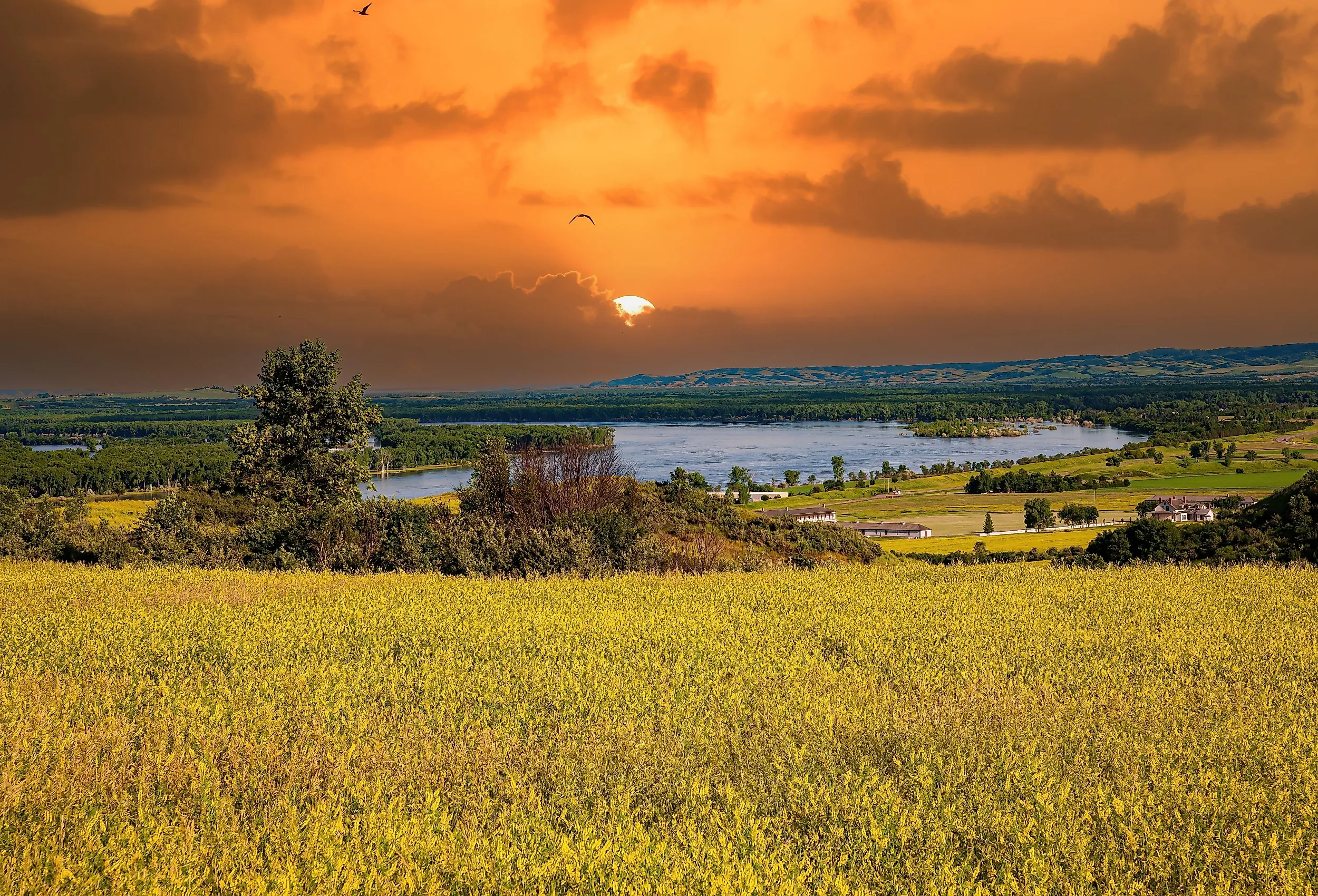
Fort Abraham Lincoln State Park sits in Mandan, just south of Bismarck and roughly two hours south of Minot. It's a longer drive than the others on this list, but the historical weight of the site justifies the trip. This is where Lieutenant Colonel George Armstrong Custer commanded the 7th Cavalry from 1873 until May 1876, when he led the regiment out on the campaign that ended five weeks later at the Battle of the Little Bighorn in Montana.
Established in 1907, Fort Abraham Lincoln is the oldest state park in North Dakota. You can tour a reconstruction of Custer's House (the original burned in 1888), where Custer lived with his wife Elizabeth, called Libbie, until his final departure. The park also preserves On-a-Slant Village, a reconstructed earthlodge settlement that housed a Mandan community for several centuries before smallpox devastated the population in the 1780s. The Little Soldier Loop Trail offers views of the Missouri River from the bluff above.
Discovering The Beauty Of North Dakota
What ties these day trips together is that the beauty here is shaped by the people and animals who built lives on this land. You can watch pioneer demonstrations at Fort Ransom's Sodbuster Days, walk through a Mandan earthlodge village at Fort Abraham Lincoln, count migrating waterfowl by the thousand at Audubon NWR, or stand in front of a Norwegian stave church replica in Minot. Each destination is reachable in a day from one of North Dakota's larger cities, and each one rewards the drive.