10 Picture-Perfect Towns in the Southern United States
The Southern United States covers an extraordinary range of landscape. Appalachian peaks rise across the Carolinas and Tennessee, white-sand barrier islands stretch down the Gulf coast all the way to Florida, and antebellum districts dot the inland river towns. St. Augustine is the oldest continuously inhabited European-founded city in the contiguous U.S., founded in 1565. Beaufort holds one of the most preserved antebellum districts in the country. Jonesborough is the oldest town in Tennessee, founded in 1779. Here are 10 striking small towns across the South.
St. Augustine, Florida

St. Augustine was founded by Spanish admiral Pedro Menéndez de Avilés in 1565, making it the oldest continuously inhabited European-founded city in the contiguous U.S. The Castillo de San Marcos, completed in 1695, is the centerpiece. Its walls are built of coquina (a sedimentary rock made of compressed seashells) which absorbed cannon fire rather than shattering, helping the fort survive multiple sieges. Historic downtown spreads out from the fort along narrow streets shaded by live oaks. The Bridge of Lions on A1A connects the historic district to Anastasia Island and its barrier-island beaches. Bed-and-breakfasts like the St. Francis Inn (built around 1791 and operating as an inn since the 1840s) anchor the lodging scene.
Charleston, South Carolina

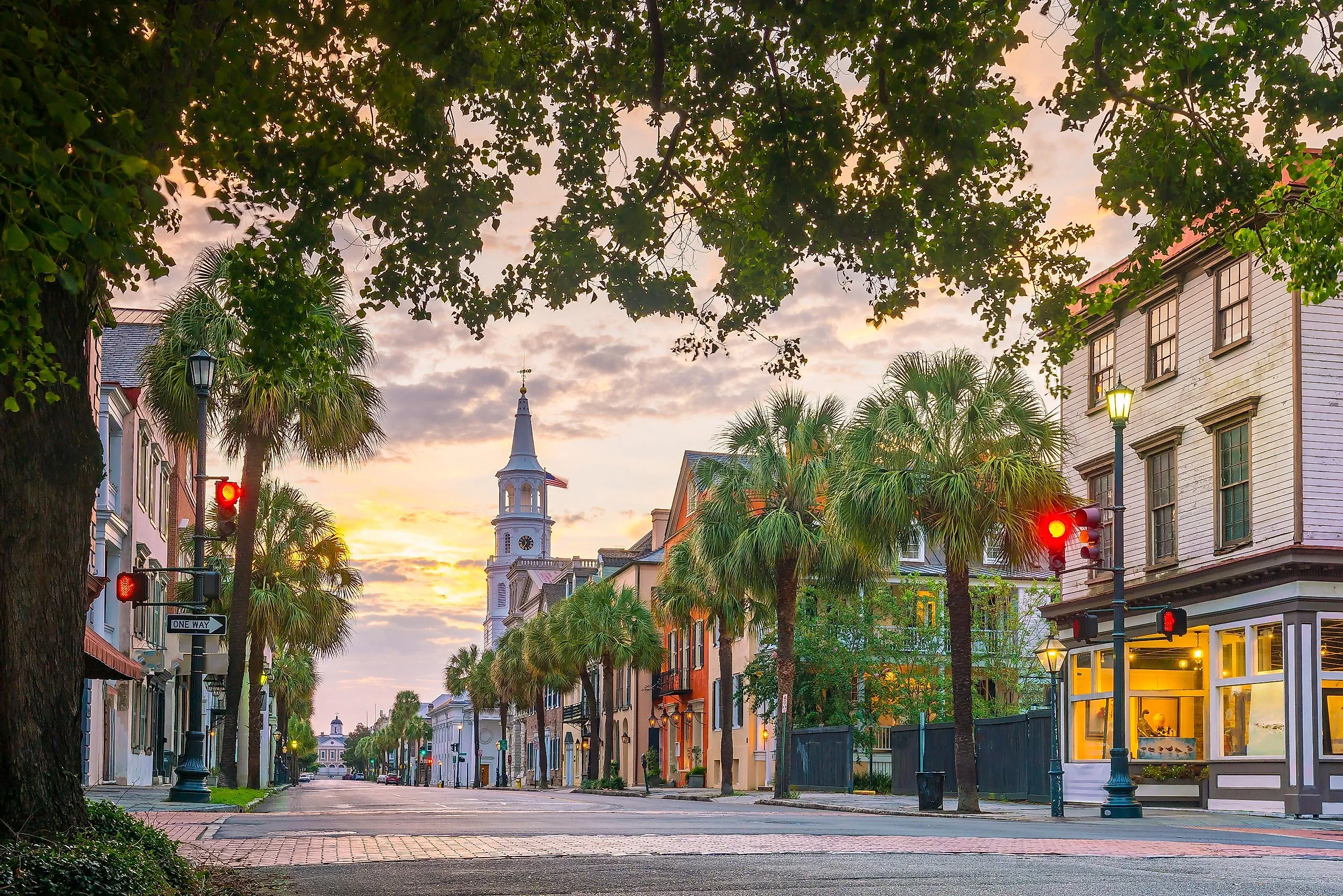
Charleston is anchored by the historic peninsula bounded by the Ashley and Cooper Rivers. The walkable downtown holds cobblestone streets, pastel-painted antebellum mansions, and horse-drawn carriages on tour routes. King Street, the Battery, and the Charleston City Market are within walking distance of one another. Charleston has hosted Spoleto Festival USA since 1977, the American counterpart to the Festival dei Due Mondi in Spoleto, Italy. The Patriots Point Naval and Maritime Museum sits across the Cooper River in Mount Pleasant and includes the USS Yorktown aircraft carrier and the USS Laffey destroyer. The city's restaurant scene is one of the strongest in the country, with several James Beard Award winners.
Blowing Rock, North Carolina

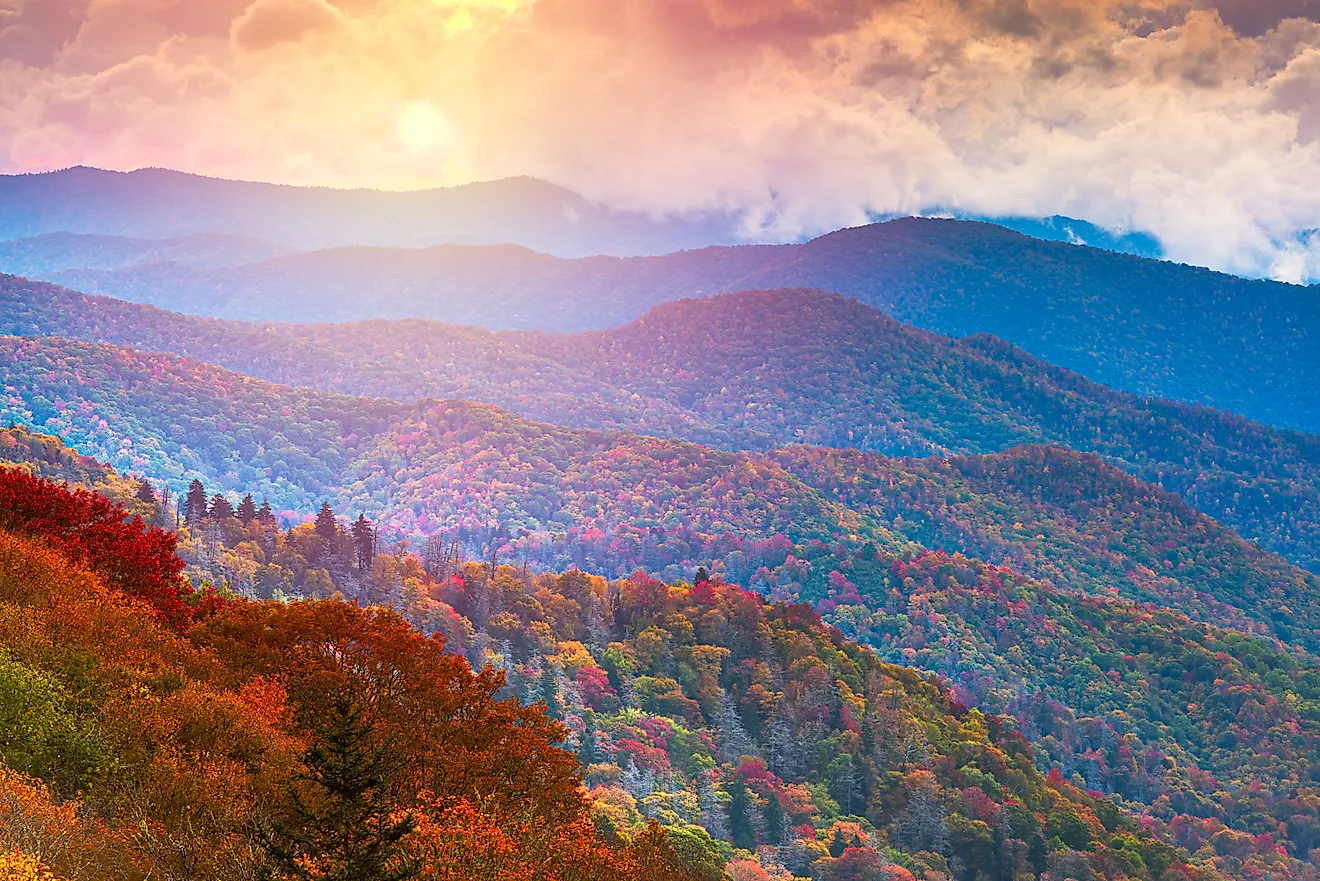
Blowing Rock sits near the Blue Ridge Parkway at about 4,000 feet elevation, named for the cliff that overlooks the Johns River Gorge roughly 1,500 feet below. The town has stately mansions like Cone Manor (Flat Top Manor), built in 1901 and now part of the Moses H. Cone Memorial Park along the Parkway. Blowing Rock has long been a summer retreat for the Carolina Piedmont. Downtown's wooden buildings and storefronts hold high-end shops, local artisan galleries, and a "cultural corner" at the end of Main Street. The town comes alive in fall foliage season when the surrounding peaks light up with red and orange.
Fairhope, Alabama

Fairhope sits on the eastern shore of Mobile Bay with downtown streets lined by oak trees draped in Spanish moss. The town was founded in 1894 as a single-tax colony based on the economic theories of Henry George. The Grand Hotel Resort, just north of town in Point Clear, has roots going back to 1847 and is one of the oldest continuously operating resorts in the South. Downtown Fairhope is walkable with art galleries, locally owned shops, and the Fairhope Museum of History. The Eastern Shore Trail runs along the bay between Daphne and Fairhope. Henry Stuart's round concrete hut at nearby Tolstoy Park, built in 1925 after a TB diagnosis sent Stuart to the country (he stayed for two decades), is open to visitors off Highway 98.
Franklin, Tennessee

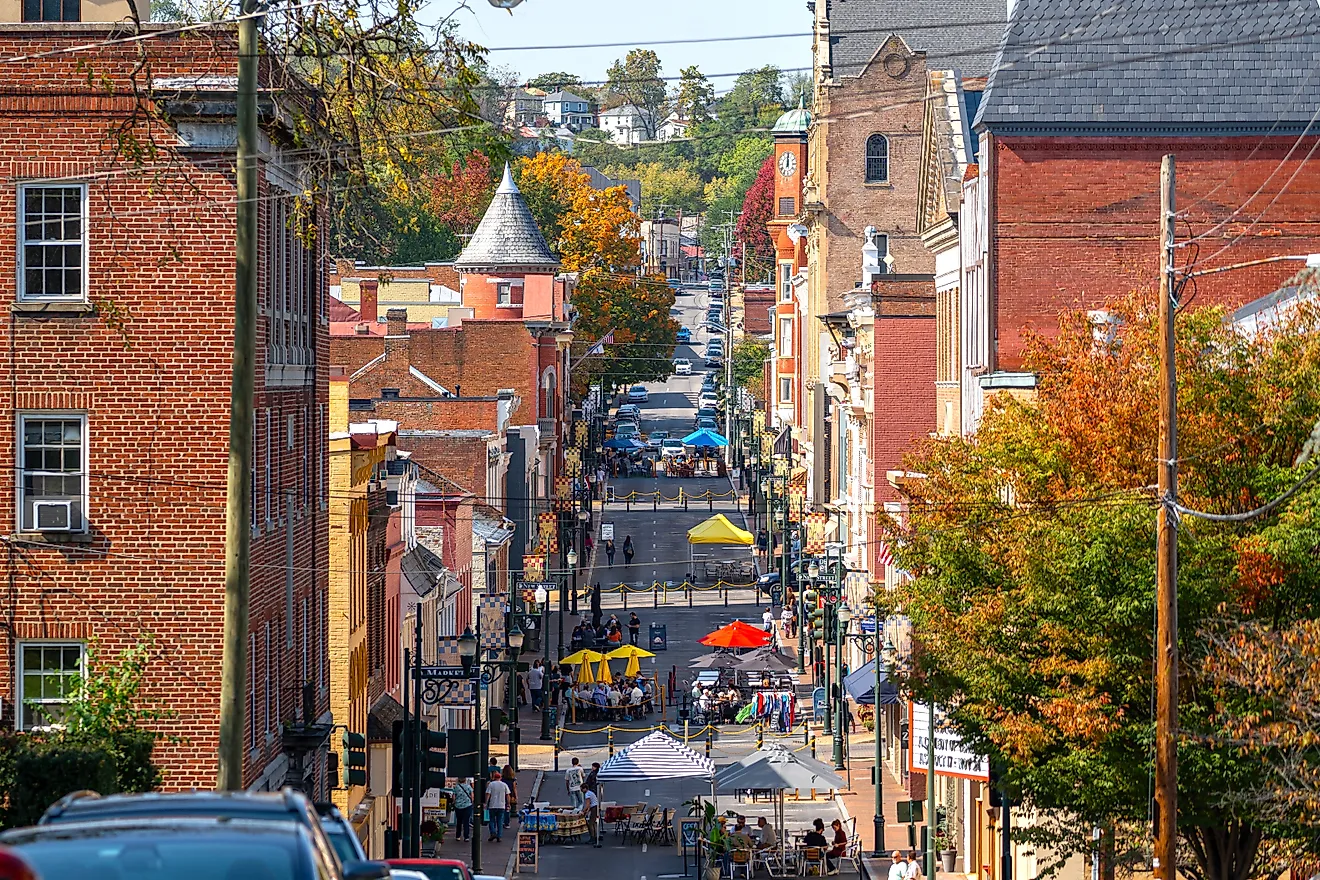
Franklin in Williamson County was the site of the Battle of Franklin in 1864, one of the bloodiest few hours of the Civil War. The Carter House and Carnton, both at the heart of the battle, are open for tours. The McGavock Confederate Cemetery on the Carnton grounds holds 1,481 Confederate dead. The Lotz House, an 1858 frame home, holds 19th-century furnishings and battlefield artifacts. Downtown Franklin's 16-block historic district is one of the best-preserved in the South, lined with brick buildings and neon signs from another era, and was designated a Great American Main Street by the National Main Street Center.
Beaufort, South Carolina

Beaufort (pronounced "BEW-fert") sits on Port Royal Island, one of South Carolina's Sea Islands. The Beaufort Historic District covers 304 acres of the downtown core and was designated a National Historic Landmark in 1973. The signature is the abundance of antebellum mansions, especially in the downtown grid where Spanish moss-draped oaks frame nearly every block. The John Mark Verdier House Museum, an early 19th-century Federal-style home, is one of the more accessible tour stops. Beaufort has appeared in films including Forrest Gump, The Big Chill, and The Prince of Tides. Hunting Island State Park just east of town has 5 miles of undeveloped beach and a 19th-century lighthouse.
Madison, Georgia

Madison sits in Morgan County along Interstate 20. Local legend has long held that Union General William Tecumseh Sherman spared the town from his 1864 March to the Sea, supposedly because of pre-war ties to Senator Joshua Hill, though historians have largely set that story aside in favor of a more complicated explanation. Whatever happened, a substantial portion of antebellum Madison survived intact, and the town now has one of the largest historic districts in the state with more than 100 contributing buildings. Heritage Hall, the Rogers House, and the Rose Cottage are all 19th-century homes open for tours. The Morgan County African-American Museum sits in the late-1800s home of John Wesley Moore and covers regional African American history and art.
Maysville, Kentucky

Maysville sits on the Ohio River with a population just under 9,000. The town was a critical Underground Railroad crossing point: the river marked the line between slavery and freedom, and Maysville sat directly across from free Ohio. The National Underground Railroad Museum on Sutton Street tells those stories. The Harriet Beecher Stowe Slavery to Freedom Museum honors the author of Uncle Tom's Cabin, who is said to have visited the area in the 1830s and based at least one scene on what she observed. Downtown holds the 1887 Romanesque Cox Building, the historic Russell Theatre, and the Old Pogue Distillery on the bluffs above. The Dover Covered Bridge in nearby Dover, built in 1835, is one of the oldest covered bridges in Kentucky and a popular short detour from town.
Jonesborough, Tennessee

Jonesborough in Washington County is Tennessee's oldest town, founded in 1779 (17 years before Tennessee became a state). For four years between 1784 and 1788, Jonesborough served as the capital of the proposed State of Franklin, a breakaway region named for Benjamin Franklin that sought admission to the Union as the 14th state but never gained recognition. Main Street is over 200 years old. The Chester Inn Museum, in a 1797 inn, is one of the oldest commercial buildings still standing in Tennessee. The Jonesborough Historic District (the entire downtown) has been on the National Register since 1969. Jonesborough is the self-styled storytelling capital of the world and hosts the National Storytelling Festival every October, drawing crowds from across the country.
Oxford, Mississippi

Oxford is home to the University of Mississippi (Ole Miss) and to William Faulkner, who lived at Rowan Oak from 1930 until his death in 1962. The home is now a literary house museum operated by the university. The Square downtown is the cultural and economic core, ringed by Greek Revival storefronts and anchored by Square Books, an independent bookstore that has hosted authors from John Grisham to Toni Morrison. Neilson's, founded in 1839, is the oldest continuously operating department store in the South. The town has a strong restaurant scene and serves as the literary capital of the state, with regular author events and the annual Oxford Conference for the Book.
The South's Most Striking Towns
St. Augustine's coquina-stone fort, Jonesborough's storytelling festival, Oxford's literary heritage. These 10 towns cover most of what makes the American South worth a closer look. The history runs deep, the architecture survives in unusually intact form, and the pace stays measured. Walking under live oaks draped in Spanish moss is one of the better ways to spend an afternoon in this part of the country.