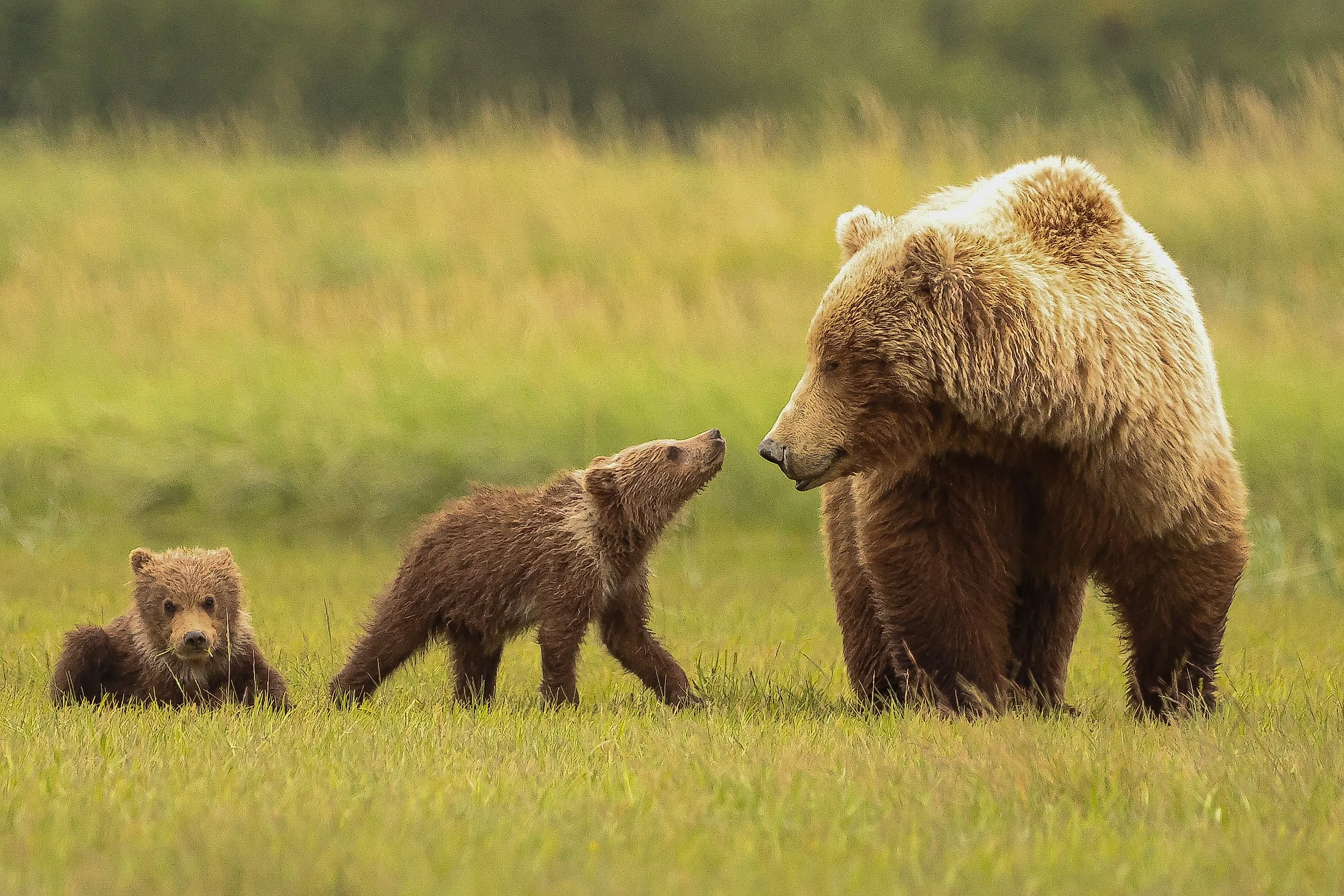
What Happens If You Feed Wildlife In A National Park
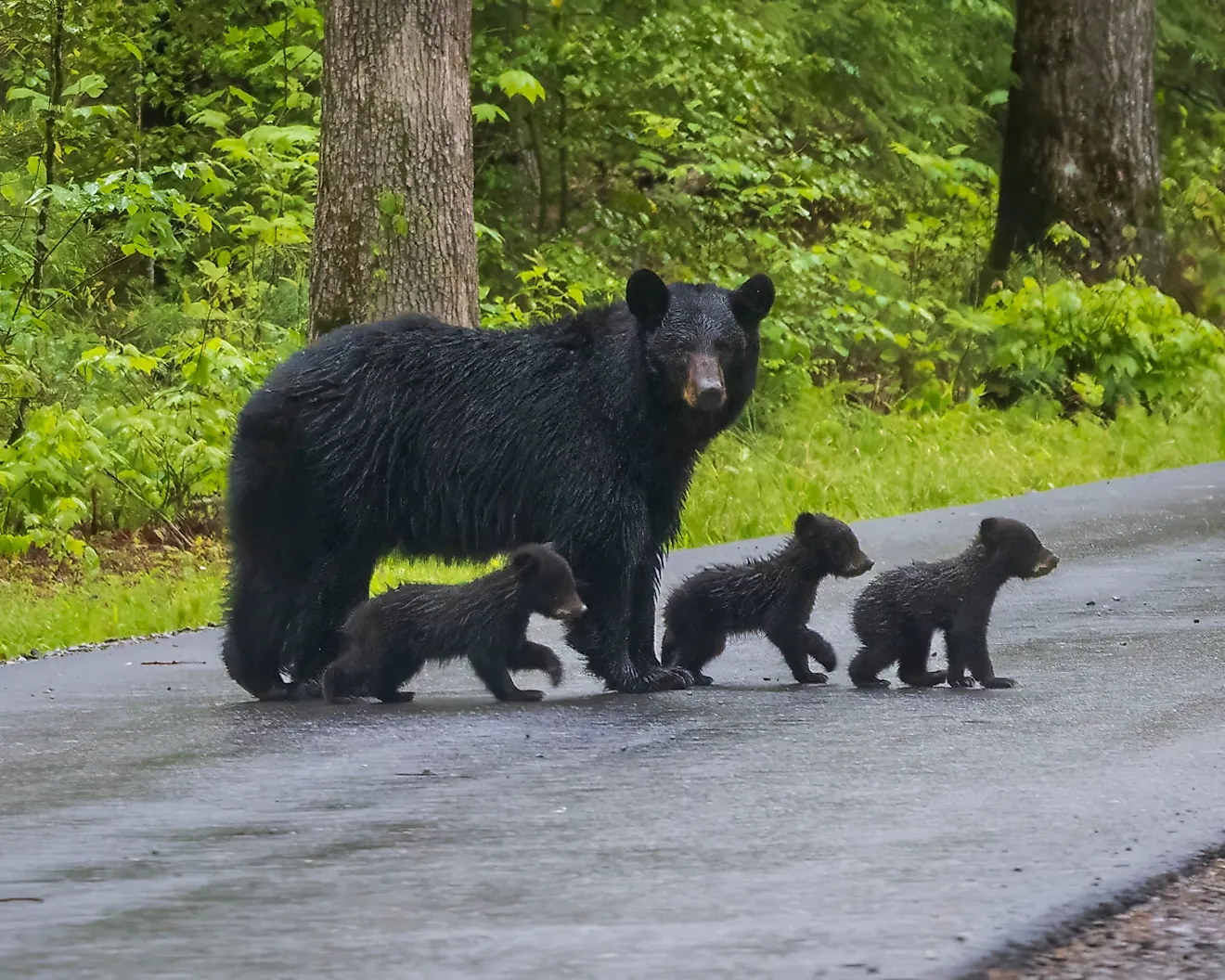
Visit one of the 63 National Parks in the US, and you can expect to find breathtaking scenery, from tall mountains to colorful foliage and raging rivers. And then there are the wild animals. Visitors look forward to seeing bears, foxes, and bison in their natural habitat. We want to get as close as we can because other than zoos, we have few opportunities to see these animals in person. Some visitors want to get even closer and think they can make that happen by tempting the animal with food. Those baby raccoons are so cute that feeding them by hand seems harmless. However, this is what actually happens when we feed animals inside of a National Park.
Harm to the Animal

You might think that you are helping the wildlife by giving them an additional food source. How could a few pretzels hurt, you might wonder? However, an animal's nutritional needs are significantly different than those of a human, although we might argue that some of those snacks aren't so great for us either. Many elements of our diets are not ideal for wildlife and may even harm them. The balance of sodium, fats, carbs, and others are designed for our bodies, but they are not designed for other species. Even feeding them pet food can undermine their health. Remember that dog food, for example, is created to suit the exact nutritional needs of dogs specifically. You might try to mirror the diet of a wild animal by giving seeds to a squirrel, for example. But those are unlikely to be the exact seed that squirrels will forage on their own.
Even feeding people food to domestic pets isn't ideal. But at least you can monitor that, and perhaps over time the amount is negligible. But you can't control the behavior of hundreds of your fellow visitors. Put it all together and an animal may be receiving inappropriate food all day long. They will fill up on our snacks and will not feel hungry enough to forage or hunt for real food.
Some of our foods, if left sitting around, are still wrapped in plastics or foils. If the animal consumes those, damage or blockages can occur to their digestive tracts according to the US Fish and Wildlife Service.
And finally, consider the delicate balance of the food chain. If you feed the wildlife, they will not eat the food that is meant for them, and those populations could become too large. Their prey or plant diets will then not be consumed in ideal amounts, and down the chain it goes.
Danger to the Visitor

Getting close enough to feed a wild animal is asking for trouble, and the same holds true for trying to get a great photo opportunity, with or without food.
Of course, receiving food from humans is much, much easier than hunting or foraging for themselves. And so over time, animals start to be unafraid of people and can become quite aggressive if they don't get what they want and have come to expect.
Being unafraid of people does not mean that the animal has become domesticated. Unpredictably, they can bite, gore, or even kill people who get too close. Sometimes this is not intentional on the part of the animal that may not understand that your fingers are not part of the hot dog you are trying to give it.
Encounters with wild animals can also lead to property damage. Never mind your cooler, which has been destroyed by a bear, some larger animals can seriously damage your car.
Last, but not least, human/wildlife interactions can ultimately lead to euthanization of the animal if it has become aggressive. Although some animals can become aggressive without provocation, this is rare. Wildlife within National Parks have been given an opportunity to live in an environment where they are more likely to thrive than they might elsewhere. Being forced to euthanize them is tragic.
There are some species that are endangered, or were recently on the Endangered Species list. We can't afford to lessen their numbers.
Animals Most Likely to Hurt Humans

Most people assume that the most harm comes from larger animals, such as bear or bison. However, the largest number of reported incidents is from small mammals such as raccoons, chipmunks, and squirrels. It's easy to get scratched or bitten by these seemingly cute creatures. They can be trained to eat out of a person's hand and this is when the most accidents are likely to happen.
Encounters with small animals can lead to transmission of diseases, such as the deadly hantavirus, rabies, or even plague.
Of course, incidents with larger animals do occur and tend to cause more serious injuries. Bears can begin to associate camping equipment with handouts. Elk and bison can trample or gore someone who gets too close if they become suddenly afraid.
The National Park Service does not publish exact numbers of how many visitors are harmed by wild animals. But death from animal encounters does remain rare, according to them. Fewer than a dozen people have died across millions of visitors over many decades. But very serious injuries and extended hospitalization is much more common.
Legal Implications
Most tourists don't think of this, but it is actually against federal law to feed a wild animal within a National Park. You can be fined significantly. If you are caught violating the rules about this, you can ultimately be banned from the parks, or even prosecuted and jailed.
What To Do
There is no safe way to feed wild animals in National Parks. What you can do is look on the National Park Service website to see how to store and throw away your food when camping or picnicking. You can also learn how to safely enjoy wildlife from a distance while also savoring the environment you share with them.
One word describes the best way to think of how to treat wild animals both in parks, and even in your own backyard, and that word is respect.