The Only National Park With Both Alligators And Crocodiles
There is exactly one national park on Earth where you can spot both wild alligators and wild crocodiles, and it happens to sit in the United States. In fact, it is the only place on the entire planet where these two ancient, armored reptiles naturally live side by side. That park is Florida's Everglades. Here is how two of the world's most fearsome predators came to share a single sprawling swamp.
The Answer: Everglades National Park

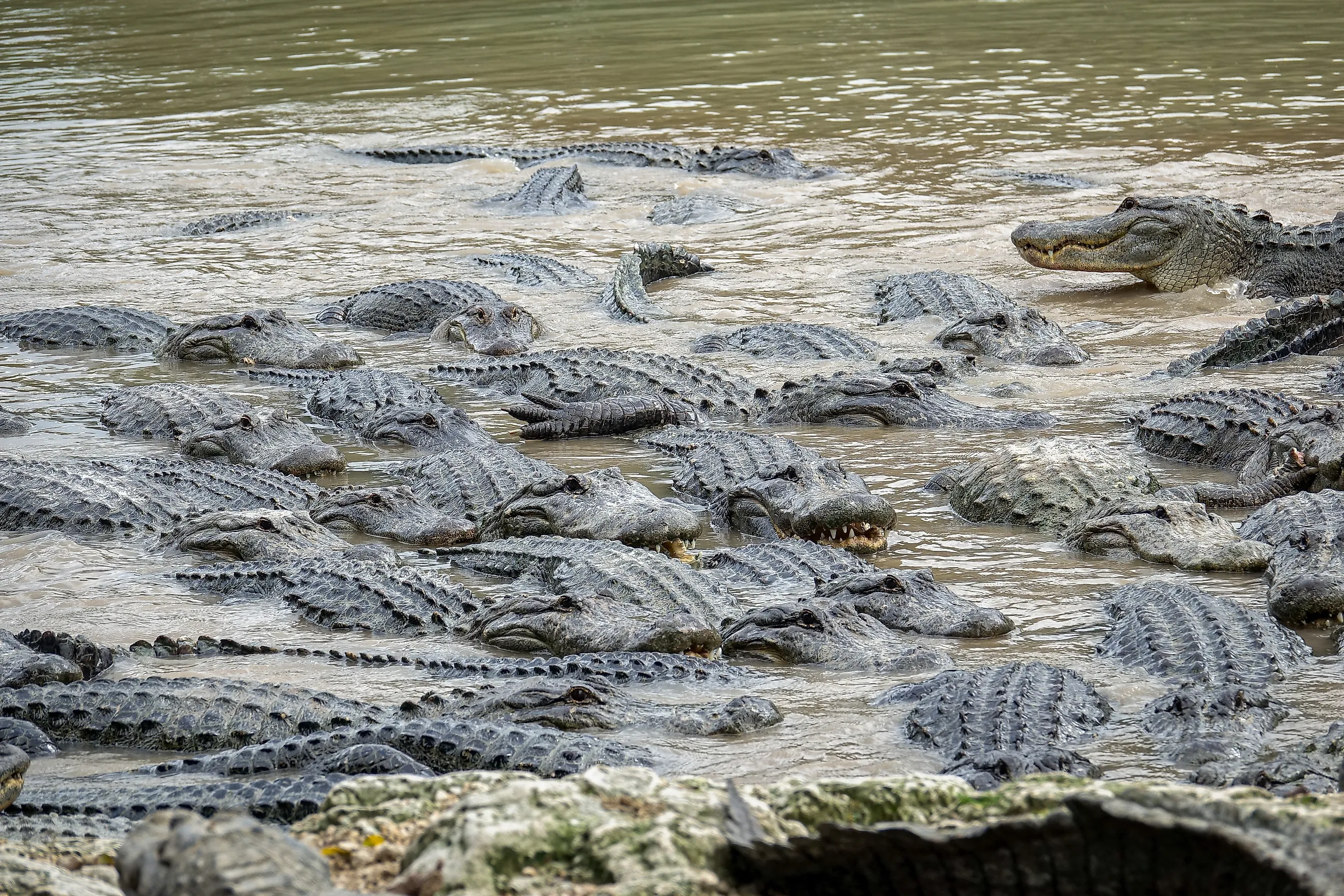
Everglades National Park in South Florida is the only national park, and indeed the only spot anywhere in the world, where American alligators and American crocodiles coexist in the wild. The numbers are lopsided: roughly 200,000 alligators call the park home, versus only about 2,000 crocodiles. But both are genuinely here, and with a little luck and the right location, you can spot both species in a single day, something you cannot do anywhere else on the planet.
Why It Happens Only Here

It all comes down to geography and salt. South Florida sits at the exact seam where the southern edge of the alligator's range meets the northern edge of the American crocodile's range. Alligators are freshwater animals, while crocodiles can tolerate salt water thanks to special salt-excreting glands on their tongues that alligators simply lack. The Everglades happens to blend both worlds, with freshwater marshes inland draining out into the brackish, salty mangrove coast. That gives each reptile exactly the habitat it prefers, and for the most part, gators rule the fresh water while crocs rule the salt, so the two rarely cross paths.
Meet the Rarer American Crocodile

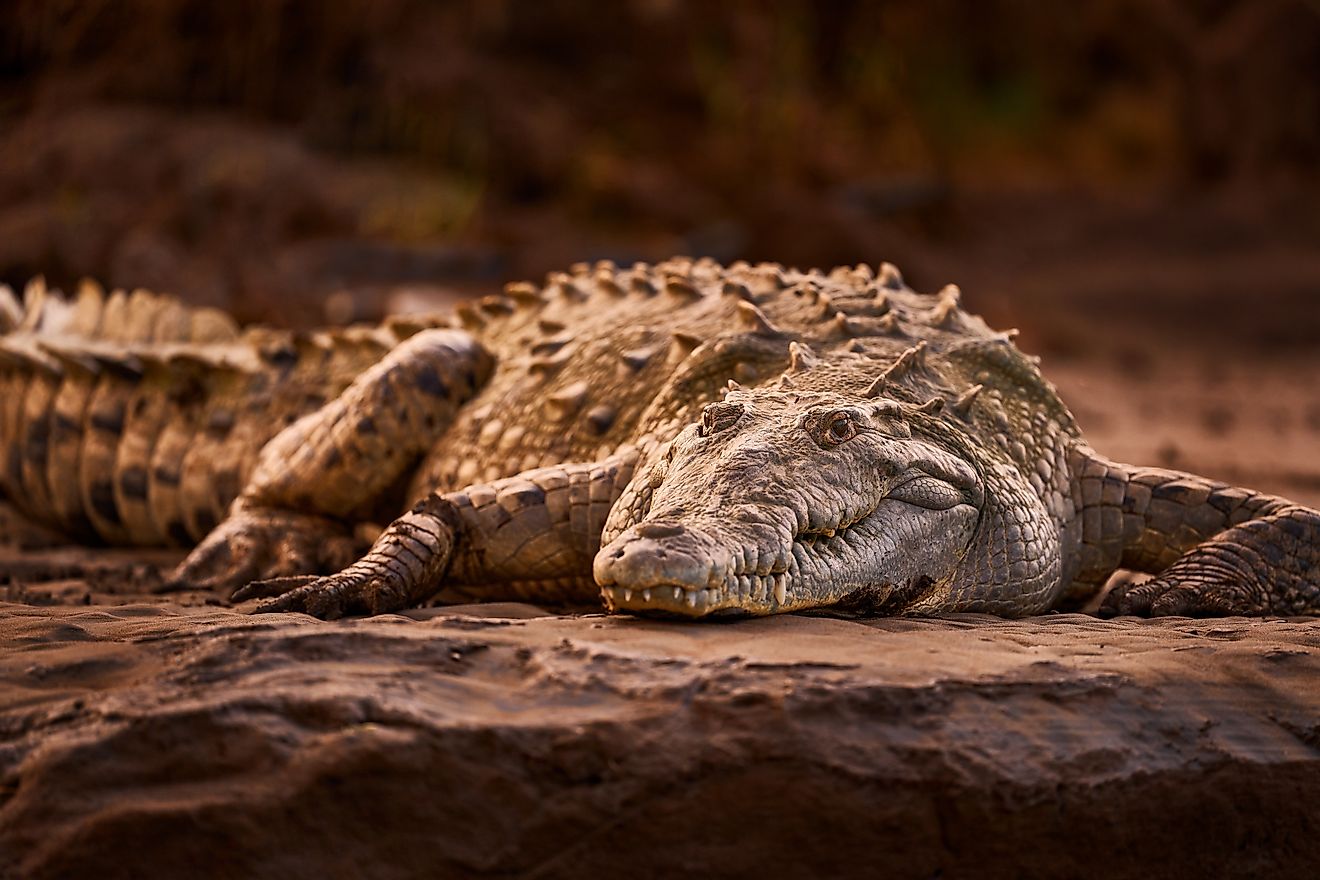
The crocodile is very much the shy, uncommon one of the pair. Once nearly wiped out in the United States, with only a few hundred left by the 1970s, the American crocodile has since rebounded to around 2,000 individuals, almost all of them in South Florida, thanks to decades of dedicated conservation work. Grayish-green and secretive, it keeps to the coastal mangroves and the brackish waters of Florida Bay, clinging to the very northern tip of a range that stretches all the way down through the Caribbean and Central America. Spotting one in the wild is a genuine treat.
How to Tell Them Apart

Fortunately, telling the two apart is easier than you might think. The clearest tell is the snout: alligators have a broad, rounded, U-shaped snout, handily remembered as "U for USA," while crocodiles have a narrower, more pointed, V-shaped snout. Alligators are dark, almost black, whereas crocodiles are a lighter olive-gray or tan. And when the mouth is shut, a crocodile's fourth lower tooth juts out visibly, while an alligator neatly hides its bottom teeth. Habitat is the final clue: fresh water almost always means alligator, and salt water almost always means crocodile.
Where to See Each One

Because the two species split up the park, you look for them in different places. For alligators, head to the freshwater interior, where the Anhinga Trail at Royal Palm is famously reliable, often with a dozen or more basking within steps of the boardwalk, especially during the dry season. For the elusive crocodile, drive south to the coast at Flamingo, where they haul out along Florida Bay and the Buttonwood Canal near the marina. Manage to see both in a single trip, and you will have witnessed something you genuinely cannot see anywhere else on Earth.