The Largest Online Retailers Of The United States
Amazon collects roughly four of every ten dollars Americans spend online, and the rest of the retail industry spends its year fighting over the remainder. That single statistic explains modern American shopping better than any mall vacancy report. Online sales now account for about one in six US retail dollars by the Census Bureau's count, and the leaderboard has changed dramatically since the days when this kind of list put Dell in third place. The current rankings feature a bookstore that became an everything store, a discounter that turned 4,600 stores into warehouses, and a pet-food site that outsells household names. Here are the biggest online retailers in the United States, ranked by their estimated share of the country's e-commerce spending.
1. Amazon
Amazon holds an estimated 38 to 40 percent of US e-commerce, a share so large that the newest estimates keep nudging it higher. Jeff Bezos founded the company in July 1994 under the name Cadabra, started selling books online in 1995, and built it into a machine that generated nearly half a trillion dollars in US net sales in 2025, with more than $700 billion worldwide. The bookstore era ended long ago. Amazon now runs a marketplace where independent sellers move the majority of units, a logistics network that delivers in hours, a grocery chain it bought outright in 2017 with the $13.7 billion Whole Foods deal, and a cloud business that funds the whole show. Andy Jassy has run the company as CEO since 2021, with Bezos watching from the executive chairman's seat.
2. Walmart
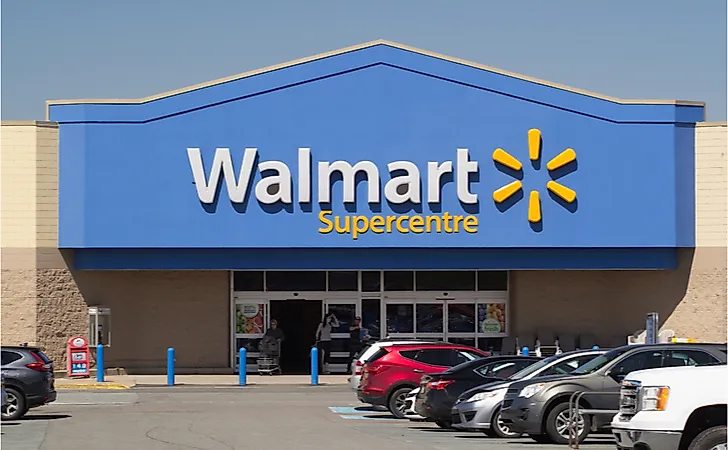
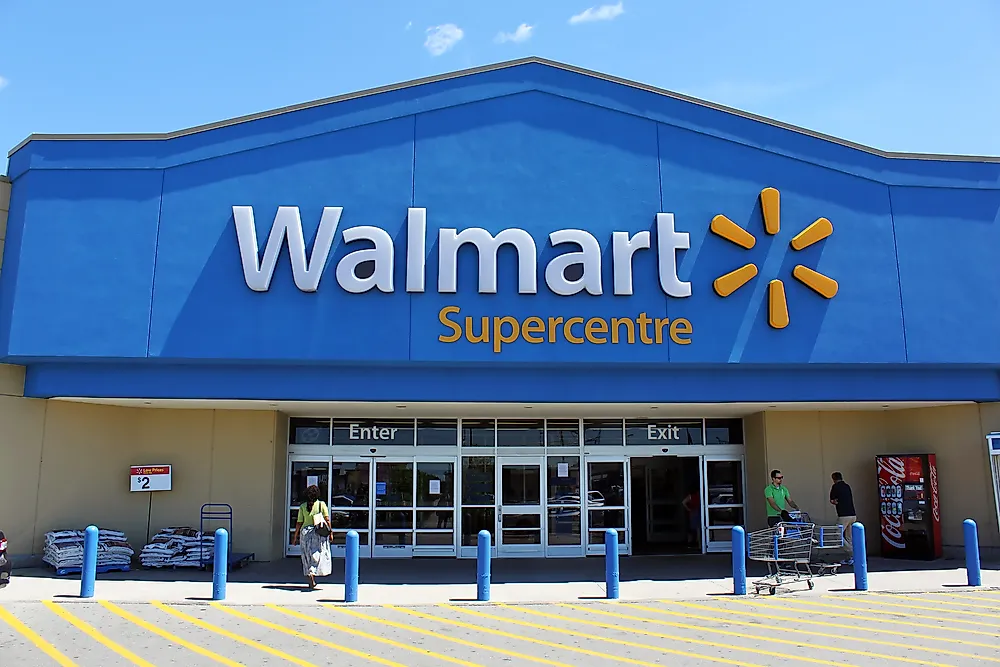
Walmart sits second with an estimated 6 to 9 percent of US e-commerce, and it is the only retailer closing the gap rather than watching it widen. The company Sam Walton started in Rogers, Arkansas in 1962, and incorporated on October 31, 1969, remains the largest company on Earth by revenue, pulling in about $680 billion a year. The online surge is recent and real: Walmart's e-commerce sales have grown more than 20 percent for five straight quarters, powered by a simple trick its rival cannot copy. Roughly 90 percent of Americans live within ten miles of a Walmart store, so the company turned thousands of supercenters into delivery and pickup hubs. The world's biggest landlord of parking lots became one of its fastest-growing online retailers.
3. Apple

Apple captures about 3.6 percent of US e-commerce by selling exactly one brand at full price, which remains the most enviable business model in retail. The company Steve Jobs and Steve Wozniak founded in 1976 moves iPhones, Macs, and subscriptions through a website and app that double as the front door to an ecosystem customers rarely leave. Brand-value rankings put Apple at or near the top year after year, and the loyalty shows in the margins. Most retailers discount to win an online sale. Apple posts the price and waits.
4. eBay

eBay holds around 3 percent of the market as the great survivor of 1995-era e-commerce. The site launched as AuctionWeb, and its first recorded sale was a broken laser pointer, purchased by a collector who actually wanted it broken. Three decades later, eBay still owns the secondhand, collectible, and parts categories, running a pure marketplace that holds no inventory of its own. The auction gavel mostly gave way to fixed prices, but the core promise survived: somebody, somewhere, wants the thing in your garage.
5. Target

Target claims about 1.9 percent of US e-commerce and fulfills the vast majority of those digital orders from the back rooms of its own stores rather than distant warehouses. The Minneapolis retailer turned its parking lots into a competitive weapon with curbside Drive Up service and bought the delivery company Shipt to put same-day service behind the app. The bullseye crowd shops online the way it shops in store, which is to say for one thing, followed by forty dollars of things nobody planned to buy.
6. The Home Depot

The Home Depot matches Target at roughly 1.9 percent, an impressive figure for a company that sells lumber, water heaters, and other items that do not fit in a mailbox. Roughly half of its online orders get picked up inside a store, because a contractor ordering at midnight still wants the parts on the way to the job site at six. The pro business drives the growth, and the website functions less like a shop window and more like the world's largest tool crib with a search bar.
7. Costco

Costco rounds out the verified leaderboard with about 1.5 percent of US e-commerce, achieved almost reluctantly. The warehouse club built its empire on memberships, pallet-sized portions, and the belief that shopping should involve a forklift, and its website long felt like an afterthought. The afterthought now cracks the national top tier anyway, hauling big-ticket categories like appliances, furniture, and gold bars, which Costco famously sells online and famously cannot keep in stock.
8. Best Buy

Best Buy earned its place in the online top ten by surviving its own obituary. A decade ago, analysts wrote the chain off as a free showroom for Amazon, where shoppers tested televisions before buying them online for less. The company answered with price matching, ship-from-store logistics, and the Geek Squad, and it now ranks among the largest online sellers of consumer electronics in the country. The showroom learned to close the sale.
9. Chewy

Chewy built one of America's biggest online retail operations on dog food, ranking as the largest online-only pet retailer in the country. The Florida company turned pet supplies into a subscription business, with autoship orders arriving on schedule the way prescriptions do, and added an online pharmacy and vet telehealth to match. Pet spending holds up in good economies and bad, which makes recurring kibble revenue one of retail's most defensible moats.
10. Wayfair

Wayfair closes the list as the country's largest online seller of furniture and housewares, a category the industry once swore would never work over the internet. Nobody buys a sofa without sitting on it, the thinking went. Millions of sofas later, the Boston company operates with no showroom network to speak of, relying on visualization tools, free shipping on bulky freight, and a catalog deep enough to redecorate every apartment in America twice.
The Largest Online Retailers Of The United States
The figures below reflect estimated shares of US retail e-commerce sales for 2024-2025, drawn from industry trackers including eMarketer and Statista. Reliable public estimates exist for the seven companies listed; beyond them, the field fragments into single-digit slivers that vary by source. The newest 2025 readings push Amazon's share above 40 percent and Walmart's above 9 percent, so the top of this table is a moving target that mostly moves up.
| Rank | Online Retailer | Estimated Share of US E-commerce Sales |
|---|---|---|
| 1 | Amazon | 37.6% |
| 2 | Walmart | 6.4% |
| 3 | Apple | 3.6% |
| 4 | eBay | 3.0% |
| 5 | Target | 1.9% |
| 6 | The Home Depot | 1.9% |
| 7 | Costco | 1.5% |
The Fight For The Other Sixty Percent
The American e-commerce story now splits into three contests. Walmart is mounting the only credible chase of Amazon, converting its store network into a fulfillment machine and growing online sales at rates the leader has not seen in years. The specialists, including Chewy, Wayfair, and Best Buy, prove that owning a single category can still beat owning a little of everything. The wild cards come from overseas, where fast-fashion giant Shein and bargain app Temu have stormed the US market, with some store-level rankings already placing Shein's American sales ahead of Target's site. One number frames it all: online shopping still represents only about a sixth of US retail spending, which means the largest online retailers in the country are competing hardest for the dollars that have not moved yet.