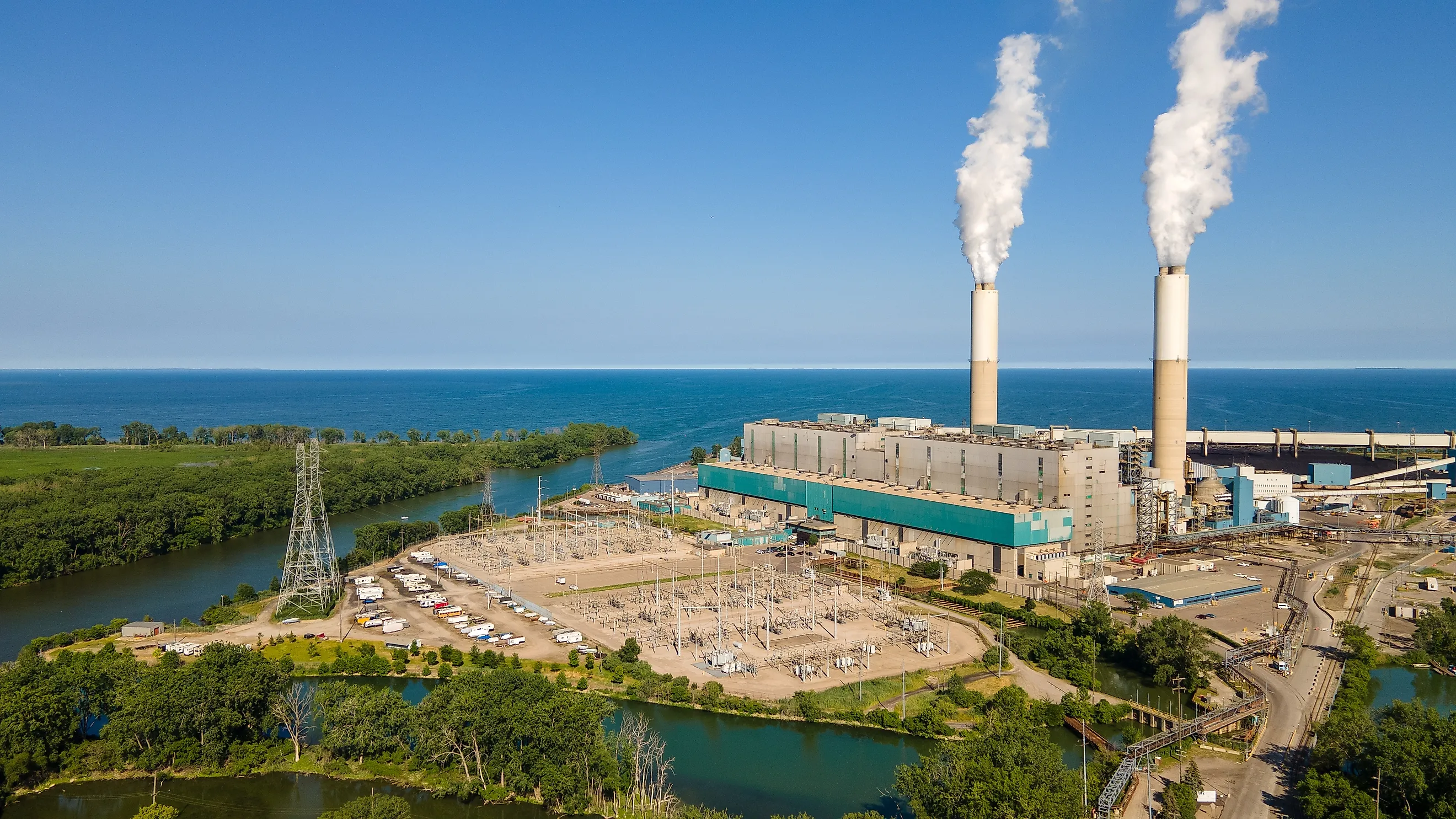
The Largest Coal Power Stations In The United States
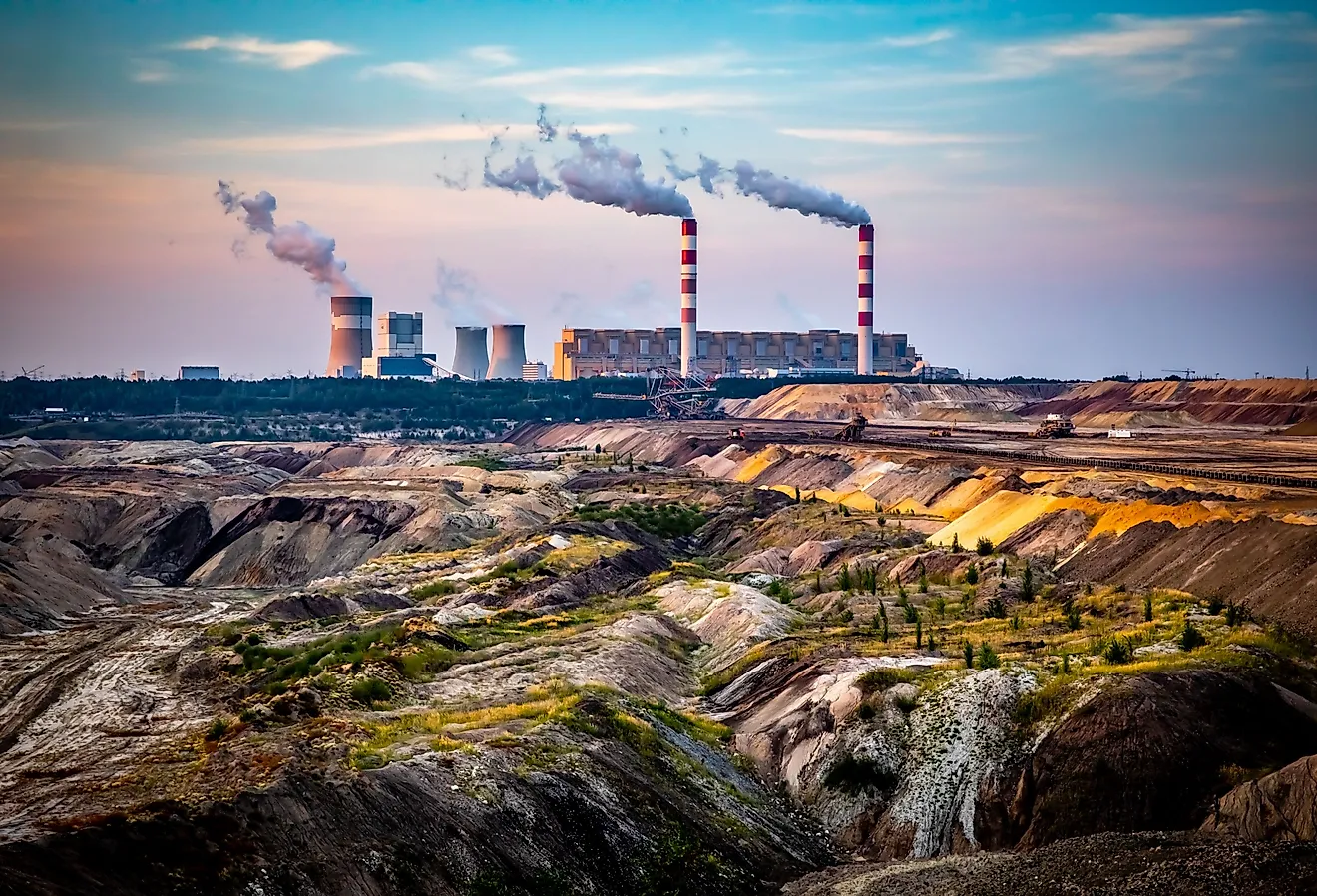
Coal once generated more than half the electricity in the United States, but its share has fallen sharply, sliding to roughly 15 to 16 percent by the mid-2020s as natural gas and renewables took over and aging plants shut down by the dozen. The plants that remain are enormous, most of them built in the 1970s and 1980s, and a steady wave of retirements means this list looks very different than it did a decade ago. Names that once topped these rankings, like Arizona's Navajo Generating Station, have been demolished entirely. These are the largest coal-fired power stations still operating in the country, ranked by generating capacity in megawatts. Because capacity figures shift as individual units retire or convert to gas, treat the numbers here as a recent snapshot.
1. Plant Bowen, Georgia

Plant Bowen, near Euharlee in Bartow County, Georgia, is now the largest coal-fired power station in the United States, with a capacity of roughly 3,200 megawatts across its four units. Operated by Georgia Power, a subsidiary of Southern Company, it came online between 1971 and 1975 and connects to the southeastern grid through 500-kilovolt transmission lines. Southern Company has signaled it expects to close the plant by 2035, though rising electricity demand from data centers has put even that timeline under review.
2. Gibson Generating Station, Indiana
The Gibson Generating Station in Gibson County, Indiana, near the Wabash River, is Duke Energy's largest power plant, with a capacity in the range of 3,100 to 3,300 megawatts across five units. Built through the 1970s and early 1980s, it draws cooling water from a large man-made lake on the site that doubles as a wildlife and recreation area. Duke has laid out a staggered retirement and gas-conversion plan for the units stretching into the 2030s, a schedule it has repeatedly revised as demand projections change.
3. Monroe Power Plant, Michigan
The Monroe Power Plant sits on the shore of Lake Erie in Monroe, Michigan, with a capacity around 3,000 to 3,200 megawatts across its four units. Owned by DTE Energy and completed in the early 1970s, it feeds the grid through a web of 120- and 345-kilovolt transmission lines. DTE has scheduled the plant to close in phases later this decade as the utility shifts its generation mix toward gas and renewables.
4. John E. Amos Power Plant, West Virginia
The John E. Amos Power Plant, on the Kanawha River near Winfield, West Virginia, has a capacity of roughly 2,900 megawatts across three units, making it the largest power plant in West Virginia. Operated by Appalachian Power, a unit of American Electric Power, it has been a fixture of the state's coal economy since the early 1970s and sits in the heart of Appalachian coal country.
5. James H. Miller Jr. Power Plant, Alabama
The James H. Miller Jr. plant, near West Jefferson, Alabama, carries a capacity of about 2,800 megawatts across four units. Operated by Alabama Power, another Southern Company subsidiary, it has regularly ranked among the largest single sources of greenhouse gas emissions of any power plant in the country, a reflection of both its size and its high output.
6. General James M. Gavin Power Plant, Ohio
The Gavin Power Plant, on the Ohio River near Cheshire, Ohio, has a capacity of roughly 2,600 megawatts across two units, making it one of the largest coal plants in the state and the broader Ohio Valley. It has changed hands among private owners in recent years and remains a major supplier to the regional grid, with no firm retirement date publicly set.
7. Rockport Power Plant, Indiana
The Rockport Power Plant, on the Ohio River in Spencer County, Indiana, has a capacity of about 2,600 megawatts across two units. Operated in connection with American Electric Power, it is one of the larger coal stations in the Midwest, though it too faces a future shaped by tightening emissions rules and the steady economic pressure from cheaper gas and renewables.
8. Robert W. Scherer Power Plant, Georgia
Plant Scherer, near Juliette, Georgia, was for years the largest coal plant in the country, but unit retirements have reduced its capacity to roughly 2,580 megawatts, dropping it down the rankings. Also operated by Georgia Power, it sits beneath the flight path into Atlanta's Hartsfield-Jackson airport and was long one of the single largest sources of carbon dioxide emissions in the United States. Southern Company has weighed retiring additional units later this decade.
9. W. A. Parish Generating Station, Texas
The W. A. Parish station, southwest of Houston near Thompsons, Texas, runs both coal and natural gas units, with the coal portion accounting for roughly 2,500 megawatts. Operated by NRG Energy, it became notable as the site of the Petra Nova project, once one of the largest carbon-capture installations in the world, which captured CO2 from one of the plant's units. Unlike many plants on this list, Parish has no announced retirement date.
10. Cumberland Fossil Plant, Tennessee
The Cumberland Fossil Plant, near Cumberland City, Tennessee, has a capacity of about 2,470 megawatts across two units and is the largest coal plant operated by the Tennessee Valley Authority. The federal utility has announced plans to retire the plant's two units in phases, with the first scheduled to come offline mid-decade as TVA pivots toward gas and solar generation.
The Largest Operating Coal Power Stations In The United States
| Rank | Station | State | Approx. capacity (MW) |
|---|---|---|---|
| 1 | Plant Bowen | Georgia | ~3,200 |
| 2 | Gibson Generating Station | Indiana | ~3,150 |
| 3 | Monroe Power Plant | Michigan | ~3,000 |
| 4 | John E. Amos Power Plant | West Virginia | ~2,900 |
| 5 | James H. Miller Jr. Power Plant | Alabama | ~2,800 |
| 6 | General James M. Gavin Power Plant | Ohio | ~2,600 |
| 7 | Rockport Power Plant | Indiana | ~2,600 |
| 8 | Robert W. Scherer Power Plant | Georgia | ~2,580 |
| 9 | W. A. Parish (coal units) | Texas | ~2,500 |
| 10 | Cumberland Fossil Plant | Tennessee | ~2,470 |
The Twilight Of King Coal
What unites these plants is that nearly all of them now carry a retirement date, a conversion plan, or at least the heavy pressure of one. Coal generation in the United States has been declining for two decades, squeezed by cheap natural gas, falling renewable costs, and tightening emissions rules, and the fleet that remains is aging fast, with most plants now well past forty years old. A handful, like W. A. Parish, are running without an end date as rising electricity demand complicates the math, but the long arc points one direction. The giants on this list are less a ranking of the future than a snapshot of an industry winding down.