6 Most Alligator-Filled Swamps In South Carolina
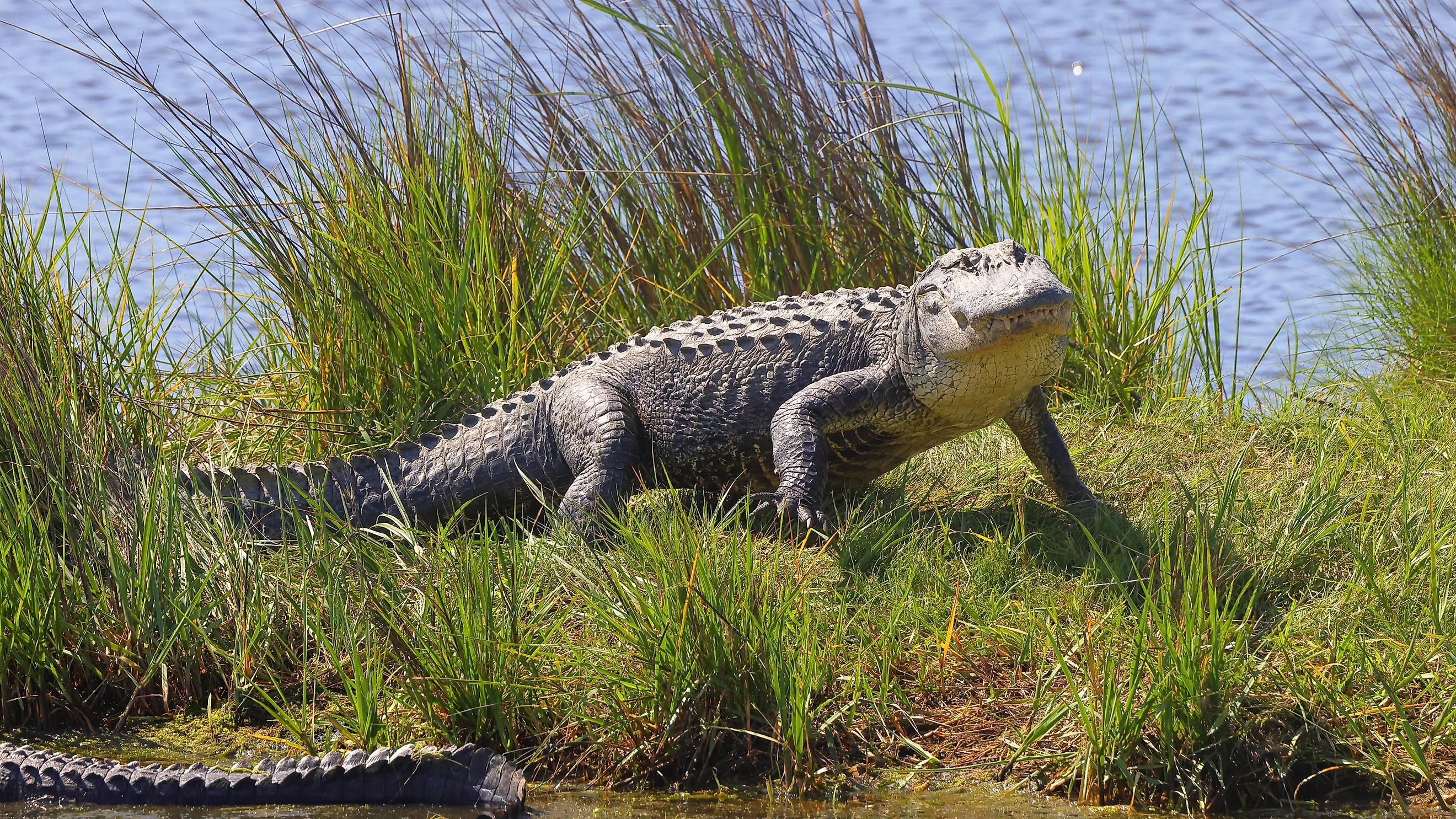
South Carolina offers a coastal plain where slow-moving rivers, oxbow lakes, and forested wetlands create ideal habitat for the American alligator. Visitors to the state looking for the reptile will find a mix of federally protected parks, large reservoir marshes, privately conserved preserves, and broad estuarine basins where alligators are commonly encountered. Nesting and basking sites for adults and nursery habitats for juveniles are typically found in old-growth bottomland hardwood forests, tidal marsh complexes, blackwater river corridors, and large freshwater lakes with shallow coves and emergent vegetation.
For context on how alligators are managed in the state, the South Carolina Department of Natural Resources provides guidance on how people should respond to nuisance animals and how regulated hunting contributes to population management. Prepare to explore watery realms where ancient reptiles bask, hunt, and shape the landscape, and discover where to find them, how to observe them safely, and what makes each swamp unique.
Congaree National Park

Congaree National Park protects the largest contiguous tract of old-growth bottomland hardwood forest remaining in the southeastern United States, a floodplain that supports a web of sloughs, oxbow lakes, and slow-moving channels. Alligators make use of the park’s wetland mosaic, often seen basking on logs and along the edges of waterways when temperatures rise. Paddlers who move quietly through the park’s backwater channels have reported regular sightings in summer months, when adult alligators are most active, and occasional nests are found on higher ground during the breeding season.
The combination of deep, leaf-littered water, cypress-tupelo stands, and abundant prey such as fish, turtles, and water birds creates stable conditions for alligators to thrive. Park staff advise visitors to keep ample distance from alligators and to secure pets, because adult individuals can travel over land between water bodies. For those hoping to observe alligators, the park’s boardwalks and water trails provide safe vantage points for distant viewing.
ACE Basin (Ashepoo, Combahee, Edisto Basin)

The ACE Basin encompasses an immense interlocking estuary of rivers, tidal marshes, and forested wetlands along the central South Carolina coast where the Ashepoo, Combahee, and Edisto rivers meet. Although the basin contains brackish and tidal habitats, American alligators are well established there and use fresh and slightly brackish waters for nesting and rearing young. Conservation organizations and federal reserves within the basin have long recognized the area as a vital nesting area for coastal alligator populations because of its extensive marsh edges, managed impoundments, and freshwater tributaries that remain relatively undisturbed.
Seasonal high tides and freshwater pulses create a shifting landscape that concentrates prey within accessible channels, while protected islands and leveled hummocks provide nesting substrate above the highest tide lines. Access for wildlife viewing is available at several managed reserves and public boat launches, but visitors should remain aware that alligators are secretive and can be most active in the warm months. Management partners monitor habitats to ensure that nest sites and juvenile nursery areas persist.
Francis Marion National Forest

Large tracts of maritime forest, pocosins, and cypress-gum swamps within the Francis Marion National Forest create a patchwork of freshwater habitat where alligators are a familiar presence. Forest Service information explicitly notes alligators as a resident species and warns visitors not to feed or harass them. The forest’s hydrology includes blackwater creeks that flood hardwood flats, longleaf pine ridges, and small ponds that act as refugia during drought, so alligators can move among connected waters and maintain territories.
Natural features such as tree-lined sloughs, shallow backwater pools, and beaver-influenced ponds increase habitat complexity and food availability, supporting the species across multiple age classes. Recreational boaters and anglers commonly encounter alligators along quiet channels, and forest staff emphasize safe viewing practices and the avoidance of night fishing in areas of dense vegetation. The presence of alligators in the forest has influenced trail planning and signage where public access intersects with known basking and nesting areas.
Santee Cooper Lakes and Adjacent Marshes (Lake Marion and Lake Moultrie)

The paired reservoirs known collectively as the Santee Cooper Lakes, primarily Lake Marion and Lake Moultrie, have formed one of South Carolina’s largest freshwater systems, with tens of thousands of acres of shallow shorelines, cut channels, and emergent marshes that alligators exploit. Generated during the 20th century for hydroelectric and water management purposes, the lakes were created when rivers were dammed, and the inundated bottomlands now provide abundant aquatic vegetation and shallow coves ideal for thermoregulation and ambush predation. State wildlife managers document regular alligator activity in the Santee Cooper complex, and seasonal reports note that individuals may move into surrounding canals and managed impoundments.
Anglers and waterfront property owners often observe juveniles in protected coves and adults along marsh edges. Because human use of shoreline areas is intense in places, the South Carolina Department of Natural Resources has protocols for reporting nuisance animals and for managing human-alligator interactions through education and, when necessary, removal permits.
Four Holes Swamp (Francis Beidler Forest)

Four Holes Swamp, preserved within the Francis Beidler Forest sanctuary, offers a deep blackwater environment threaded by narrow creeks, shaded pools, and cypress-tupelo stands where alligators are frequently observed. The swamp’s rain-fed hydrology produces tannin-stained waters and a variable water table that creates isolated backwater pools in warm months, ideal for nesting females and protected nursery sites for hatchlings. Guided boardwalks and authorized paddling trips present safe viewing opportunities, and naturalists report regular sightings of adult and juvenile alligators along the swamp’s quiet channels and around the edges of Goodson Lake.
Conservation managers emphasize that the long-standing protection of the area, combined with active monitoring of water levels and riparian buffers, helps sustain abundant amphibian and fish prey that alligators require, while also preserving den and nest substrate. Photographers and paddlers who move slowly through the shadowed creeks could encounter still silhouettes or glinting eyes at water level, reminders of how integral alligators are to the swamp’s food web and detrital cycles. Visitors are encouraged to follow posted safety guidance, to keep pets leashed and at a distance, and to rely on authorized guides when exploring tight channels where animals may be concealed by cypress knees and overhanging vegetation.
Waccamaw River

The Waccamaw River flows from the Carolina bays of North Carolina into eastern South Carolina and threads through long stretches of bottomland swamp and freshwater marsh where alligators are well represented. The river’s slow gradient and meandering course produce expansive floodplain habitat with plenty of shallow edges, sandbars, and cypress-lined bends favored by basking reptiles. The Waccamaw supports a water trail used by recreational boaters and paddlers, and accounts of alligator encounters along that corridor are common enough that guides emphasize safe viewing distances and seasonal timing for observation.
Because the river crosses state lines and drains a large portion of the coastal plain, it serves both as a movement corridor and as isolated pockets of high-quality habitat where local populations persist. Natural resource agencies and river conservancies work to protect riparian corridors in order to preserve the water quality and structural complexity that alligators and other wetland species require.
Explore South Carolina’s Wetlands
South Carolina’s swamps deliver a close look at a reptile that dates back millions of years, yet continues to play a vital ecological role in coastal plain food webs and wetland function. From protected national parklands to expansive reservoirs and river corridors, South Carolina’s swamps offer varied opportunities for observing alligators within working conservation landscapes.
By following safety guidance and relying on managed access points and guided experiences, travelers and nature lovers can enjoy memorable encounters while supporting the long-term health of these wetlands. For practical planning, refer to official park and wildlife agency resources before travel.