These Small Towns on Virginia's Eastern Shore Are Must-Visit Destinations
Virginia's Eastern Shore might well be one of America's most fascinating coastal regions. It’s certainly the oldest. One of the first parts of North America to be settled by Europeans, it was the English who began colonizing the peninsula back in 1614 after the area had been mapped by Captain John Smith from the original Jamestown settlement.
This narrow, 70-mile-long strip of land between the Chesapeake Bay and the Atlantic Ocean remained relatively isolated for centuries, accessible only by ferry or overland from the north until the Chesapeake Bay Bridge-Tunnel(CBBT) opened in 1964. However, this isolation certainly helped preserve the authentic maritime vibe that makes the Eastern Shore such a unique destination.
From Chincoteague's famous wild ponies to Onancock’s centuries-old maritime history, these Eastern Shore communities provide a chance to experience coastal Virginia at its most authentic.
Chincoteague

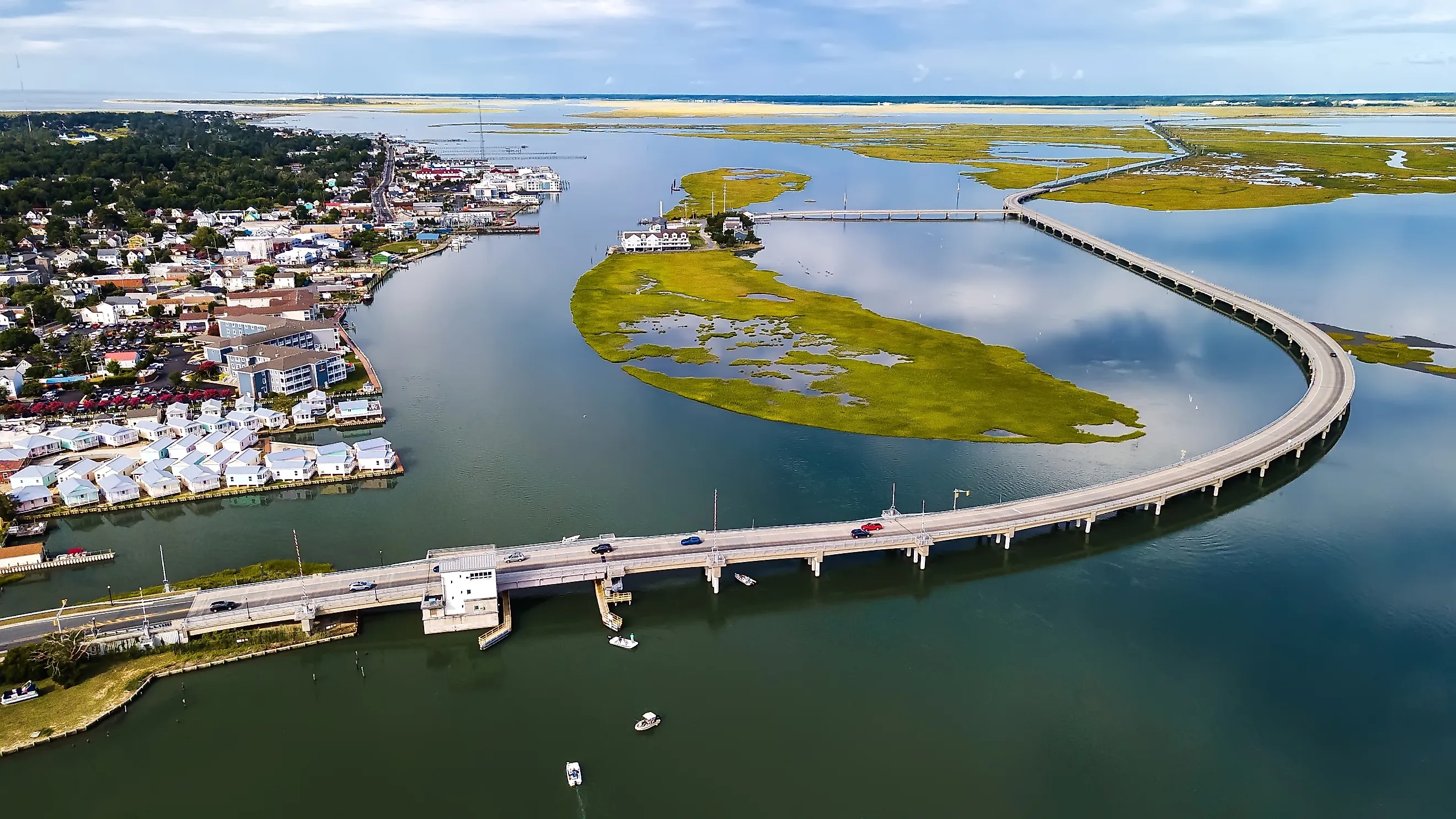
The barrier island town of Chincoteague gained popularity after the publication of Marguerite Henry's beloved Misty of Chincoteague novel in 1947. Based on real stories about Virginia’s famous wild ponies, the book made famous the island town’s annual Pony Swim and Auction. Held here since 1925 to control and protect these awesome creatures, it now attracts thousands of spectators to watch the "saltwater cowboys" swim the Chincoteague ponies across the Assateague Channel.
You can learn more about Misty and the ponies, as well as the region’s rich connection to both land and sea, at the Museum of Chincoteague Island. Other equine-related attractions include the original Beebe Ranch, where Misty and her foal, Stormy, lived, and the Chincoteague Pony Centre with its hands-on experiences and displays.

Downtown Chincoteague, though small, is also worth exploring. Historic Main Street is where you’ll find Robert Reed Waterfront Park with its Misty statue, while across the road stands the Island Theatre where the movie premiered in 1961.
Notable downtown businesses include Decoys Decoys Decoys with its handcrafted birds, and a great little coffee shop called Java Horse Coffee. You can easily walk to these and other sights along Main Street if you book a stay at the Marina Bay Hotel & Suites.
Onancock

Founded in 1680, some 70 or so years after Captain John Smith visited and proclaimed it the “Gem of the Eastern Shore,” Onancock is one of the prettiest small towns in Virginia. With much of the town preserved as the Onancock Historic District, Market Street, its main drag, is lined with many charming historic buildings.
Laid out in the colonial period, architectural highlights include Ker Place, a handsome mansion built in 1799, and five attractive old places of worship, including the beautiful Market Street United Methodist Church.

Onancock is also the Eastern Shore's cultural capital. If you enjoy the arts, check out the year-round programming staged at the North Street Playhouse and the historic 1940s Roseland Theatre. The Historic Onancock School, just a short walk from Downtown Onancock, is another must-visit and serves as a hotbed of local culture with working studios for over 20 resident artists and creators.
For a truly authentic Eastern Shore experience, the Tangier-Onancock Ferry connects to Tangier Island in Chesapeake Bay, a fishing community where a unique 17th-century English dialect is still evident. Need somewhere to stay? The lovely Inn at Onancock on North Street is set in a renovated 1890s building with antique furnishings and delicious breakfasts.
Cape Charles

Established in 1884 as the southern terminus of the New York, Philadelphia & Norfolk Railroad, Cape Charles is a planned community notable for its wide boulevards laid out in a grid pattern that’s unusual for this part of Virginia. The Cape Charles Historic District contains over 500 contributing structures chronicling the town’s transition from Victorian prosperity through the 1920s railway boom, with Colonial Revival mansions and charming Craftsman bungalows lining its quiet streets.
The Cape Charles Museum and Welcome Center is another must-visit. Set in a disused power plant with an extensive collection of ferry and steamboat models and displays about the town’s role as the peninsula's main rail and ferry terminal until the opening of the Chesapeake Bay Bridge-Tunnel. The town beach stretches for miles along the Bay, with a 700-foot-long fishing pier (bring a rod as fishing here is free).

The Eastern Shore’s best brewery also calls this picturesque town home. Cape Charles Brewing Company offers tours, great grub, as well as superb craft beers brewed on-site. Best of all, even though it’s located on the edge of town, it’s easily accessible from Hotel Cape Charles by golf cart (the hotel rents them). Bay Haven Inn is another handy choice. Set in a restored 1890s mansion, the highlight of a stay is the gourmet breakfast (ask for the “Elvis!”).
Accomac

Serving as Accomack County's seat since 1690, the small community of Accomac is a must-visit for its unique historic district. Centered around Courthouse Green, the majestic Victorian courthouse was built in 1899 as a replacement for the original colonial structure built here in 1756.
It’s all the prettier as it’s flanked by several equally attractive buildings, including the Clerk's Office. Constructed in 1794, the office houses the second-oldest continuous court records in the United States, with documents dating all the way back to 1632.

Other notable buildings in this compact historic district include the 1816 Mercantile Building with its rare Federal Classic Revival architecture, and the Debtors' Prison. There’s even a cannon located on the green that dates from the American Revolution.
Eastville

Eastville Historic District features around 315 contributing buildings across several distinct communities, including Eastville proper, Eastville Station (developed after the arrival of the railroad in 1884), James Crossroads, and Stumptown. The star of the show, though, is the impressive Northampton County Courthouse Historic District.
Built in 1731, this lovely red-brick building is home to the oldest continuous court records in America, just beating out the Accomac Courthouse (see above). Records here date all the way back to 1632 and document everything from 17th-century property transactions to freedom for enslaved persons.

The Clerk's Office beside the courthouse is equally impressive in terms of its history. Built in 1750, it contains irreplaceable documents, including the 1776 public reading of the Declaration of Independence from the courthouse steps. Pop over to the old jailhouse and debtor’s prison next door for a look at the harsh conditions such unfortunates faced.
The nearby Eastville Inn, constructed in 1780, is also worth peeking at. It’s one of Virginia's oldest continuously operating hospitality establishments (it’s now a fine dining restaurant).
Parksley

One of several planned railroad communities established along the line connecting Cape Charles’ ferry with Baltimore to the north, Parksley was founded in 1885 and features many fine examples of 19th-century architecture. You can learn more about the town and its railroad past at the Eastern Shore Railway Museum. Highlights include an original depot dating from 1906, a 1920s dining car, Pullman sleepers, a Pennsylvania Railroad boxcar, and cabooses.
Historic Downtown Parksley is a delight to explore on foot, and there’s ample street parking available. Check out original storefronts such as that of Jaxon's Hardware, in business since 1900, with its original tin ceiling and wood floors. For an authentic old-time shopping experience, Jaxon’s five-and-dime is the town’s original department store and is still family-run.

If you’re here when the busy Parksley Farmers Market is running in the town square (Saturdays from May through October), there’s plenty more parking adjacent to the new Eastern Shore Public Library. And it’s worth popping in while you’re there for a look at the Eastern Shore of Virginia Heritage Center with its collections of historic documents, photos, and genealogical records.
Wachapreague

Known as the "Little City by the Sea," Wachapreague, like Chincoteague, sits on the Atlantic side of the Eastern Shore. Pronounced “Watch-uh-prig” and home to only 232 residents, it’s the place to go in Virginia for sportfishing. Several charters and private fishing boats line the Wachapreague Town Marina and can get to some of the East Coast’s best Atlantic fishing in around 20 minutes.
If you’re interested in learning more about the Eastern Shore’s diverse ecosystem, time a visit to coincide with one of the Virginia Institute of Marine Science’s open houses. Held in May (Marine Science Day) and in September (Marine Life Day), it’s a unique chance to learn about ongoing research into coastal ecosystems, shellfish aquaculture, and the marine life of the region’s many bays and barrier islands.

Kids love the hands-on exhibits and touch tanks, while mom and dad can speak with scientists and students about everything from seagrass restoration to blue crab populations. It’s a truly unique and fascinating experience and is free to attend.
Visit Virginia’s Eastern Shore
Having traveled the Eastern Shore extensively, I can certainly vouch for the fact that it’s an awesome place to visit for an authentic taste of Old Virginia. With harbors still in use centuries after being established, to well-preserved historic buildings housing some of the nation’s earliest official documents, few destinations can match the kind of genuine early-American traditions and experiences to be had in Virginia’s Eastern Shore.