This Quiet Montana City Is Hiding In Plain Sight
With crashing waterfalls, ancient buffalo jumps, and vivid Lewis and Clark history, Great Falls, Montana, captures the spirit of the American West. Inhabited by Native American tribes for millennia and documented by Lewis and Clark in 1805, this site has grown into Montana's third-largest city, home to roughly 60,000 residents. The city is home to a growing collection of museums and a dining scene rooted in Western tradition. This combination of landscape, history, and culture defines the city today.
The Waterfalls of Great Falls

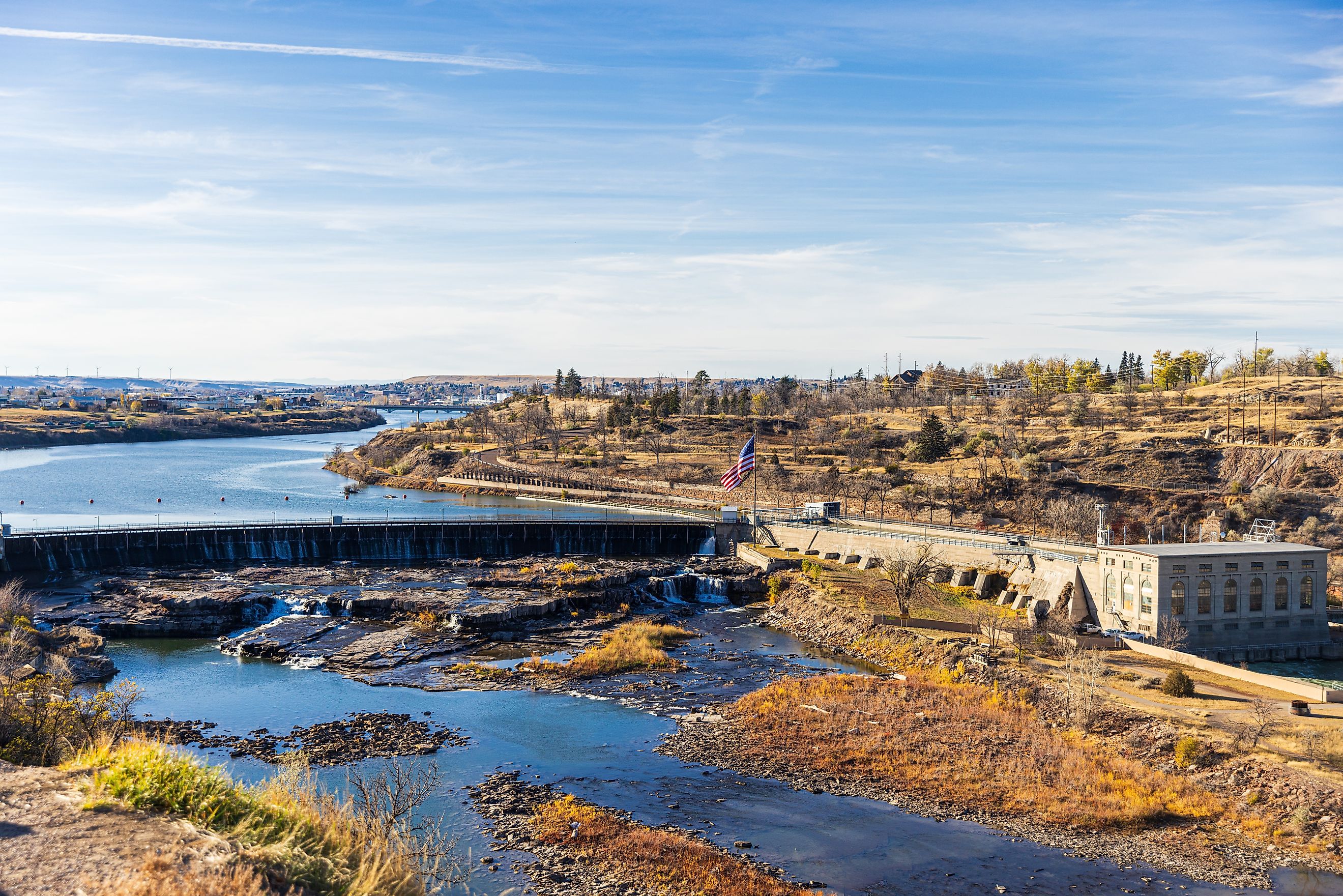
At the heart of the city lies The Great Falls, a massive cascade that now plunges 148 feet over Ryan Dam. While these falls have impressed visitors for centuries, they looked quite different when Captain Meriwether Lewis first viewed them in 1805. At that time, the water dropped more than 80 feet, a height that has since nearly doubled due to the construction of the dam. One of the best places to view the falls is from Ryan Island Park, which visitors can access from a suspension bridge that crosses the Missouri River.
Several other waterfalls can also be seen throughout the Great Falls area. Crooked Falls, for example, sits just a few miles upstream from town, where it flows over an irregular shelf 19 feet high and 300 yards wide. Rainbow Falls lies nearby as well, comprising a cascade that is roughly 47 feet high.
State Parks & Riverside Trails

The region's aquatic beauty continues at Giant Springs State Park. Home to one of the largest freshwater springs in the country, the site produces over 156 million gallons of water each day. It also features the Giant Springs Trout Hatchery, where visitors can learn about the hatchery in the visitor center or feed fish in its show pond. The park has some prime spots to fish along both the Missouri River and a small fishing pond. The park’s paths link to the River’s Edge Trail, a 60-mile network stretching along both banks of the Missouri River. The trail allows visitors to begin in the park and continue for miles along the river.
Those interested in history, meanwhile, can head over to the First Peoples Buffalo Jump State Park, which is located 20-30 minutes outside of Great Falls. This park preserves one of the largest buffalo jump sites in the US, featuring an interpretive trail, picnic area, and prairie dog town that help visitors to understand the history of high plain hunting.
Museums Of Art And Western Culture

Between its Lewis and Clark history and the Western artists who have called Great Falls home, the city offers a wide range of cultural experiences. The Lewis and Clark Interpretive Center is a strong starting point, home to the most extensive Corps of Discovery collection in North America. Throughout the 25,000 square-foot building, visitors will be able to appreciate a large exhibit hall, a theater, and an amphitheater that overlooks the river.

The C.M. Russell Museum offers a deeper look at the region’s artistic legacy. Set in a complex that takes up an entire city block, this museum showcases over 3,000 pieces of Western art, nearly 1,000 of which were created by artist Charles M. Russell himself. Even more art is on display at the Paris Gibson Square Museum of Art, a contemporary art-focused museum that has a permanent art collection, rotating exhibitions, and a sculpture garden.
A Taste Of Western Heritage

The city’s cultural history also extends into its dining scene. Many of the local restaurants are filled with historical and cultural references, adding another layer to the experience. The Celtic Cowboy Pub and Restaurant is a notable example, an eccentric pub that is named in honor of an early Welsh immigrant who, in 1890, built the Arvon Block, becoming a successful rancher in the valley. Since opening in 2013, the pub has become a hub for regional musicians and local events, including Whiskey Wednesdays, Celtic Pub Trivia, and more.
Borrie’s is just across the river, in the town of Black Eagle, and is an area favorite. This family-owned restaurant has been serving Italian and American cuisine for four generations, since its opening in 1938. Steaks, seafood, and scratch-made ravioli are just a few items on the menu. If you are craving a hearty burger, look no further than the Roadhouse Diner for a bite. The diner has earned long-standing recognition for its burgers, frequently cited in regional and national food publications. The secret lies in the locally sourced beef, fresh-baked buns, and hand-cut fries.
Landscape, History, and a City Shaped by Both

There is just so much to explore in Great Falls, and these attractions are just the beginning. Its waterfalls, springs, and riverside trails make it a spectacular destination for a weekend outdoors, while the museums, history centers, and restaurants create a cultural experience unlike any other in Montana. Together, these elements give Great Falls a character shaped by both landscape and history. Many of its most memorable sites reveal themselves through time spent along the river, in its museums, and across the surrounding plains.