This Ozarks Downtown Is Made For Strolling
Tucked into the thickly forested Ozark Highlands, Branson, Missouri, sits in the heart of one of America’s most rugged and underrated regions. The Ozarks stretch across four states, but Branson has carved out a reputation all its own, being equal parts nature escape and fantastic entertainment hub. While the Highway 76 Strip draws crowds with live shows and attractions, Historic Downtown Branson is where the town slows into something strollable. Locally owned shops, casual eateries, riverfront views, and free trolley stops make it easy to park once and wander, soaking up a version of Branson most visitors miss.
Downtown Geography And Architecture

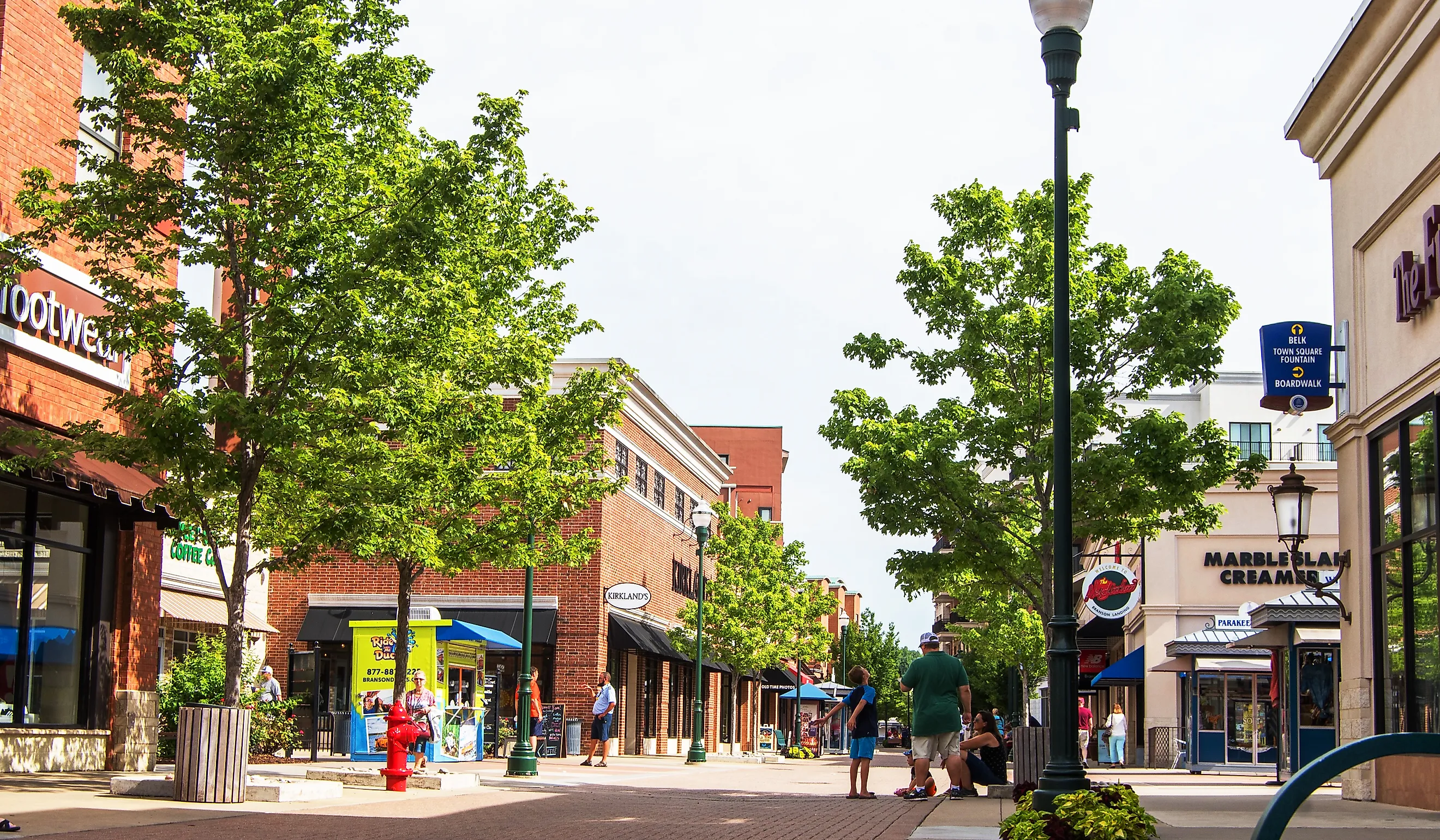
Historic Downtown Branson is refreshingly clear-cut, compact, and genuinely pleasant to explore on foot. The heart of it runs along Main Street, framed by Veterans Boulevard to the west and Commercial Street to the east, gently sloping toward Lake Taneycomo and Branson Landing. What you’ll see is a vintage streetscape of brick storefronts, hand-painted signs, locally owned shops, old-school diners, breweries, and music venues rooted in the town’s past.

This is Branson away from the flashing lights of Highway 76. Park once along Main or Commercial, slip into one of the garages, or hop the free trolley, then wander. Sidewalks are wide, and the scenery shifts naturally from historic storefronts to river views as downtown flows straight into Branson Landing’s waterfront Riverwalk. Expect candy shops, Dick’s 5 & 10, casual eats, live music drifting out of doorways, and pockets perfect for people-watching.
A Brief History Of Branson

Branson began in 1903 with practical ambitions. Its founders envisioned an Ozarks industrial hub, shipping logs, lumber, and manufactured goods out by rail from the White River waterfront. But that vision shifted quickly. When Branson was incorporated in 1912, the town had about 12,00 residents, and its walkable downtown along Main Street was already leaning toward a burgeoning tourism industry. Hotels, candy and ice cream factories, bottling plants, and a busy waterfront clustered tightly together, creating a compact district where visitors could arrive by train or boat and reach everything on foot.

By the 1910s and 1920s, downtown Branson was becoming a resort town in form as well as spirit. Vacation cabins rose near the Main Street bridge, while Lake Taneycomo became a hotspot for boating, fishing, and swimming. Local women organized a Civic League in 1914, leading long-term efforts to beautify streets, establish parks, and shape a welcoming, pedestrian-friendly town center.
The Depression years tested Branson, but street fairs, parades, and lakeside events kept downtown alive. After World War II, artists and retirees arrived, and seasonal traditions like the Adoration Scene across the lake drew crowds back to the historic core. Even as highways, bypasses, and Highway 76 development pulled traffic outward in the late 20th century, the stunning downtown remained intact. Today, its walkability is no accident. It’s the result of a century of commerce, celebration, and community built tightly around Main Street and the lake.
Restaurants, Cafes, And Bars

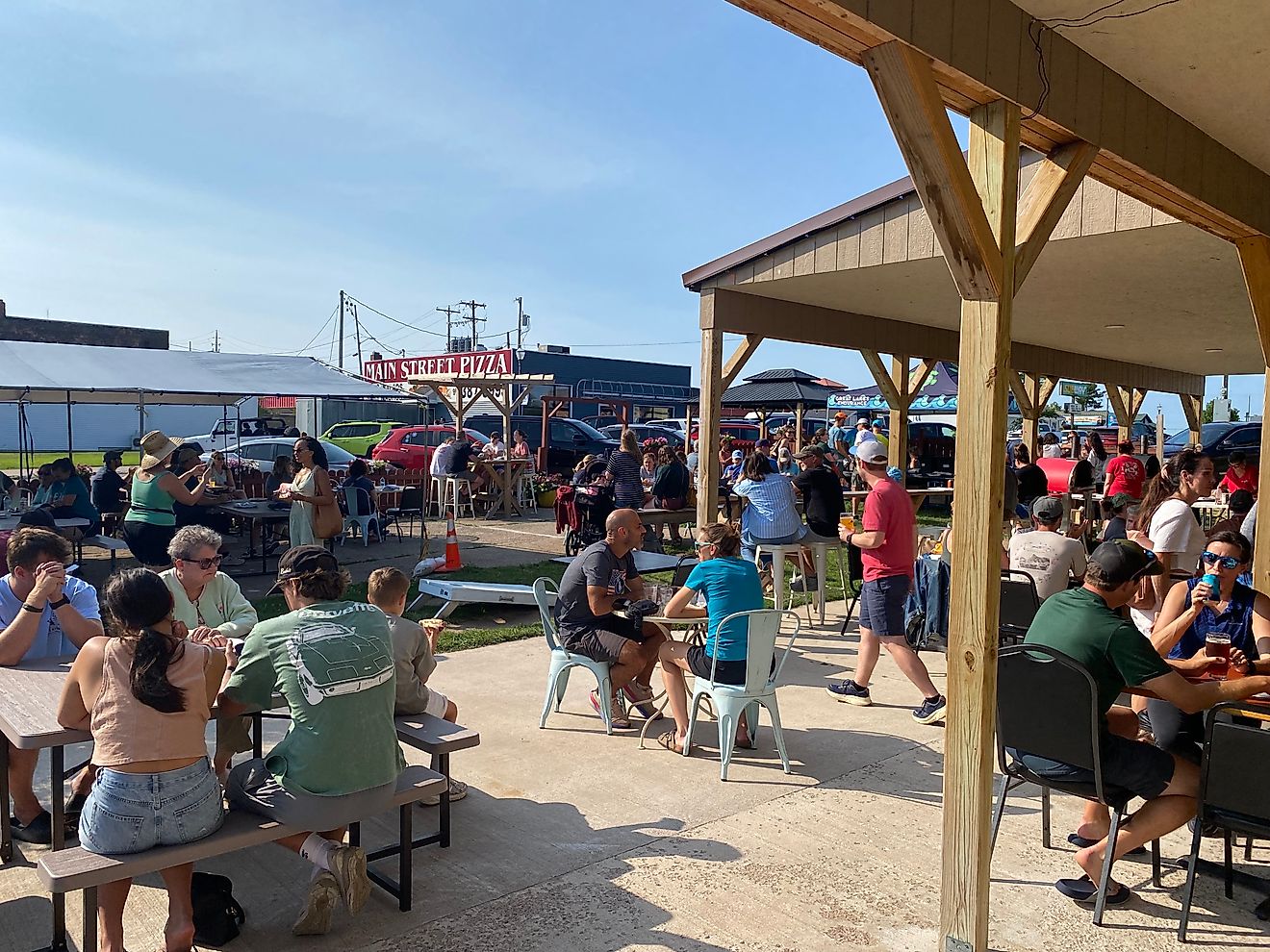
Downtown Branson is one of those places where eating well happens naturally because everything is close together and easy to reach on foot. Start at the corner of East Main Street and Branson Landing Boulevard and walk toward Lake Taneycomo. You’ll step straight into Branson Landing, where restaurants line Promenade Way on both sides. Big Whiskey’s Branson and Waxy O’Shea’s Irish Pub sit right at the entrance. Heading south brings Cantina Laredo, Marble Slab Creamery, Guy Fieri’s Branson Kitchen + Bar, Flaming Margaritas, and Smith Creek Moonshine. Walk north instead, and you’ll hit Saltgrass Steak House, Seven Arrows Taproom, and Black Oak Grill, all within a few minutes of each other.
If you skip the Landing and head west along Main Street, downtown takes on a more local feel. Full Throttle Distillery Grill & Smokehouse is an early landmark, followed by a tight cluster of longtime favorites. The Farmhouse Restaurant is known for classic comfort cooking and blackberry cobbler, while Tai Kitchen offers reliable Thai dishes in a low-key setting. Clockers Café, south on Commercial Street, serves breakfast all day, and MoMo Sushi & Grill, north on Sycamore Street, handles sushi and cocktails without fuss.
A short walk uphill on Commercial Street adds dessert and coffee to the mix. The Pie Safe specializes in individual pies and specialty drinks, while nearby counters handle ice cream, baked goods, and casual sweets.
Shopping

While Branson Landing has all of the designer and brand-name stores you could want, Historic Downtown Branson is filled with more ‘one-of-a-kind’ treasures, and all within a short, strollable stretch. If you orient yourself on Main Street and head west from the center of town, the variety becomes clear immediately. Plum Bazaar greets visitors with walls full of beads, jewelry supplies, and handcrafted accessories in a purple corner building that’s impossible to miss. A few steps farther, the Main Street Flea Market and Patricia’s Victorian House offer antiques, décor, and Victorian-inspired treasures that feel lifted from another era.
Dick’s 5 & 10 is the heartbeat of the district. This family-owned landmark, open since 1961, occupies a massive 10,000-square-foot space packed with everything from old-fashioned candies and toys to pop culture memorabilia, housewares, and local souvenirs. It’s a throwback to the variety stores of a previous generation, complete with vintage tiled floors and a sense of discovery around every corner. Across the street, Alex & Alaina’s Treasure Chest specializes in one-of-a-kind handmade items, including Native American jewelry, moccasins, and Navajo pottery, while Branson Quilts (just down the street) showcases hundreds of patterns from classic patchwork to Amish-inspired designs.
Head up Commercial Street, and you’ll find 417 Vintage Market & Supply Co., a multilevel space where antique, rustic, and vintage décor blend seamlessly, giving the feeling of walking through a carefully curated Pinterest board. And if you head south on Commercial, you'll find The Flagstore, which features the region’s largest selection of American and state flags and adds a patriotic touch to the downtown experience.
Attractions In Downtown Branson

Downtown Branson isn’t just shopping and restaurants; it’s also home to several attractions you can get to on foot. From the heart of Main and Commercial streets, it’s a short stroll to the Branson Scenic Railway at 206 E. Main St., where vintage passenger cars take you on 40‑mile excursions through the Ozark foothills on tracks laid over a century ago. Just upstairs on Commercial Street sits the Branson Centennial Museum, a free, small museum that charts the city’s history from its earliest settlers through its rise as a live‑music destination.
Not far from there, the Historic Owen Theatre and Hot Hits Theatre host live shows right in the downtown core, showcasing community productions and touring acts within easy walking distance of shops and cafés. A few blocks away along Commercial, you’ll also find casual entertainment like the Branson Boardgame Cafe and The Escape Branson, where you can play board games or tackle an escape room challenge.
Cross the railroad tracks, and you’ll reach Arcade City Branson and the lakeside attractions of Branson Landing, including the scenic Main Street Lake Cruises.
Ozark Towns Like Branson

The Ozarks aren't devoid of walkable downtowns, but two bear strong similarities to Branson, Missouri. Eureka Springs, Arkansas, echoes downtown Branson through its compact, attraction-dense core built for wandering. As Branson’s historic theaters and museums clustered along walkable streets, Eureka Springs packs major stops into a tight footprint: the 1886 Crescent Hotel, the Eureka Springs Historical Museum, and a string of independently owned shops along Spring and Main streets. Both towns also turn difficult terrain into part of their character. Branson was built along Lake Taneycomo, while Eureka Springs was developed across steep hills and ravines.

Mountain View, Arkansas, mirrors Branson’s entertainment roots. Downtown revolves around live music, cultural institutions, and festivals, much like Branson before Highway 76 took over. The courthouse square hosts daily folk jam sessions, while nearby attractions like the Ozark Folk Center State Park, Stone County Museum, and Arkansas Craft Guild & Gallery keep arts and heritage front and center.
Branson’s downtown is one of the Ozarks' most walkable, but in a way that actually matters. Main and Commercial Streets put the Scenic Railway, the Owen Theatre, and the Centennial Museum within a few short blocks, with places like Clockers Café, Farmhouse Restaurant, and Dick's filling the gaps. Step a little farther, and Branson Landing adds riverfront dining and attractions without breaking the flow. It’s not just easy to get around; it's all woven together in a way that makes you actually want to explore on foot.