8 Most Alligator Filled Places in Arkansas
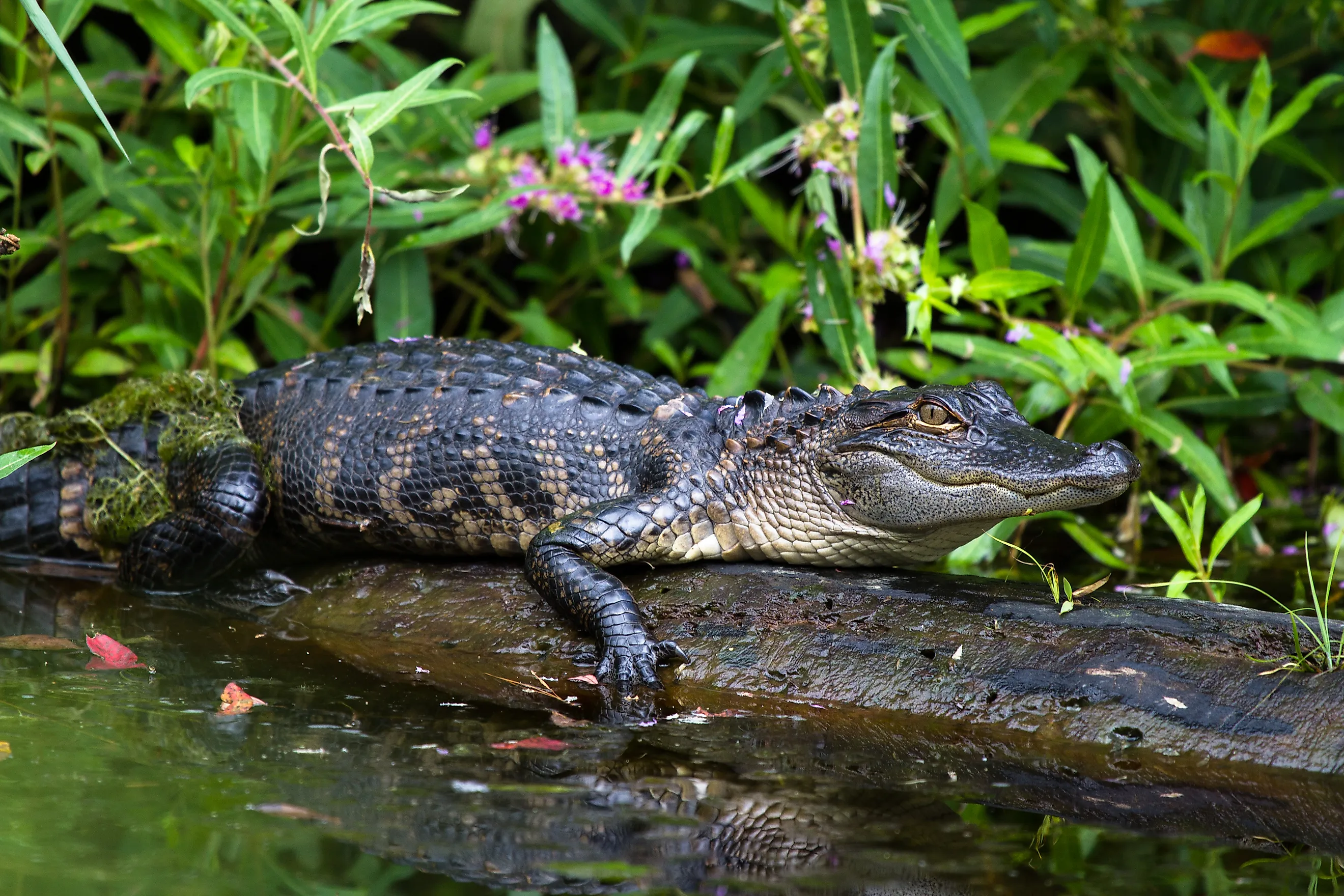
The American alligator is the apex predator of Arkansas. Large male American alligators can reach roughly 11 to 15 feet long and, in Arkansas references, weigh up to about 999 pounds; adult alligators have few natural predators besides humans. The Arkansas Game and Fish Commission restored the species to the state in the 1970s, and today wild alligators are found mainly in the swamps, bayous, lakes, and rivers of southern and southeastern Arkansas. Their strongest populations are concentrated in warm, low-lying habitats near places like Millwood Lake, White Oak Lake, Lake Chicot, and Bayou Bartholomew, where marshy shorelines and abundant prey give them ideal conditions.
White Oak Lake State Park

This state park is located in Bluff City, Arkansas, and is known for its large population of bass and catfish. White Oak Lake State Park is operated by Arkansas State Parks, and White Oak Lake is split into upper and lower sections of roughly 1,031 and 1,735 acres.
Visitors to the park can easily find everything they need, from campsites to marshland bike trails and boat rentals. They also might find alligators. The small park has a population of alligators that multiple visitors to the park have reported spotting. In order to keep the population of alligators under control, the Arkansas Game and Fish Commission allows alligator hunters to kill some of them. In 2024, hunters killed 181 alligators.
Arkansas Post National Memorial

This park holds important historical significance for Arkansas. It marks the 1686 founding of Arkansas Post by Henri de Tonti and is widely described as the first permanent European settlement in the lower Mississippi Valley. With its position on the confluence of the Arkansas and Mississippi River, it was a highly strategic place that would see conflict from the American Revolution to the American Civil War.
Today, the memorial doubles as a museum and outdoor space, with three miles of trails going through a forest, and fishing at all of the waters. The park also protects a group of alligators, some of which are as long as 14 feet.
These alligators will eat any animal they can catch in the park, including birds, snakes, raccoons, and even a deer from time to time. Park authorities recommend keeping dogs on leashes to avoid them becoming the next dinner for these creatures.
Red River

There are two Red Rivers in the U.S., which is why this one is commonly called the Red River of the South to distinguish it from the northern one that flows across Minnesota and North Dakota. This southern river runs along parts of Texas, Oklahoma, Arkansas, and Louisiana, and ultimately feeds the Atchafalaya River rather than flowing directly into the Mississippi River. Its water has a red tint as it flows through sedimentary red-bed rocks.
Alligators are especially prevalent in the Louisiana side of the river, but thanks to repopulation efforts, many alligators can be found in Southwestern Arkansas along the Red River. The warm waters make it ideal for these cold-blooded creatures. Their presence is one of the primary factors making this river unsafe for humans to go for a swim.
Mississippi River

Stretching for 2,300 miles, the Mississippi River has long served as a lifeline for America, both for water and travel. The river discharges 593,000 cubic feet of water per second into the Gulf of Mexico (sometimes called the Gulf of America).
The wildlife here is also especially diverse, with more than 50 mammal species, 260 fish species, and many migratory birds. In fact, 60% of all North American birds fly up and down the Mississippi River during migration.
Alligators are prime residents of the river as well, with their ecosystem stretching up through Louisiana and Mississippi to Arkansas and Tennessee. The freshwater is ideal for them, along with the marshes, swamps, and ponds alongside the river. The murky waters in the Mississippi are also good for concealing the alligator and enabling it to ambush prey more easily.
Millwood Lake State Park

Millwood Lake State Park is named after Millwood Lake, which was created by a 3.3-mile earthen dam on the Little River, built by the U.S. Army Corps of Engineers in the 1960s. The lake itself is 29,500 acres, and the park hugs its southern shores.
Fishing is the most common recreational activity here, since there are a lot of timber stands in the shallower ends of the lake, which attract bass, making it far easier to catch them. Bird watchers come here as well to take photos of the more than 300 species of birds that travel here.
Alligator watchers can find a decent number of these reptiles in the lake, especially in the warmer months when they come out into the waters. Alligators are known to eat not just meat but also wild fruits. They can also turn cannibal and eat smaller alligators.
Ouachita River

The Ouachita River has its source in the Ouachita Mountains in west-central Arkansas and flows south into Louisiana, where it joins the Tensas River and turns into the Black River. It used to be a major steamboating route, but that traffic has slowed down significantly, and today it is known for wetlands and recreational parks, especially near the town of Hot Springs, Arkansas.
In the 1900s, alligators were driven out of the river due to human activity. They have since returned to the river and are seen both in Arkansas and Louisiana, especially in the Black River. The further south you go into Arkansas, the more likely you are to see an alligator, as the northern mountainous section of Arkansas is too cold for them to live. Alligators are a highly important part of their ecosystems, not just by controlling prey populations, but also by building dens to hibernate. These dens are used by other animals when the alligators leave.
Lake Chicot State Park

Lake Chicot State Park sits on the shores of Lake Chicot, a 22-mile lake close to the Mississippi River. It's the largest natural lake in the state, and the largest oxbow lake in the country. These lakes are U-shaped bodies of water that form when a meandering section of the river is cut off from the main body due to silt buildup, creating a free-standing lake.
The water was heavily polluted until recently, as agencies and nonprofits worked together to clean it up and make it appropriate for wildlife and humans. Today, the park offers boating rentals, lake tours, and a seasonal swimming pool. The lake is known to have a population of wild alligators, including an ambassador alligator, which park employees use to teach visitors about these creatures. At times, the park even has a baby alligator that visitors can interact with.
Bayou Bartholomew

This vast bayou runs for 364 miles across Arkansas and Louisiana. It's the longest bayou in the entire world. It was named after a French family, who regularly hunted through this land. It is still a popular fishing destination, especially for catfish and crappie.
In southeastern Arkansas, paddlers can access the Bayou Bartholomew Water Trail, an AGFC trail system centered on a 10-mile paddling route. Alligators are especially prevalent in these waters, alongside turtles, waterfowl, and more than 117 species of fish. There's always something for an alligator to eat in the bayou. As mentioned above, alligators are apex predators, meaning they can hunt with near impunity, save for human intervention.
Be Careful Around this Apex Predator
The southern swamps, lakes, and rivers of Arkansas provide everything an alligator could need: from water to ample prey. It's natural to be frightened of this huge reptile, but actual alligator attacks are quite rare. You can avoid unfortunate incidents by staying out of waters where alligators are known to live. Alligators are highly unlikely to attack a human on land, but they may confuse you with a fish or some other prey in the water. By showing respect to this apex predator, you can view it from a safe distance.