This Is The Friendliest Small Town in New York
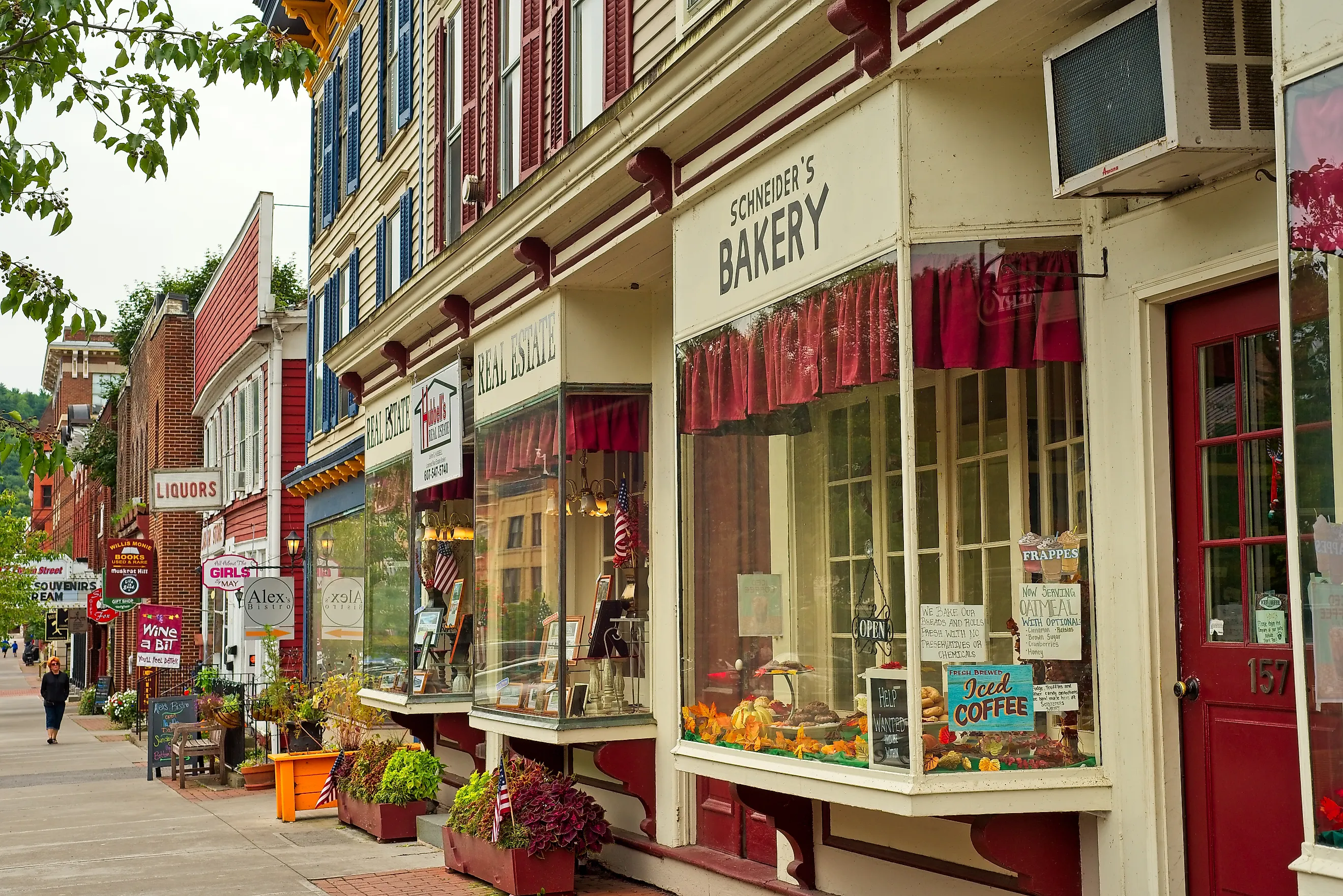
Cooperstown's friendliness has structural roots, not just a Chamber of Commerce slogan. The village holds about 1,800 year-round residents but draws roughly 300,000 visitors a year, which means the local economy and the local culture are both built around hosting strangers. The same families have run the businesses on Main Street for generations, the Clark family philanthropy has underwritten the village's institutions for more than a century, and the Hall of Fame Induction Weekend each July gives the town its most concentrated experience of welcoming outsiders, with locals lining sidewalks and renting spare rooms to fans they have never met. The result is a small village that knows how to receive guests at scale without losing its scale. The Hall of Fame anchors the visitor draw, the Glimmerglass Festival anchors the cultural side, and the rest of the year the village shows up for everyone else.
A Shrine To America's Pastime

Cooperstown sits at the southern tip of Otsego Lake at the headwaters of the Susquehanna River, which flows from here for 444 miles southward to Chesapeake Bay. The lake itself is the village's scenic centerpiece, but the National Baseball Hall of Fame and Museum is the reason most visitors come. Founded in 1939 by Stephen Carlton Clark, a Cooperstown native and Singer Sewing Machine heir, the museum sits on Main Street and spans three floors of exhibits drawn from a permanent collection of more than 40,000 artifacts. The Plaque Gallery, where a bronze plaque of every inducted player and executive lines the walls, is the centerpiece of any visit.

Doubleday Field, two blocks south of the Hall of Fame, was built by the village in 1920 on the lot where Abner Doubleday was once said to have invented baseball (a claim baseball historians have universally rejected, but the legend stuck). The ballpark is owned by the village and seats about 9,500 spectators. It hosts the Hall of Fame Military Classic each Memorial Day Weekend, exhibition games, youth tournaments, and the Road to Cooperstown podcast taping where the newest Hall of Famers share career stories with fans live after the induction ceremony.
Baseball's Big Weekend

Hall of Fame Induction Weekend in late July turns Cooperstown into the center of the baseball universe. The Saturday-evening Parade of Legends is the highlight, with current and past Hall of Famers riding down Main Street while fans line the sidewalks. The parade is now popular enough that fans set up lawn chairs to claim spots more than 24 hours before it begins. The procession ends at the museum's red carpet. The Induction Ceremony itself takes place the following day at the Clark Sports Center, about a mile south. Admission is free, and the Hall of Fame runs shuttle buses from Main Street to the venue.
Culture, Art, And Living History

The Fenimore Art Museum, on the western shore of Otsego Lake, holds one of the most significant American folk-art collections in the country, alongside fine-art works by Thomas Cole and Grandma Moses. The Eugene and Clare Thaw Collection of American Indian Art on permanent display includes more than 800 objects from across the continent. The museum stands on land once owned by James Fenimore Cooper, the early-19th-century novelist who grew up in Cooperstown and made the surrounding lake (which he called "Glimmerglass") the setting for the Leatherstocking Tales. Cooper's father William founded the village in 1786.

Across the road, Fenimore Farm and Country Village (formerly the Farmers' Museum) opened in 1944 on a stone dairy complex commissioned by the Clark family. It is one of the oldest outdoor living history museums in the country and recreates rural life in 1845 New York with a working farm, costumed interpreters, and trade shops including a blacksmith, printer, and pharmacy. The hand-carved Empire State Carousel, a project decades in the making, depicts New York State history and natural heritage on its 25 hand-carved animals.
Community Events And Gatherings

The Glimmerglass Festival, founded in 1975, is now one of the leading summer opera festivals in the country. The company stages four mainstage productions each July and August at the Alice Busch Opera Theater, an open-air theater with retractable side walls built in 1987 on a hillside above Otsego Lake. The festival also runs the free Midday Music concert series at venues around the village throughout the summer.
The Cooperstown Lakefront Concert Series runs Tuesday evenings in July and August at the historic bandstand in Lakefront Park, with free programming from local and regional acts and food vendors on site. The Cooperstown Farmers' Market in Pioneer Alley operates Saturday mornings year-round, with extended Tuesday hours during the summer. Local farmers and producers sell seasonal produce, baked goods, cheese, meat, and handmade crafts.
Why The Village Welcomes You
Cooperstown's combination of attractions, a major sports museum, an internationally recognized opera festival, two nationally significant collections of American art and history, and an active village center is rare for a community of fewer than 2,000 residents. The village has been hosting visitors since the Hall of Fame opened in 1939, and the local culture has built itself around the practice. Whether you arrive for Induction Weekend, a Glimmerglass production, a Saturday morning at the farmers' market, or a quiet walk along Otsego Lake, the welcome is genuine because the town has had nearly a century of practice giving it.