This Is The Friendliest Small Town in Massachusetts
Provincetown is widely regarded as the friendliest small town in Massachusetts. The town sits at the very tip of Cape Cod with a year-round population of about 3,700 people. Its culture of inclusion is woven directly into its community.
Provincetown has one of the highest per-capita concentrations of LGBTQ+ couples in the US and has spent more than a century building its reputation for inclusivity. Annual events such as Family Week, the Provincetown International Film Festival, and Carnival celebrate diversity and community expression while welcoming thousands of visitors.
That reputation is rooted in its artistic legacy and the everyday interactions that bring it to life.
A Town That Earned Its Friendly Reputation

The roots of Provincetown’s welcoming culture trace back to the late 19th century, when artists, writers, and performers began settling along its narrow streets and waterfront. The town’s geographic isolation at the end of Cape Cod drew people seeking greater freedom from the more conservative social expectations that characterized larger, more easily reached communities of the time. Over the decades, the openness of Provincetown attracted a wide range of residents who valued acceptance and creative expression.
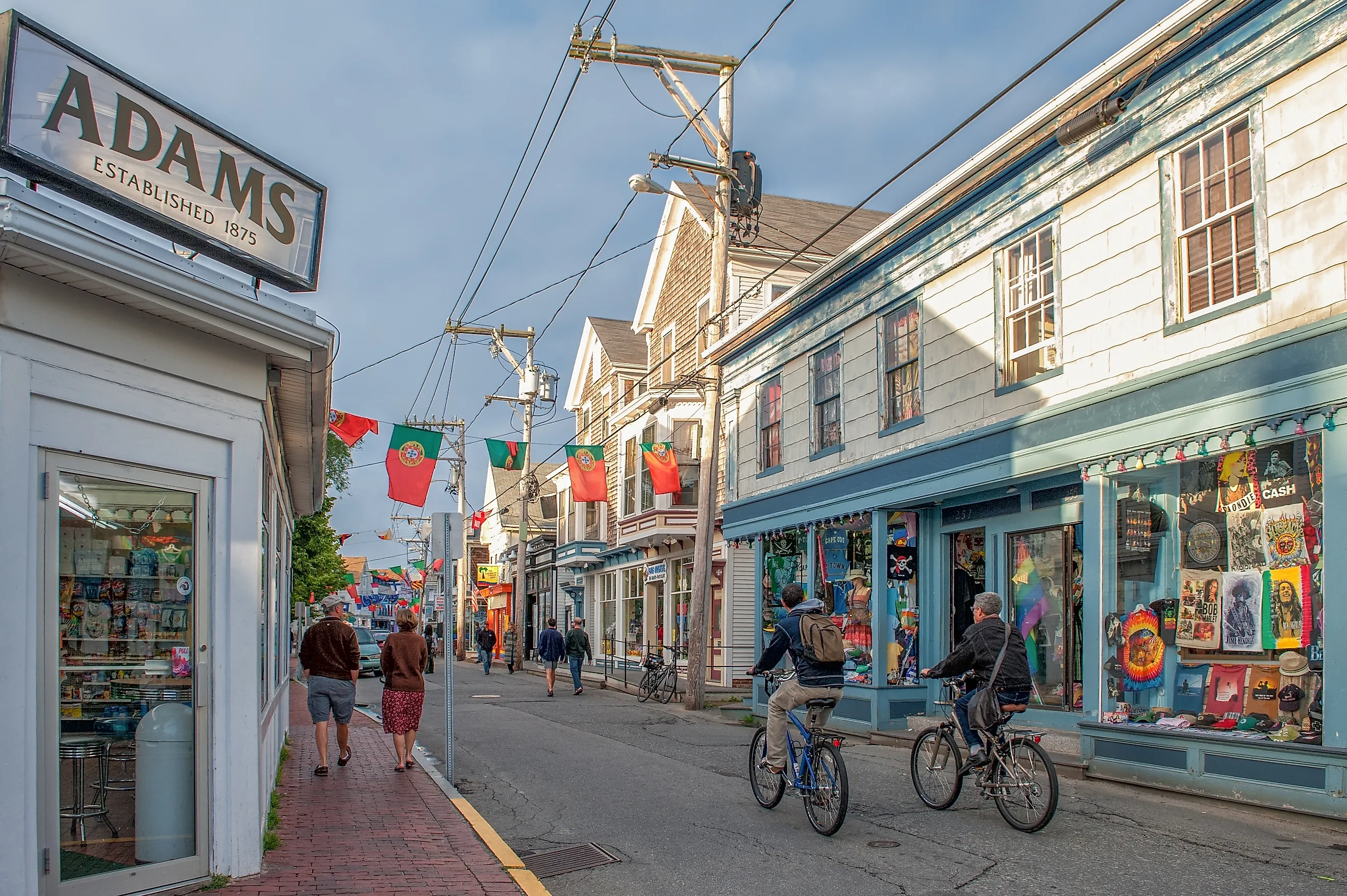
By the early 20th century, the town had developed into a center for art and theatre. The Provincetown Players, an experimental theatre group founded in 1915, helped launch the career of playwright Eugene O’Neill and helped shape the town’s character. Galleries, studios, and performance spaces still line Commercial Street. Here, diverse expressions of individuality are part of the norm rather than the exception.
By the mid-20th century, Provincetown had become a refuge for LGBTQ+ individuals at a time when few places in the US offered such a level of acceptance. That legacy continues to influence local policies, businesses, and community events. The friendliness people experience today reflects generations of residents who built a culture centered on respect and openness.
Events That Strengthen Community Ties

Provincetown’s calendar reflects its welcoming vibe. Its events bring together residents, seasonal workers, and visitors in ways that encourage deeper interaction and community building.
Family Week, organized by Family Equality during the last week of July, brings LGBTQ+ and allied families from across the country. Activities range from beach outings to group meals, creating space for intergenerational connections. The Provincetown International Film Festival highlights independent cinema, with screenings and discussions that invite conversation between filmmakers and audiences.
Carnival is held for a week each August and transforms the town into a large-scale LGBTQ+ celebration. Each year follows a different theme, and participants dress in elaborate costumes for a parade along Commercial Street. Locals and visitors join in together, blurring the lines between performer and spectator.
These events reflect the town’s values by emphasizing participation, expression, and acceptance. People do not just attend but actively contribute.
A Landscape That Encourages Connection

The natural surroundings of the town also influence its social environment. The Cape Cod National Seashore borders the town, providing more than 40 miles of beaches, dunes, and walking trails. Race Point Beach and Herring Cove Beach bring people together throughout the year, offering space for relaxation and informal gatherings.
Race Point Beach sits along an active migratory flyway, making it a reliable spot for birdwatching throughout the season. Offshore, humpback and finback whales can be spotted on their feeding routes. In summer, rangers from the Cape Cod National Seashore lead interpretive programs on the dunes and shoreline. Herring Cove Beach is calmer and more sheltered. It is also one of the few beaches on the East Coast where the sun sets directly over the water.
The harbor is another central pillar of community life. Fishing boats, whale-watching tours, and small sailboats move in and out throughout the day. Waterfront activity keeps the town connected to its maritime heritage, grounding its modern identity in a long history of seafaring and coastal trade.
A Literary and Artistic Legacy That Runs Deep

The cultural identity of Provincetown extends well beyond festivals and seasonal events. Its connection to writers and visual artists continues to influence the town. Bowersock Gallery is one of the better-known contemporary galleries in town and is proudly LGBTQ+ owned. The Provincetown Art Association and Museum preserves the work of artists who helped inspire American modernism. It also connects that legacy to contemporary artwork through rotating exhibitions.
Workshops and classes run throughout the year, many through the Fine Arts Work Center, where emerging writers and artists live and work in close proximity. This setup encourages collaboration and conversation, reinforcing a sense of shared purpose.
Literary history has also contributed to the town’s welcoming feel. Authors such as Mary Oliver once lived in Provincetown, drawing inspiration from its landscapes and atmosphere. Bookstores, community reading events, and small publishing efforts continue that tradition. They are not major institutions, but they still keep ideas moving through town and show what locals value.
Provincetown’s art also spills outside its galleries. Murals, installations, and pop-up performances appear throughout the year, especially along Commercial Street. This less structured approach makes art feel more accessible and immersive.
Why Provincetown Stands Apart

Provincetown’s position as the friendliest small town in Massachusetts rests on more than surface impressions. Its history of inclusion, strong arts community, and emphasis on acceptance create an environment where people feel welcomed quickly. Residents, seasonal workers, and longtime visitors all contribute to that culture. Community-focused events reinforce these values, and the town’s layout and access to nature encourage frequent interaction and connection. This same spirit of openness runs through art spaces, festivals, waterfront businesses, and neighborhood streets.