This Is The Friendliest Small Town in Alaska
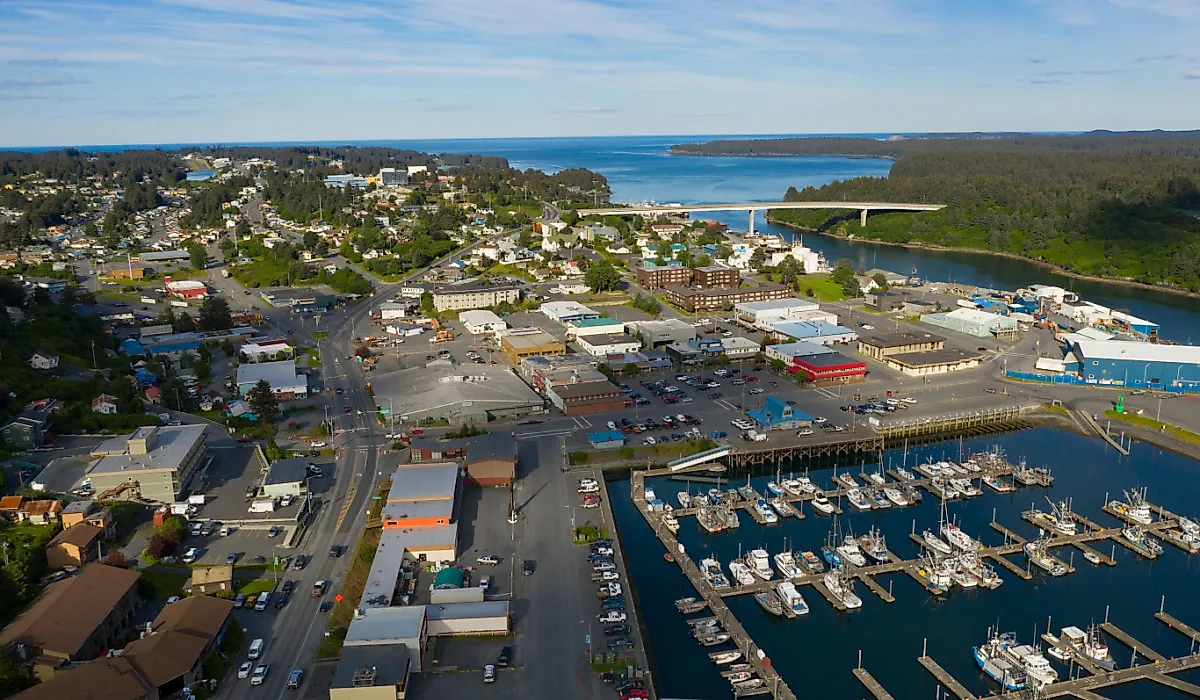
Kodiak is one of the friendliest towns in Alaska because its identity is shaped by commercial fishing families, Coast Guard households, and Sugpiaq roots that go back thousands of years. St. Paul Harbor gives visitors an easy way into that welcoming culture, since the busy waterfront is one of the best places to strike up conversations with locals. The volunteer-run Kodiak Crab Festival shows the town at its most communal, especially during the famous Norm Holm Survival Suit Race. Pillar Mountain gives the whole town a dramatic backdrop, with wide views over the harbor, the base, and Kodiak's green surrounding islands. Below is an exploration of Kodiak and everything that makes it so friendly.
Why Kodiak Earned the 'Friendliest Town' Crown

Kodiak's population is around 5,800 residents, and many are connected to the fishing industry or Coast Guard. The community also includes people whose ancestors have lived on Kodiak Island for thousands of years. The town's welcoming atmosphere is shaped in part by the presence of the U.S. Coast Guard Base, one of the largest Coast Guard bases in the United States. Service members and their families move from all over the world to settle here, so the local community is used to new faces.
The town's size and isolation mean residents interact regularly, and community events, shared workplaces, and volunteer organizations reinforce those connections. This habit of looking out for one another, including visitors, is a core part of Kodiak's identity.
Kodiak's History of Survival and Connection

For more than 7,000 years, the Sugpiaq (Alutiiq) people have inhabited the Kodiak area. Their culture is cemented in the idea of sharing and working together to ensure communities can subsist on resources from the sea. This heritage is on display at the Alutiiq Museum. The museum helps keep the local languages and traditions alive, strengthening local community bonds.
The Russian Era

In the 1780s, Kodiak became an early administrative center of Russian America, with Alexander Baranov establishing Pavlovsk Harbor. Baranov wanted to centralize the fur trade, especially sea otter pelts. The settlement eventually served as the administrative core for a huge territory that extended as far south as Northern California, thanks to its location and deep-water harbor, before the capital moved to Sitka.
Visitors can stroll through the Kodiak History Museum today, located in the Erskine House. The building was constructed around 1808 as a 'magazin' for the Russian-American Company, and built using logs to store thousands of sea otter pelts. It is one of the oldest surviving Russian-era structures in Alaska and still preserves the original hand-hewn logs and thick walls that protect the interior against storms and dampness. The museum also depicts the relationship between the Russian traders and the Alutiiq people, providing a fascinating look at how Kodiak's social fabric formed.
The 1964 Earthquake
The town's most defining moment, however, happened during a disaster. On Good Friday in 1964, a 9.2 magnitude earthquake sent multiple tsunami waves crashing into Kodiak's waterfront. This earthquake was the strongest ever recorded in North America, and parts of the area subsided by several feet. The waves caused extensive damage to the waterfront and fishing fleet, with losses estimated at $45 million in 1964 dollars. At the same time, the locals refused to stay down. They spent years working together to rebuild their harbor and their lives. This struggle still shapes how the town functions today.
Things to Do in Kodiak Today

The rebuilt St. Paul Harbor is the social center of Kodiak. It is a working waterfront and ranks as one of the top fishing ports in the United States by volume and value. It houses hundreds of vessels and has become one of the best places for visitors to observe the fishing industry up close.
Visitors can also make their way to the most famous sight in Kodiak, the Holy Resurrection Cathedral, which is one of the oldest Orthodox parishes in North America, with roots dating to 1794. It is recognizable from quite a distance thanks to its blue onion-shaped domes, and it is known for holding the relics of Saint Herman of Alaska. The monk is remembered for defending the rights of Indigenous people during the town's Russian era.
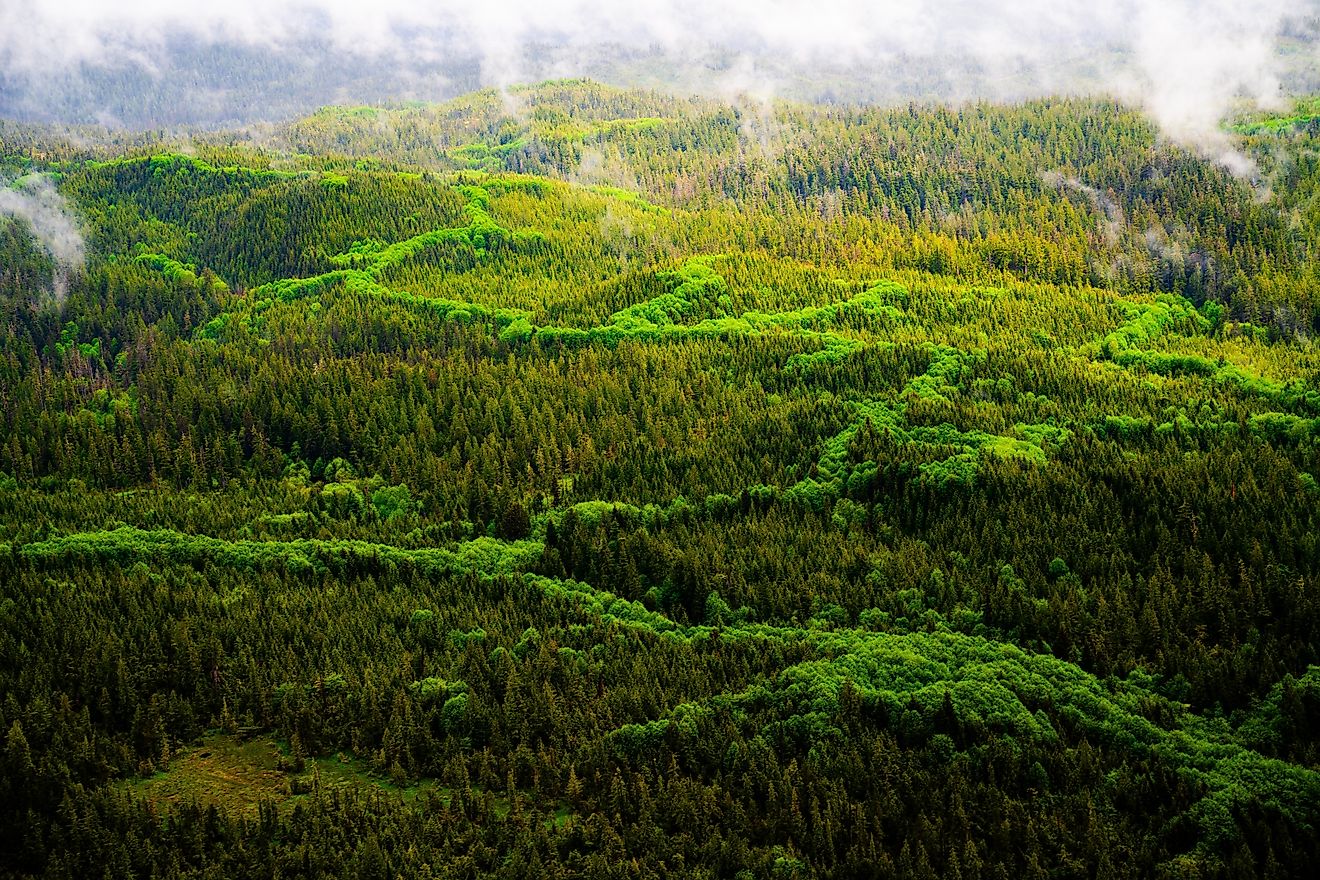
For those who want to experience the outdoors in Kodiak, there is the opportunity to drive or hike up Pillar Mountain, which rises nearly 1,300 feet above the harbor. From the top, the entire town is visible in clear views, including the Coast Guard Base and the surrounding green islands. There are also six wind turbines on the mountain, part of a system that allows Kodiak to generate nearly all of its electricity from renewable sources, including hydroelectric and wind power.
Festivals and Local Events

The best time to experience local hospitality in Kodiak is during the local festivals and events. These are run by volunteers, and each one aims to bring the community together. The Kodiak Crab Festival, which happens over Memorial Day weekend, is Kodiak's biggest celebration. The event started in 1958 to celebrate the end of winter and the start of the summer fishing season.
The most popular activity during the festival is people dressing up for the Norm Holm Survival Suit Race. Each participant dons a neon-orange 'Gumby' suit and then jumps into the icy harbor water to swim to a raft. The festival also features a Grand Parade and delicious fish tacos.
During the Crab Festival, there is a moment set aside for the Blessing of the Fleet. An Orthodox priest stands at the very edge of the docks and prays for the safety of the crews and the abundance of the harvest. As the fishing boats pass in front of him, the priest sprinkles them with holy water.
Those who visit in April can also catch the Whale Fest when the locals celebrate the return of the gray whales as they migrate past Kodiak Island. The event features art shows and lectures and is well suited for anyone who loves the natural environment.
Discover the Heart of Alaska's Emerald Isle
Kodiak is not a typical tourist destination. Interactions tend to be direct and frequent in a town this size, whether you are exploring the rebuilt waterfront, hiking Pillar Mountain, or watching someone in a survival suit jump into the harbor. The town's identity was shaped by Sugpiaq culture, Russian colonial history, a devastating earthquake, and the commercial fishing industry that rebuilt what was lost. That layered history is what holds the community together.