These 12 Towns In The Pacific Northwest Were Ranked Among US Favorites In 2026
The Pacific Northwest keeps its best small towns busy with bronze foundries and silver mines instead of gift shops. These twelve places earned spots among America's favorites in 2026 by staying useful. Joseph still casts bronze at a working foundry near the Wallowa Mountains. Wallace runs tours through a retired hard-rock silver mine led by the miners themselves. Cottage Grove guards the only covered railroad bridge west of the Mississippi River. Yachats lets the ocean fire through Thor's Well at high tide. Each town offers one specific thing worth the drive. The afternoon is yours to fill.
Joseph, Oregon

Joseph stands at the edge of the Wallowa country, with bronze foundries along its streets and the Wallowa Mountains rising hard behind it. The casting work at Valley Bronze of Oregon deserves attention before the lake does, because Joseph's reputation for bronze is made practical there rather than ornamental. Iwetemlaykin State Heritage Site gives the more serious context, preserving Nez Perce homeland with signs that do not blur the history. Wallowa Lake follows, with public grounds for lake access, hiking routes, and the tramway nearby. The Josephy Center for Arts and Culture adds exhibits, talks, and regional programs to the mix, while Embers Brewhouse is the plain stop for pizza, burgers, and beer after time outside.
Bandon, Oregon

At the Coquille River mouth, Bandon is at its best when the weather is not trying to be polite. Coquille River Lighthouse, an 1896 structure reached through Bullards Beach, gives the harbor its clearest historic marker. The harder coastal drama sits at Face Rock State Scenic Viewpoint, where sea stacks and surf meet the Ewauna legend that the town has worked into its identity. Inland from the wind, the Bandon Historical Society treats the 1936 fire, cranberry trade, timber years, and port economy as more than footnotes. Face Rock Creamery draws steady traffic for cheddar, curds, and grilled cheese. Bandon Coffee Cafe is the sensible first stop before the wind builds along the harbor.
Silverton, Oregon

Silverton benefits from having real civic shape instead of a strip of visitor attractions. The Oregon Garden remains its largest draw, with formal gardens, oak groves, water features, and seasonal plantings spread across the grounds. The Gordon House, Frank Lloyd Wright's only built work in Oregon, sits nearby and proves more restrained than many people expect from the name attached to it. Silver Falls public land tends to define the visit, especially the Trail of Ten Falls, where the route passes behind and beside several major cascades. Back in town, Mac's Place on Water Street keeps a former saloon in use for food, drinks, and conversation, which is a better outcome than reverent preservation alone.
Cottage Grove, Oregon

Rain suits Cottage Grove. It darkens the brick storefronts, sharpens the old depot, and makes the Coast Fork Willamette feel less like backdrop than infrastructure. Start with Chambers Covered Bridge, the only remaining covered railroad bridge west of the Mississippi, because the preservation claim is specific and earned. The mining record is kept at Bohemia Gold Mining Museum, close to tools, photographs, and local documents. Row River Trail then moves the visit outward along a former rail line past Dorena Lake, fir hills, and farm edges. The Axe & Fiddle is the best evening room on Main Street, with pub food, local taps, and live music that feels rooted rather than packaged.
Baker City, Oregon

Baker City has enough frontier material to overplay it, but the better parts show restraint. The Geiser Grand Hotel still dominates downtown, restored with stained glass, a corner turret, and a dining room that keeps a civic presence. East of the historic center, the National Historic Oregon Trail Interpretive Center puts the migration story on actual ground, with wagon ruts still visible above the basin. Back on Main Street, Peterson's Gallery and Chocolatier offers a smaller pleasure through handmade truffles and sea-salt caramels. For open country, the Elkhorn Scenic Byway runs toward Anthony Lakes and the Wallowa-Whitman National Forest, where granite ridges do more than any frontier slogan.
Yachats, Oregon

On this part of the central coast, Yachats runs on tide tables more than schedules. Cape Perpetua Scenic Area supplies the strongest public ground, especially the route to the stone shelter above headlands, surf, and Sitka spruce. Cook's Chasm is where Thor's Well and Spouting Horn draw crowds at high tide, and the ocean there does not reward carelessness. The Little Log Church preserves the 1926 sanctuary and civic records, giving Yachats a memory beyond the coast. Green Salmon Coffee Company handles coffee and baked goods in the morning. Ona Restaurant & Lounge is the dinner stop for coastal seafood, regional produce, and a dining room that takes the view seriously without making it do all the work.
Coupeville, Washington

Near Penn Cove, Coupeville is strongest where gull noise, working boats, and weathered storefronts still set the tone. The wharf comes first for many visitors, with marine exhibits, small shops, seabirds, and boats around the old structure. Ebey's Landing National Historical Reserve is the essential walk, using prairie, bluff, and preserved farmsteads to explain the national protection better than a brochure can. Island County Historical Museum keeps the record exact, moving from Coast Salish history through maritime trade and into early settlement without losing the thread. Toby's Tavern remains the direct place for Penn Cove mussels, beer, and a room that has not been polished into imitation history.
La Conner, Washington

La Conner uses the Swinomish Channel, old storefronts, and Skagit farmland with more discipline than many waterfront places manage. The Museum of Northwest Art gives the town cultural weight through work by Morris Graves, Guy Anderson, and other artists tied to the region. The La Conner Quilt & Textile Museum occupies the 1891 Gaches Mansion, using the house as a sound frame for craft history. Outside town, the Skagit Wildlife Area at Wiley Slough puts herons, snow geese, and tidal estuary views close at hand, with little effort required to find them. Oyster & Thistle Restaurant and Pub makes practical use of Skagit ingredients, serving seafood, meats, and nearby produce without leaning only on the view.
Winthrop, Washington

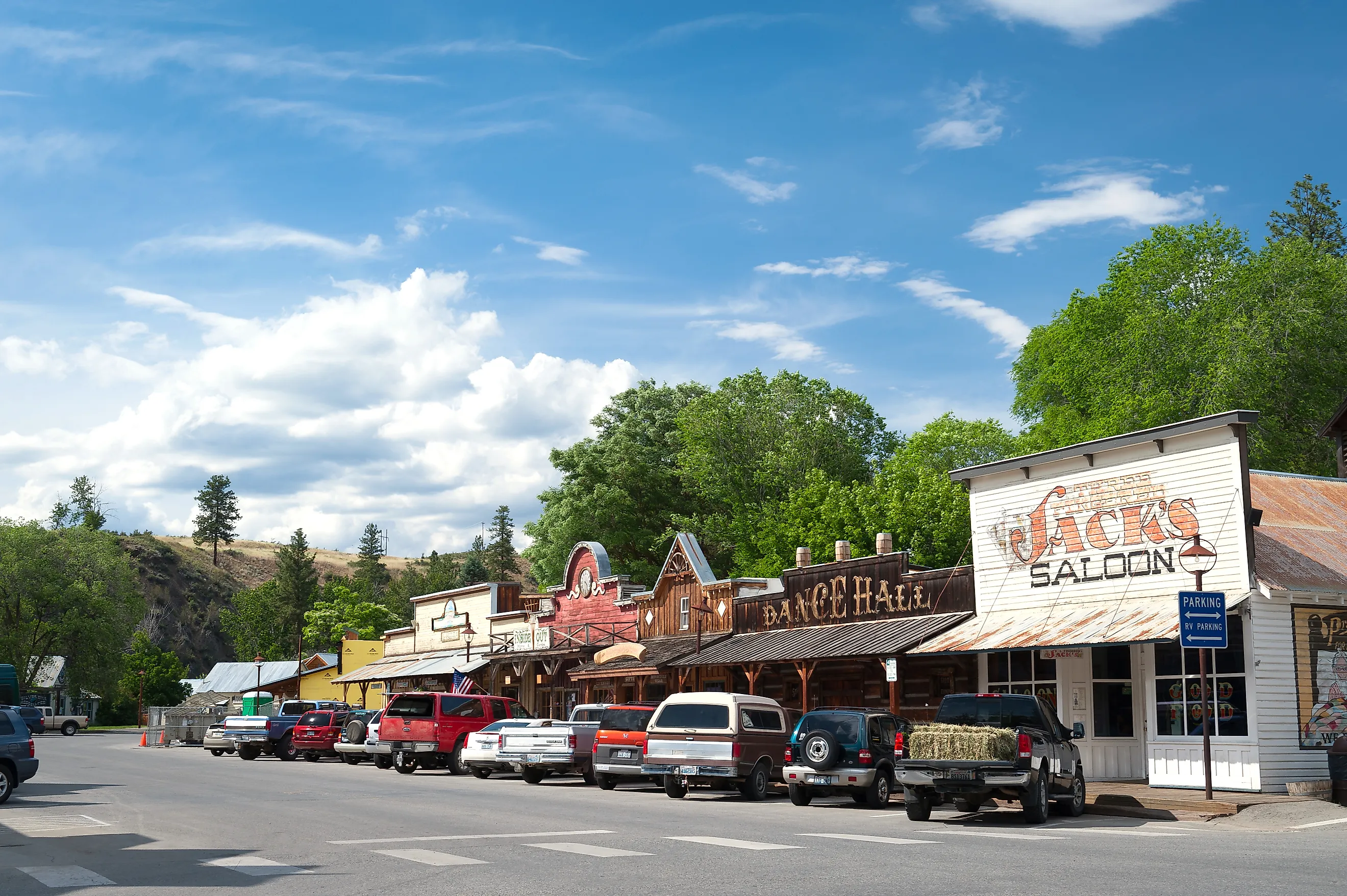
Winthrop's wooden boardwalks and false-front buildings are plainly staged, but the place is more than that surface. Shafer Historical Museum offers the corrective, using cabins, tools, wagons, and mining and ranching material to show how the Methow country functioned before the Western facade became the public face. Pearrygin Lake Park offers swimming, paddling, and clear views of the hills around town. In winter, Methow Trails brings Nordic skiers; in warmer months, the same broad trail system draws mountain bikers and walkers without much overlap. Old Schoolhouse Brewery serves beer and dinner beside the Methow River, which is exactly what the day usually calls for.
Stevenson, Washington

On the Washington side of the Columbia River Gorge, Stevenson sits less than an hour east of Vancouver and quieter than many Gorge destinations. Beacon Rock trail is the main outdoor argument, with a steep path fixed into the basalt monolith and broad water views from the top. Inside the Columbia Gorge Interpretive Center, exhibits cover Native communities, sternwheelers, logging, and early Gorge travel with enough detail to justify the stop. Red Bluff Tap House serves beer, sandwiches, and burgers after hiking. Skamania Lodge represents the more polished side of Stevenson, with zip lines, axe throwing, and a blufftop dining room facing the Columbia and Cascade ridges.
Wallace, Idaho

Wallace still looks like a mining center first and a weekend destination second. Underground, the Sierra Silver Mine Tour uses retired miners to explain hard-rock work in direct terms. The Northern Pacific Depot Railroad Museum puts the rail story in a solid frame, from ore shipments to passenger travel through the mining district. Above town, the Route of the Hiawatha follows trestles and tunnels on a mountain-grade descent that needs little embellishment. The Oasis Bordello Museum preserves a more awkward piece of area history, and does so with restraint. 6th & Cedar Espresso is the dependable coffee stop before a walk past the brick storefronts.
Bonners Ferry, Idaho

Bonners Ferry works because it still has a waterway, a refuge, a theater, and a Main Street used for errands as much as browsing. Two Tones Cafe handles the morning cinnamon rolls before the business district gets moving. Kootenai National Wildlife Refuge is the strongest outdoor draw, with Myrtle Creek Falls, wetland drives, and reliable birding minutes away. Boundary County historical exhibits make the railroad and timber years concrete through photographs, tools, and county records. The Pearl Theater brings touring musicians, films, and local productions into a restored church, an efficient reuse that fits the place well. Kootenai River Brewing Company closes the day with beer and pub food near the water, after time in the Selkirk and Cabinet foothills.
These twelve towns do not belong to a single type of place or a single kind of visit. Some carry industrial history, some preserve coastal or river geography, some have staged their past and done it honestly enough. What holds the list together is specificity: each one offers something particular, a bronze foundry, a covered railroad bridge, a mine tour, a tidal well, that survives generalizing. The traveler who moves through a list like this does not need a theme. They need the address, the context, and the afternoon to use it.