5 Copperhead Snake Hotspots In Pennsylvania
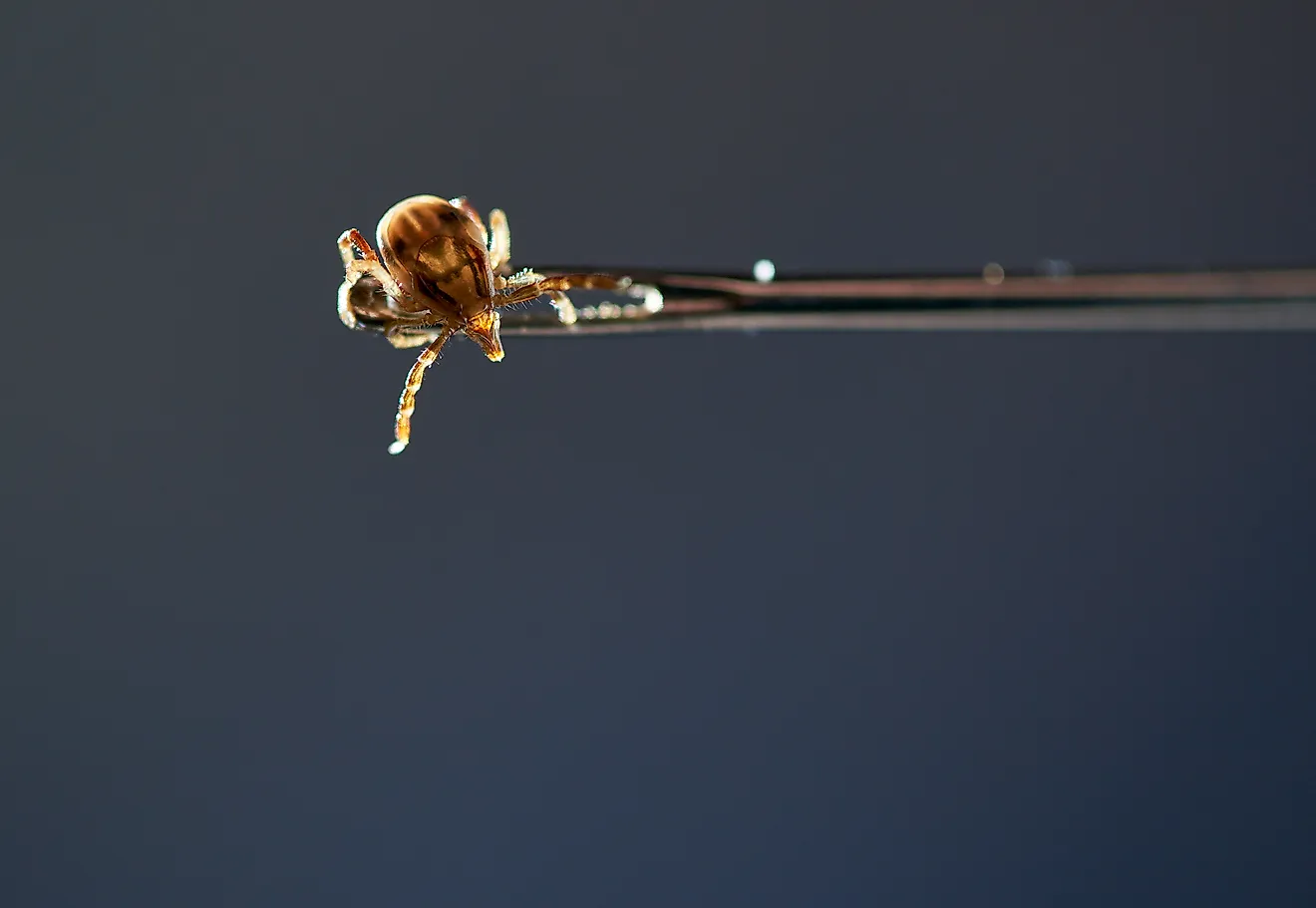
Copperhead snakes cause more bites than any other venomous snake in the United States. Roughly 3,000 of the country's 7,500 annual venomous-snake bites come from this one species. Most are not fatal: copperheads frequently deliver dry bites with no venom injected. The bite count stays high for one behavioral reason. Where most venomous snakes either flee or warn, copperheads freeze in place when a human approaches, which means hikers are far more likely to step on a coiled copperhead than to scare it off. The five Pennsylvania locations below are where humans and copperheads cross paths most often.
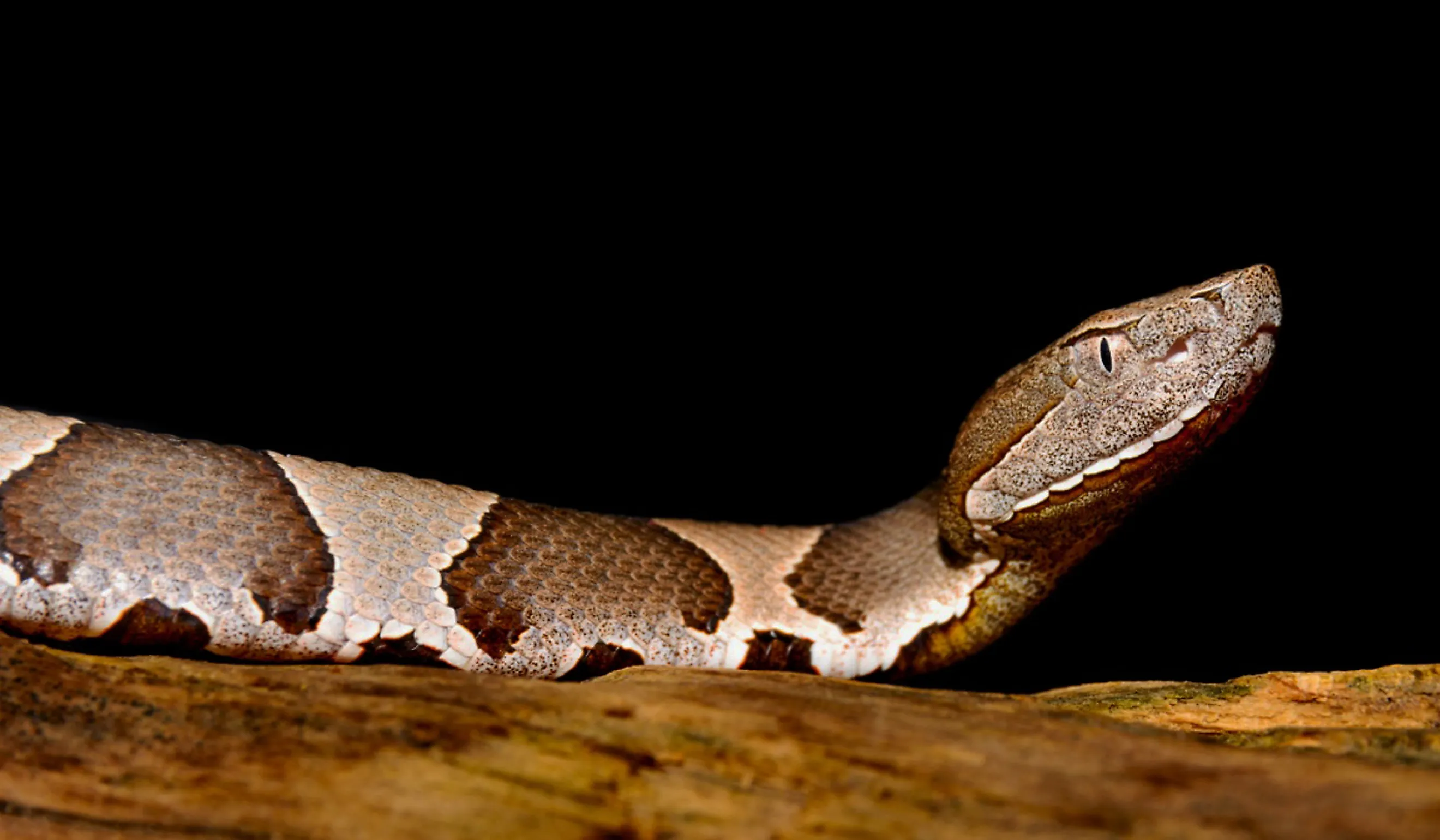
Copperheads are one of three venomous snake species native to Pennsylvania, alongside the rarer timber rattlesnake and eastern massasauga. The species lives across most of the state except the northern third. The most recognizable feature is the copper-colored triangular head set on a long brown body with darker hourglass-shaped crossbands. Adults can grow up to 4 feet long and hunt small mammals, reptiles, and amphibians, using heat-sensing pits between their eyes and nostrils to detect prey and predators in the dark.
Gettysburg National Military Park

Gettysburg National Military Park covers 3,785 acres protecting the battlefield where General Robert E. Lee's Confederate forces clashed with Union General George Meade from July 1 to 3, 1863. The battle was a decisive Confederate defeat and the turning point of the Civil War. Today the park protects more than just the engagement sites: it includes woodlands, swamps, and rocky spurs where wildlife including foxes, groundhogs, deer, and copperhead snakes shelter year-round.

Of the two venomous snakes documented at Gettysburg, the timber rattlesnake and the copperhead, the latter is far more common. Copperheads grow large here, feeding on the small mammals abundant across the park. They are also capable climbers and can be found basking in trees or hiding among the rocks of features like Devil's Den and the wooded slopes of Little Round Top. Visitors have long noted that disturbed copperheads sometimes release a defensive secretion described as smelling like cucumbers.
Lehigh Gorge State Park

Located in eastern Pennsylvania, Lehigh Gorge State Park takes its name from the gorge formed over thousands of years by the Lehigh River. The terrain runs steep with rock outcrops, hemlock-shaded ravines, and waterfalls feeding the river. The park preserves the route of the former Central Railroad of New Jersey, and the converted rail bed (the Lehigh Gorge Trail) runs about 26 miles between Jim Thorpe and White Haven for hikers and cyclists. Old industrial features along the trail, including stone retaining walls and tunnel portals, can offer copperheads convenient cover.

Summer is peak copperhead activity in the gorge, both for hunting and for mating. The snakes find shelter under logs, in rocky crevices, in abandoned outbuildings, and in the dense forest along the river. Copperheads can also swim with their heads above the water, and they are sometimes mistaken for cottonmouths along the wooded shorelines of Pennsylvania's ponds, creeks, and rivers (cottonmouths do not actually live this far north).
Appalachian Trail

The Appalachian Trail stretches more than 2,190 miles from Georgia to Maine, following the Appalachian range through 14 states. Pennsylvania holds about 230 miles of the trail, often nicknamed "Rocksylvania" by thru-hikers for the persistent talus and scree underfoot. Harpers Ferry, West Virginia, serves as the trail's spiritual midpoint and the Appalachian Trail Conservancy headquarters.

Copperheads are documented along the Appalachian Trail from Georgia all the way to southern New York. With brown scales and dark crossbands, they blend into leaf litter, especially in fall when the camouflage is closest to perfect. In cooler months they may move toward sunnier sections of the trail to bask. Combined with their tendency to freeze rather than flee, this makes the rocky stretches of Pennsylvania's section of the AT one of the most active copperhead-encounter zones in the East. Hikers should watch the ground when stepping over logs, around boulders, and onto rocky ledges.
Lancaster County

Sitting in southern Pennsylvania along the Susquehanna River, Lancaster County is the sixth most populous county in the state and home to the largest Amish community in North America. Throughout its rural trails and forested riverside parks, including Susquehannock State Park and Tucquan Glen Nature Preserve, copperhead sightings have increased in recent years.

A pair of baby copperheads was found on a public Lancaster County trail and relocated to a wildlife conservation area in a widely reported incident a few years back. Hikers have also reported copperheads at the Ferncliff Wildflower and Wildlife Preserve along the creek and rock formations on the main trail. Copperheads turn up across the county's broader trail network, including the 29-mile Enola Low Grade Rail Trail along the Susquehanna River. The river itself is a copperhead corridor, since the snakes use it as both a water source and a temperature regulator on hot summer days.
Delaware Water Gap National Recreation Area

The Delaware Water Gap National Recreation Area covers a 40-mile section of the Delaware River along the Pennsylvania-New Jersey border. The recreation area takes its name from the Delaware Water Gap, the dramatic notch where the river cuts between Blue Mountain and Kittatinny Mountain. Roughly 4 million people visit the recreation area annually due to its proximity to the New York City and Philadelphia metro areas. Park staff specifically caution visitors about copperheads in spring and summer.
A section of the Appalachian Trail crosses the recreation area, which (as noted above) is established copperhead territory. The snakes can travel surprising distances between dens and hunting grounds, and they sometimes cross park roads in the process. Park authorities recommend that hikers watch their step on rocky and leaf-covered terrain, and that drivers stay alert in early summer when juveniles disperse and road crossings increase.
Copperheads prefer wooded and rocky habitat, but they are highly adaptable and turn up under almost any cover, including suburban backyards. Their venom is among the milder of North American pit vipers, and they often deliver dry bites with no venom at all. Copperhead bites still cause significant pain, swelling, and tissue damage, however, and anyone bitten should seek medical attention immediately.