The Most Charming River Towns In Tennessee
Tennessee's rivers run through inviting towns with walkable main streets and historic buildings, underlining each region's diverse natural landscapes. Some pull in visitors with riverfront recreation, while others are known for their slow pace and scenic waterfronts, featuring boardwalks and riverside parks. Town centers with independent shops and local bakeries function as gateways to the historic Mississippi River in Tiptonville, the French Broad River in the Great Smoky Mountains foothills of Dandridge, and the Tellico River in Tellico Plains, near the wildlife of the Cherokee National Forest. These Tennessee towns show how riverside communities across the state thrive with lively events and ties to natural landmarks.
Dandridge

The French Broad River and Douglas Lake make Dandridge a prime waterside location in the foothills of the Great Smoky Mountains. Dandridge, reportedly named after Martha Dandridge Washington, wife of George Washington, was founded in 1783 and incorporated in 1793, making it one of the oldest towns in Tennessee. The Tennessee Valley Authority (TVA) dammed the French Broad River in the 1940s, forming Douglas Lake and adding a scenic boating, fishing, and swimming site to the town's list of river recreation. Dandridge's National Register Historic District contains four surviving early-19th-century taverns, including Hickman Tavern and its adjacent coach house, which form part of the Dandridge Town Hall property.
Tiptonville

In west Tennessee, between Reelfoot Lake and the Mississippi River, the rural town of Tiptonville combines American history with scenic waterfront beauty. At one time, Tiptonville was a thriving river port; however, over the years, the river deposited a large sandbar that prevented further access. The New Madrid earthquakes of 1811-1812 formed approximately 15,000-acre Reelfoot Lake, Tennessee's largest natural lake. Set within the cypress tree forests of Reelfoot Lake State Park, the lake is a popular place for fishing, boating, hiking, and wildlife viewing. The Great River Road scenic drive winds along the Mississippi River. Tiptonville is near the site of the 1862 Battle of Island Number Ten, a surrender site for Confederate troops during the Civil War. The 90-foot-tall Freedom Silo, a mural of an American flag and bald eagles, is an iconic site reflecting the town's historic and natural heritage.
Tellico Plains

Tellico Plains, on the Tellico River, blends Appalachian culture, scenic beauty, and outdoor recreation near the Cherokee National Forest. The town is known as the gateway to the Cherohala Skyway, a 43-mile scenic byway with views of mountains, fall leaves, and native wildlife. Local restaurants and artisan shops serve the town center, while 90-foot Bald River Falls in the Cherokee National Forest and trout fishing on the Tellico River support outdoor recreation. The Charles Hall Museum preserves the area's local Appalachian and Native American history. In 2014, Tellico Plains was designated a Benton MacKaye Trail Town for its access to more than 200 miles of regional hiking and backpacking trails, along with fly fishing and camping sites on the Tellico River. The Benton MacKaye Trail extends approximately 288 miles through Georgia, Tennessee, and North Carolina, with one section following the Tennessee-North Carolina state line near Tellico Plains.
Carthage

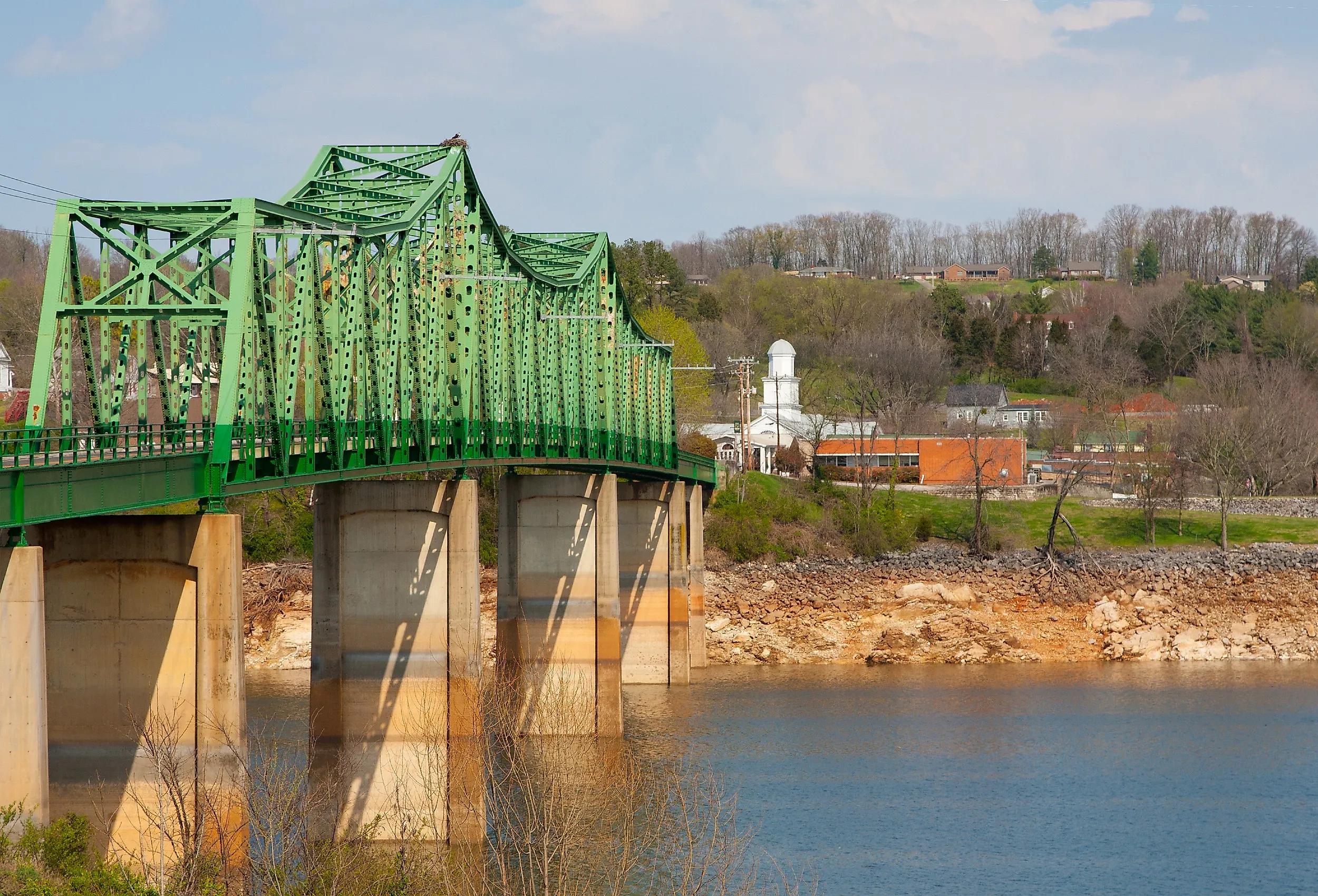
Known as River City for its riverboat-port history, Carthage sits on the Cumberland River slightly west of its junction with the Caney Fork River. The town's location near the rivers made it a key Federal base during the Civil War. Today, it is popular for fishing, kayaking, and canoeing. The historic town square was laid out in 1804 and features 19th-century buildings and the circa 1879 Smith County Courthouse, while the Smith County Farmers Market operates nearby in South Carthage. The Cordell Hull Bridge, a 1936 landmark, spans the Cumberland River and is listed on the National Register of Historic Places.
Gainesboro

Gainesboro, in the Upper Cumberland region of the Appalachian Mountains, makes an impression with notable geological formations and the local spirit of a small town. Set along the Cumberland River and the Roaring River, the town is a popular destination for outdoor recreation, including boating and fishing. About six to seven miles from Gainesboro, The Boils WMA protects an area where underground water resurfaces and produces a churning effect in the Roaring River. Another nod to the area's geography, Flynn Creek Crater is a 2.4-mile-wide impact crater formed by a meteor strike about 360 million years ago. Gainesboro's downtown is on the National Register of Historic Places and was a filming location for the 1970 movie I Walk the Line, starring Gregory Peck. The historic courthouse square has 19th-century structures, boutique shops, and a vintage clock tower.
Calhoun

American history and outdoor recreation come together in Calhoun, set on the north bank of the Hiwassee River. Extending from Appalachia Dam in North Carolina to the Tennessee River, a 55-mile stretch of the Hiwassee River, known as the Hiwassee River Blueway, flows through Calhoun and provides access to kayaking and fishing.
The rural town's Main Street is a designated "original route" on the Trail of Tears National Historic Trail, which preserves the forced removal of Native American groups in the 1830s. The annual River Town Festival, previously promoted as Rollin' on the River, includes a cardboard boat regatta, charity events, guided paddles, and Hiwassee Queen excursions. The scenic East Tennessee and Georgia Railroad Bridge spans the Hiwassee River, still located on its original pilings, though the ironwork has been replaced after being burned and damaged during the Civil War and beyond.
Charming River Towns in Tennessee
Scenic beauty, accessible outdoor recreation, and a sense of community combine to create inviting river towns across Tennessee. Each of these towns has established its river-town status by building its identity around a river network, connected by history, geography, and local traditions. Local spirit and annual events devoted to the riverfront are a large part of each town's identity. These towns show how rivers shape each area, from Calhoun's river-centric Rolling on the River festival to Gainesboro's Appalachian Mountain setting on the Upper Cumberland.