New Jersey's 8 Unsung Small Towns
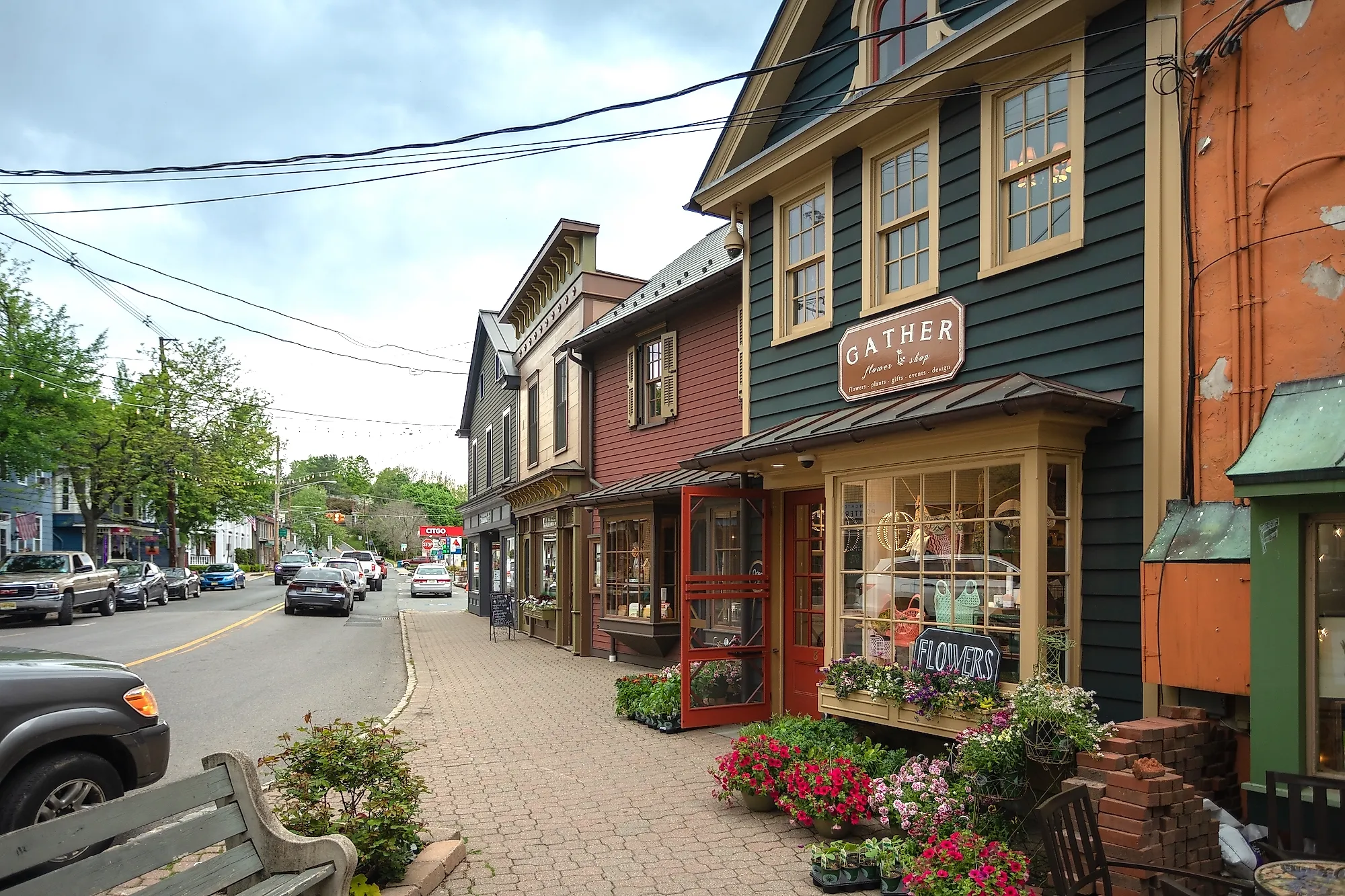
A quiet main street, Victorian homes set back behind shade trees, and the Delaware River catching the light nearby. Scenes like this exist all over New Jersey, yet many people speed past them without noticing. The state is often reduced to highways, shore weekends, or big cities, but between those familiar places are towns where life moves at a slower pace. These are places built for walking, lingering, and paying attention.
New Jersey sits on the East Coast between New York and Pennsylvania, making it one of the most connected states in the country. Millions pass through it every year, and many more have family, work, or school ties here. That constant movement sometimes hides the smaller communities that stayed rooted. New Jersey’s history mirrors the larger American story, shaped by Indigenous people, immigrants, workers, and reformers. That layered past still shows up clearly in its towns.
In this article, unsung means places that are not resort driven, not just commuter stops, and not built around highways. Each town has fewer than 30,000 residents, a real downtown, and a strong identity. These are towns where local shops outnumber chains and daily life still centers on Main Street.
Lambertville

Lambertville is an artsy Delaware River town that grew into itself slowly and thoughtfully. Narrow streets follow the curve of the water, and nearly every block hints at creativity. Art studios, antique shops, and small cafés fill restored 19th-century buildings, making the downtown easy to explore on foot.
The town feels lived in, not curated, which is part of its appeal. Lambertville’s past runs deep. During the Revolutionary War, the area played a key role, and George Washington and his troops passed through and camped nearby. The river crossing just south of town became part of a turning point in American history.
Later, the Industrial Revolution reshaped Lambertville into a manufacturing and transportation center, leaving behind brick buildings and rail lines that still define its look today. You can check out Holcombe-Jimison Farmstead Museum, Delaware and Raritan Canal Towpath, New Hope-Lambertville Toll Supported Bridge, and North Union Street Art Corridor.
Frenchtown

Frenchtown is a creative river town with an arts-forward feel. Long before the town was formed in 1867, the Lenni Lenape lived along the Nishisackawick Creek. By the late 1700s, a small settlement grew around a ferry landing and mills. Frenchtown grew during the 1800s as a busy river and rail town.
Timber mills, factories, hotels, and a covered bridge tied it to Pennsylvania and the Delaware Canal. Fires, floods, and changing industries later slowed growth, and by the 1970s many storefronts stood empty. Revival came when artists, antique dealers, and small businesses moved in.
Nearby rail corridors and the Delaware and Raritan Canal State Park towpath now form one of Frenchtown’s most loved features, offering walking and biking routes along the river. ArtYard anchors the arts scene with exhibitions and performances just off Bridge Street. Horseshoe Bend Park gives quiet river views and open space. Also check out the historic Uhlerstown-Frenchtown Bridge, which has connected Frenchtown to Pennsylvania across the Delaware River since the early 1930s.
Collingswood

Collingswood grew from land once used by the Lenape people and later settled by Quakers in the late 1600s near Newton Creek and the Cooper River. Much of the area was farmland owned by the Collings family before the borough officially formed in 1888. Food plays a big role in Collingswood’s identity.
For many years it was a dry town, shaped by Quaker values. Alcohol sales are still banned, but many restaurants allow customers to bring their own wine or beer. Since 2015, craft breweries have been allowed to open, though they cannot serve food.
You can spend a morning at the Collingswood Farmers’ Market, where fresh produce, live music, and local vendors fill the space. Knight Park is a good stop for a walk or picnic under old trees. History fans can visit the Collings-Knight Homestead from the 1820s, or walk through the Collingswood section of Harleigh Cemetery, where American poet Walt Whitman is buried.
Clinton

Clinton is a historic mill town anchored by a river and covered bridge. Long before European settlers arrived, the Lenape used the Lower Minisink Trail to travel, trade, and hunt across this land. That trail later became the Easton Brunswick Road, turning the area into a natural meeting point.
The town grew around waterpower and trade, especially near what became Hunt’s Mill. Today, that history is easiest to see at the Red Mill Museum Village. Art lovers can check out the Hunterdon Art Museum that was repurposed from a 19th-century stone mill.
Just upstream, DeMott Pond & Pumphouse creates a calm spot where people sit by the river and watch the current move past old foundations and trees. Clinton’s compact downtown reflects its stagecoach and railroad past. Main Street is lined with small shops and antique stores set inside preserved buildings.
Cape May

Cape May feels different the moment you arrive. Rows of restored Victorian homes line quiet blocks near the beach, many painted in soft pastels or bold trim. History runs deep here and not just in architecture. Cape May County’s story stretches from Native American settlements and early whaling communities to the Victorian boom and the world wars.
Sites like the Harriet Tubman Museum of New Jersey tell stories of the Underground Railroad and the people who risked everything to help others reach freedom. Guided experiences such as Cape May MAC’s Underground Railroad Trolley Tour help place these stories within the streets you walk today.
Historic Cold Spring Village brings the early 1800s to life through restored buildings, costumed interpreters, and hands-on activities spread across shaded grounds. Nearby, the Cape May Lighthouse rewards visitors who climb its 199 steps with wide views of the ocean and marshes.
Red Bank

Red Bank is a small town with a big creative pulse. Set along the southern bank of the Navesink River, it packs music, art, food, and local energy into just 1.75 square miles. The town’s story is tied to transportation and change. In the late 1800s, Red Bank grew through steamboat and rail connections to New York, becoming a busy commercial stop.
By the 1980s, downtown activity slowed as large malls pulled businesses away. The turnaround began in the early 1990s, when the creation of the Red Bank RiverCenter and a Special Improvement District helped bring life back to the core streets.
One anchor of this comeback is the Count Basie Center for the Arts, which draws national performers and keeps the arts visible at the heart of downtown. A short walk away, Broad Street acts as the town’s main spine, lined with vintage shops, galleries like Detour Gallery, and cafés. Marine Park gives visitors a calm place to watch boats and sunsets along the river.
Chester

Chester began at the crossing of Native American trails that later became major roads through New Jersey. What started as farmland slowly turned into a village, then briefly into a mining center, before settling into the quiet town it is today. Chester never grew large, but it grew layered. Each period left something behind that still shows up in its streets, buildings, and routines.
Walking along Main Street, you can see how the village period shaped the town. Brick storefronts, older homes, and long-standing businesses sit close together, giving the center a compact and personal feel. This stretch developed after the Washington Turnpike (Route 24) opened in the early 1800s, bringing travelers, taverns, and trade.
You can also visit the Black River Park to explore abandoned mines, rocky paths, and open fields. Beyond the center, Chester’s landscape hints at its mining past. Roads like Furnace Road lead toward sites tied to iron production from the mid-1800s, when furnaces and canals brought short-lived wealth.
Haddonfield

Haddonfield is a small town where history shows up in everyday life. Kings Highway East runs through the center and works as a true main street, filled with local shops, cafés, and gathering spots that keep the town active without feeling busy or commercial. Haddonfield’s story began in the late 1600s when Quaker settlers chose this spot along a key crossing of the Cooper River.
The town grew quickly as a place of trade and meeting, shaped in large part by Elizabeth Haddon, who helped organize land sales, worship, and daily life. You can visit the Indian King Tavern Museum, where New Jersey leaders met during the Revolutionary War, and see how close national history feels inside a small building on a quiet street.
Another layer of Haddonfield’s identity comes from science and culture. A Hadrosaurus fossil discovered here in 1858 and a bronze dinosaur statue now stands at the Hadrosaurus Foulki Site and the "Haddy" the Dinosaur Statue as a reminder.
These towns show a side of New Jersey that often gets missed. They are not built around crowds or quick stops. They grew through history, work, and local choices that still shape daily life. What connects these towns is scale and intention. You can walk their main streets, talk to shop owners, and notice details that feel personal. They reward curiosity rather than speed. Together, they remind visitors that New Jersey is not just a place you pass through. It is a collection of communities that grew carefully and continue to live at their own rhythm.