9 Of The Quietest Hawaii Towns
Beyond its rugged Pacific coastlines and pristine beaches, Hawaiʻi is dotted with small towns that reflect and celebrate the islands' Polynesian heritage and embrace remote, rural living. On Maui, the long, scenic drive to Hāna rewards visitors with an ancient temple at Kahanu Garden and the state's signature black sand, while ranch towns in the mountains, such as Makawao, honor Hawaiʻi’s paniolo cowboy roots with parades and rodeos. In Kaunakakai on Molokaʻi, you can explore a royal coconut grove and grab a fresh loaf from Kanemitsu's Bakery's "bread alley" when the sun goes down, while Haleiwa features world-class surfing and a quieter escape from Oahu's urban resorts. These nine towns stand out for their slower pace and distinctive landmarks, offering a different perspective of the Hawaiian Islands off the beaten path.
Makawao, Maui

Makawao is the ‘biggest little town’ in Maui’s Upcountry region. It got its start when cattle ranchers settled in this mountainous area of the Valley Isle. Makawao celebrates its paniolo (cowboy) roots every summer with the annual Makawao Parade, which includes rodeo events and floats that honor the cowboys of Old Hawaiʻi. Stroll down Makawao’s main street and stop in at Haku Maui for a true Hawaiian experience. This flower shop offers workshops where visitors can learn how to craft lei po’o, flower garlands made to be worn around your head like a crown. As you explore town, pick up an ‘ono (delicious) cream puff at the famous T. Komoda Store & Bakery, and pause to watch glassblowers at work at Hot Island Glass. Just outside town, the Makawao Forest Reserve is a great spot to hike and mountain bike through lush pine forests and fern-covered slopes.
Hāna, Maui

For a true Hawaiian retreat, try the famous ‘Road to Hāna,’ a four-hour-long journey across Maui that will take you past gorgeous rainforests, waterfall hikes, and dramatic coastal views. Just before you get to town, stop at Waiʻānapanapa State Park to hike along the ocean and finish with a refreshing dip at a black sand beach. Once you are in town, plan to visit some of the delicious food trucks that Hāna is known for, including Thai Food by Pranee, where visitors rave about the locally caught fish curries.
Just ten minutes outside of town is the Piʻilanihale Heiau at Kahanu Garden. This Hawaiian heiau is a sacred place of worship that was used by Native Hawaiians in ancient times. It is one of the largest heiau in Polynesia and not to be missed. On your way out of town, make sure to stop at the iconic Hasegawa General Store to pick up distinctly Hāna-made souvenirs, essentials, and gas. It’s the last gas stop before reaching another major town, so be sure not to skip it.
Hanapēpē, Kauaʻi

Hanapēpē is a historic plantation town on Kauaʻi’s south shore that has evolved into the island’s unofficial art capital. If your visit falls on a Friday, catch the Hanapēpē Art Night, when more than fifteen galleries stay open late, and local artists, musicians, and food trucks line the main road. The town’s most recognizable landmark is the Hanapēpē Swinging Bridge, a narrow pedestrian bridge that spans the Hanapēpē River. Be careful as you cross! The old bridge is a bit rickety, but the views are worth the thrill. Kids will love spotting the Lilo & Stitch murals around Hanapēpē, a town that helped inspire Lilo’s fictional hometown in Disney’s popular film. Lastly, pick up a ginger cinnamon morning bun at Midnight Bear Breads, or try the bakery’s famous ‘ulu (breadfruit) sourdough.
Kōloa, Kauaʻi

Kōloa was established in 1835 and made history as Hawaiʻi’s first successful sugar mill. Today, the town is best known for its trendy shops, set along its main street in plantation-style storefronts. As you explore, make sure to stop by Sister Sister, a popular clothing boutique, and pick up a deliciously all-natural treat next door at The Fresh Shave, featuring syrups with unexpected flavor combinations. For a dramatic sight, check out Spouting Horn Blowhole about 10 minutes away to watch seawater shooting high into the air through a lava tube carved into the rocky shoreline, and more stunning ocean views await via the Mahaʻulepu Heritage Trail, also about 10-15 minutes away. This relatively easy hike follows rugged sea cliffs and limestone formations along one of Kauaʻi’s most striking coastlines.
Kaunakakai, Molokaʻi

For a quiet getaway off the beaten path, Kaunakakai in Molokaʻi provides a quiet backdrop with a blend of activities, natural beauty, and culture. The town is considered the commercial center of Molokaʻi, and the main street, Ala Mālama Avenue, features small shops, eateries, and local markets. As you wander, pop into Kanemitsu's Bakery, famous for its late-night “bread alley,” where warm loaves of sweet bread are served with butter, jelly, or cream cheese.
Visit the Kapuāiwa Coconut Grove just outside town to see one of the last remaining royal coconut groves on the islands. This historic stand contains hundreds of coconut trees planted in the 1860s during the reign of King Kamehameha V and is one of Molokaʻi’s most famous landmarks. Make sure to catch the Molokaʻi Farmers' Market, held every Saturday in Kaunakakai, where local farmers and Native Hawaiian artisans gather to sell fresh produce, crafts, and artwork.
Hāwī, Hawaiʻi Island

Hāwī, pronounced ha-vee, is famous for being near the birthplace of King Kamehameha I, the ruler who united all the Hawaiian Islands. The vibrant town, known for its artistic community, is perfect for exploring uniquely Hawaiian boutiques, cafés, and galleries. The Olena Gallery, located right on Hāwī main street, features over fifty local artists in its stunning showroom. Those up for an adventure can check out Kohala Zipline, where thrill-seekers will fly through lush tropical canopies on eight ziplines high above the ground. Hikers will love exploring the Pololū Valley Trail, just outside of town. The 2.5-mile path has beautiful views along the way and ends at a dramatic black sand beach. For dinner, try the Bamboo Restaurant & Gallery, a popular spot set in a refurbished historic 1910s hotel that serves up delicious Hawaiian-Asian-American fusion food using local organic ingredients.
Volcano, Hawaiʻi Island

Volcano is a small rainforest town just minutes from the entrance to Hawaiʻi Volcanoes National Park, which is home to Kīlauea, one of the world’s most active volcanoes. Visitors can explore the Kīlauea Iki Trail, which takes hikers through gorgeous ʻōhiʻa lehua forests to an old lava field, and past steaming volcanic vents to a lookout. If the volcano is actively flowing, you might even catch a glimpse of fresh lava. Within the village itself, the Volcano Art Center showcases beautiful work by local artists. Inside the national park, kids will love exploring the Nāhuku (Thurston Lava Tube). Strap on a headlamp and walk through this dimly lit underground tunnel formed by flowing lava centuries ago. If your trip lands on a weekend, stop by the Volcano Village Farmers Market, where you can pick up souvenirs before heading to the Puʻu Loa Petroglyph Field, one of the largest of its kind in Polynesia.
Waimea (Kamuela), Hawaiʻi Island

Waimea, also known as Kamuela, sits in the mountainous ranchlands between Mauna Kea and the Kohala Mountains. Like Makawao, the town is rooted in its paniolo past, which developed after cattle ranching expanded across the island in the 19th century. Parker Ranch, one of the largest privately owned cattle ranches in the US, is one of the town’s most famous landmarks. Today, visitors can explore the historic homes and learn about the history of the Parker family and Hawaiian ranching culture.
Waimea is also known for its stellar farmers' markets, so make sure you visit one of them during your stay. The largest is the Waimea Farmers Market, which is held on Saturdays at the Parker School in the center of town and has picnic tables so you can enjoy your fresh 'ono food immediately. The Waimea Mid-Week Market held in the Parker Ranch Pukalani Stables is another fun choice because, in addition to the plentiful local food and produce vendors, there is a free mini-museum you can check out inside the stables to learn more about Waimea’s cowboy heritage. Your trip to Waimea wouldn’t be complete without a horseback ride of your own, so saddle up at Paniolo Adventures for a tour through the rolling green pastures of the ranchland.
Haleiwa, Oʻahu

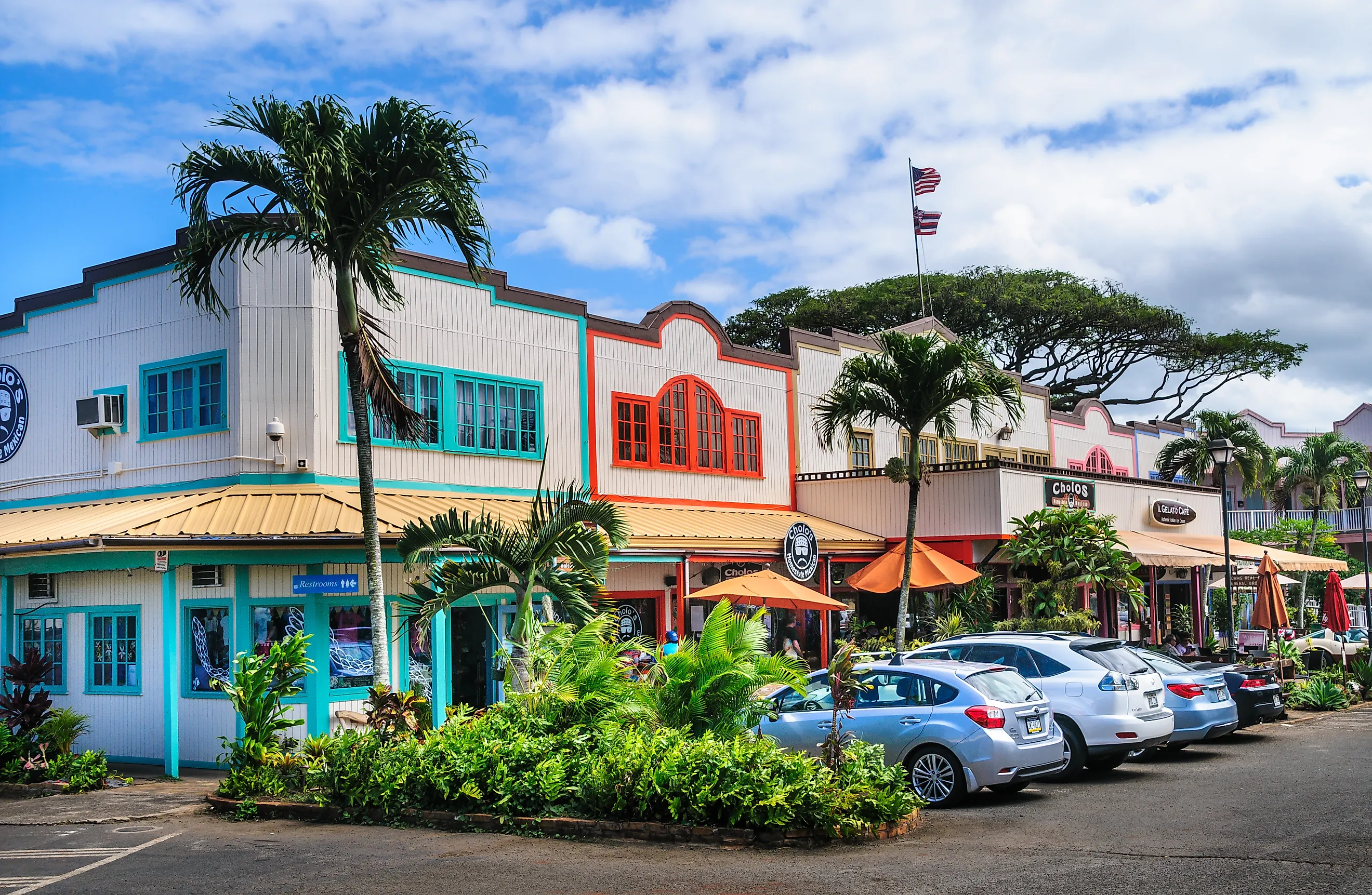
Haleiwa is the central town on Oʻahu’s North Shore. This seaside spot is known for its fabulous surf and excellent boutique shopping. Its historic main street features plantation-era storefronts housing surf shops, art galleries, and restaurants. People wait in line for hours for a bowl of the iconic Matsumoto Shave Ice, but locals know that Aioki’s Shave Ice just down the block serves up equally yummy flavors. Cross the famous Rainbow Bridge, which spans the Anahulu River at the edge of town. For a fun way to view the bridge, rent a paddleboard or kayak and check it out from the river. A short drive away, Waimea Bay is a popular family-friendly beach with an expansive shoreline that is perfect for kids in the summertime when the surf is small. During the winter, this bay transforms and is the location for one of the most famous surfing competitions, the Eddie Aikau Big Wave Invitational. Professional surfers from all over the world come to compete, tackling monster waves that tower more than twenty feet high!
Enjoy the Quieter Side of Paradise
These nine towns illustrate how Hawaiʻi’s smaller communities preserve local traditions and feature unique landscapes that are seldom found in the larger resort areas on the islands. Whether exploring plantation-era streets in Kōloa, hiking coastal trails near Hāwī, or browsing Waimea’s farmers' markets, each destination offers a glimpse into the rhythms of daily island life. For travelers seeking quieter surroundings and authentic local character, these towns provide a meaningful way to experience Hawaiʻi beyond its busiest beaches and most visited attractions.