8 Most Relaxing Towns in the Northern United States
The best places to unwind aren't resorts. They're towns that never tried to be destinations but became ones anyway, because the lake was too clear, the trail too good, or the wine too worth the drive.These eight towns run from the Walla Walla Valley to the Rhode Island coast. One built eight America's Cup defenders. Another has a swamp full of tupelo trees at the northern edge of their range. A third hosts the oldest Fourth of July parade in the country.
Walla Walla, Washington

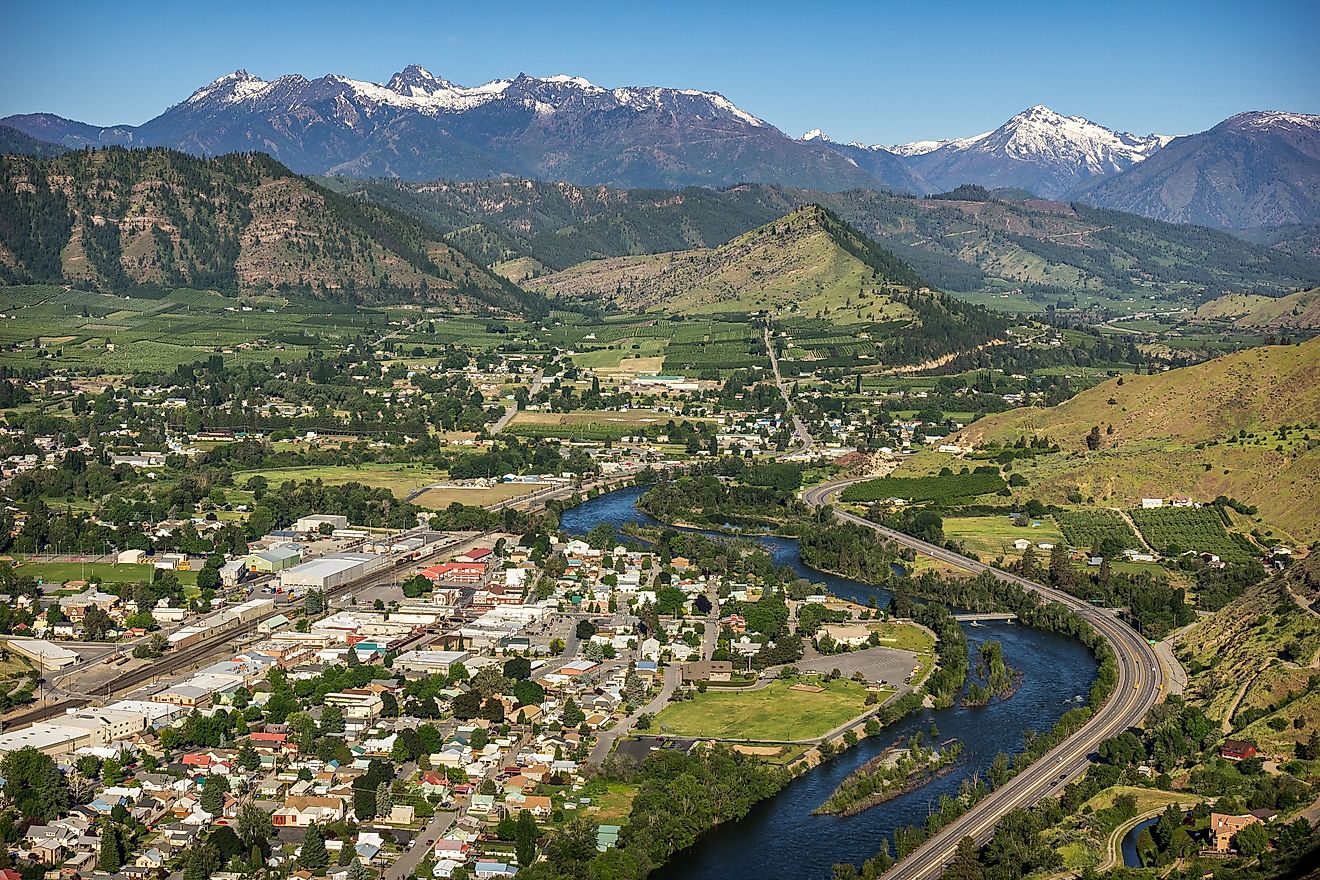
Walla Walla sits in southeastern Washington at the edge of the Blue Mountains, population around 34,000. It's a wine town first. The Walla Walla Valley AVA, established in 1984, now has over 120 wineries producing some of the best Cabernet Sauvignon, Merlot, and Syrah on the West Coast. USA Today readers voted it Best Wine Region in 2020 and 2021.
Two wineries stand out for the full experience. Caprio Cellars makes Bordeaux-varietal blends from estate fruit, with a tasting room offering 360-degree views of the valley. Abeja, about four miles east of town on a restored century-old farmstead, pairs estate wines with a restaurant and the Inn at Abeja, a collection of private cottages that won USA Today's Best Wine Country Hotel.
Beyond the vineyards, Pioneer Park offers a low-key afternoon with gardens and shaded walking paths, and Bennington Lake has trails, fishing, and paddling. But the wine is the reason to come, and the pace of the valley is the reason to stay.
Winona, Minnesota

Winona sits on the Mississippi River in southeastern Minnesota's Driftless Area, population about 26,000. La Crosse is 30 miles downriver and Rochester is 44 miles west, but Winona has its own gravity. It's a college town (Winona State, Saint Mary's) known as the stained glass capital of the United States, built into a landscape of river bluffs that would be hard to improve on.
Sugar Loaf is the signature landmark: a rock pinnacle rising 85 feet above a bluff, shaped by 1880s limestone quarrying and listed on the National Register of Historic Places. Garvin Heights Park offers a panoramic overlook of the city and the river valley below. Southeast of town, Great River Bluffs State Park adds more trail options, including the King's Bluff Nature Trail out to a Mississippi River viewpoint.
On the riverbank downtown, the Minnesota Marine Art Museum occupies a seven-acre campus dedicated to art inspired by water. It once displayed a version of Emanuel Leutze's Washington Crossing the Delaware. The collection is quieter now, but the setting, right on the Mississippi, still works.
Decorah, Iowa

Decorah is a town of about 7,600 in northeastern Iowa's Driftless Area, set in the bluffs of the Upper Iowa River valley. It's a college town (Luther College, founded 1861) with deep Norwegian roots that still show.
The Vesterheim Norwegian-American Museum is the largest museum in the country dedicated to a single immigrant group: over 33,000 artifacts, 12 historic buildings, and a folk art school running more than 100 classes a year in rosemaling, weaving, woodcarving, knifemaking, and more. Nordic Fest, an annual celebration of Norwegian culture, draws visitors from across the region.
The natural setting holds up its end. Dunnings Spring Park has a waterfall and limestone bluffs. The Trout Run Trail loops around the town through forest, farmland, and stretches along the Upper Iowa River. And the Raptor Resource Project runs a bald eagle webcam here that has become one of the most-watched wildlife livestreams in the country.
Meredith, New Hampshire

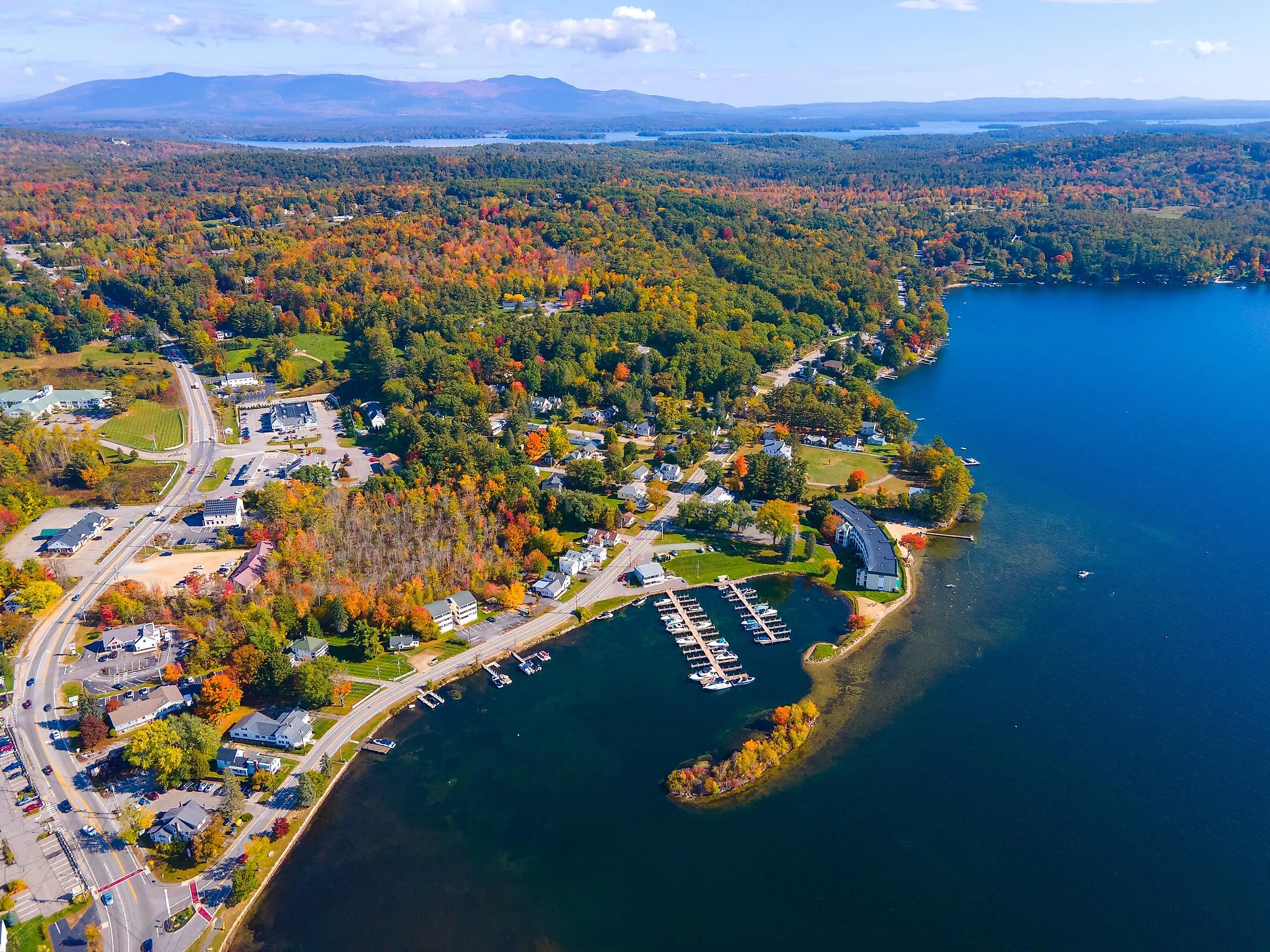
Meredith is a town of about 6,600 in New Hampshire's Lakes Region, sitting on the shore of Lake Winnipesaukee, the largest lake in the state. Winnipesaukee covers 71 square miles, has 264 islands and 288 miles of shoreline, and Meredith is one of the best places to access it. The town also borders Lake Waukewan, Lake Wickwas, and Lake Winnisquam, so water is never far away.
The Winnipesaukee Scenic Railroad runs vintage diesel trains from Meredith along the lakeshore to Lakeport, with fall foliage season drawing busloads of visitors. The MS Mount Washington, a historic steamboat, also operates from here. Downtown is compact and walkable, with restaurants and shops clustered along the bay.
For trails, the surrounding conservation areas offer hiking with lake views from elevated ridgelines. But Meredith works just as well if you never leave the waterfront. It's a lake town that leans into being a lake town, and doesn't overcomplicate it.
Canandaigua, New York

Canandaigua is a city of about 10,600 at the northern tip of Canandaigua Lake in the Finger Lakes. The name is Seneca for "the chosen spot," and the lake backs it up: 15.5 miles long, up to 50 feet of visibility, and voted the best drinking water in New York State.
The history runs deeper than most visitors expect. The 1794 Treaty of Canandaigua between the U.S. and the Six Nations was signed here. Susan B. Anthony was tried here in 1873 for the crime of voting. The city also gave rise to the Canandaigua Wine Company, now Constellation Brands, one of the largest beverage companies in the world.
Sonnenberg Gardens and Mansion State Historic Park is the standout attraction: 50 acres, a 40-room Queen Anne mansion built in the mid-1880s, and nine formal gardens including Japanese, Italian, rose, and moonlight designs. The Finger Lakes Wine Center on the grounds offers tastings. Kershaw Beach, at the north end of the lake, keeps things simple with public swimming and waterfront access.
Litchfield, Connecticut

Litchfield is a town of about 8,200 in Connecticut's northwest hills, and its history punches far above its size. It was home to the first law school in the United States, founded by Tapping Reeve in 1784. Aaron Burr and Horace Mann studied there. Harriet Beecher Stowe grew up here. Ethan Allen was born here. During the Revolution, townspeople melted down a statue of King George III and cast it into bullets.
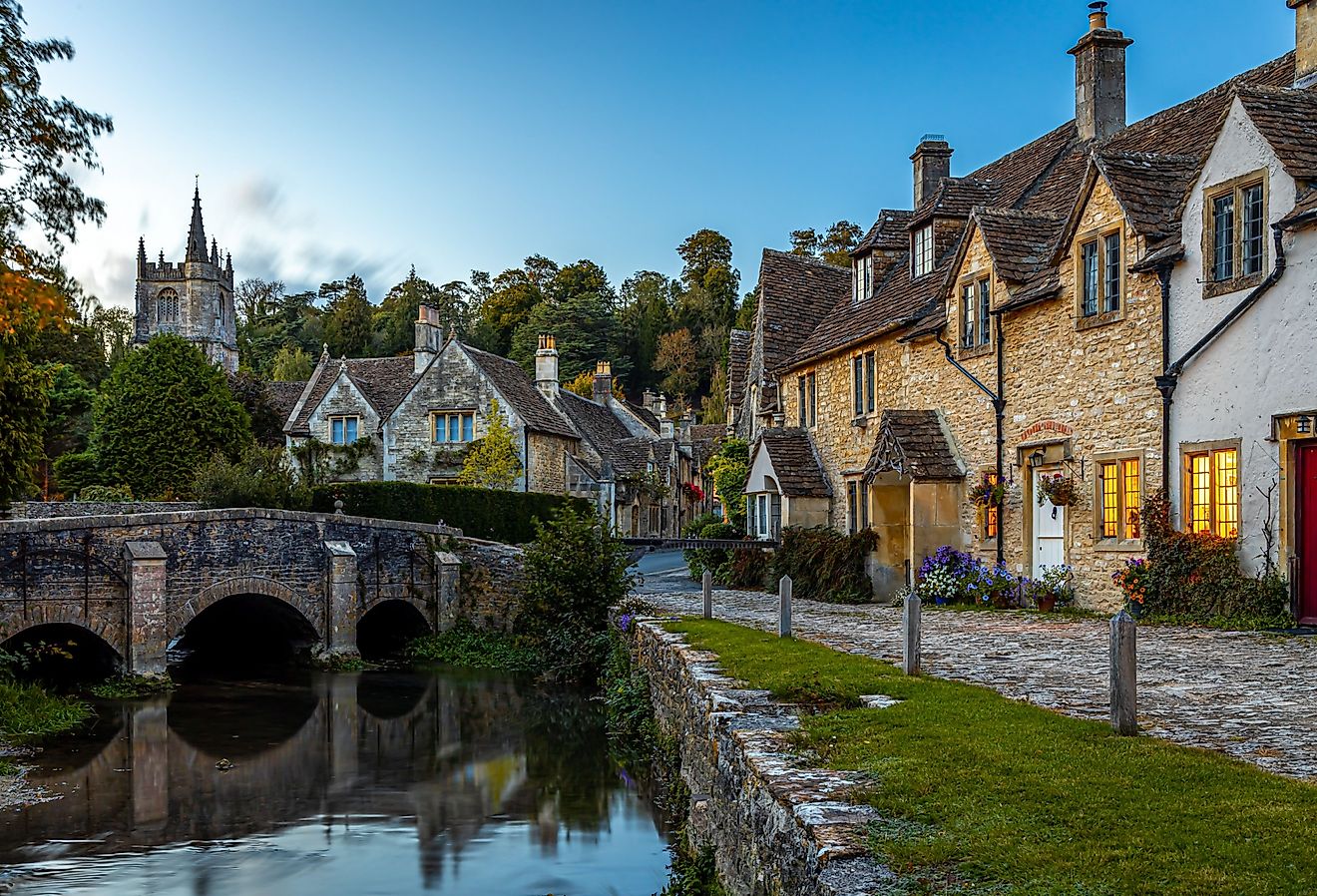
The Litchfield Historic District preserves much of that era along North and South Streets. The Tapping Reeve House still stands. So does the Oliver Wolcott House, home of a Declaration of Independence signer.
The natural surroundings match the history. The White Memorial Foundation covers 4,000 acres with about 35 miles of trails through forests, wetlands, and meadows, plus a mile-long boardwalk through marshland. Topsmead State Forest, over 600 acres, has wooded trails and the Chase estate house, a Tudor Revival home from 1924 designed by Richard Henry Dana, open for tours in warmer months.
Saco, Maine

Saco is a city of about 20,000 on the southern Maine coast, settled in 1631 and incorporated in 1867. It sits where the Saco River meets Saco Bay on the Gulf of Maine, and it developed as a textile manufacturing center in the 1800s before shifting toward tourism.
Ferry Beach State Park is the natural highlight: 117 acres with a sandy Atlantic beach, inland trails, and a pocket swamp featuring tupelo trees at the northern limit of their range. The park is a quieter alternative to Maine's more crowded beach towns. The Eastern Trail, a greenway running through southern Maine, connects Saco to Scarborough Marsh, a 3,200-acre salt marsh that is the largest in the state.
Downtown, the Saco Museum (now paired with the Dyer Library) holds more than 12,000 artifacts tied to the region's history. Main Street still carries traces of the city's 19th-century industrial past.
Bristol, Rhode Island

Bristol is a town of about 22,500 on a peninsula between Narragansett Bay and Mount Hope Bay in Rhode Island. It's the county seat of Bristol County and home to Roger Williams University.
The town is best known for hosting the oldest continuous Fourth of July celebration in the United States, a parade that draws over 200,000 people and has earned Bristol the nickname "America's most patriotic town." That identity sits alongside a more complicated past: much of Bristol's early wealth came from the slave trade, particularly through the DeWolf family, who trafficked over 10,000 Africans by 1820.
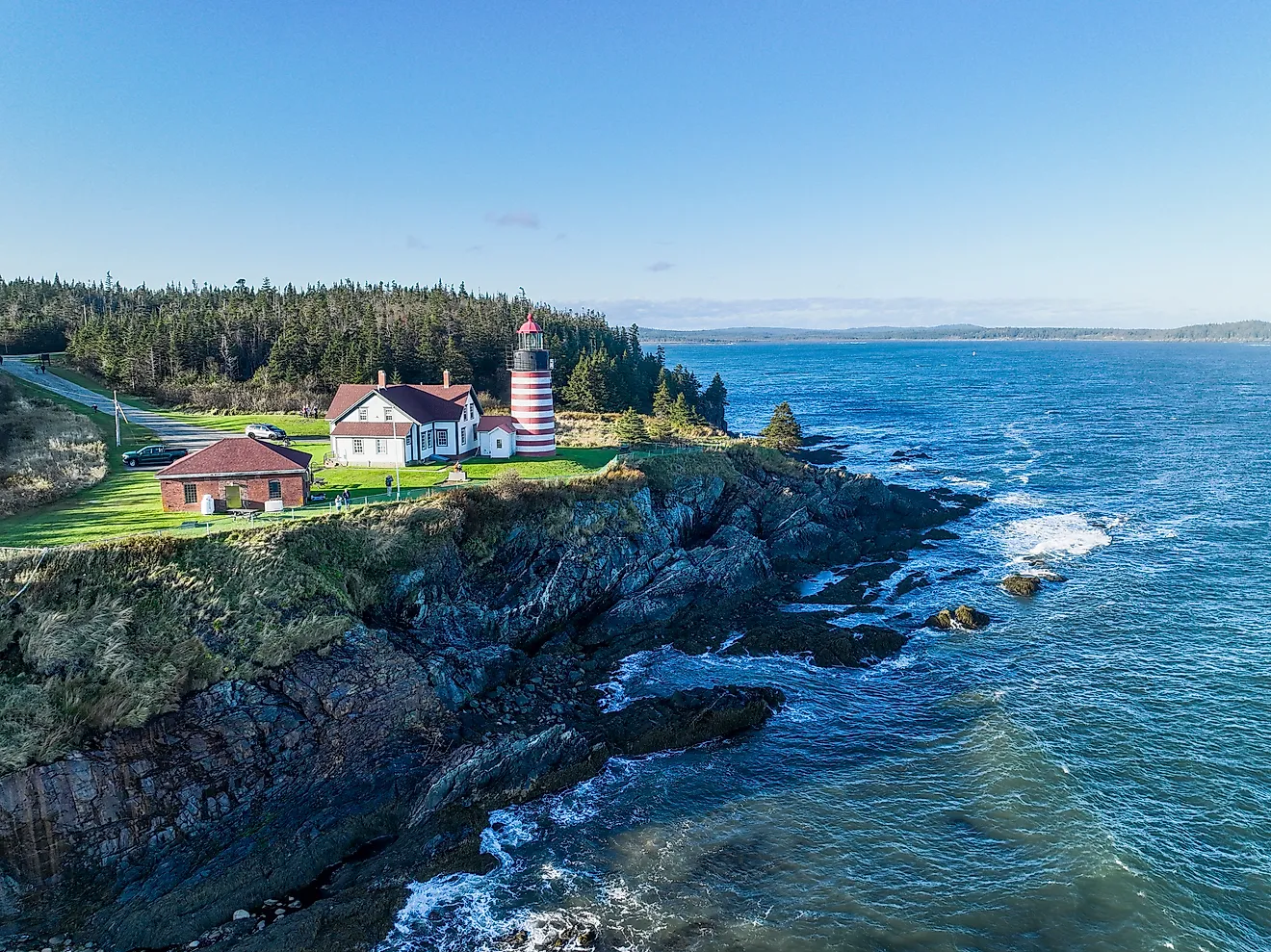
The waterfront holds up. Colt State Park covers 464 acres on Poppasquash Neck, with shoreline trails, a fishing pier, a boat ramp, a Chapel-by-the-Sea, and an observation tower. The Herreshoff Marine Museum, built on the site where eight America's Cup defenders were constructed, houses over 60 boats, 500+ yacht models, and the America's Cup Hall of Fame.
Blithewold, a 32-acre estate dating to the 1890s, features gardens with over 300 species of woody plants, including what is claimed to be the largest Giant Sequoia on the East Coast. The East Bay Bike Path, a 14.5-mile paved trail and part of the East Coast Greenway, runs along the Narragansett Bay shoreline connecting Bristol to Providence.
Eight towns, each with a different reason to stay a while. Walla Walla has 120+ wineries and a valley that won Best Wine Region two years running. Winona sits on the Mississippi below bluffs shaped by 19th-century quarrying. Decorah has Norwegian heritage museums, bald eagle webcams, and river valley trails. Meredith puts you on New Hampshire's largest lake with a scenic railroad to match. Canandaigua offers Seneca history, a Queen Anne mansion, and lake water clear to 50 feet. Litchfield trained the country's first lawyers and still has the stone houses to prove it. Saco has a pocket swamp with tupelo trees at the edge of their range. Bristol hosts the oldest Fourth of July parade in the country and built eight America's Cup defenders.