9 Best Towns In Minnesota For A Two-Day Recharge
A two-day window rewards a short drive and a light packing list. Minnesota answers that math with towns built for the quick stay. Some sit on a working river. Others back up against a million acres of canoe country or a Lake Superior harbor. Each one packs enough into a Friday-to-Sunday stretch to send you home rested. These nine make the weekend feel longer than it is.
Red Wing

The name comes from a Dakota chief, Hupahuduta, which translates roughly to "a swan's wing dyed in red." That is the kind of detail Red Wing still trades on. The town grew up as a rail and river hub on the Mississippi in the late 19th century, and the craftsmanship that came with that boom never fully left.

You can see it at the Pottery Museum of Red Wing, which keeps more than 6,000 vintage pieces under one roof. When you are ready to stop for the night, the Moondance Inn puts you up inside a home built in 1874, now run as a bed and breakfast. Two days here move at the pace of the river, which is to say slowly and on purpose.
Winona

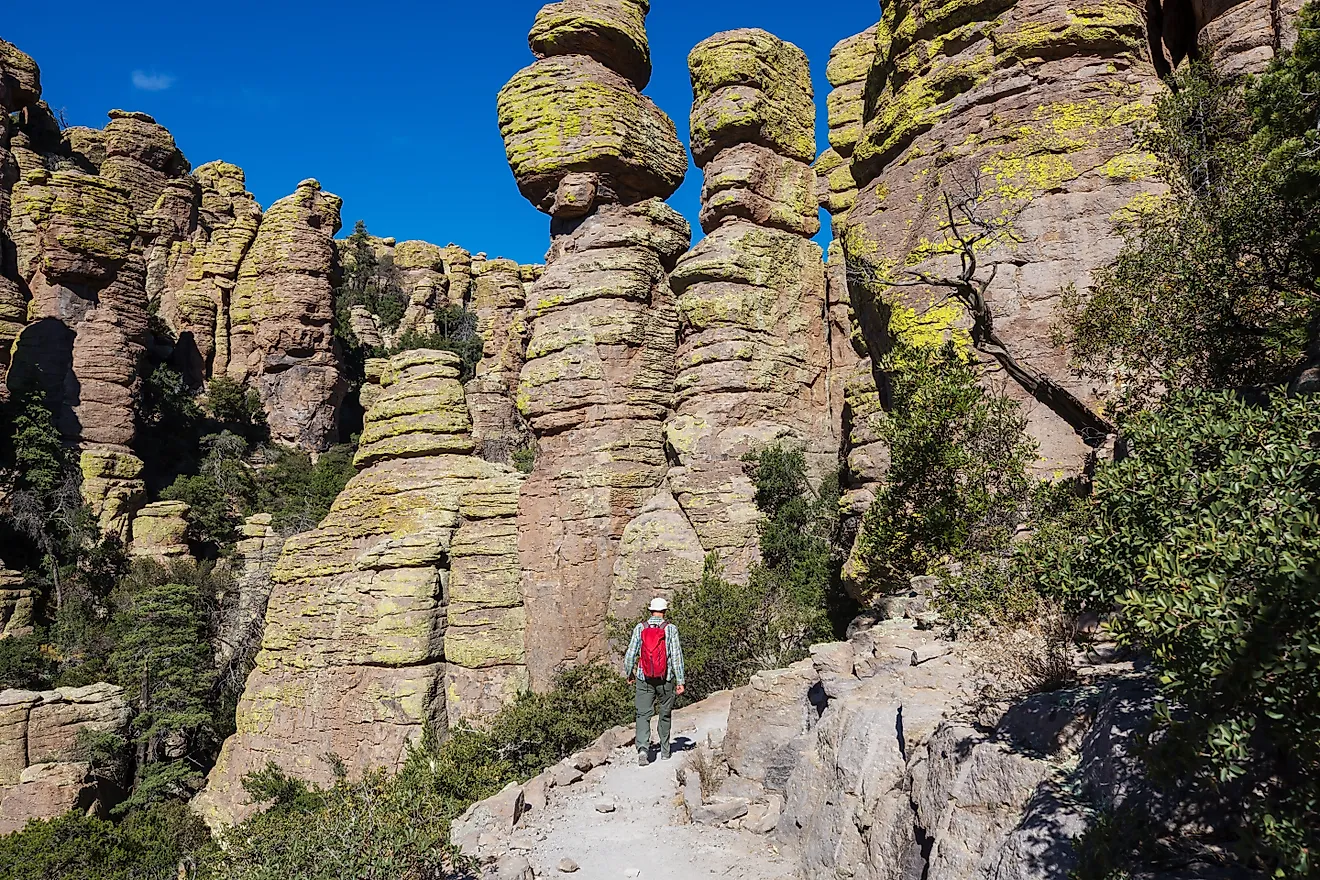
Glaciers steamrolled most of the Upper Midwest and somehow skipped the corner of land where Winona sits. That corner is the Driftless Area, a region of roughly 24,000 square miles where the bluffs were never sanded flat. Sugar Loaf Bluff stands less than four miles out, with 35 bolted climbing routes and a multi-use trail for anyone who would rather keep both feet on the ground. The Mississippi and Lake Winona handle the rest of the recreation.

The Minnesota Marine Art Museum holds both historic and contemporary work and is worth an unhurried hour. Cap the day at the Alexander Mansion Bed & Breakfast, a Victorian place that pours wine and cheese in the evening and serves breakfast by candlelight. It is the rare lodging that makes the morning after the draw.
Lanesboro

Just over 700 people live in Lanesboro, and they run an arts district that would suit a town ten times the size. Lanesboro Arts keeps a fine-arts gallery and a calendar of classes and festivals, including the Art in the Park fair. The Commonweal Theatre Company stages comedies, dramas, and the occasional musical right in the heart of Bluff Country. The Cottage House Inn sits across the street, with everything from single rooms to suites.
The Root River State Trail threads through town for 42 paved miles, and it belongs to the bikers, joggers, and skaters as much as anyone. Rent wheels, ride out along the river, and roll back in time for the evening show. That is a full Saturday with energy to spare.
New Ulm

A 45-foot glockenspiel plays in the middle of town, its 37 bells and rotating figurines acting out the local history below. That is the calling card of New Ulm, often called the most German town in America. Two groups of German immigrants settled it in the early 1850s, and it was incorporated in 1857. The town came through the Dakota War of 1862 and a brutal 1881 tornado, and its preserved 19th-century downtown is the reward for that persistence.

A few blocks from the glockenspiel, the historic Kiesling House lays out pioneer settlement and local tradition with live reenactments. Across the street, the Kaiserhoff restaurant runs from American standards to German plates like Landjäger and sauerkraut. End the day at the Bingham Hall Bed & Breakfast, where four rooms come furnished in vintage and antique pieces. The heritage here is lived-in rather than staged.
Grand Marais

Minnesota's oldest art colony has been running here since 1947. That alone tells you what kind of weekend Grand Marais hands you on the north shore of Lake Superior. The Grand Marais Art Colony still fills its workshops, youth clubs, and residencies. A few doors on, the North House Folk School teaches old northern skills, from Inuit kayak building to Scandinavian bowl carving, to locals and visitors alike.

The wilderness presses right up to the edge of town. Drive the Gunflint Trail National Scenic Byway inland, or walk out to Artist's Point for a look at the 19th-century lighthouse and the open lake behind it. The Shoreline Inn sits less than a five-minute walk from that overlook, so the view is the first and last thing you see each day.
Two Harbors

Two separate towns, Agate Bay and Burlington, merged into one city here in 1907, and the name kept the math honest. Iron ore built Two Harbors, and the shoreline still wears its industrial past on the north shore of Lake Superior. The result is a working harbor with a tourist's welcome layered on top.
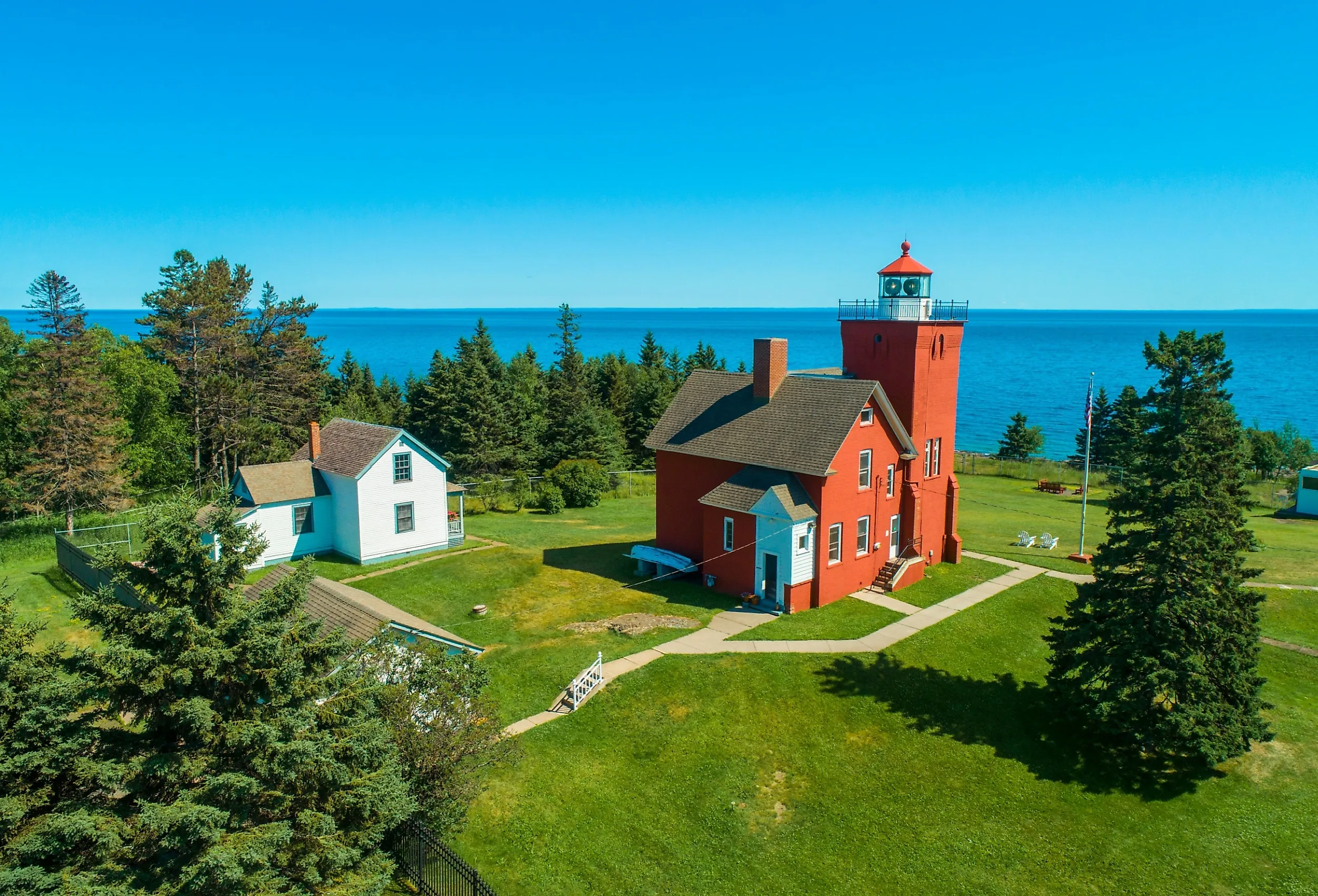
The Duluth and Iron Range Depot Museum spreads that story across more than 4,000 square feet of exhibits. Less than a mile south, the Two Harbors Lighthouse Museum lets you sleep in the keeper's quarters at the onsite Lighthouse Bed and Breakfast. Agate Bay Beach is right there too, so a morning swim and a night in a lighthouse can share the same itinerary.
Crosby

Old mine pits turned into some of the best mountain biking in the Midwest, and Crosby is where you ride it. The Cuyuna Country State Recreation Area runs more than 50 miles of trail across nearly 800 acres, with over 30 red-dirt routes cut for fat tires. Pedal hard or take the paved stretches at a coast, with the Yawkey Mine Lake and the Miner's Mountain Overlook as the payoff.

The downtown holds up its end after the ride. Smith + Trade Mercantile stocks local handmade goods, and Cuyuna Outfitters covers any gear you forgot for the water. For the night, The Sanctuary puts you up inside a converted Lutheran church from the 1950s, which is a fitting place to rest a sore set of legs.
Ely

Close to 20 entry points open into the Boundary Waters Canoe Area Wilderness, and Ely is the town most paddlers launch from. The wilderness behind it covers over a million acres, with more than 1,100 lakes and 1,200 miles of canoe routes. The town itself holds around 3,200 people and sits at the doorway to all of it.

You do not have to load a canoe to enjoy it. Walk the Trezona Trail, or stop at the North American Bear Center to watch black bears at close range with the science to back up the encounter. Afterward, the Boathouse Brewpub & Restaurant downtown handles dinner and a pint in one stop.
Alexandria

In 1898, a Swedish immigrant farmer pulled a rune-carved slab from his field near here, its inscription dated 1362. The Kensington Runestone made Alexandria call itself the "Birthplace of America," though most scholars consider the stone a 19th-century hoax. Make up your own mind at the Runestone Museum, which displays the slab alongside exhibits on medieval Nordic exploration. The debate is half the fun.
The lakes are the other half. Alexandria spreads among a string of them, with Lake Darling drawing boaters, anglers, and swimmers all season. Big Ole Central Park anchors the in-town green space and keeps the theme going with a 28-foot Viking statue named Big Ole. It is a town that commits to a bit.
Plan The Weekend Around The Water
Pick the trip by what you want the water to do. Ely and Grand Marais put a million acres of wilderness and a Great Lake at your back, while Crosby turns flooded mine pits into singletrack. Red Wing and Winona run on the Mississippi and the bluffs the glaciers left alone, and Lanesboro and New Ulm trade big landscapes for a tight downtown you can walk in an afternoon. Two days is enough for any one of them, and short enough that the only hard part is choosing.