8 Towns In the Rockies Where Time Stands Still
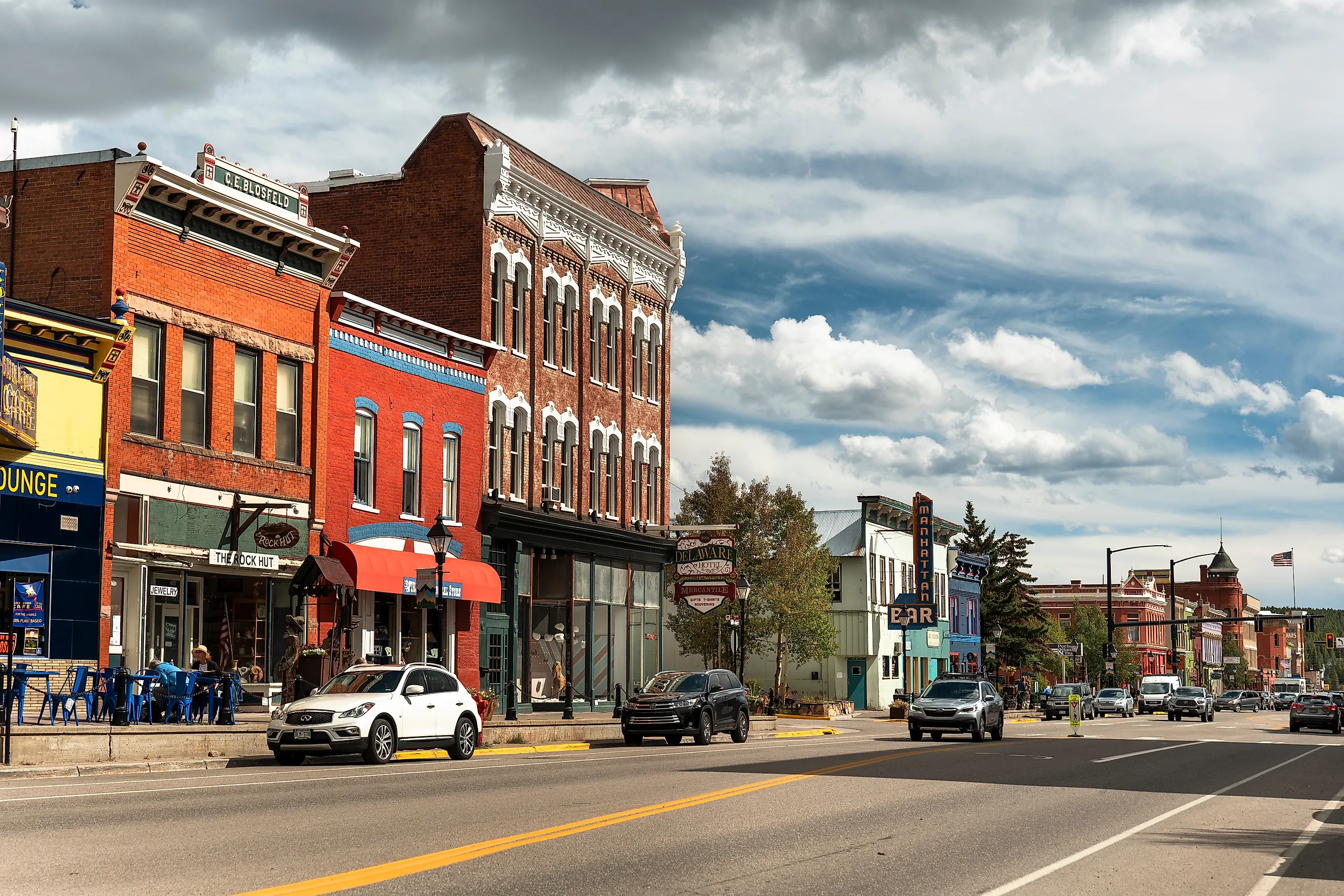
The Rockies have many historic towns where time stands still because gold rushes created them almost overnight, and many changed very little after the mining booms faded. Leadville captures the Rockies’ historic side with its deep mining roots and the National Mining Hall of Fame and Museum, which preserves that legacy in vivid detail. Taos feels just as timeless thanks to the centuries-old Taos Pueblo and Taos Plaza, where the town’s long cultural history still shapes the center today. If you're looking for towns that still feel closely tied to their earliest roots, these eight Rockies destinations are hard to top.
Taos, New Mexico

Taos traces its roots to early Spanish exploration in 1540, though the Taos Pueblo had already been inhabited by the Tiwa people for centuries, and remains one of the oldest continuously inhabited communities in North America
Visitors can explore Taos Pueblo, a UNESCO World Heritage Site, where multi-story adobe structures still stand, and guided tours offer insight into its living history. Taos Plaza, established in the late 18th century, anchors the town with galleries, shops, and local markets that reflect its artistic culture. For outdoor scenery, the Rio Grande Gorge Bridge offers sweeping views of the river canyon far below. Taos Ski Valley offers year-round recreation, with skiing in winter and hiking trails in the warmer months.
Leadville, Colorado

Leadville’s history as a mining town began in 1860 when Abe Lee discovered placer gold in California Gulch, one mile east of the present town. By the end of that summer, the area’s population had grown to around 10,000, and roughly $2 million worth of gold had been extracted from California Gulch and nearby deposits. Originally called Oro City, the settlement was later renamed Leadville after silver and lead were discovered in what had been discarded mining material, fueling a new economic boom.
The National Mining Hall of Fame and Museum chronicles Colorado’s mining history. Visitors can view over 1,000 minerals, crystals, and gems from around the world, photographs, historic maps, dioramas depicting the early days of mining, and pan for gold and tour underground mine replicas.
The Scarlet Tavern is a historic building from the 1880s that once operated as a saloon, liquor house, and bank. Today, it is a popular local bar with local taps, pool tables, and live music. As the highest incorporated city in the United States at 10,152 feet, Leadville has prime outdoor opportunities, including the Mount Elbert Northeast Trail, a short but steep trail that takes hikers to the summit of the highest peak in the Rocky Mountains.
Telluride, Colorado

Telluride was a former mining camp during the Colorado Gold Rush, originally called Columbia. It became a town in 1878 and changed its name to Telluride, as there was already a more established town in California called Columbia. The town reinvented itself when Telluride Ski Resort opened in 1972. The ski resort is a year-round attraction with over 2,000 acres of skiable terrain and 149 trails suitable for skiers of all abilities. In the summer, hiking and biking trails emerge as the snow melts.
The Telluride Historical Museum is housed in the restored 1896 miners’ hospital, displaying a collection of photographs and artifacts from the days of Telluride’s beginnings as a mining camp, as well as its skiing culture. The View lives up to its name with floor-to-ceiling windows looking out at the San Juan Mountains opening up on the horizon. Diners enjoy mountain snacks like charcuterie and cheese, local Colorado beer, and après-ski cocktails.
Manitou Springs, Colorado

Manitou Springs was founded in 1872 by Dr. William Bell and his business partner, General William Palmer. It was marketed as a spa resort for both the affluent and those suffering from tuberculosis. This is because of the healing waters that the Ute Indians who occupied the land had been drinking for decades.
You can take a self-guided tour through the town of the natural springs, sampling free, naturally carbonated water from eight different springs. Shoshone Spring contains the highest level of many minerals. It was used by physicians of the 1800s for its medicinal properties.
Garden of the Gods Park is laced with 15 miles of trails, which lead through a unique biological area where the grasslands of the Great Plains merge with the mountainous forests of the 14,115-foot Pikes Peak. At the foothills of Pikes Peak, Manitou Brewing Company is the only brewery in Manitou Springs. All their beers are crafted with water that originates near the top of Pikes Peak.
Jackson, Wyoming

Jackson was named in 1894 and incorporated as a municipality in 1914; to this day, it remains the only incorporated municipality in Teton County. The region was first explored in 1807 by fur trapper John Colter, a member of the Lewis and Clark Expedition. The town itself was named after David Jackson, another fur trader who worked in the area in the 1820s.
The town sits within the broader Jackson Hole valley, a region that includes surrounding wilderness, ranchlands, and access to Grand Teton National Park. Jackson, often marketed as "Jackson Hole," is the southern gateway to Grand Teton National Park, 310,000 acres of valley floors, lakes, tower peaks, opportunities to view local wildlife like grizzly bears and bison, and over 200 miles of hiking trails.
The National Museum of Wildlife Art focuses on wildlife art, as well as American and European fine art from the 18th to the 20th century. The Snake River Grill is centrally located on Jackson’s town square and incorporates the town’s cowboy culture, with rustic wooden décor and three-dimensional wall art.
Cody, Wyoming

Cody was founded in 1896 by Colonel William F. "Buffalo Bill" Cody, who passed through the region in the 1870s and was impressed by its irrigation, rich soil, grand scenery, hunting, and proximity to Yellowstone National Park. The east and northeast entrances to Yellowstone are accessible from Cody. In the park, visitors can view the world’s largest collection of geysers, hot springs, mud pots, and fumaroles, observe wildlife, and explore hiking trails.
In town, visitors can spend an entire day at the Buffalo Bill Center of the West, a complex that houses five museums covering topics such as history, art, Native American heritage, the natural science of Yellowstone, and the development and importance of firearms to the West. Sitti’s Table creates a memorable dining experience with traditional Mediterranean and Middle Eastern cuisine that incorporates French cooking techniques.
Banff, Alberta

Unlike many towns in the Rockies that began as mining camps and settlements, Banff was founded in 1883 with tourism in mind. It is Canada’s first national park town, granting visitors easy access to the Rocky Mountains, alpine lakes, and river valleys of Banff National Park. Ride the Banff Gondola about 700 meters to the summit of Sulphur Mountain, where you can hike along a 500-meter boardwalk for panoramic views of the town and the surrounding Bow Valley.
The Banff Park Museum, housed in a 1903 log building, contains a collection of over 5,000 natural history specimens collected in the park around the early 1900s. The taxidermy collection includes specimens from mammals, birds, fish, and insects. The Rose and Crown is the oldest pub in town, serving classic pub grub with a mountain flair, craft beers, and handcrafted cocktails paired with live music and a rooftop patio.
Jasper, Alberta

Jasper sits within Jasper National Park, Canada's largest park in the Rocky Mountains. The town originated as a railway town along the Athabasca River, but its roots go back even farther, to when it was little more than a fur trading post established and managed by Canada’s two largest fur traders, the Hudson’s Bay Company and the North West Company. Tourism began in 1915 and has continued as a destination ever since.
Jasper is home to one of the longest and highest guided aerial tramways in Canada, the Jasper Skytram. The trip lasts seven minutes and takes riders to 2,263 meters, offering views of the town, six mountain ranges, glacier lakes, and rivers. To learn more about Jasper’s past, the Jasper Yellowhead Museum and Archives showcases the fur trade, the railway, early exploration in Jasper National Park, and tourism in the area. The Maligne Range offers an elevated dining experience, with whisky cocktails in a celebration of Canada’s whisky culture.
Slow Down in the Rockies

From quiet main streets to panoramic mountain views, each of these Rocky Mountain destinations creates a sense of timelessness. Whether you are visiting museums that preserve Leadville and Telluride’s beginnings as mining camps, hiking through untouched wilderness in Jackson and Cody, or simply breathing in the mountain air at the top of the Banff Gondola, these 8 towns in the Rockies feel like time is slowing down. And that's a good thing, when you need to slow down, too.