8 Towns In The Pacific Northwest That Were Frozen In Time
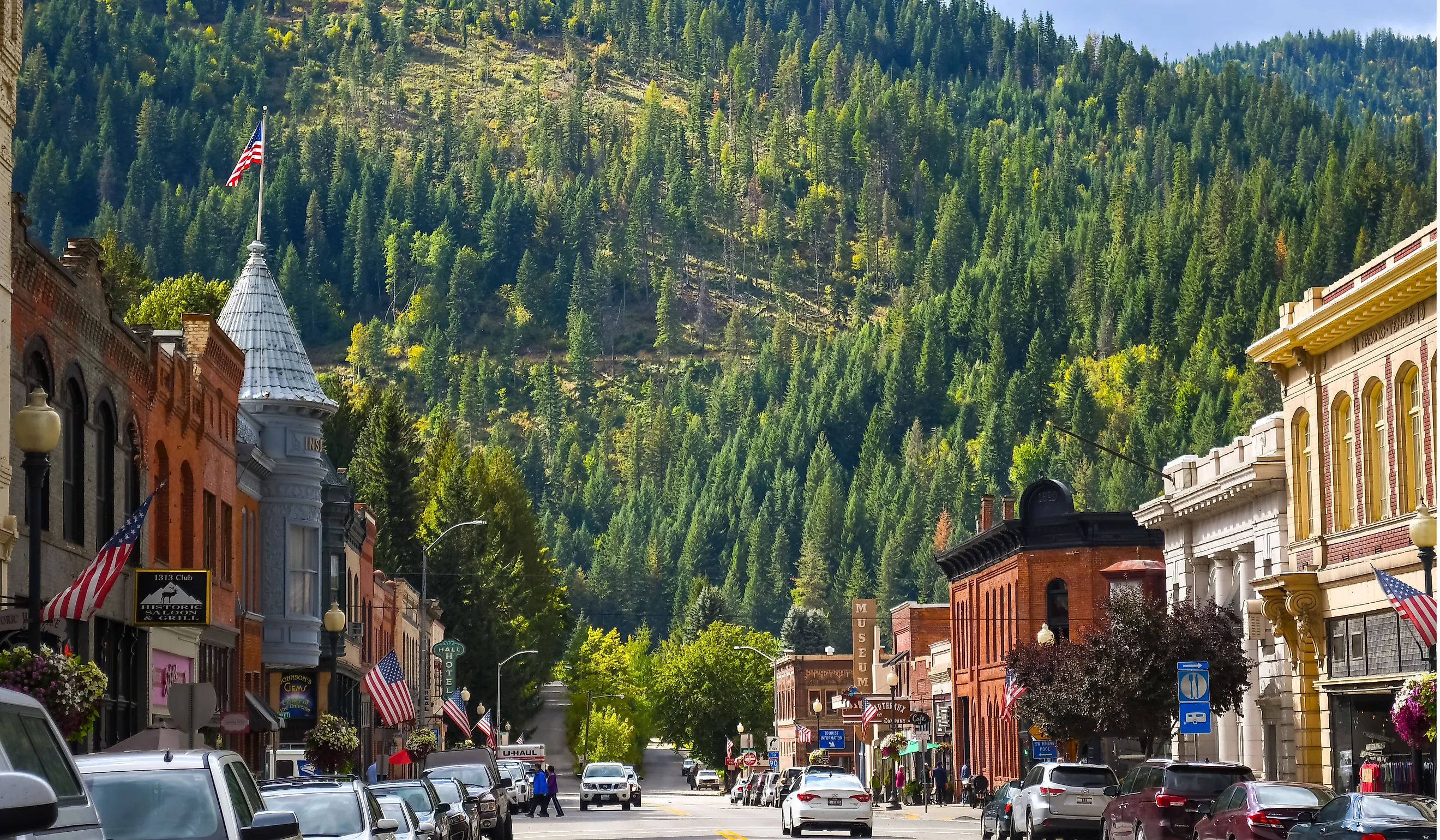
The Pacific Northwest (PNW) has so many historic towns that were built quickly during 19th-century industry booms, then preserved by slower growth, geographic isolation, and a modern appreciation for heritage. Wallace tells the story of the region’s mining past, and a stop at the Oasis Bordello Museum gives the town an especially memorable Old West twist. Port Townsend preserves the feel of a Victorian seaport, where visitors can tour Fort Worden’s bunkers and lighthouse after walking its historic waterfront streets. If you are looking to explore PNW towns that feel frozen in time, these places deliver exactly that.
Jacksonville, Oregon

Jacksonville, located in the Rogue Valley of southern Oregon, stands as a living monument to the state’s Gold Rush era. Founded in the early 1850s after gold was discovered in nearby Jackson Creek, the town quickly became a bustling center of commerce in the region. However, by the late 19th century, Jacksonville’s prominence began to decline when the railroad bypassed the town, inadvertently preserving its charm and establishing it as a historic tourist destination.
Today, Jacksonville is recognized as a National Historic Landmark District, with more than 100 original buildings still standing. Notable structures include the Beekman Bank, which was built in 1863 and is considered the oldest financial institution in the Pacific Northwest, and the former Jacksonville Courthouse. Brick-fronted shops, saloons, and churches line California Street, providing an authentic snapshot of life during the mid-1800s for visitors to explore.
The Britt Gardens, once the home of pioneer photographer Peter Britt, now hosts the Britt Music Festival, a summer tradition that attracts visitors to the town’s renowned outdoor amphitheater. Additionally, the Jacksonville Cemetery offers insights into the lives of some of the town’s early settlers.
Port Townsend, Washington

Port Townsend, located at the northeastern tip of the Olympic Peninsula, is a prime example of a Victorian-era seaport town. Incorporated in 1851, the town flourished during the late 19th century as a hub for ocean-based trade.
It's downtown, a designated National Historic District, and features many meticulously restored buildings that now house shops, restaurants, and a number of other businesses and amenities.
A visit to Port Townsend should start at the Jefferson Museum of Art and History, where exhibits detail the town’s longstanding heritage and the Klallam people, who originally inhabited the area. Fort Worden State Park, a former military installation, is intriguing with its historic bunkers, commanding views of Puget Sound, and a century-old lighthouse that can be explored. Port Townsend is also home to the Wooden Boat Festival, drawing boat enthusiasts from around the world.
No visit here is complete without a stop at the nearby Olympic National Park, too. Where mountainous trails, gorgeous rainforests, and a number of visitor centers can be found.
Wallace, Idaho

The town of Wallace is nestled in the scenic Coeur d'Alene Mountains of northern Idaho. Established in 1884 following the discovery of silver in the nearby hills, Wallace quickly transformed into a bustling mining hub and earned the title of the "Silver Capital of the World."
The town's economy thrived due to its proximity to rich deposits of silver, lead, and zinc, which stimulated the construction of railroads and infrastructure. Wallace's commercial district, developed during this prosperous period, is one of the best-preserved examples of late 19th-century mining towns in the United States. The nearby Shoshone County Mining and Smelting Museum (in Kellogg) offers visitors a chance to explore the region’s rich industrial history up close.
Wallace's historic downtown is recognized as a National Register Historic District. Notable sites, such as the famous Oasis Bordello Museum, are definitely worth visiting if you find yourself in the area. The town's unique street layout and the positioning of many of its buildings below the level of nearby railroad tracks create a distinctive aesthetic in the narrow mountain valley where Wallace is situated.
Astoria, Oregon

Astoria sits on the Columbia River at the Oregon-Washington border and holds the distinction of being the oldest American settlement west of the Rocky Mountains. Established in 1811 as a fur trading post, Astoria grew into a vital port and cultural center in the West during the 19th century. The town’s historical significance is perhaps most notably marked by its role in the Lewis and Clark Expedition.
Be sure to check out Astoria's historic district, where a number of gorgeous late 19th and early 20th-century buildings still stand. Must-see landmarks include the Astoria Column, a towering monument on the hill above town that will give you a panoramic view of the surrounding landscape. The Liberty Theatre, which opened in 1925, continues to host performances and screenings, while the Flavel House Museum gives visitors a glimpse into the life of the town’s wealthy 19th-century residents.
Astoria’s waterfront is lined with remnants of the town's connection to the ocean, including old cannery buildings and once-bustling shipping piers. The nearby Columbia River Maritime Museum now houses exhibits on the region’s seafaring history, including the U.S. Coast Guard’s long presence in the area.
Forks, Washington

Forks is located on the far western side of the Olympic Peninsula and is recognized as an important community in the logging industry. Established in 1945 as a timber town, its surrounding dense forests and wild Pacific coastline made it an ideal site for logging operations. Today, Forks has become a hotspot for nature enthusiasts who come to appreciate the beauty of some of the tallest trees in the country.
To learn more about the area's history, visit the Forks Timber Museum, which focuses on the economics of the logging industry in the Pacific Northwest and features exhibits on early Native American life in the region. The iconic “Forks Timber” sign, a remnant of the town’s past, serves as a visual symbol of its history and provides a great backdrop for photos.
In recent decades, Forks gained wider recognition as the setting for the "Twilight" book series, which has brought renewed interest to its downtown area. As the rainiest town in the contiguous United States, it truly is a fitting place for vampires to coexist with loggers!
North Bend, Washington

North Bend rests at the picturesque base of the Cascade Mountains and is a town that encapsulates the history of the Pacific Northwest's early settlement and industrial growth. Founded in the 1880s, North Bend grew as a key railroad and logging hub, integral to the region's early development. Its proximity to natural resources and the construction of the Great Northern Railway helped establish it as an industrial center for timber and coal.
With many original buildings dating back many decades, such as the North Bend Theatre, which opened in 1941, this town's downtown core is a great place to spend exploring. The nearby Salish Lodge & Spa (in Snoqualmie), established in the 1920s, continues to attract visitors with its scenic views of the nearby falls, a major draw for tourists in need of a place to spend the night.
North Bend's proximity to the Snoqualmie Pass and Mount Si adds to its appeal as a destination for outdoor adventure too.
Camas, Washington

Camas is located along the Columbia River, just east of Portland, Oregon. Officially incorporated in 1906, the area that is now Camas experienced rapid growth in the late 19th century due to its strategic position for timber production and its proximity to the river, which facilitated the transport of various goods.
The establishment of the Crown Zellerbach Paper Mill in 1883 transformed the town into an industrial powerhouse in the region. For much of the 20th century, the mill served as the primary economic driver for Camas. Today, Camas retains much of its historical charm, despite its more modernized economy. Many early 20th-century buildings still stand in the downtown area, contributing to a thriving tourism industry. The Camas Hotel, constructed in 1911, remains a centerpiece of the community. Additionally, the Camas Antiques is located in another historic building that once served as the town’s post office.
Cottonwood, Idaho

Nestled in the rolling hills of north-central Idaho, Cottonwood began as a trading post in 1862 and soon became a hub for forestry and farming. Its strategic location along the Clearwater River contributed to the rapid growth of the local ranching community. The historic district still serves as a testament to this agricultural heritage.
Cottonwood’s strong sense of community is celebrated at the Historical Museum at St. Gertrude's, where visitors can learn about the Nez Perce people, explore rare artifacts, and enjoy accommodations at the inn and spiritual retreat center. The adjacent Saint Gertrude's Monastery is a stunning and ornate Benedictine monastery that is also open to visitors.
A trip to Cottonwood and other towns in the Pacific Northwest (PNW) is a delightful experience for history lovers and travelers alike, offering a diverse array of unique attractions. From the Rocky Mountains of Idaho to the rainforests of the Pacific coast of Washington, this region is home to a significant part of American history.
Whether you are interested in seeing a historic timber operation, an important railway stop, or the oldest saloon in the state, stopping in any of these small communities will certainly provide you with a memorable journey back in time.