8 Most Relaxing Oregon Towns
Oregon’s small towns show just how relaxing a trip can be, with the Pacific coastline and Cascade foothills framing every town. In Florence, you can stroll the Old Town boardwalk along the Siuslaw River and watch fishing boats move through the harbor. Silverton, set on the central Oregon coast, offers you the chance to walk around downtown footbridges and head out to Silver Falls State Park for the Trail of Ten Falls. The eight towns below were chosen for their settings, where water and calm surroundings make for the perfect laid-back escape.
Florence

Florence is a coastal town on the central Oregon coast, along the Siuslaw River and the Pacific Ocean. It was incorporated in 1893, with timber and fishing industries expanding in the early 20th century. The town still centers on the working harbor along the Siuslaw River Bridge, completed in 1936 in Art Deco style. Florence’s activity center is Old Town Florence, a waterfront district with wooden boardwalks along the Siuslaw River. The area features several seafood restaurants and art galleries, as well as working docks that serve the local fishing fleet.

The boardwalk invites a slower walk through the waterfront district. Sea air, fresh seafood, and the steady movement of fishing boats give the harbor its rhythm. The harbor remains active and close to daily life, with seafood docks and gulls along the riverfront. Just west of Florence is the Oregon Dunes National Recreation Area, a sand dune field stretching along the Oregon coast for almost 40 miles. The Darlingtonia State Natural Site is nearby. It is a botanical preserve with cobra lilies that feed on insects and bloom in spring along the highway north of Florence.
Silverton

Silverton sits in the foothills east of Salem. It was established during the 19th century as a farming and milling town along Silver Creek. Today, the historic downtown area follows Silver Creek as it winds through town. Brick shops and cafes cluster around Water Street. Town Square Park features a covered footbridge over Silver Creek, while nearby Old Mill Park connects to the East Bank Trail along the creek. The bridge leads to a year-round riverfront trail that residents use.

Just outside the town limits is Silver Falls State Park, which features the Trail of Ten Falls. This path leads past ten waterfalls, including the 177-foot South Falls. Hikers can feel the mist rise from the water as it crashes over rocks, cool on their faces as they walk through the rocky alcove. Silverton is also home to The Oregon Garden, an 130-acre botanical garden featuring plants native to the Pacific Northwest.
Joseph

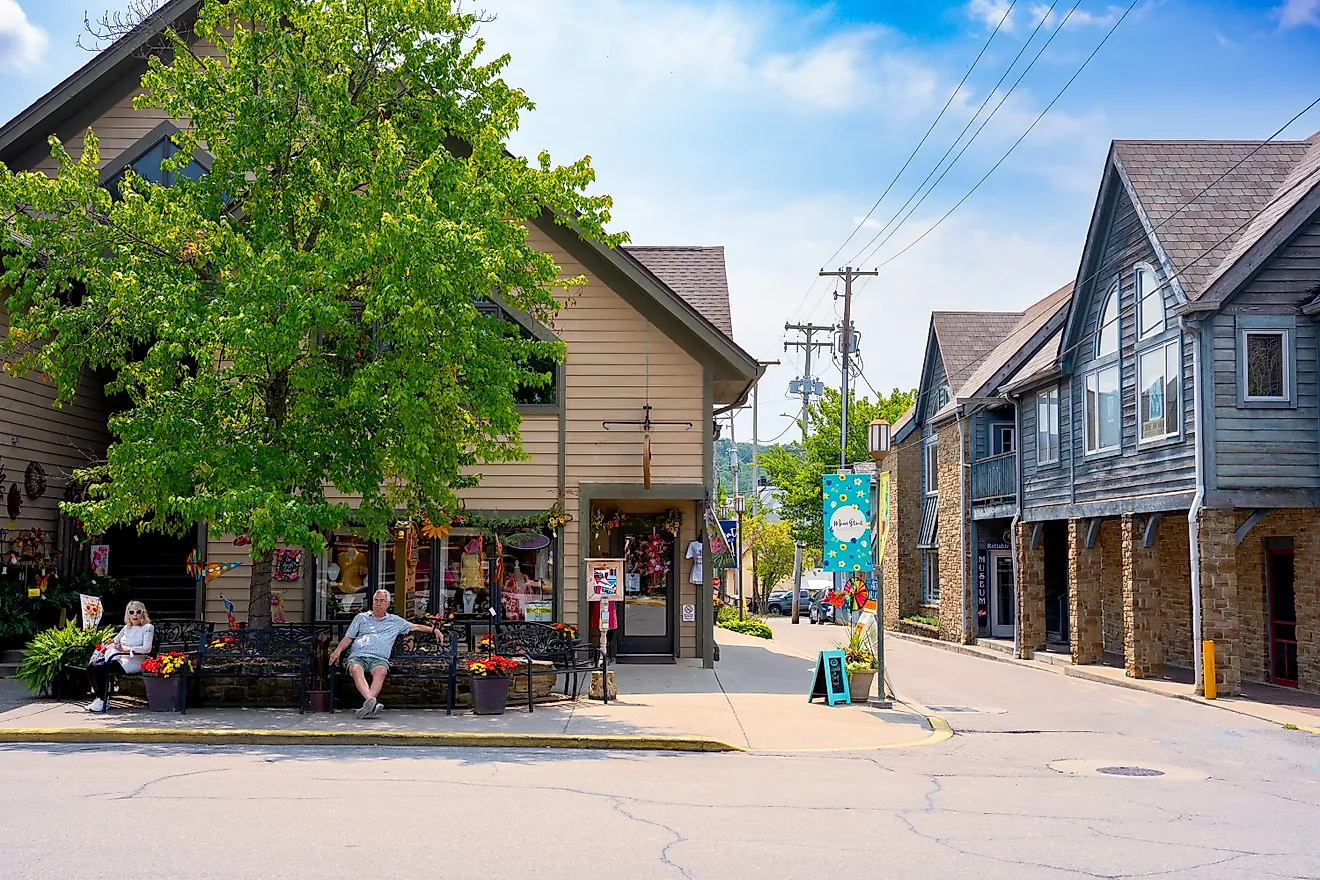
Joseph sits at the foot of the Wallowa Mountains in northeastern Oregon. The town was established during the late 1800s as a ranching town in the Wallowa Valley. With fewer than 2,000 residents, Joseph is small enough to have just a handful of shops and restaurants along its main street. Bronze sculptures are displayed throughout the town. Joseph’s Main Street sets a quiet tone early in the day, framed by a bronze sculpture and mountain views. Nearby cafés and galleries add to the quiet activity along the street. Flower baskets decorate the sidewalk. At the end of the street, the view opens toward the Wallowa Mountains.

East of town is Wallowa Lake, a glacial lake among the trees, with hiking trails leading into the mountains. Nearby is the Wallowa Lake Tramway, which climbs to Mount Howard, where summit trails and overlooks offer views of the valley and the surrounding mountains. In town, Main Street features bronze foundries and galleries, confirming the town’s reputation as a bronze sculpture center.
Sisters

Sisters became primarily known as a lumber-producing town by 1930. Today, the town's main street is designed to resemble its early days, with a wooden Western-style façade. Much of Sisters’ appeal comes from Cascade Avenue, where cafés, bookstores, and outfitters line a slow commercial corridor with views toward the Three Sisters. The Deschutes National Forest lies nearby and provides hiking trails and alpine lakes. Bicyclists often use the Sisters to Smith Rock Scenic Bikeway. This route traverses the high desert and features juniper trees and volcanic rock outcroppings.
Yachats

Yachats is a small town in a narrow strip between the Pacific Ocean and the Coast Range's forested mountains. It began as an isolated area with a few subsistence farms and summer cabins and later gained fame for its dramatic coastline. The town features the 804 Trail, a paved path along the rocky coastline. The trail offers views of tide pools and waves breaking on the basalt rocks. South of Yachats is the Cape Perpetua Scenic Area. The Cape Perpetua Lookout provides a panoramic view of the Oregon coast from 800 feet above sea level. The Devils Churn is a narrow ocean inlet carved into volcanic rock. Waves rush through this channel during high tide.
Jacksonville

Jacksonville is in the Rogue Valley. It was founded in the 1850s after gold was discovered in the creeks. After mining declined, the town preserved its old buildings. The entire downtown area became a National Historic District. The district is best experienced on foot, with preserved storefronts and a clear connection to the town’s mining-era past. Inside local shops, wooden floorboards and preserved interiors reflect the town’s mining-era past. There is the smell of weathered wood mixed with the aroma of pastries from a contemporary coffee shop. Sunlight shines through old windows, the kind not seen since the 19th century. The brick and wooden buildings from the gold rush era still stand today. Britt Gardens is nearby, the site of Peter Britt's historic estate. Now home to the Britt Festivals, it is a green space overlooking the valley. Hiking trails around the town lead to the Jacksonville Cemetery, where graves date to the earliest days of the gold mining era.
Cannon Beach

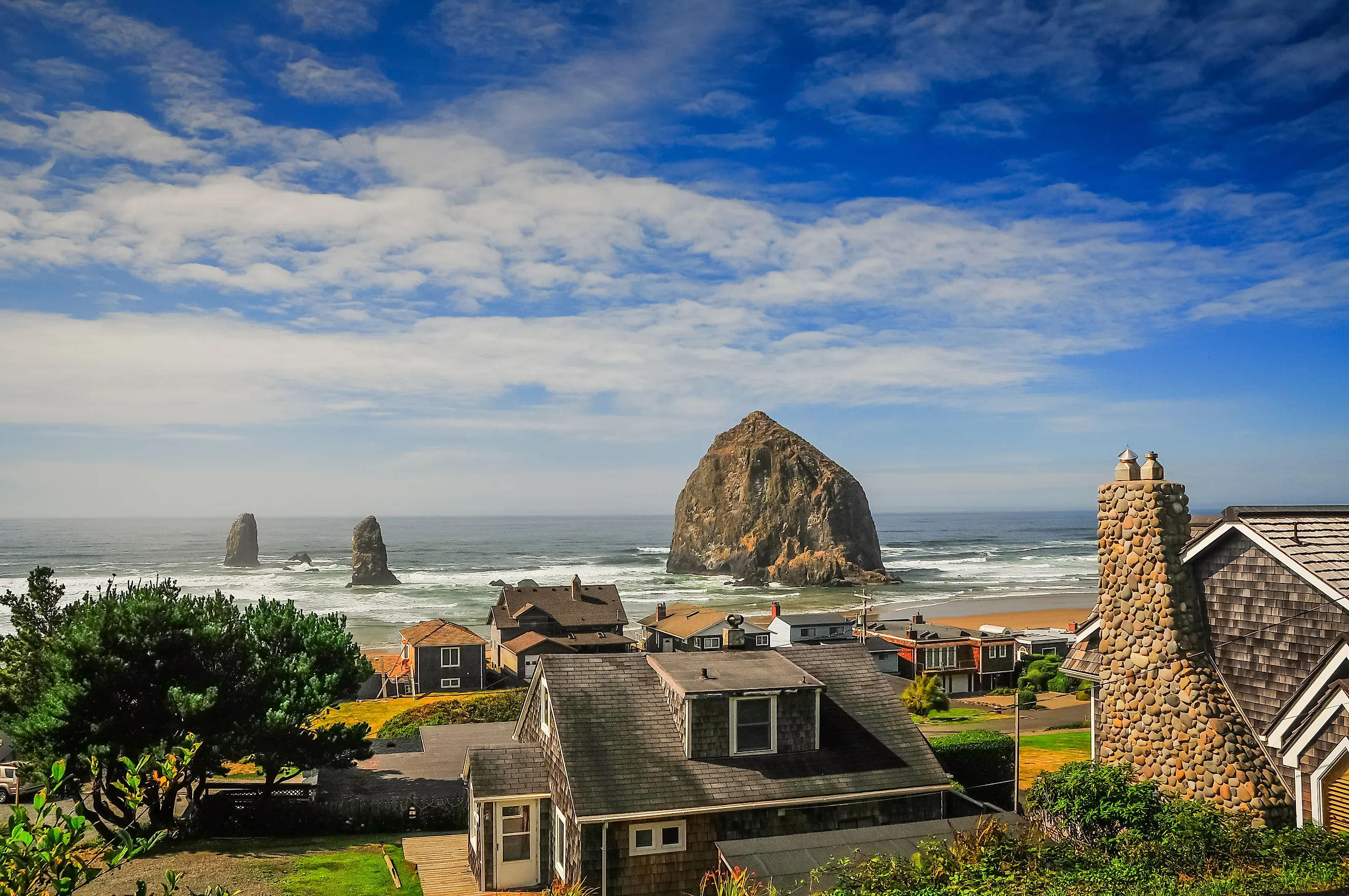
Cannon Beach is a coastal town along the northern coast of Oregon. It is best known for its large sandy beach and the rock formations offshore. It is a small coastal town that was incorporated in 1957. It is still cut off from other population centers by the coastal hills.

The coastline is defined by Haystack Rock, a 235-foot sea stack. It is covered by tide pools, where starfish and other sea creatures can be seen during low tide. A paved promenade, the Cannon Beach Walks, runs along the beach, connecting the hotels, cafes, and other beach access points. Ecola State Park is located just north of town, where forest trails offer views of the coastline.
Ashland

Ashland is a small town near the California border, at the foot of the Siskiyou Mountains. It was founded during the mid-19th century as a milling town. Ashland Creek runs through the center of the town. Much of the town’s activity takes place around Lithia Park, a 93-acre park with walking trails along the creek past ponds, gardens, and wooded areas, as well as picnic facilities. The downtown area around East Main Street has bookstores, bakeries, and small theaters in old brick buildings. Just outside the town, Mount Ashland has hiking trails and alpine views during the summer months.
The most relaxed atmosphere in Oregon is found in towns formed by their geography. Coastal towns such as Yachats and Cannon Beach are bounded by the Pacific Ocean and coastal forests. Mountain towns such as Joseph and Sisters are near lakes, alpine trails, and forests. Inland towns, including Silverton and Jacksonville, have historic districts with walking paths and riverfront parks. All these towns show how Oregon’s rivers, coast, and mountains have preserved the small-town feeling. Here, life moves at a slower pace on trails, docks, and quiet streets instead of busy highways. Taken together, these eight towns show how Oregon’s slower-paced places are often shaped by water, trails, and compact downtowns. These towns are best appreciated at the same unhurried pace that shapes daily life within them. Together, these towns show that relaxation in Oregon is often tied to the depth of experience a place allows, not the number of stops along the way.