7 Towns In Colorado That Were Frozen In Time
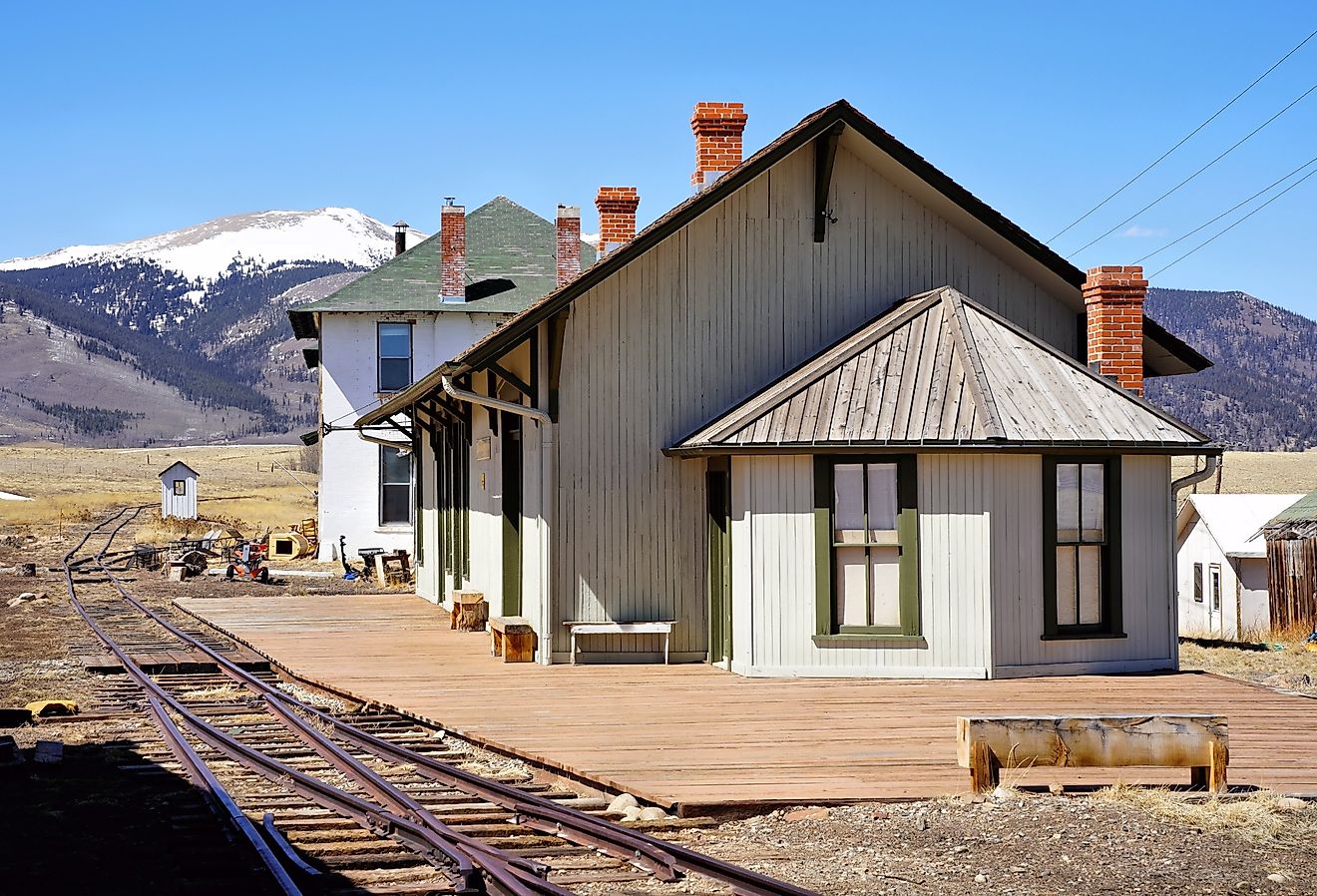
Colorado, which played a crucial role in the 19th-century gold boom, is so much more than just the Rocky Mountains. With ancient mineral springs, old-time saloons, and abandoned mines, Colorful Colorado stands as one of the country’s most incredible historic gems. In Manitou Springs, mineral springs and ancient cliff dwellings connect visitors to a much older chapter of the state’s past. In Leadville, museums and historic buildings keep its boomtown years firmly in view. If you are fascinated by stories of gold rush prosperity and Wild West adventures, prepare to explore the fascinating history of these seven towns that appear frozen in time.
Manitou Springs

Manitou Springs is best known for its bubbling mineral springs, which have been cherished by the region’s Native Americans for centuries. Visitors can explore the eight mineral springs scattered throughout the historic downtown district on a self-guided tour, starting at the Manitou Springs Heritage Center for information. The Heritage Center also hosts several on-site exhibits, including a water culture exhibit, rails exhibit, and pottery exhibits.
Just a five-minute drive from town, visitors can visit the Manitou Cliff Dwellings, which are ancestral Puebloan ruins dating from 800 to 1000 years ago. To explore even older history, consider booking a tour at the Cave of the Winds, a cave system that is millions of years old, featuring over 15 rooms and many passageways to explore.
Leadville

At its peak, Leadville was a bustling Victorian-era mining town, filled with gold and silver mines, saloons, and dance halls. Today, it shares its history largely through its museums, boasting the highest number of museums per capita in the state! Visitors can appreciate Leadville’s historic homes through the Dexter Cabin and Healy House Museum, or learn about its mining past at the Matchless Mine and Baby Doe’s Cabin or National Mining Hall of Fame and Museum.
Just east of downtown, visitors can explore Leadville’s Historic Mining District, which includes a network of roads once filled with mines and mining camps, many of which remain today. If you're looking for a historic place to stay or enjoy a meal, consider the Twin Lakes Inn and Saloon, operating since 1879 as a stagecoach stop. It’s located at the base of Mount Elbert, a striking 14,000-foot mountain.
Creede

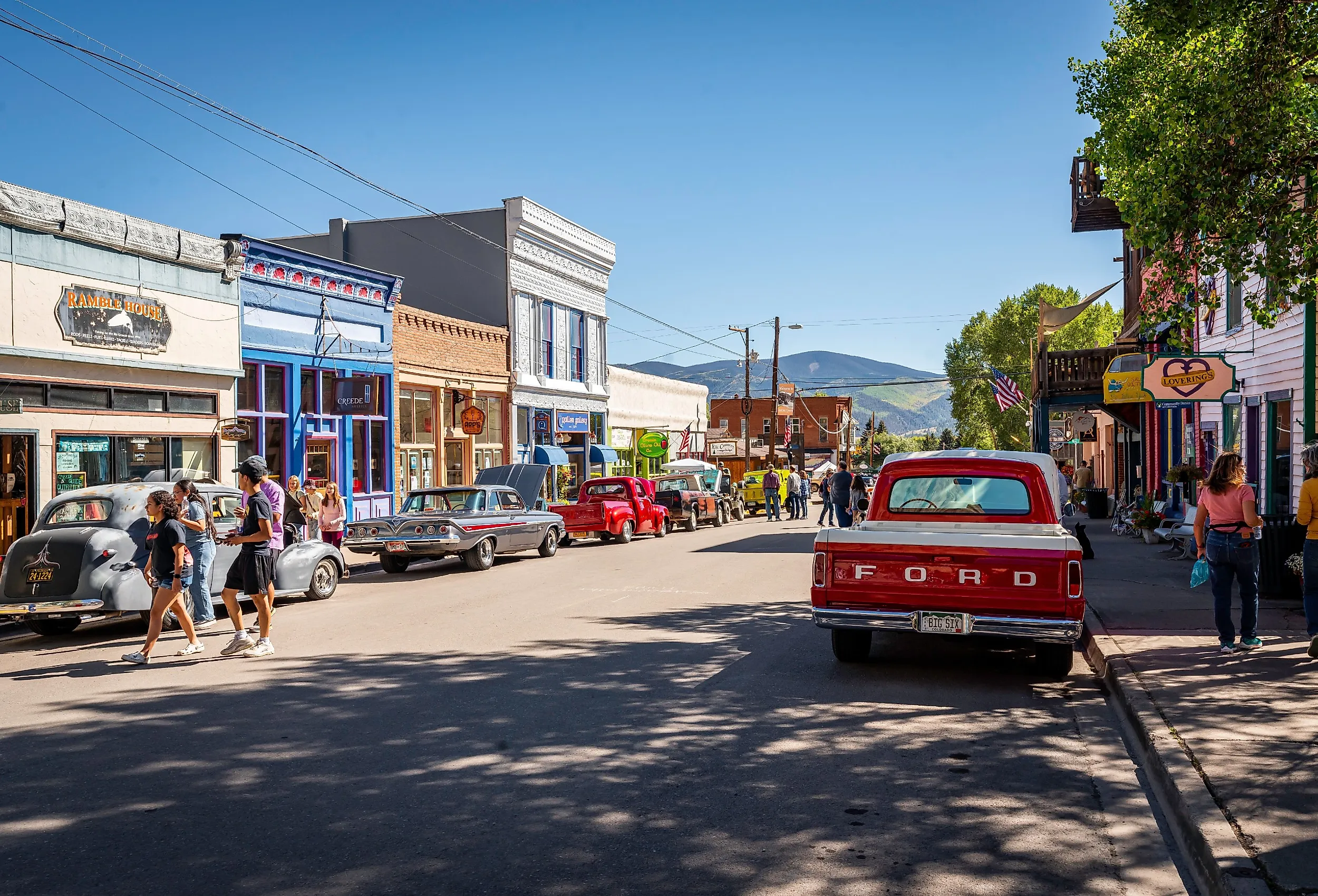
When visitors step into Creede, they feel its rugged, wild west, mining town spirit. Walking through the downtown district, visitors will have beautiful views of the San Juan Mountains and many shops and attractions to explore, including the Underground Mining Museum, Mines and Memories General Store, and the Wild Beaver Mountain Man Emporium.
Thanks to Creede’s elevated location, low light pollution, and minimal humidity, it stands out as one of the premier stargazing destinations in the region, with the Milky Way often visible on clear nights. To immerse yourself in the historic scenery, explore the 17-mile Bachelor Loop, which elevates travelers by 2,000 feet and passes by 1890s silver mines, the historic Bachelor town site, and the Last Chance Mine.
Cripple Creek

By the early 20th century, Cripple Creek was home to roughly 500 mines and 50,000 residents, making it one of Colorado’s most populated cities at the time. Today, although it is home to just a little over 1,000 residents, its rich and prosperous past continues to be preserved. The Cripple Creek District Museum is a good starting point, featuring numerous historic buildings to explore, including two Victorian apartments, the 1893 Colorado Trading & Transfer building, and the historic Assay Office.
Adding to the wild-west feel, a herd of donkeys strolls through Cripple Creek’s streets from mid-May to mid-October, with biscuits offered in various local buildings for feeding. For an unforgettable night out, visit the Butte Theater, where you can experience a lively melodrama in a historic venue that has been in operation since 1896.
Central City

Just a 45-minute drive from Denver, Central City offers an ideal day or weekend trip for city visitors. The town features 294 buildings that are at least 100 years old, providing ample historical exploration. Highlights include the Teller House, an 80-room building from 1872; the Opera House, dating back to 1878; and the Gilpin History Museum, showcasing early settler life in Central City.
For an antique or souvenir, visit Hawley Mercantile on Main Street, where you will find four floors brimming with collectibles and treasures. For a neat hiking experience, take a walk through Central City’s 19th-century cemetery, which was named one of the Best Places for a Fall Hike near Denver by 5280 Magazine.
Telluride

Telluride’s story begins in 1878 as a lively mining camp, but the area's history reaches back even further with Native Americans and Spanish explorers inhabiting it since the 1700s. The charming historic district, stretching across 12 blocks long and 8 blocks wide, showcases beautiful Victorian architecture and a glimpse into the town’s rich past. To learn more about its fascinating history, visitors can enjoy a morning at the Telluride Historical Museum, which is located in a former hospital that served the community until 1964.
Other landmarks to explore include Saint Patrick’s Catholic Church, constructed in the late 19th century, and Town Hall, originally built as a schoolhouse in 1833. Those planning to visit Telluride in the winter months can take advantage of its famous ski slopes, enjoying the pristine, uncrowded ski trails of Telluride Ski Resort.
Silverton

While Silverton is well-known for its ski slopes, natural attractions, and wildlife, it also offers ghost towns, railroads, and a lively historic district to explore. Just 15 miles away, Animas Forks has been a ghost town since the 1920s, featuring many abandoned wooden buildings and log cabins that remain today.
Visitors can also appreciate the countryside with a ride on the Durango & Silverton Narrow Gauge Railroad, a national landmark that continues to operate, even offering Polar Express-themed rides during the holiday season. The Blair Street Historic District is also an essential stop, featuring Victorian-style buildings, boardwalks, and wood and metal signs that add to the 19th-century ambiance.
As many of these towns were once thriving cities during the 19th and 20th centuries, they continue to boast an abundance of historic sites to explore, even if their size has dwindled over the years. Some even contain nearby abandoned settlements and ghost towns, serving as reminders of a once-thriving prosperity. By exploring an abandoned mining camp or taking a ride along a historic railway, you can reflect on the adventures that once unfolded on these very lands.