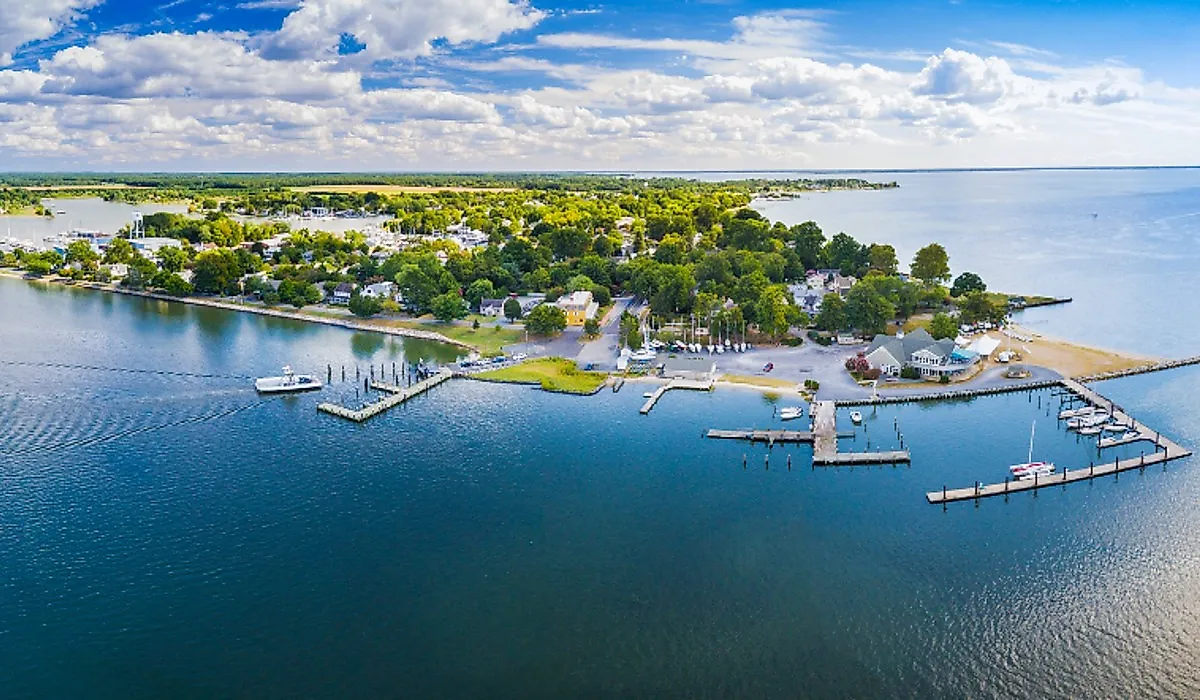
9 Most Relaxing Maryland Towns
Maryland has more than 3,000 miles of shoreline, and many of its quietest towns sit right where land and water meet. Along the Chester River in Chestertown, Wilmer Park opens onto long views of masts and open water. In Oxford and Rock Hall, the Oxford-Bellevue Ferry and Rock Hall’s working harbor offer tranquil waterfront views. Farther west, places like Boonsboro and Hancock sit below South Mountain or between the Potomac River and the C&O Canal. Ahead are some of the state's most relaxing towns.
Chestertown

Tucked along the Chester River, Chestertown feels both historic and intact. High Street is built from red brick and lined with trees, its shops housed in 18th-century buildings that now hold cafés and small galleries. Several streets slope downhill toward Wilmer Park, where the river opens into a long view of masts and open water.
On weekends, locals can walk or sit on benches watching the sky change color after sunset. Boat traffic, a working marina, and a walkable waterfront shape daily activity in town, especially near the riverfront. Chestertown's layout keeps the town compact and easy to know in a single afternoon.
Berlin

Berlin sits about 10 miles inland from Ocean City, separated from the beach traffic and commercial density of the coast. The town’s center, with the Atlantic Hotel and restored storefronts, looks almost unchanged from the 1890s. Shops sell local art and handmade goods, and musicians sometimes play outdoors when the weather warms.
A few blocks away, quiet neighborhoods with deep porches and tall trees replace the storefronts. The sound of the coast is gone, swapped for the buzz of cicadas and distant church bells. The commercial district transitions within a few blocks into residential streets with low traffic, reducing noise compared to nearby coastal areas.
Centreville

Centreville gathers around its courthouse square, where the Queen Anne’s County Courthouse has stood for more than two centuries. Nearby cafés and antique shops line brick sidewalks that warm up gently in the sun. The neighborhood ends where the Corsica River begins, and a short walk along its park trail brings you to open views of flat blue water. There are few boats, and the air often smells faintly of pine and salt.
Centreville’s road network is shaped around the courthouse square, with residential streets and park access quickly transitioning out of the commercial core, which helps limit through-traffic in the town center. Centreville stays quiet because it remains a small town bordered by water and open land.
St. Michaels

Built around the Miles River, St. Michaels moves between harbor life and side streets that are lined with trees. Talbot Street carries the sound of conversation from porch cafés and ice cream shops. Beyond it, clapboard houses sit under magnolia trees along narrow lanes that feel private but friendly.
The Chesapeake Bay Maritime Museum spreads across the waterfront, mixing old wooden boats with long docks and open lawns where visitors rest on the grass. Step away from the river and the town falls quiet again, broken only by soft music or gulls overhead.
St. Michaels has an active waterfront centered on the Miles River and a denser commercial corridor along Talbot Street, while surrounding residential blocks are primarily low-traffic streets, reducing noise levels away from the harbor. St. Michaels moves between busy harbor edges and open stretches of water that quiet everything down.
Snow Hill

Snow Hill follows the slow curve of the Pocomoke River, and that single feature shapes everything about how the town moves. The river walk slips beneath thick trees, cool even on hot days, and opens in spots to tranquil water. Byrd Park offers shaded grass, picnic tables, and no crowds. In the historic district, storefronts lean close together but stay hushed, as if sound drifts toward the water instead of the street.
When evening settles in, the river mirrors the lights from small houses instead of traffic lamps. Snow Hill’s development is concentrated along the Pocomoke River, with a riverwalk and nearby park spaces anchoring activity and limiting expansion away from the historic core.
Boonsboro

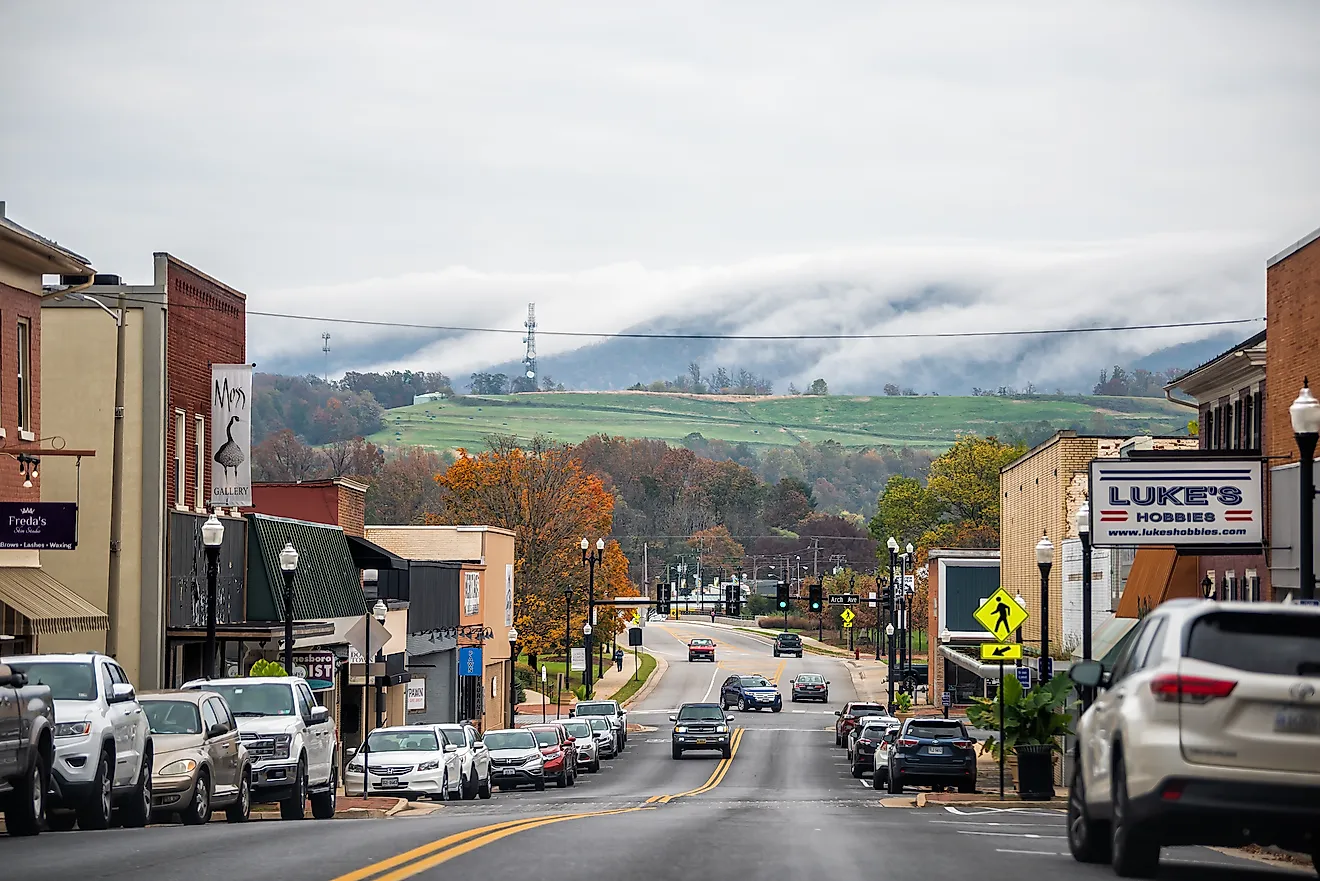
Boonsboro sits below South Mountain, caught between farmland and forest. Its main street holds a bakery, a hardware store, and a few cafés that serve hikers coming down from the trail. A short drive leads straight to South Mountain State Park. There, paths rise gently to Turner’s Gap, where you can see cornfields and church steeples spread across the valley.
Even in the heart of town, the scent of wood smoke and rain from the hills lingers. Locals wave when you pass, not to be polite but because that is how life works here. Boonsboro is bordered by farmland and South Mountain, with limited development corridors that restrict outward expansion and keep traffic volumes lower than in nearby larger towns.
Rock Hall

Rock Hall faces the Chesapeake Bay with an openness that makes the horizon feel twice as wide. The harbor holds fishing boats and small sailboats that drift more than they travel. Main Street ends within sight of the water and is lined with clapboard shops and seafood cafés. In early evening, you can walk from the marina to the small beach and hear nothing but the steady sound of waves against pilings.
A few miles south, Eastern Neck National Wildlife Refuge stretches across tidal marsh where herons wade in still pools. Rock Hall’s street layout is oriented toward the harbor, with most commercial activity concentrated near the waterfront and relatively low traffic volume outside the main corridor, especially compared to busier Chesapeake Bay resort towns.
Oxford

Oxford sits on a peninsula in the Tred Avon River where streets end in silence or sand. The Strand runs parallel to the water with graceful old houses on one side and sailboats moored on the other. Locals bike slowly past trimmed hedges and white fences. The Oxford-Bellevue Ferry glides back and forth across the river, carrying a few cars at a time. Watching it cross becomes a kind of meditation, the hum of the engine fading into gull calls.
Oxford is built on a small peninsula in the Tred Avon River, with a compact street layout where residential roads and waterfront areas are closely connected and most destinations remain within a short walking or biking distance. In Oxford, most things stay local, and every street seems to lead back to calm water.
Hancock

Hancock occupies the narrowest stretch of Maryland, pressed between the Potomac River and the C&O Canal. The town’s single main street runs parallel to the water, and you can hear cyclists on the Western Maryland Rail Trail more often than cars. Locals sit outside the diner near the trailhead, greeting those who pass.
A few miles away, Fort Frederick State Park opens into broad, empty fields that frame the 18th century stone fort. The air smells of grass and river rock. Hancock’s town layout follows a narrow corridor between the Potomac River and the C&O Canal, with most local roads and trails aligned along this strip, concentrating movement along a single main axis and limiting cross-town traffic.
Each of these places has a boundary that nature set long before development arrived. The river stops the road, the bay swallows the horizon, or the mountain rises too sharply to cross. Those limits keep the noise contained and the movement small. In Chestertown, Oxford, or Rock Hall, the sound of the tide sets the rhythm. In Boonsboro and Hancock, forest and foothill hold the air still. Nothing about these towns asks you to slow down; the surroundings decide that for you. Short streets, close distances, and familiar routes keep everything within reach.