7 Oldest Founded Small Towns to Visit in Connecticut
Norman Rockwell wrote that New England was home to a “people with great strength and unshakable pride,” and few places reflect that spirit more clearly than Connecticut. In towns like Guilford and Wethersfield, centuries-old greens, colonial homes, and Revolutionary landmarks make the state’s history feel tangible rather than distant. From Indigenous heritage to early English settlement, Connecticut’s past still shapes its streets, shorelines, and town centers. Get to know some of the oldest-founded towns in the state that are still well worth a visit today.
Guilford

Founded in 1639, this hamlet is named after the area where the first settlers originated in England. Home to some of the oldest architecture in New England, Guilford is a town built on colonial heritage. With access to beaches, lakes, and mountains, there is something for everyone to explore.
The Town Green is situated in the center of Guilford and serves as the hub for most of the town's activities. Shops and farm-to-table eateries line the main street, locally called Route One. Be sure to visit the Village Chocolatier, which has consistently been named the Top Confectionery in Connecticut and offers a variety of cocoa treats. Guilford is very walkable, so take advantage of the tours offered by resident volunteers. From legends about historic homes to their role in the Salem Witch Trials, you'll hear over 400 years of memorable stories.
The Hyland House is an excellent example of evolving colonial architecture. This saltbox-style building, built in 1713, is listed on the Registry of Historic Places. Bishop's Orchards Farm Market and Winery provides fun for the entire family. Operated by the Bishop family for over six centuries, it has been serving the Guilford community since 1871. Pick your fruits and shop for fresh-baked bread and pies after exploring the nearby nature trails.
Windsor

This small village is one of the first English settlements in the state and is in the heart of Fairfield County. Named after Windsor, England, it was founded in 1637. Home to the first highway in Connecticut, it enabled trade with counties between Windsor and Hartford.
Built in 1921, the Windsor Historical Society house offers visitors the chance to be in the oldest-standing community in the state. With over four centuries of history to draw from, its exhibits always evolve to reflect the nature of the community around them. Vintage photographs and letters, along with guided narration, tell the storied heritage of this land.
Visit the Vintage Radio and Communications Museum for an engaging look at history. With over 200 years of artifacts, guests can explore how we connected in the past. From Morse code to smartphones, compelling exhibits demonstrate our electronic progress. The desire to stay connected with loved ones has been a universal need. Enjoy a pint and shepherd's pie at the Union Street Tavern. Reminding visitors of old-time England, this pub in the heart of town has been a local favorite for years. Admire the vintage photographs from over a century that adorn the walls.
Milford

This coastal city is nestled between New Haven and Bridgeport. Founded in 1640, its indigenous roots are reflected throughout the town. During the late 18th and early 19th centuries, portions of Milford broke off into their own incorporated towns, including Woodbridge and Bethany. Owing to its seaside location, its main industries were shipbuilding and oysters.
The Eells-Stow House, situated along Milford Harbor, is considered Milford's oldest home and was once the residence of Captain Stephen Stow, a medic during the Revolutionary War. The salty sea air caused significant damage to much of the original building, but extensive restoration efforts in 1980 aimed to bring it back to its former condition. The Bryan Downs House, a six-room saltbox built in the late 1700s, now functions as a museum featuring Native American collections and a small Country Store.
The Devon Center offers shopping, restaurants, and Revolutionary War Monuments. Milford Green, which dates back to 1649, is considered one of New England's largest downtown park areas. If theatre or open-air concerts interest you, then the Milford Arts Center is a must-see. Hosting year-round entertainment, this community-run organization sources most of its content from regional history and pop culture.
Deep River

Initially named Saybrook, this village was renamed in 1947 to commemorate the creeks that powered the mills in the original colonies. Founded in 1644, Deep River is part of the area locals call Tri-Town, including Chester and Essex.
In the mid-1800s, most ivory imported into the U.S. passed through Deep River, earning it the nickname "Queen of the Valley" for the wealth generated by its ivory trade. The Deep River Freight Station, established in 1915, is a well-preserved example of 20th-century rail operations. Rail enthusiasts will enjoy stories from the engineers who still run the station for train rides and steamboats. It was designated a historic landmark in 1994. Just a fifteen-minute drive from there in Essex, you'll find one of the country's oldest continuously operating inns. Built in 1776, this impressive building has seen the Revolution, Civil War, Temperance movement, and more. Each room features boutique decor honoring its heritage while providing modern amenities.
Simsbury

Incorporated in 1671, this town was indigenous to the Wappinger group of tribes. Designed in 1892, Drake Hill Road Bridge is a popular spot for wedding and engagement photos. Spanning over the Farmington River, it's one of the state's finest examples of metal truss design. Up until this time, most bridges were made of wood or cement. The metal truss design allowed for more stability and flexibility in adjustment.
Simsbury is full of architectural gems. The Simsbury Center Historical Society offers maps and visitor information. With many chances to explore colonial history, you'll have plenty of options. Located in Talcott Mountain State Park is Heublein Tower. The original building was constructed in 1810 and has been renovated four times over the last two centuries. It features six stories, bedrooms, and bathrooms, with an observation deck that offers 360-degree views of the surrounding area. The John Humphrey House, a prime example of Georgian architecture built in 1760 and open for tours, is now known as The Phelps Tavern Museum. This estate was once the home of Captain Elisha Phelps, a commander in the Continental Army. Spend the night at the Stanton House Inn, a family-owned and operated inn that was originally a private house. Built in the early 1900s by renowned New England architect Stanford White, it is within walking distance of historic downtown Simsbury.
Wethersfield

Founded in 1634 by Puritans, Windsor is the oldest village in the state, although Windsor residents try to challenge that claim. Known for four witch trials, its rich heritage is felt throughout the village.
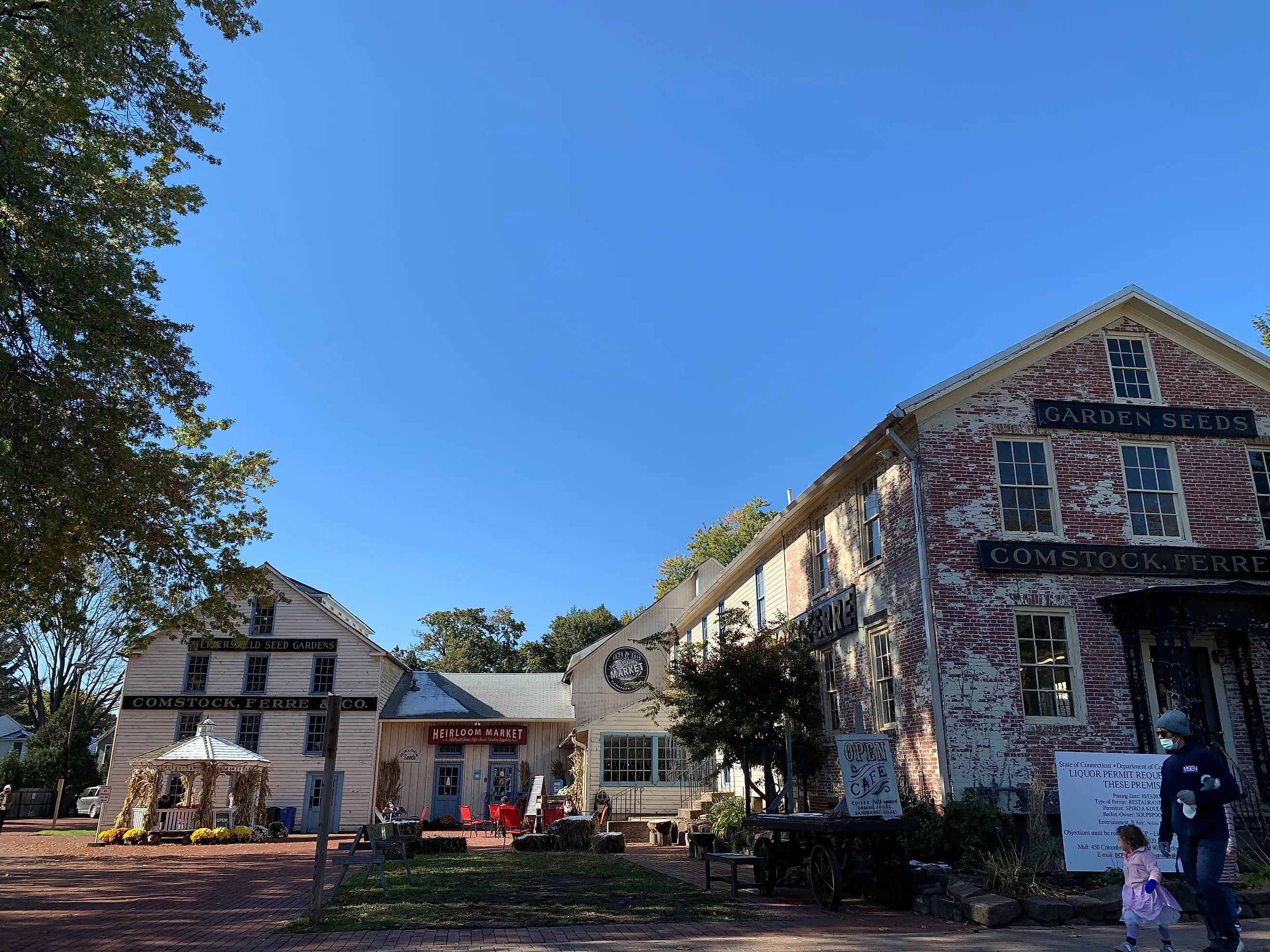
Old Wethersfield Historic District is listed on the National Register of Historic Places; over 50 houses date back to the Revolutionary War and 100 before the Civil War. The Joseph Webb House was the site of a five-day conference between George Washington and French Commander Rochambeau. Mill Woods Park is an ideal spot for a picnic, a relaxing stroll, or a community garden. During the warm months, there are outdoor concerts, and in the winter, the pond freezes over and has been used as a skating rink. Plaques commemorate the area where Revolutionary soldiers set up encampments. Shop on Main Street for authentic local flavor. Antique and specialty stores like Antiques on Main, Heart of the Country, and House of Images Gallery celebrate Connecticut's oldest town's heritage.
Stratford

Settled by Puritans in 1839, Stratford is unprecedentedly woven into Connecticut's history. Unlike other towns on this list, many of its residents are directly related to the Puritan ancestors who migrated here from England.
Stratford residents enjoy a lovely balance of suburban living and coastal access, with a scenic one-and-a-half-mile stretch of beach on Long Island Sound. Lordship Seawell offers excellent dining options and hotels, along with abundant opportunities for fishing and water activities. Visitors can rent kayaks or canoes from the visitor's center for a day on the water. A walk to Stratford Point and Lighthouse provides stunning views of the coastline.
The Stratford Historical Society dedicates itself to preserving the area's history. Its extensive collection offers visitors a rich understanding of what it means to live in this charming hamlet. The Captain David Judson House, built in 1763, is a remarkable example of Georgian Colonial architecture and is now a museum featuring artifacts and exhibits, all presented by guides in period costume.
After working up a thirst, visit Two Roads Brewing Company for artisanal lager. Reflecting the region’s history, they celebrate local heritage while blending it with modern life in Stratford.
Connecticut is a year-round destination. Each season sets the ideal backdrop for a visit, whether it's the fall foliage, snowy mountaintops, fields of wildflowers, or the sun reflecting off the whitecapped saltwater waves. However, Its undeniable history remains constant no matter what the forecast. From colonial homes to indigenous trails, the narrative of America's humble beginnings is waiting to welcome you.