6 Tick Infested Areas In Ohio
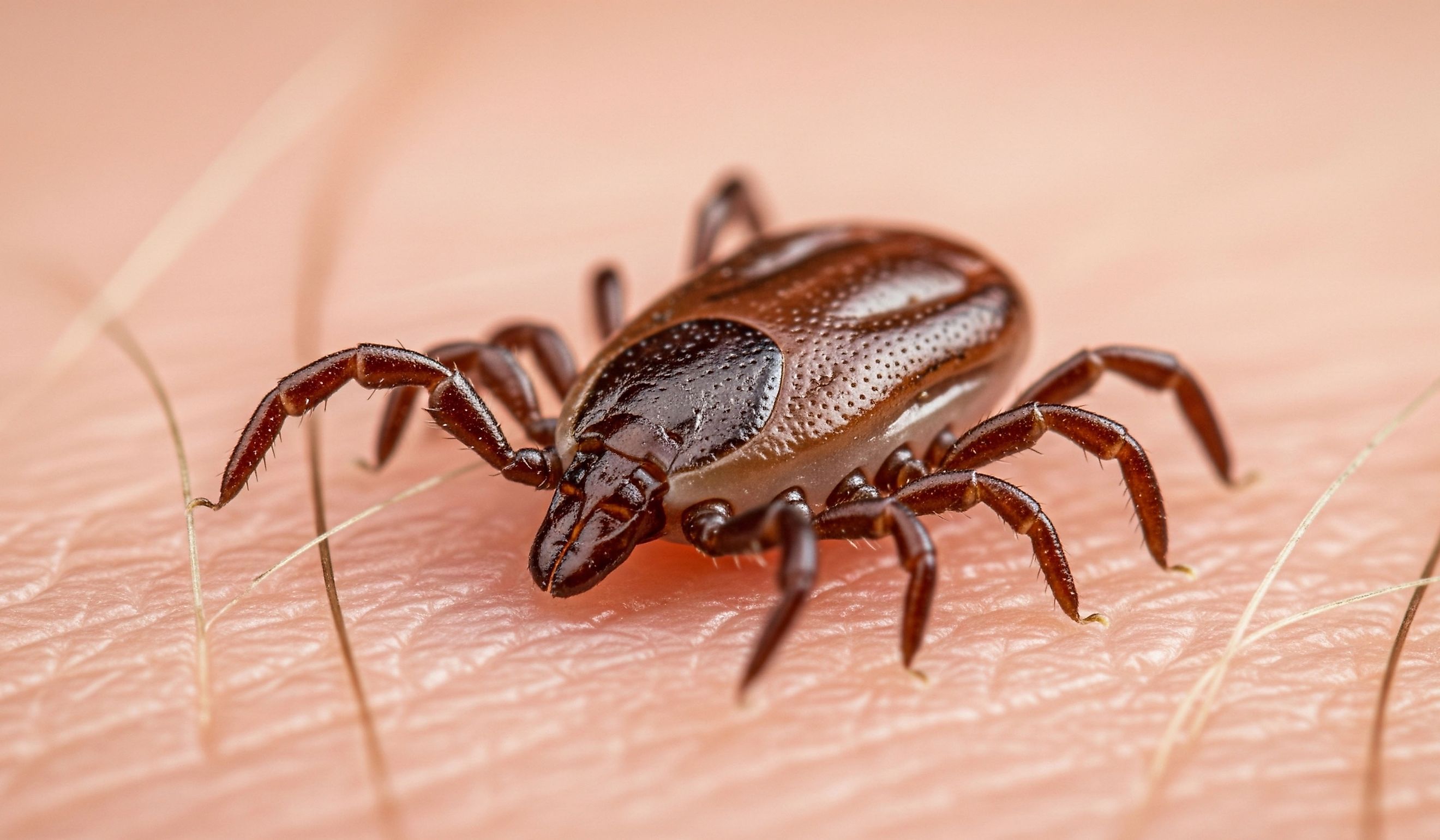
If you live in Ohio, and you have an inkling that the tick sightings have been increasing, it is not just in your imagination. It could be due to a number of reasons (Mild winters? Climate change?), but there has been a noticeable growth in the tick population within the state. The main tick species include the black-legged (deer) tick, the Lone Star tick, and the American dog tick, with Belmont County leading in tick encounters. For those wishing to visit, relocate, or for residents who want to be in the know, here are the most tick-infested areas of Ohio.
Coshocton County

Deer tick sightings have surged in Coshocton County. The prevalence of Lyme-carrying ticks here can be as high as 47.6%, according to a study done by the research team at Ohio State University. They like to reside in wooded and brushy areas, and they prefer chipmunks, deer mice, shrews, white-footed mice, and white-tailed deer as hosts. Deer tick bites are known for transmitting anaplasmosis, babesiosis, the dreaded Lyme disease, and Powassan virus disease, with adult females and nymphs most likely to bite humans. Black-legged tick activity ebbs and flows throughout the year, with fewer sightings during the cold months and peak activity between May and June.
Belmont County

Out of all of the counties in Ohio, Belmont leads the state in confirmed Lyme disease cases in 2026, with an uptick in Lyme disease, particularly as new species of ticks move into the state. The deer tick population, attracted to the area by rural, heavily wooded spaces, a growing deer population, and rising temperatures, is the culprit. Deer tick season peaks in the spring and summer months, thanks to nymphs being at their most active and feeding. In searching for symptoms of Lyme disease, look for a circular rash in the shape of a "bullseye", fatigue, fever, headaches, and joint/muscle pain.
Jefferson County

Right after Belmont County, Jefferson County is a close second, with it being a major hotspot for Lyme disease. Routinely, this county reports some of the highest case counts of Lyme disease in the entire state, thanks to the deer tick. With Jefferson County having many wooded and brushy areas, the cases of Lyme disease usually reach the dozens. Hikers and those working outdoors are recommended to wear long sleeves and pants, tucking pant legs into socks or boots. It is also suggested to wear light-colored clothing to help spot ticks more easily.
Licking County

Considered "Lyme Disease endemic," third-place Licking County has an established and growing population of deer ticks that carry said disease. The Licking County Health Department is closely monitoring local trails and advises strict preventative measures due to the number of tick bites increasing. In addition to deer ticks, Licking County is home to the Lone Star tick, an arguably aggressive tick that bites humans. It prefers to inhabit woodlands with a plethora of undergrowth, and its preferred hosts include some bird species, cats, cattle, deer, dogs, raccoons, squirrels, and even humans. The Lone Star tick can transmit alpha-gal syndrome, ehrlichiosis, and southern tick-associated rash illness (STARI). As with the deer tick, adult females and nymphs are more likely to bite humans, yet the larvae cannot transmit disease. They are mostly active from April through September.
Muskingum County

In addition to Lyme disease, other tick-borne illnesses have skyrocketed in Muskingum County in recent years. Deer ticks, also known as Black-legged ticks, are the most cited culprit, with their peak activity window spanning from late March through June. Alarmingly, there has been an over 1,100% increase in local cases of Lyme disease within the county.

The Zanesville-Muskingum County Health Department recommends hikers to stay in the center of hiking trails and avoid dense, brushy, or heavily wooded environments. They also recommend using EPA-registered insect repellents before spending time outdoors.
Tuscarawas County

Local officials of Tuscarawas County urge residents to perform daily tick checks, wear repellents, and take other preventative measures because the county is home to the deer tick, Lone Star tick, and, last but certainly not least, the American dog tick. The American dog tick is the most commonly sighted tick throughout the state. It prefers clearings, grassy fields, and other areas with sparse tree cover. Its hosts are domestic cats, dogs, small rodents, medium-sized wild mammals, and humans. The American dog tick transmits Rocky Mountain spotted fever and, in some cases, tularemia. Adult females are more likely to bite humans, and like the Lone Star tick, the American dog tick is active from April through September.
Ohio has many wooded areas with leaf litter and tall grass, areas that ticks prefer to reside in. Should you decide to venture to these areas, do a full-body scan (including behind the ears, underarms, and scalp) to check for ticks. Use bug sprays that contain up to 30% DEET, and if bitten by a tick, use fine-tipped tweezers to pull the tick straight out. The Ohio Department of Health advises that removing a tick within 24 hours reduces your risk of contracting Lyme disease. Feel free to visit their site or the Ohio Department of Natural Resources for more safety tips and guides on the most common ticks found throughout the state.