7 Old-Timey Mining Towns In Tennessee
Tennessee's rich mining heritage has shaped entire communities, industries, and landscapes across the state. During the 19th and early 20th centuries, the discovery of copper and coal fueled rapid growth in many small towns in the Appalachian Mountains and the Cumberland Plateau, bringing mining companies, railroads, and booming economies to Tennessee at a steep price. Today, these seven old-timey mining towns tell a fascinating story of boom, bust, and reinvention, offering visitors a mix of industrial history, outdoor adventure, and small-town Appalachian character.
Ducktown

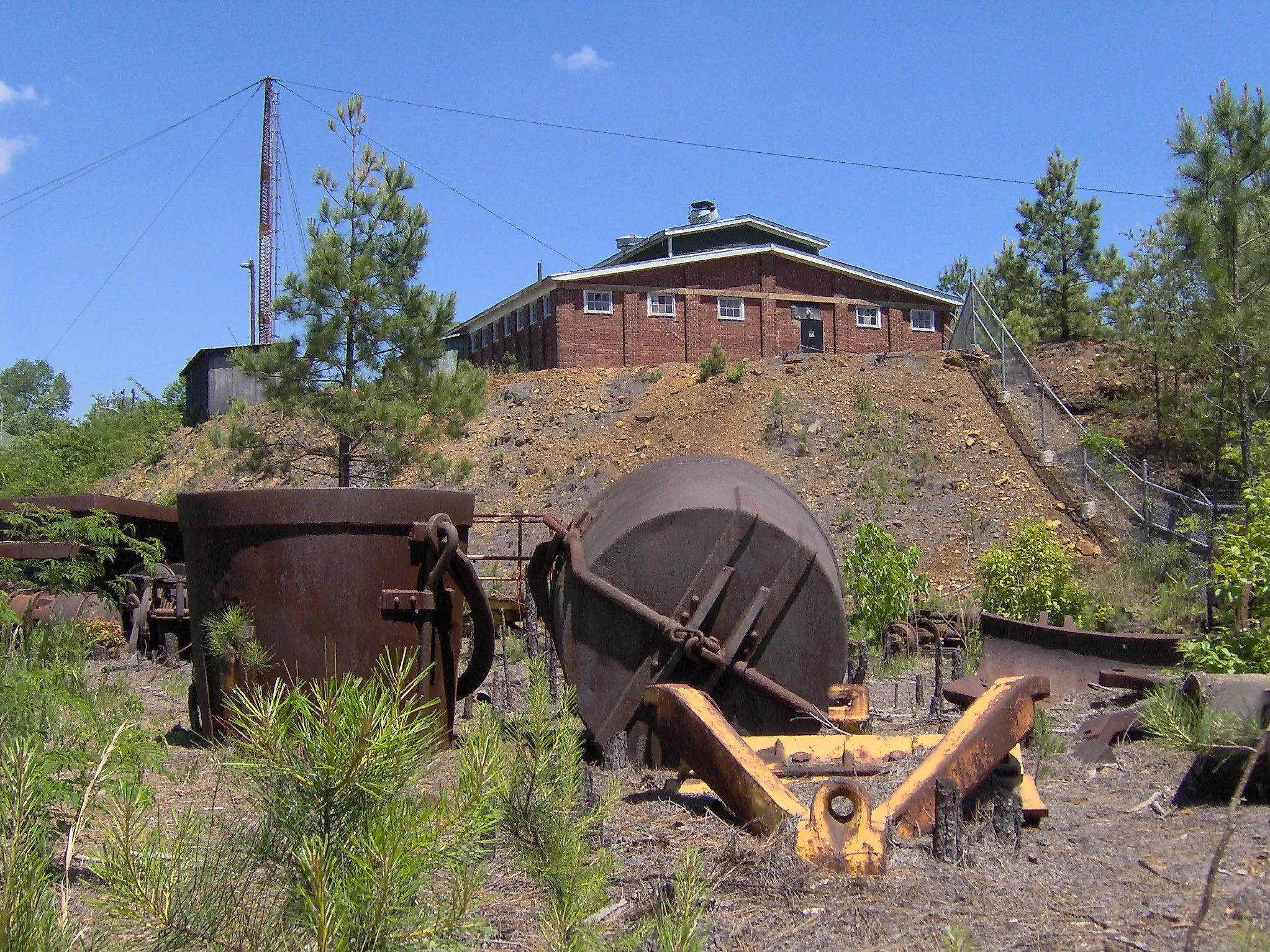
Ducktown was once one of the world’s largest copper-producing areas after the metal was first discovered in the Copper Basin. The 60,000-acre area was also known as the Ducktown Basin during the heyday of 19th-century copper mining, when copper ore deposits were found there in 1843. By 1855, over 30 mining companies had set up shop in the area. Still, by 1936, the Tennessee Copper Company became the only company in town, providing housing, clothing, and a company store for the miners and their families. The smelting process for separating copper from the rock took a toll on the environment, and the Copper Basin was dramatically impacted by mining, taking decades to recover.
The last mine closed in 1987 and was sealed to prevent further exploration. Today, the Ducktown Basin Museum is located at the Burra Burra Mine, where mining enthusiasts can take a self-guided tour of Tennessee's mining history by visiting the 16 structures remaining on the site. Artifacts, photographs, and exhibits are on display in the former mine office. Outdoor adventurers often use Ducktown as a gateway to the 650,000-acre Cherokee National Forest, where you can tackle some of the best whitewater rafting in the U.S. on the Ocoee River. The forest also offers more than 600 miles of trails, including roughly 150 miles of the iconic Appalachian National Scenic Trail. Wildwater in downtown Ducktown is your go-to outfitter for both whitewater rafting and zipline canopy tours.
Copperhill

Right next door to Ducktown, Copperhill sits on the Tennessee-Georgia state line in the Appalachian Mountains. The town grew up during the same mid-19th-century copper boom, when rich ore deposits fueled rapid industrial growth and shaped daily life across the Copper Basin. The arrival of the railroad played an essential role in Copperhill’s growth, ferrying copper ore out of the basin and workers and supplies into town.
Today, while mining is no longer a part of the community, the Tennessee Valley Railroad runs scenic train rides through the area. The Copperhill Special leaves from Delano, Tennessee, on an 8-hour, 94-mile round trip through the Hiwassee River Gorge with a 90-minute stopover in Copperhill, where railway buffs and mining enthusiasts can enjoy lunch at the Copper Grill in Copperhill or at Burra Burra On the River in nearby sister city McCaysville, Georgia, another historic mining town. After lunch, bring the kids to the Creekside Petting Zoo to see baby goats, emus, chickens, and other rescued animals, perfect for families and animal lovers.
LaFollette

LaFollette is a former coal-mining town in the Cumberland Mountains, discovered in 1890 by the LaFollette brothers, who purchased 37,000 acres to exploit the abundant mineral resources in the area. Known as the Big Creek Gap, the brothers saw opportunity in the iron deposits, timber, coal, and water there, and they soon founded the Lafollette Coal, Iron, and Railway Company. By 1897, the town was incorporated, and people began to move to the area to fill the jobs created by the LaFollettes.
As coal began to decline in the mid-20th century, the small town shifted toward tourism, thanks to its location near the northern gateway of the Cumberland Trail and the creation of Norris Lake in the 1930s. Today, the lake's crystal-clear water and 800 miles of shoreline attract outdoor enthusiasts who enjoy boating, swimming, and fishing for bass, crappie, and walleye. The nearby Tank Springs Trailhead of the Cumberland Trail offers hikers miles of trails that connect to natural areas, historic sites, and state parks, and access to the route that stretches over 300 miles across the state from Cumberland Gap National Historical Park to Signal Mountain near Chattanooga.
Jellico

Once a thriving coal-mining and railroad town, Jellico grew rapidly in the late 19th century when the Louisville and Nashville Railroad arrived in the 1880s, helping shift coal from the Jellico Coal Field. The town still retains its old-timey feel, with brick storefronts along North Main Street, home to shops like Johnson Creek, which sells handmade items and vintage finds. Jellico’s top attraction is Indian Mountain State Park, which sits on land once heavily impacted by the coal mining industry.
Today, the 203-acre park is a nature lover's paradise, offering fishing on Indian Mountain Lake, camping, and hiking on several trails. The park is also an excellent place for birders, with populations of Canada geese, great blue herons, mallards, and numerous species of woodpeckers calling the park home.
Rocky Top

Twenty miles north of downtown Knoxville, Rocky Top is a storied coal mining town, originally known as Coal Creek. More recently, it was also known as Lake City until 2014, when Rocky Top became its official moniker to attract tourism to the area. Back in 1891, it was at the center of a major uprising known as the Coal Creek War, sparked by the controversial use of unpaid convicts in the coal mines, which led to the end of the convict leasing system in Tennessee and the creation of a state-run prison system.
Industrial heritage buffs and history enthusiasts can learn more about the labor saga at the Coal Creek Miners Museum in downtown Rocky Top. At the same time, thrill seekers and outdoor adventurers can discover some of Tennessee’s most scenic natural attractions, including Norris Lake, Norris Dam State Park, and WindRock Park, the largest privately-owned off-road park in the U.S., with over 300 miles of off-road and mountain biking trails across 73,000 acres.
Tracy City

Created as a coal-mining company town on the Cumberland Plateau, Tracy City was founded in 1856 and developed under the Tennessee Coal, Iron & Railroad Company, becoming one of Tennessee’s most important coal and coke production centers during the late 19th century. Like Rocky Top, the town was mired in the controversy surrounding Tennessee’s convict leasing, which used prison labor to mine coal in the mountains. Today, you can still see the historic beehive-style coke ovens in Tracy City, which were listed on the National Register of Historic Places in 1987.
Like many coal-mining towns in Tennessee, Tracy City shifted towards tourism, and it’s not hard to see why: the small town is surrounded by natural beauty, including the 30,000-acre Fiery Gizzard State Park, one of three parks formerly known as South Cumberland State Park. Today, the park includes its largest waterfall, Foster Falls, the Grundy Lakes Historic Area, where you can see the coke ovens, world-class rock climbing at Denny Cove, and the 12.8-mile Fiery Gizzard Trail.
Briceville

Briceville was another central coal-mining town in the late 19th and early 20th centuries. It was also a central player in Tennessee’s labor history as one of the key towns involved in the Coal Creek War, alongside Rocky Top and Tracy City. The area is also tied to one of the darkest chapters in the state’s mining past, when on May 19, 1902, a massive explosion ripped through the nearby Fraterville Coal Mine, killing 216 miners trapped underground. Nine years later, the Cross Mountain mine disaster also occurred near the town, making the small, unincorporated town of Briceville historically significant beyond its size.
In honor of both mine disasters, the Cross Mountain Miners’ Circle is located just outside of town, at a discreet site within the larger Circle Cemetery. Circle cemetery formations symbolize a shared fate marked by tragedy, hardship, or disaster. Some suggest it is to convey solidarity and equity, in that all the miners lived and worked together as equals and would remain so in death. The Cross Mountain Miners’ Circle is listed on the National Register of Historic Places.
From Boomtowns To Trailheads: Tennessee’s Mining Towns Today
Tennessee’s historic mining towns reveal how the state’s copper and coal industries have reinvented themselves over the years. From Ducktown, Copperhill, and LaFollette to Jellico, Rocky Top, Tracy City, and Briceville, each town tells a story of industrial ambition, labor struggle, and environmental recovery. Today, museums, preserved mining landmarks, scenic railways, cemeteries, state parks, and trail systems have replaced land once devastated by early mining practices, and instead invite travelers to explore Tennessee’s storied mining history. Together, these seven old-timey mining towns offer a chance to experience both the legacy of mining and the landscapes and communities that have flourished in its wake.