7 Offbeat Chesapeake Bay Towns To Visit
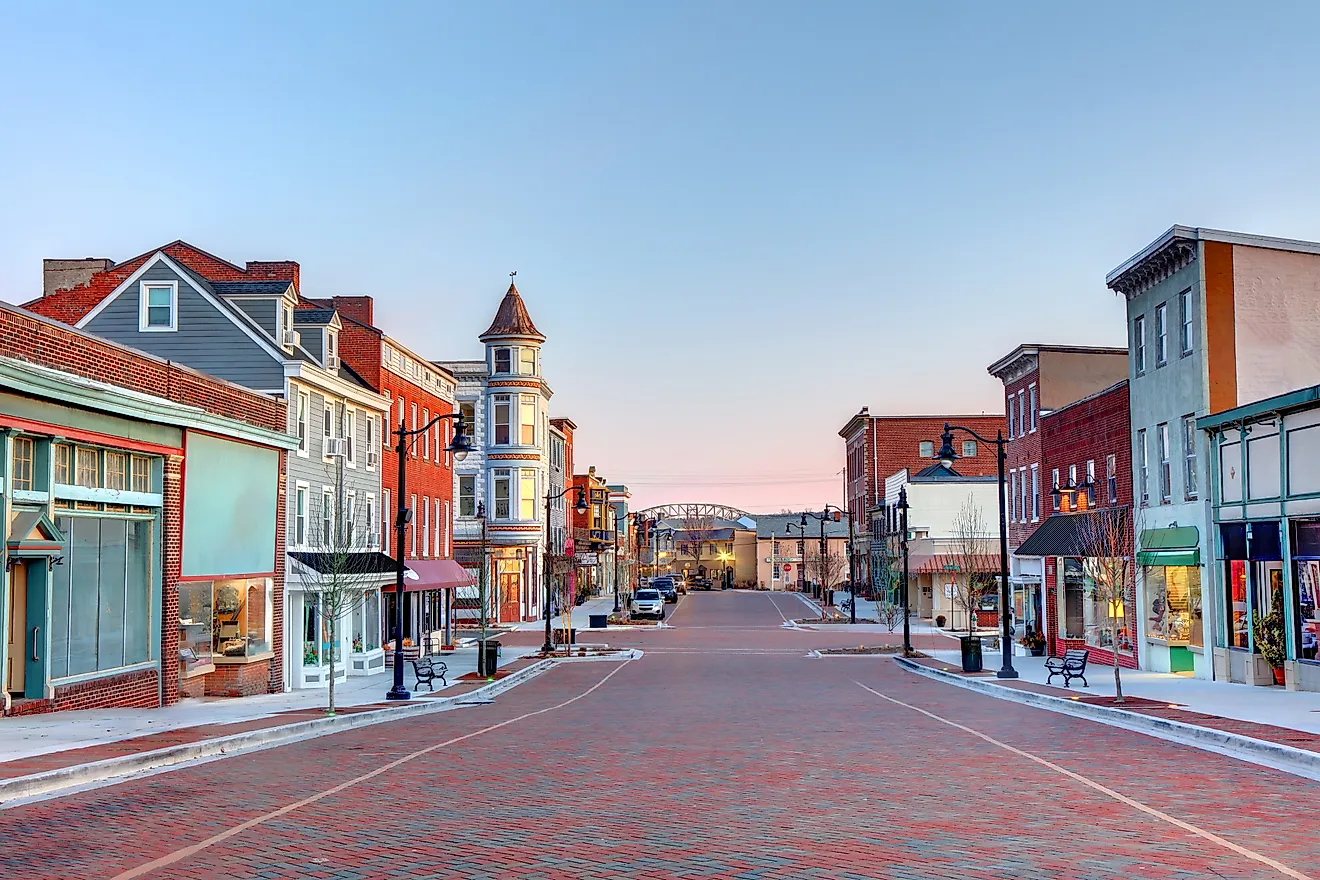
If your idea of coastal travel includes pirate festivals and forgotten island cemeteries, keep reading. The Bay's off-the-beaten-path places stay unvarnished and uninterested in trends. Their economies once ran on shipbuilding docks and seafood canneries across Maryland and Virginia's shorelines. Some towns disappeared into the void and others survived without sacrificing who they were. The seven offbeat Chesapeake towns ahead wait on the periphery of the map for the kind of traveler looking for an unhurried adventure.
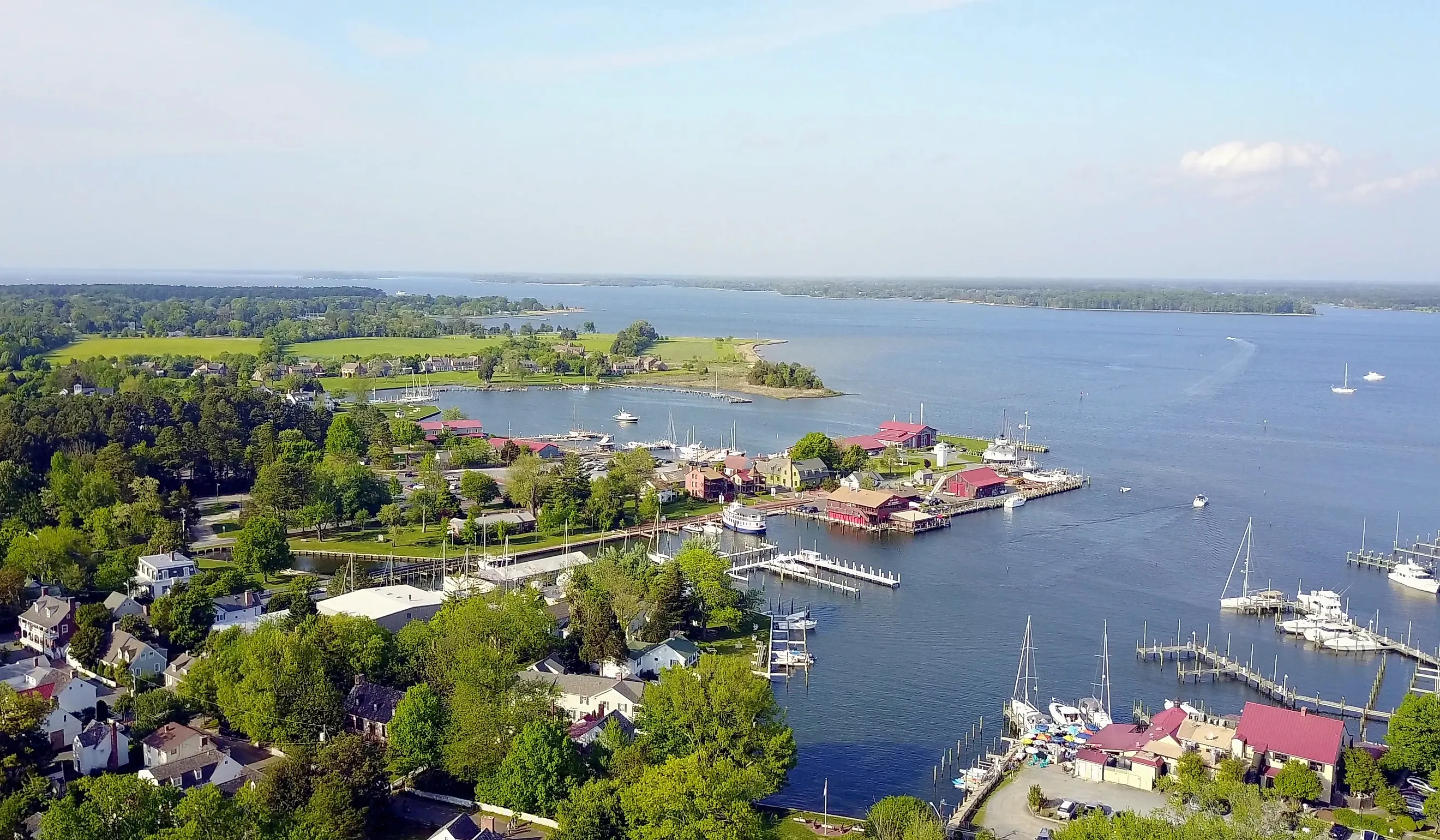
St. Michaels, Maryland

Yacht cruises, terrier races, and shipyard tours all fit into a single weekend in this waterfront village. The Chesapeake Bay Maritime Museum spreads across 18 waterfront acres on Navy Point, with the restored 1879 Hooper Strait screw-pile lighthouse and a working shipyard where you can watch shipwrights restore historic wooden bay vessels including the 1889 oyster bugeye Edna E. Lockwood. From the harbor itself, the Sail Selina II, a 1926 yacht, runs daily two-hour sails along crab shacks and old lighthouses.
In the fall, stick around for Fall into St. Michaels, a weekend filled with pumpkin carving, arts and crafts vendors, and the town's strangest tradition, the Jack Russell Terrier Races. The town also calls itself "the town that fooled the British" for hanging lanterns in the trees during the War of 1812 to make British naval guns overshoot the actual buildings. St. Luke's Methodist Church (1839), Talbot Street's antique shops and seafood restaurants, and the Inn at Perry Cabin (a former private estate now operating as a luxury Belmond hotel) round out a long weekend.
Cape Charles, Virginia

A town where a lighthouse replica stands on a golf course and a LOVE sign is crafted from crab pots, kayaks, and other local materials, Cape Charles embraces its quirky coastal character. Cape Charles is on Virginia's Eastern Shore, accessed via the 17.6-mile Chesapeake Bay Bridge-Tunnel from Virginia Beach. The Cape Charles Natural Area Preserve runs serene boardwalks and trails along dunes and coastal forests inhabited by migratory birds and specialty plants. The town's LOVE sign on the waterfront has become one of the more photographed stops on the Virginia is for Lovers tourism trail.
Get a dose of historical chic at the Historic Palace Theatre, an Art Deco landmark built in 1941 by German-born architect Alfred M. Lublin that still hosts music, dance, and plays through Arts Enter Cape Charles. The Crabby Blues Festival, held in September, features live music and seafood downtown. And to enjoy a brew with the residents, Cape Charles Brewing Co. dispenses house beers in an easygoing atmosphere that's more neighborhood than touristy. The Bay Creek Resort & Club, with its two Arnold Palmer- and Jack Nicklaus-designed golf courses, occupies the southern end of town along the harbor.
Cambridge, Maryland

Where else can you find a replica lighthouse, a sprawling mural trail, and the legacy of an American hero all in one place? The Harriet Tubman Underground Railroad Visitor Center, which opened in 2017 on Route 335 in Church Creek (about 10 miles south of Cambridge), provides an interactive experience into the life and activities of the famous abolitionist within the very landscapes that once provided a haven for runaway enslaved people. Tubman was born around 1822 in Dorchester County, and the center anchors the Harriet Tubman Underground Railroad Byway, a 125-mile self-guided driving tour.
Nature lovers can tour the Blackwater National Wildlife Refuge, an enormous 30,000-acre area of marshland full of migratory birds and abundant wildlife, including one of the largest breeding populations of bald eagles on the Atlantic coast. For an introduction to local heritage, the Cambridge Classic Powerboat Regatta in late July features high-speed racing on the Choptank River with enthusiasts from all the surrounding areas. The Choptank River Lighthouse, a six-sided replica of the traditional screw-pile lighthouse, is another feature of the town that reminds everyone of the seafaring history of Cambridge. RAR Brewing on Poplar Street, run by two brothers, has helped revive the downtown along High Street.
Chestertown, Maryland

It's not every day you see colonists toss tea into a river for fun, but that's Chestertown on Memorial Day weekend. The town's most offbeat tradition is the Chestertown Tea Party Festival, which recreates its alleged May 23, 1774 protest by having residents dump chests of tea into the Chester River, march through downtown in costume, and stage colonial games and crafts for the public. The story holds that, following the Boston example, local patriots boarded the brigantine Geddes in broad daylight after the town passed its "Chestertown Resolves" forbidding tea sales. The energy carries on inside the Garfield Center for the Arts, where old vaudeville appeal mingles with community plays and independent movies within the context of an atmosphere in the 1920s.
Nearby is the Sultana schooner, a full-size replica of the 1768 schooner HMS Sultana, where guests participate in hands-on sails and learn about the ecology of the Bay on the deck. Finish it off at the Chestertown Farmers' Market, held every Saturday morning April through December, where local artists and farmers convert Fountain Park into a friendly Saturday tradition. Washington College, founded in 1782 and the tenth-oldest liberal arts college in the country, anchors the rest of the year with a calendar of public lectures and concerts.
Rock Hall, Maryland

Pirates, shanty songs, and old oystering tales all find a home in this Chesapeake hideout. Every August, Pirates and Wenches Fantasy Weekend descends on Main Street with costumed crowds, tasting rooms for rum, and seafaring parades that are closer to a seafront carnival. For something less frenetic, the Waterman's Museum has displays on the seafood heritage of Rock Hall, including old tools, photos, and an actual reconstructed shanty house where local crabbers once worked.
Nature lovers flock to the Eastern Neck National Wildlife Refuge outdoors in all seasons, with the paths leading through wetlands and sunrise sightings of bald eagles. The refuge sits on a 2,285-acre island at the mouth of the Chester River, connected to Rock Hall by a bridge. Close enough to walk from downtown, Ferry Park Beach offers tourists a secluded area to swim, take an evening walk along the beach, or watch the sunset on the water. Rock Hall Bayside Public Landing also provides a small public beach with a fishing pier and views toward Baltimore across the Bay.
Tylerton, Maryland

You don't stumble into Tylerton by accident. This serene village on Smith Island, accessible only by boat from Crisfield (about 45 minutes by ferry), seems to have broken off somehow from the mainland many years ago. Tylerton itself counts roughly 50 year-round residents, one of three island villages along with Ewell and Rhodes Point, with a combined Smith Island population of about 200. The town's seclusion kept not only its pace but its language as well, with some residents still speaking the distinct Smith Island dialect linguists trace to 17th-century Cornwall and southwest England. You can sample the legendary Smith Island Cake, an 8-to-10-layer yellow cake with chocolate fudge frosting that has been Maryland's state dessert since April 2008.
The Smith Island Cultural Center in Ewell examines the threatened ecosystem around the island and the remaining watermen who continue to ply its waters. The island has lost more than 60% of its land area to erosion and sea-level rise over the last century. Standing on the outskirts of town, the Union United Methodist Church Cemetery is where generations of island residents repose, the weathered markers a reflection of the quiet that covers this vanishing place.
Crisfield, Maryland

Crisfield calls itself the "Crab Capital of the World" and leans into its crustacean crown with pride and just a little weirdness. Each Labor Day weekend, the National Hard Crab Derby fills town with crab cook-offs, racing crabs down a wooden ramp, and a Miss Crustacean pageant that is as goofy as it is genuine. The Derby has been running since 1947, making it one of the longest-running seafood festivals on the Eastern Shore. Meanwhile, across the harbor, miles of salt marsh and wetlands run through Janes Island State Park, with watery paths best navigated by kayak, and deserted beaches and serene loneliness at every turn.
Take the Captain Jason ferry or Smith Island Cruises across to Smith Island, the vanishing watermen community famous for its 10-layer cake. Back in town, people meet at the Somers Cove Marina, where salted boats and salty stories put you in the front row for life on the Bay. The J. Millard Tawes Historical Museum, named for the Crisfield native who served as Maryland's 54th governor, runs walking tours of the working harbor including the J.P. Tawes & Bro. Hardware (in continuous operation since 1898) and the Carvel Hall Cutlery factory site.
Chesapeake Without The Crowds
These Chesapeake Bay towns do not polish the edges or stage a production for tourists. Instead, you find ferry docks without the hustle and bustle, crabbing boats that serve as landmarks, and festivals founded on pride and not planning. Some towns still speak with an accent from the other side of the ocean, while others stage pirate parades or dispense cake with more layers than a slice. History clings to the facades of buildings, and stories are kept alive through dockside conversations, not brochures. These towns didn't adapt to the travel books, and that is what makes them compelling. They move slower, cling harder, and live by the rhythms the big cities forgot. If that is the kind of trip you are looking for, pack light, ask questions, and go and meet the Bay towns that held on to their idiosyncrasies on purpose.