7 Most Welcoming Towns In The Ozarks' Countryside
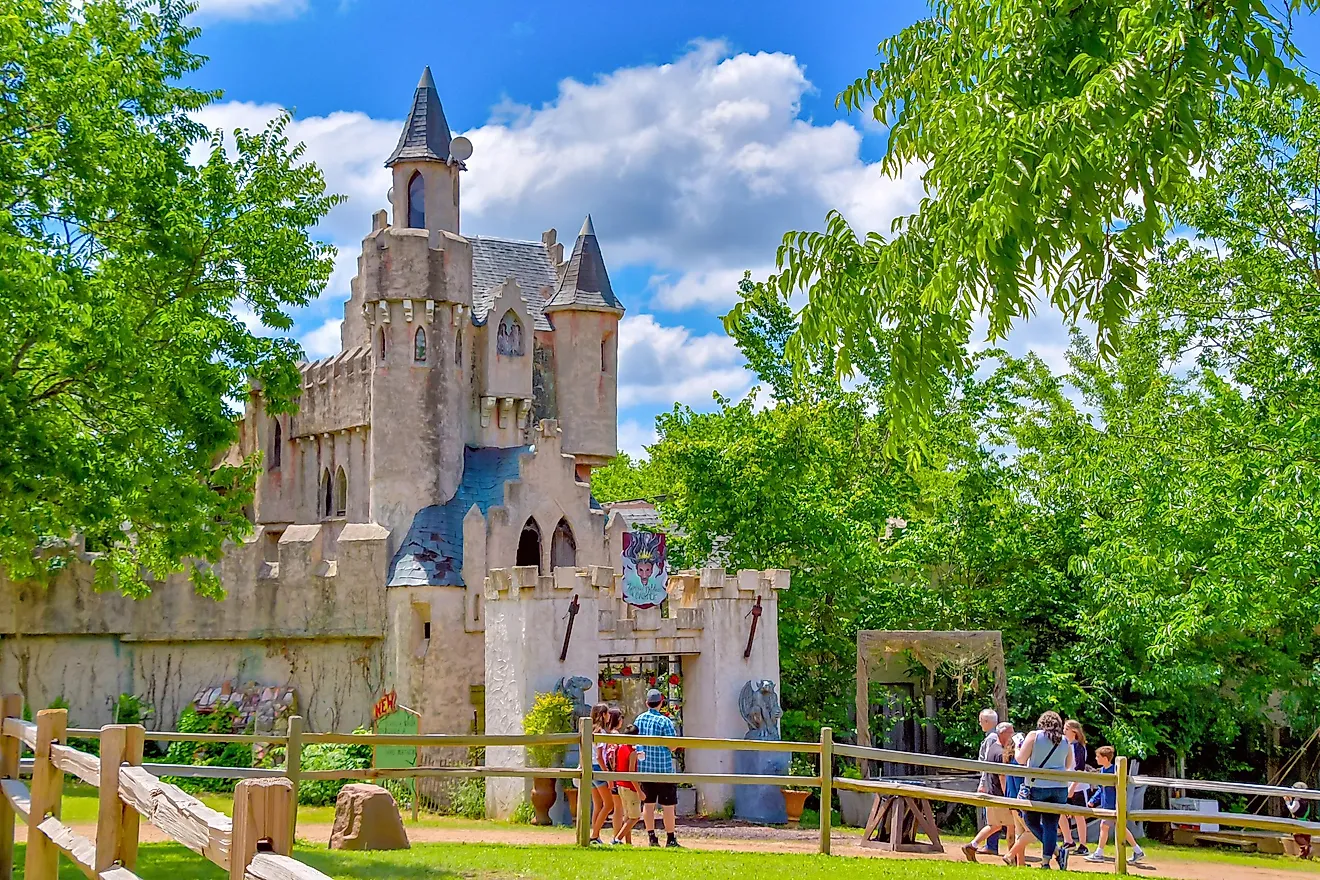
Ozarks summers tend to bring people outside, and most of the towns ahead have built their year around it. Eureka Springs has a Victorian downtown built into the hillsides above natural springs that gave the town its name. Hermann's German winemaking tradition dates to the 1840s and still drives most of the town's calendar. Mountain View hosts open-air fiddle and banjo sessions on the courthouse square most weekends from spring through fall. Calico Rock has a historic district of antique shops looking out over the bluffs of the White River. These are seven of the most welcoming towns in the Ozarks countryside.
Eureka Springs, Arkansas

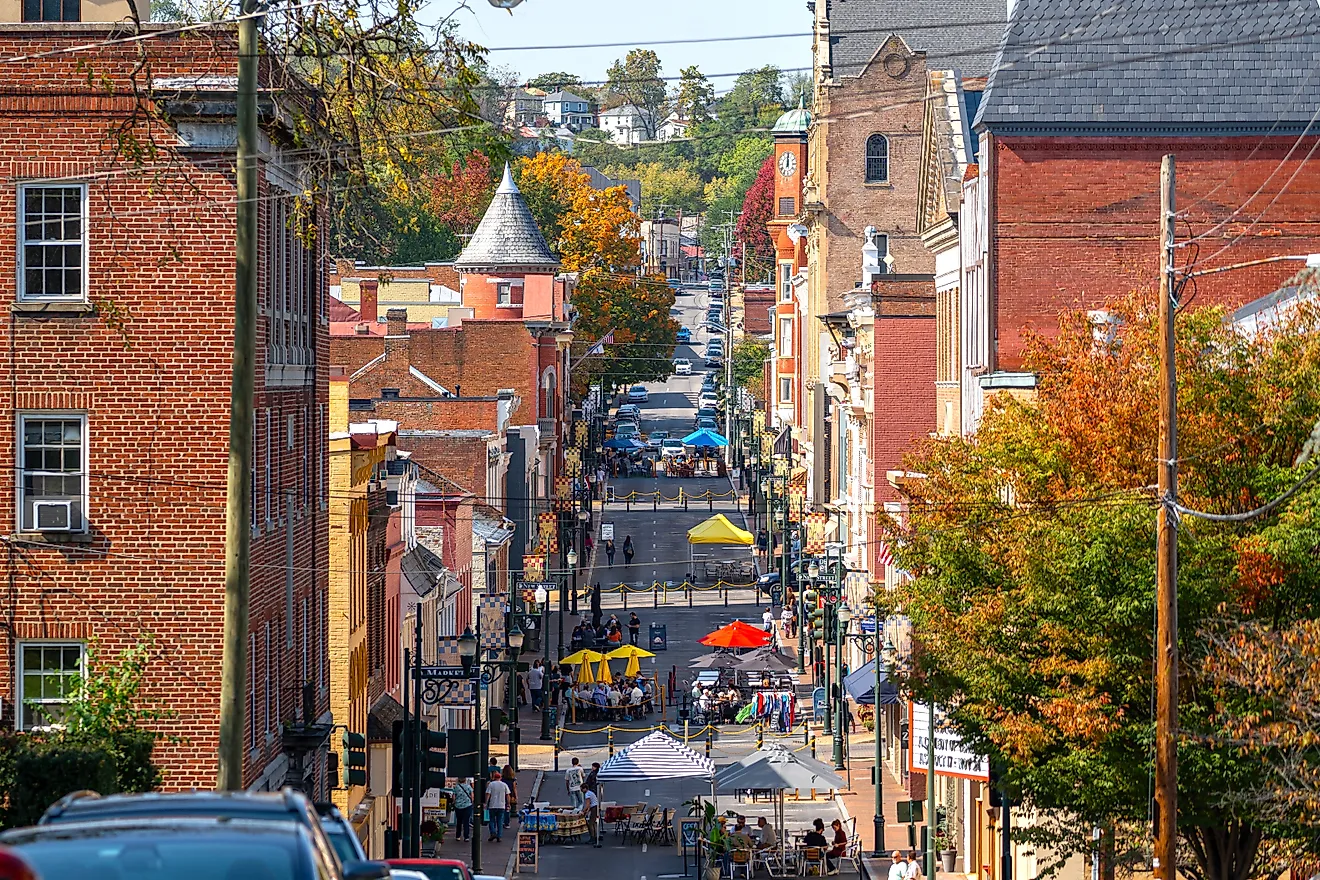
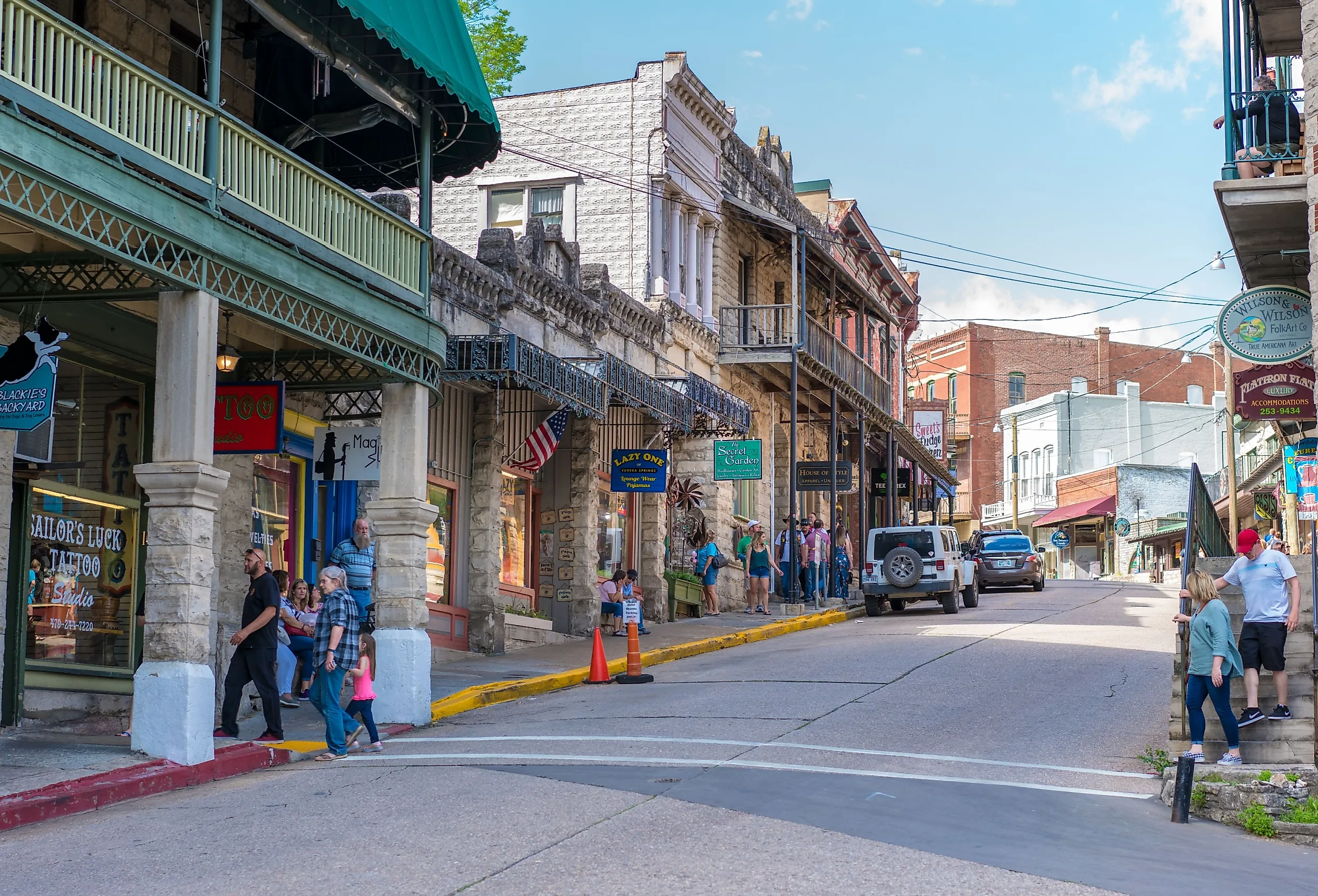
In the Ozark Mountains of northwestern Arkansas, about 50 miles east of Fayetteville, Eureka Springs is home to roughly 2,200 residents within a hillside grid of Victorian-era buildings. The town was built up in the 1800s around natural springs that drew bathhouse tourists from across the region, and much of the city, including the downtown core, is listed on the National Register of Historic Places as a nationally significant historic district, with limestone storefronts and gingerbread-trimmed homes climbing hillsides on streets too steep for grid-pattern planning.
Most visits begin on Spring Street, where Basin Spring Park sits at the original 1879 spring discovery site and forms the natural starting point for a walk through downtown. Half a mile north, the 1886 Crescent Hotel & Spa overlooks the town from its wooded mountaintop setting on Prospect Avenue and remains one of Eureka Springs' best-known historic hotels, with ghost tours and paranormal lore adding to its draw. Just outside town, Thorncrown Chapel, a 48-foot-tall glass and timber sanctuary completed in 1980 by architect E. Fay Jones, stands as one of the most photographed pieces of architecture in the state. Visitors looking to stay overnight can choose from a broad mix of historic inns, bed-and-breakfasts, cottages, cabins, hotels, and suites, with the Crescent itself offering historic rooms alongside modernized accommodations.
Mountain View, Arkansas

Mountain View sits at the heart of the Ozark National Forest in north-central Arkansas, about 100 miles north of Little Rock, with a population of roughly 2,800 that has earned it the nickname "Folk Music Capital of the World." Musicians gather around the Stone County Courthouse square, especially on Friday and Saturday nights from April through October, with locals bringing fiddles, banjos, dulcimers, and guitars to play traditional Ozark mountain music in informal jam sessions that visitors are welcome to watch.
Most visitors begin at the Ozark Folk Center State Park on the north edge of town, which runs a permanent campus dedicated to preserving the region's craft and music traditions through daily demonstrations of pottery, blacksmithing, weaving, and broom-making, plus live concerts at the on-site auditorium. A few miles farther north, Blanchard Springs Caverns offers seasonal guided tours of a living limestone cave system, with tours expected to resume in May 2026. The town's biggest annual draw is the Arkansas Folk Festival, which returns in mid-April with music, crafts, a parade, and traditional food around the courthouse square. Most overnight visitors stay at the Ozark Folk Center Lodge or one of the small bed-and-breakfasts within walking distance of the square.
Calico Rock, Arkansas

About 120 miles north of Little Rock along the White River, Calico Rock sits below tall painted bluffs that gave the town its name, with a population of roughly 2,000. The downtown is listed on the National Register as the Calico Rock Historic District, preserving a compact early-20th-century commercial district around Main Street, Rodman Street, Walnut Street, and Peppersauce Alley.
Visitors typically begin at the Calico Rock Museum and Visitor Center on Main Street, which preserves the town's railroad and river heritage in a restored bank building. A short walk down toward the river leads to Peppersauce Alley and East Calico, a signed ghost-town area within city limits where visitors can view historic structures from the outside and pick up walking-tour information at the visitor center. The White River runs cold below the bluffs and supports one of the strongest trout fisheries in the country, with several outfitters in town arranging guided float trips and gear rentals. The Calico Riverview Inn, a nine-room historic 1920s guesthouse restored in 2023, sits above the White River and is one of the town's main lodging options.
Hardy, Arkansas

Hardy sits along the Spring River in north-central Arkansas, about 140 miles northeast of Little Rock, with a population of roughly 720. The town developed in the 1880s as a railroad and resort stop along the river, and the Old Hardy Town historic district along Main Street has retained its early 20th-century character through careful preservation rather than reconstruction.
The downtown's main draw is its concentration of antique shops, with over a dozen storefronts dealing in furniture, glassware, vintage clothing, and Ozark folk art across a few walkable blocks. A short stroll from the antique row, the Spring River runs cold and clear directly through town, fed by the year-round flow of Mammoth Spring 25 miles upstream, and several outfitters arrange canoe and kayak floats from town downstream toward Hardy Beach. For a quieter pause, Loberg Park along the river adds shaded benches and views of the limestone bluffs across the water. Visitors looking to stay overnight can book the Spring River Stonehouse Inn, a circa-1924 stone home listed on the National Register of Historic Places in downtown Hardy.
Hermann, Missouri

About 80 miles west of St. Louis along the Missouri River, Hermann sits at the northern edge of the Ozark region with a population of roughly 2,200 and a heritage that traces directly to the German immigrants who founded the town in 1837. The settlers had picked Missouri because the surrounding hills reminded them of the Rhine valley, and the town they built has retained that visual character through preserved 19th-century brick buildings, terraced vineyards, and the beer-and-wine traditions still observed today.
The town's calendar revolves around its wineries. Stone Hill Winery on the southern hilltop runs tours of its 1847 underground cellars, and Hermannhof Winery on First Street operates from a stone complex completed in 1852, both within walking distance of downtown. A few blocks away from either winery, the Deutschheim State Historic Site preserves two 1840s German immigrant homes with original furnishings. Maifest returns in mid-May, while Oktoberfest fills fall weekends with traditional music, dance, food, wine, beer, and spirits around town. Lodging options run heavily to bed-and-breakfasts and boutique inns, with the Captain Wohlt Inn and Hermann Hill Vineyard Boutique Hotel & Spa among the established choices.
Steelville, Missouri

Steelville sits in central Missouri's Crawford County along the Meramec River, about 80 miles southwest of St. Louis, with a population of roughly 1,500 and a long-held title of "Floating Capital of Missouri." The Meramec River runs clear and gently through the surrounding hills, and the town serves as one of the most popular put-in points for canoe and kayak floats downstream toward the Meramec State Park area.
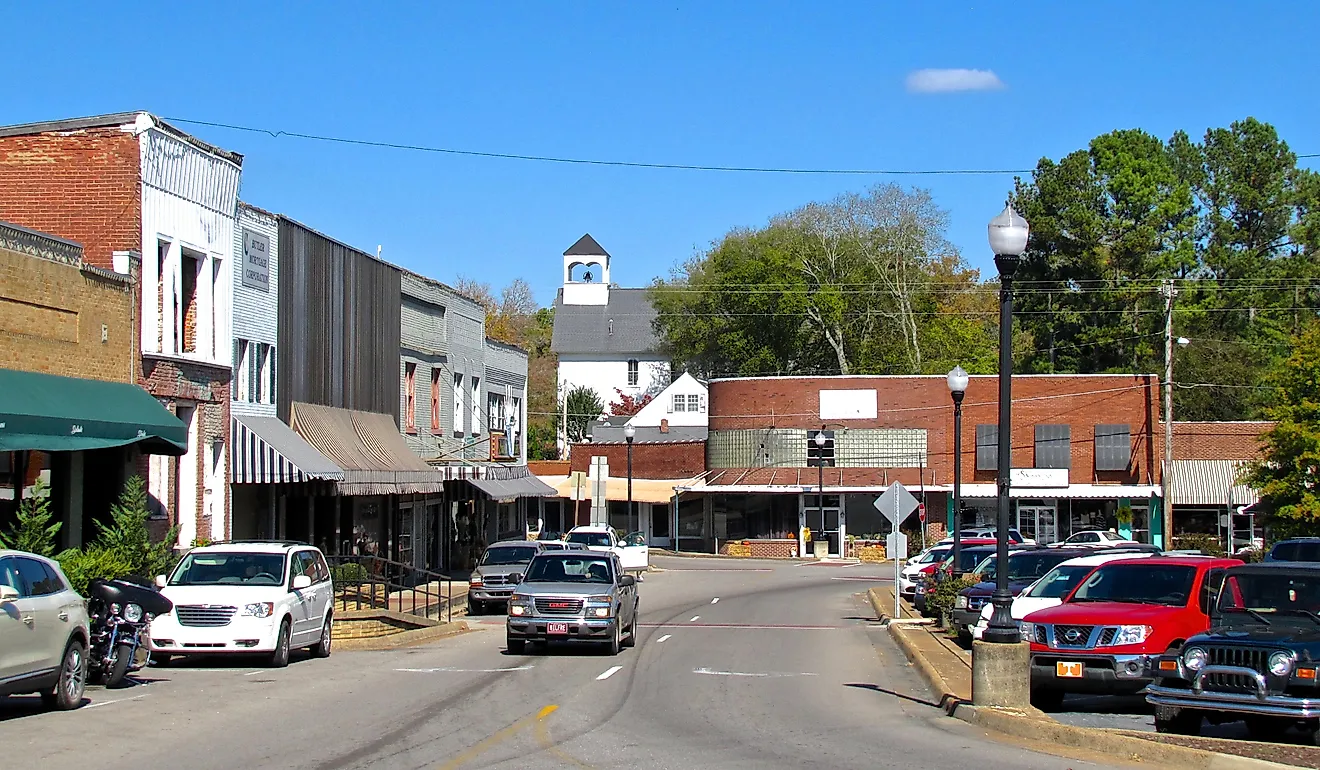
Most visitor activity centers on the downtown square, where the Steelville Arts Council operates Gallery Zeke and Heartland Arts in the Evans House. Just outside town, several float outfitters along the Meramec arrange day trips and overnight float-and-camp packages. Most overnight guests book at Wildwood Springs Lodge, a historic early-1920s resort lodge in Steelville with lodge rooms, guest houses, a pool, concert packages, and a dining room serving home-style meals.
Van Buren, Missouri

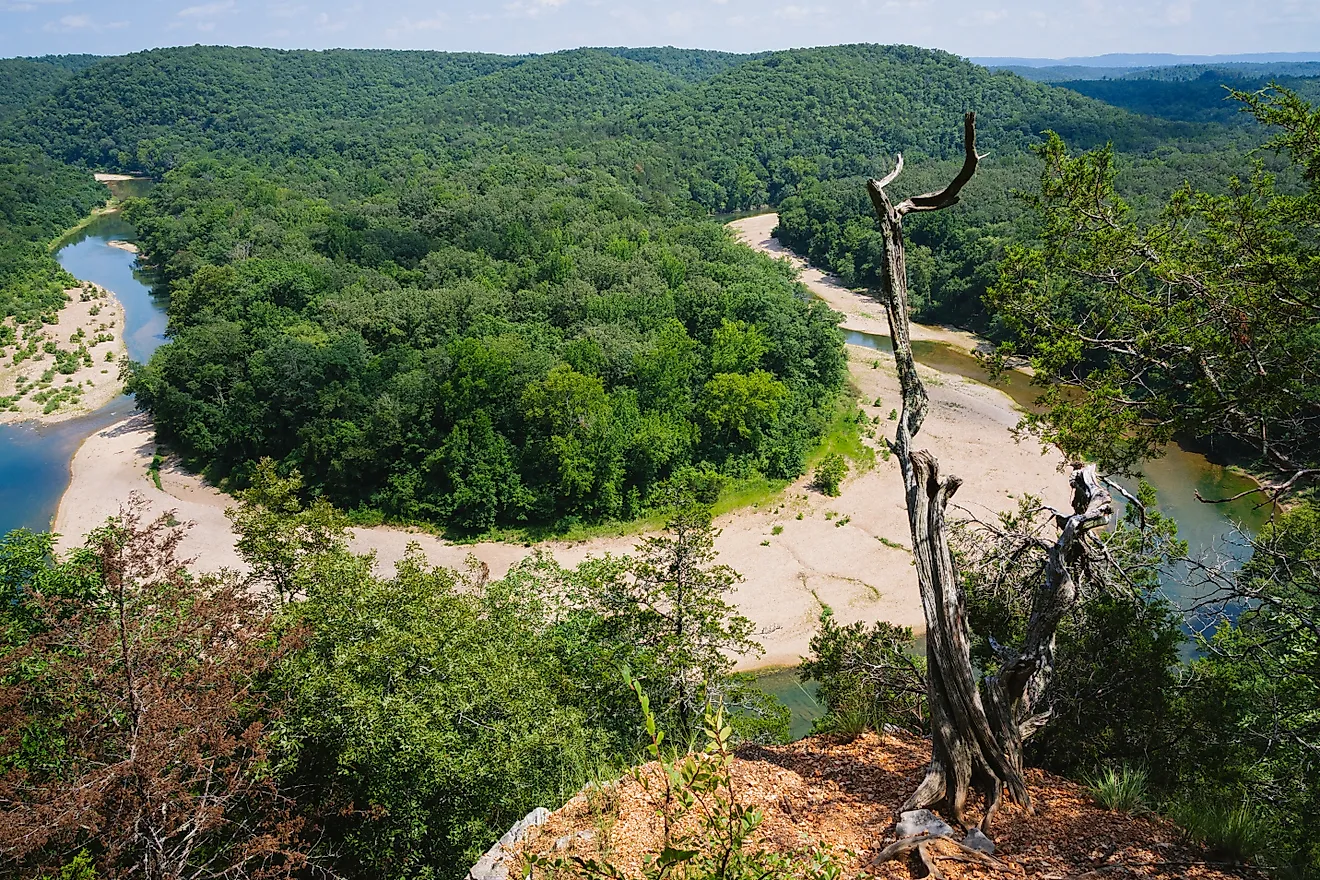
Van Buren sits in the heart of the Ozark National Scenic Riverways in southeastern Missouri, about 150 miles south of St. Louis, with a population of roughly 750. The Current River, one of the few free-flowing rivers in the eastern United States, runs directly through town and gives Van Buren its identity as the southern gateway to one of the most ecologically significant river systems in the region.
The town's main draw sits four miles south of downtown. Big Spring, inside Ozark National Scenic Riverways, releases about 286 million gallons of water per day on average from the base of a dolomite bluff, making it one of the country's great freshwater springs. The clear blue water joins the Current River through a short channel that visitors can walk to from a paved parking area. Back in town, several outfitters arrange canoe, kayak, and tube floats on the Current River for trips of a few hours up to multi-day camp-outs. Overnight visitors can stay in Van Buren at private properties such as The Landing's Rosecliff Lodge, the Current River Inn, or riverside cabin and campground operations.
Why The Ozarks Countryside Welcomes Travelers
The seven towns share more than just their setting. Each runs on a calendar built around the rivers, springs, mountains, or vineyards that define its corner of the region, with festivals scheduled to bring locals and visitors into the same spaces at the same time. Lodging is dominated by historic inns, family-run cabin operations, and small bed-and-breakfasts rather than chain hotels, and most restaurants and shops are owned by people who live in town. Three days of float trips, courthouse-square music sessions, and antique browsing across these towns give travelers the version of the Ozarks that has remained relatively unchanged across the last century, even as the larger region has grown around it.