7 Best Places To Live In Michigan
Living in Michigan can mean very different things depending on where you settle. Ann Arbor and Grand Rapids offer walkable neighborhoods tied to major job centers and universities. St. Joseph and Petoskey provide daily access to Lake Michigan, with beaches, marinas, and compact downtowns built around the water. Frankenmuth and Niles appeal to residents looking for smaller, community-driven towns with defined town centers, while Copper Harbor stands apart as a remote harbor village shaped by Lake Superior, outdoor access, and a slower pace of life.
These seven Michigan communities stand out in 2026 for offering livable town layouts, reliable amenities, and clear lifestyle advantages, whether that means lake access, a strong downtown, or long-term stability rather than seasonal tourism alone.
Ann Arbor

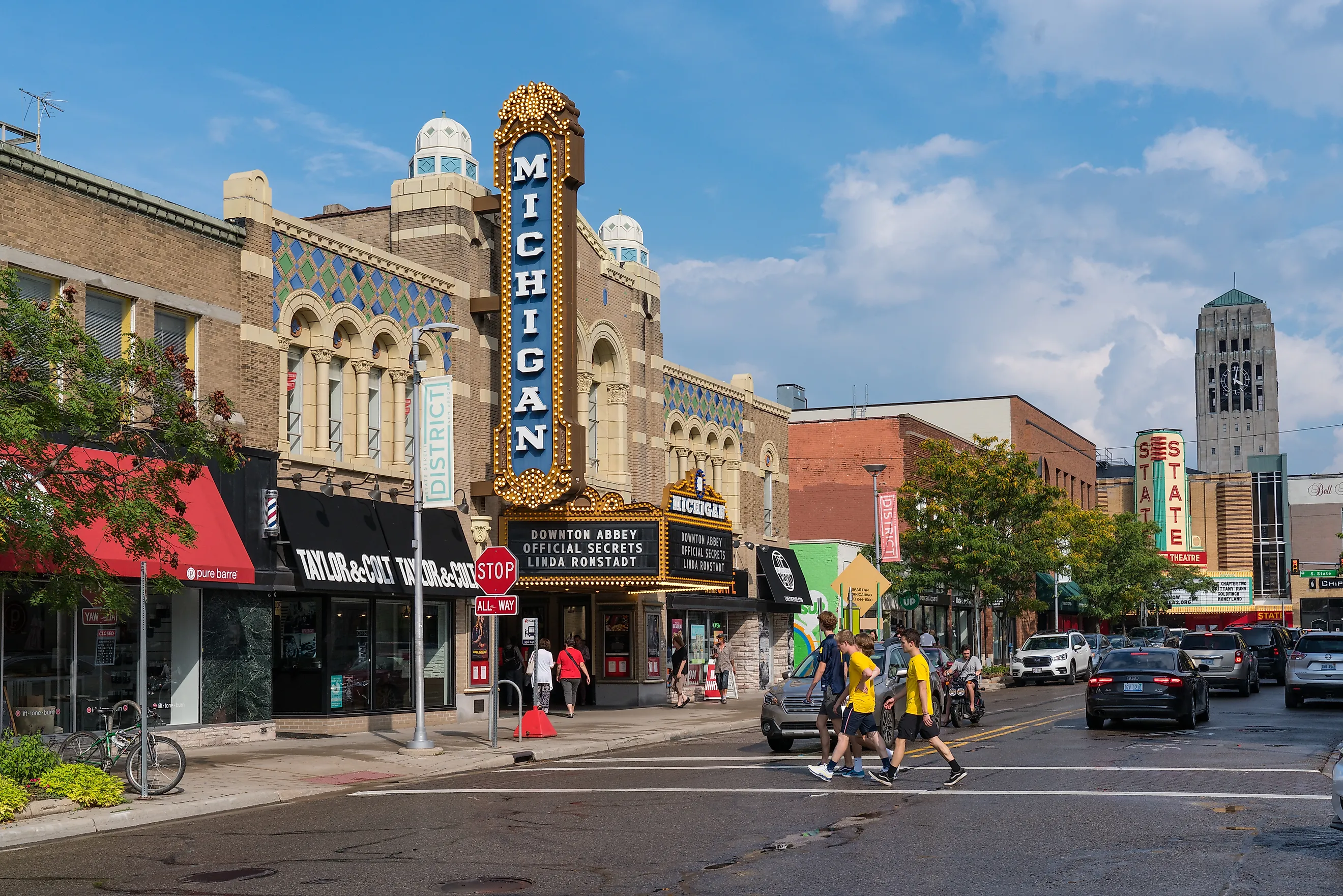
The economy, culture, and history of Ann Arbor are closely tied to the University of Michigan. Since 1950, the city’s population has more than doubled, growing from about 48,000 residents to just over 120,000 today, reflecting the university’s expansion into a world-renowned institution. Thousands of residents work for the university or its affiliated health system, providing stable employment, while additional jobs in technology, medicine, research, tourism, and retail stem directly from U of M’s presence. This concentration of higher education and research supports high household incomes, strong public services, and a steady demand for housing. Ann Arbor’s population is more highly educated and more diverse than most comparable Michigan cities, and its compact neighborhoods, extensive trail system, and active arts and cultural calendar contribute to a daily quality of life shaped as much by residents as by students.
Grand Rapids

Grand Rapids is Michigan’s second-largest city, home to nearly 200,000 people and situated in the west-central Lower Peninsula. Its strategic location makes it easy to reach Lake Michigan beach towns like Grand Haven and Holland. The Grand River flows through the city, fostering parks, trails, and water activities. The city has a strong manufacturing sector, earning the nickname “Furniture City” due to its prominence in the office furniture industry. Additionally, its reputation as “Beer City” is supported by a dense concentration of breweries, linked to a wider food, arts, and entertainment scene. The city's diverse economy—centered on manufacturing, healthcare, and services—helps keep its population stable and attracts residents looking for an urban area with outdoor access and regional attractions.
Frankenmuth

Many Michigan towns reflect their early immigrant roots, but Frankenmuth stands out for how deliberately it has preserved its Bavarian identity. The downtown area features German-inspired architecture, seasonal festivals such as Oktoberfest and the ChristKindl Markt, and major attractions like Bronner’s Christmas Wonderland, which anchors year-round tourism. The town’s covered Holz-Brücke and riverfront parks provide everyday access to walking paths and open space, while surrounding farmland and trails support outdoor activity beyond the tourist core. Tourism drives much of the local economy, contributing to low poverty levels and stable employment, and the town’s relatively high educational attainment and compact layout appeal to residents seeking a small, orderly community with consistent services and a strong sense of place.
St. Joseph

The picturesque town of St. Joseph occupies the meeting point of the St. Joseph River and Lake Michigan. The downtown corridor sits on a lakeside bluff that offers spectacular sunset views and also bustles with a classic main street lined with shops and eateries. Along the lakefront, Silver Beach offers a sandy beach, an old-time carousel, a spray park, and more. St. Joseph also has some quirky spots, like the House of David Museum, which recalls an apocalyptic religious group that sported a barnstorming baseball team. St. Joseph’s population has slowly declined in recent decades with the loss of industry, but that fact has helped with home affordability.
Petoskey

Located along Little Traverse Bay near the northern tip of Michigan’s Lower Peninsula, Petoskey has served as a regional hub for northern Michigan for more than a century. Its downtown supports year-round residents with shops, services, and civic institutions, while nearby lakes and resorts in communities such as Walloon Lake contribute to a broader regional economy tied to tourism. Petoskey’s population has remained relatively steady in recent decades, with a mix of working-age residents, families, and retirees, and housing options ranging from historic neighborhoods to newer developments outside the core. Daily life is closely tied to the natural setting, from public waterfront access along the bay to beaches where residents regularly search for Petoskey stones, the state stone of Michigan, formed from fossilized coral hundreds of millions of years ago.
Copper Harbor

Established during the 19th-century copper boom, Copper Harbor sits at the tip of the Keweenaw Peninsula and is widely recognized as Michigan’s northernmost incorporated community. The village is small and remote, with Keweenaw County home to only about 2,200 residents. This scale shapes daily life around self-reliance and the natural environment rather than urban amenities. Residents have direct access to Lake Superior for boating, fishing, and winter ice fishing, while trail networks and nearby Mount Bohemia support hiking, skiing, and year-round outdoor use. Extremely low light pollution and the village’s northern location also make aurora borealis sightings a regular part of winter nights, reinforcing a lifestyle closely tied to seasonal rhythms and the surrounding landscape.
Niles

Niles, known as the “City of Four Flags" since the early 19th century, once experienced shifts in control among various European powers and the United States. Today, its charm is more defined by its geography than its military past. Located approximately 25 miles from Lake Michigan at New Buffalo, about 90 miles from Chicago, and only 6 miles from South Bend and the University of Notre Dame, Niles is conveniently situated near major employment hubs, educational institutions, and cultural attractions. The town's daily life revolves around a small downtown, featuring landmarks like the 1884 Chapin Mansion and the 1892 train station. The Indiana-Michigan River Valley Trail offers accessible routes for walking and cycling along the river. Continued investment in the downtown area has led to more housing, public spaces, and small businesses, emphasizing Niles’ identity as a vibrant border town community rather than just a transit point between larger cities.
Michigan’s size and geography create very different living experiences depending on where you settle. Towns like Ann Arbor and Grand Rapids function as regional job and cultural centers, while places such as St. Joseph and Petoskey organize daily life around lake access and compact downtowns. Frankenmuth and Niles offer smaller-scale communities with strong local identities, and Copper Harbor represents the far end of the spectrum, where isolation and access to nature shape everyday routines. Together, these seven places reflect the range of options Michigan offers in 2026, whether residents prioritize employment access, walkable town centers, proximity to water, or a lifestyle closely tied to the outdoors.