7 Best Downtowns In Alabama
In Alabama, downtowns are not themed attractions or carefully staged nostalgia. They are places where errands, conversations, and routines still happen in full view. You see it in courthouse squares that remain the center of town life, in riverfront streets shaped by trade and travel, and in blocks where independent shops open their doors each morning because locals still rely on them. Exploring Alabama’s best downtowns means stepping into places that never stopped being used, because they were still useful. If you visit any of these towns, you'll see what we mean.
Fairhope

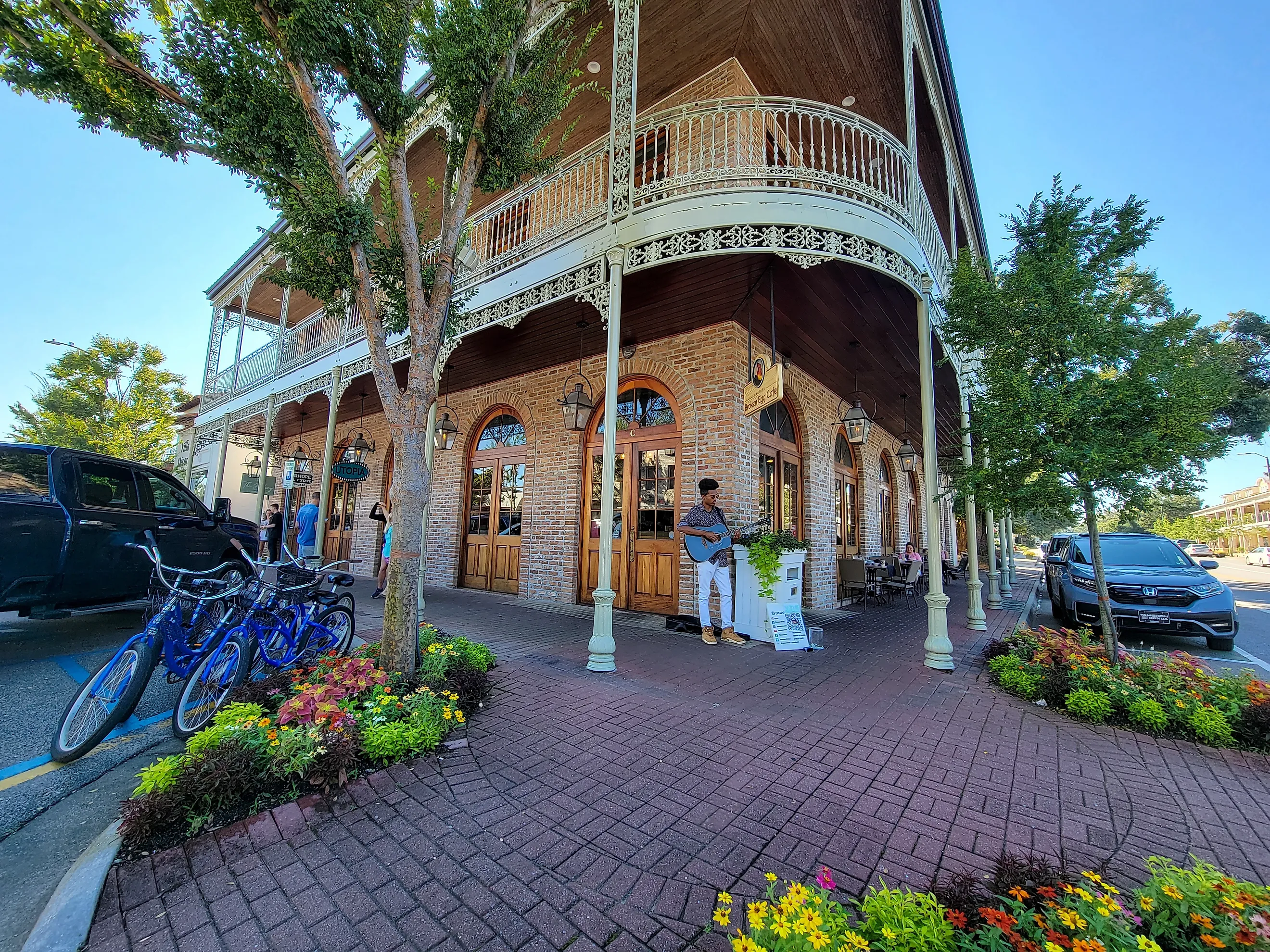
Fairhope’s downtown rests on the edge of Mobile Bay, with a compact historic district that draws visitors past shops and cafes toward the municipal pier. Fairhope Avenue serves as the spine of the area, lined with mature trees, wide sidewalks, and rustic 20th-century buildings. Each morning brings local coffee drinkers lingering over their favorite latte, afternoons fill with shoppers comparing finds, and evenings often end with people walking toward the bay.
Within the downtown district, the Eastern Shore Art Center keeps creativity visible with rotating exhibitions and community programs that draw steady local attendance. Nearby, Page & Palette is a long-standing gathering place that pairs an independent bookstore with author events and a cafe. Mr. Gene’s Beans is a small ice cream and coffee shop that adds to the steady pace of the sidewalk. The walk naturally leads to the Fairhope Municipal Pier, where open bay views provide a fitting pause at the edge of downtown.
Eufaula

Eufaula’s downtown stretches along Broad Street, where historic markers, broad sidewalks, and boulevard-style streets define the experience. The green space running down the center of the roadway softens the setting, slows traffic, and gives the area a measured pace that encourages walking instead of rushing. The entire district is known as the Seth Lore and Irwinton Historic District.
The Eufaula Sandwich Shop remains a downtown mainstay, known for hearty sandwiches, quick orders, and familiar faces at the counter. A few doors down, Oak & Alley Smokehouse adds a newer layer to the street, drawing steady crowds with slow-smoked meats and casual Southern sides. Just beyond the commercial blocks, the Shorter Mansion reflects the wealth and ambition that once flowed through this river port, linking Broad Street’s storefronts to the residential streets that grew alongside them.
Florence

Florence’s downtown centers on Court Street, a long corridor of civic buildings, music culture, and everyday commerce. The street remains active through community efforts and locally driven growth, with established places like Odette continuing to draw regular crowds with its seasonal menus and refined cuisine. Nearby, Billy Reid, a luxury clothing line, has established its headquarters in a former bank building, turning historic architecture into a driver of downtown reinvestment.
Just off the commercial core, Wilson Park offers shaded paths, open lawn, and benches that give downtown a natural pause without breaking its walkable feel. A short drive away, the Rosenbaum House adds another layer to the experience, offering one of Alabama’s only Frank Lloyd Wright-designed homes and reinforcing the city’s long-standing connection to design and creativity.
Wetumpka

Wetumpka’s downtown follows the curve of the Coosa River, giving the district a balance of scenery and community that feels natural and grounded. That combination has drawn national attention, including recognition from Southern Living, which named Wetumpka one of its standout small towns. Historic brick buildings line Company Street and nearby blocks, while elevation changes and river views keep the streetscape visually engaging as you walk.
The river plays an active role in Wetumpka’s downtown, shaping how people move through the district. Paths along the Wetumpka Riverwalk draw walkers closer to the Coosa, where overlooks and quiet seating invite visitors to linger. Nearby, the Bibb Graves Bridge stands as a familiar multi-span rainbow arch bridge over the river, its five concrete arches creating a recognizable profile. As you explore the shops and cafes downtown, stop at The Coosa Cleaver, a casual eatery known for elevated Southern fare and the 1909 bar upstairs that serves a strong selection of craft beer.
Monroeville

There is an authenticity to Monroeville’s downtown courthouse square, shaped by its role in the early lives of two American authors, Harper Lee and Truman Capote. Brick buildings, classic storefronts, and shaded public spaces still frame the square, while bronze literary statues placed along the walkways reinforce the area’s literary legacy. Daily life continues here much as it always has, with people crossing the lawn, pausing to rest on benches, and moving between shops.
Facing the courthouse, the Old Courthouse Museum occupies the former courthouse building, drawing visitors interested in local history and Monroeville’s literary roots. Just off the lawn, Mrs. Teresa’s Homemade Treats remains a familiar stop, known for Southern comfort food. Barfield’s Mercantile adds a retail presence, stocking regional goods, gifts, and everyday items. Nearby, Veterans Memorial Park offers shaded benches and open space, providing downtown visitors with a quieter place to reflect on the town’s history.
Abbeville

Abbeville’s downtown sits around the Henry County Courthouse, with brick buildings hugging the street edge and storefronts facing inward toward the square. Aging brickwork, modest signage, and mature shade trees soften the setting, giving downtown a settled look that feels easy to navigate. The close arrangement of storefronts and civic space encourages short walks and an unhurried pace, with everything unfolding comfortably within just a few blocks.
One of the best historic venues on the square is the Abbeville Opera House, which adds cultural depth by hosting performances and community events that keep evenings active downtown. The square also serves as the setting for Yatta Abba Day, an annual celebration honoring the town’s Creek Indian heritage with music, food, and traditions that connect present-day Abbeville to its earliest roots. For a meal, Huggin’ Molly’s Diner is a classic downtown stop, known for its 1950s diner-and-soda-shop style.
Anniston

Anniston wears its industrial heritage with quiet pride, nowhere more evident than downtown. A short walk along Noble Street brings you toward some of the city’s most notable destinations, with restored storefronts and large-scale architecture reflecting its Gilded Age prosperity. Just beyond the commercial core, cultural institutions add depth to Anniston’s story, showing how the city has grown beyond its iron foundry roots.
The Historic Noble Street district reflects this history through preserved brick buildings and active small businesses. That legacy continues at Coldwater Mountain Brewpub, which has become a visible part of downtown reinvestment through its conversion of the former L&N freight house. For a more refined experience, Classic on Noble offers an elegant dining option in the historic 1894 Levy and Clark building. Along with other small shops lining the streets, Anniston’s downtown reflects a city moving forward while keeping its past in view.
Downtowns That Still Work

The appeal of Alabama’s downtowns lies in how seamlessly they continue to serve as daily gathering places. Many historic buildings still house everyday businesses, courthouse squares and main streets remain part of regular routines, and local restaurants, shops, and parks help keep these districts active. Riverfront streets, literary courthouse squares, and industrial corridors finding new purpose all reflect communities that value continuity alongside local identity. Spend time walking these streets, and you will see more than preserved architecture. You are stepping into places that are still telling Alabama's story, one block at a time.