6 Standout Main Streets In Iowa
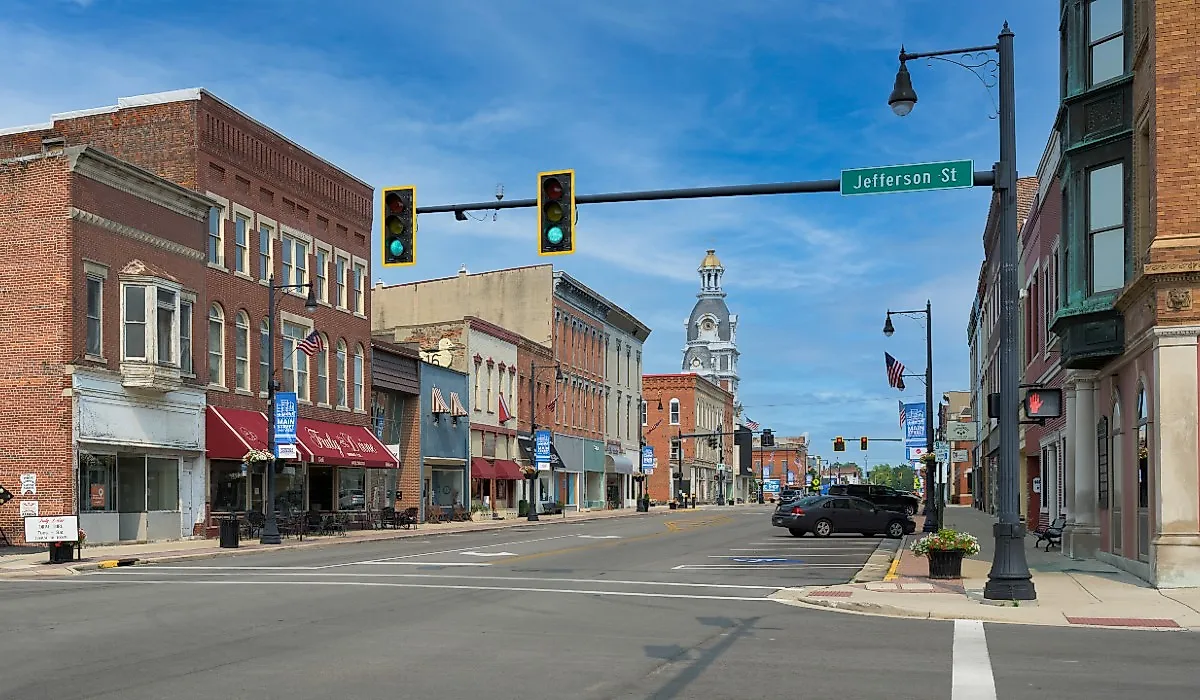
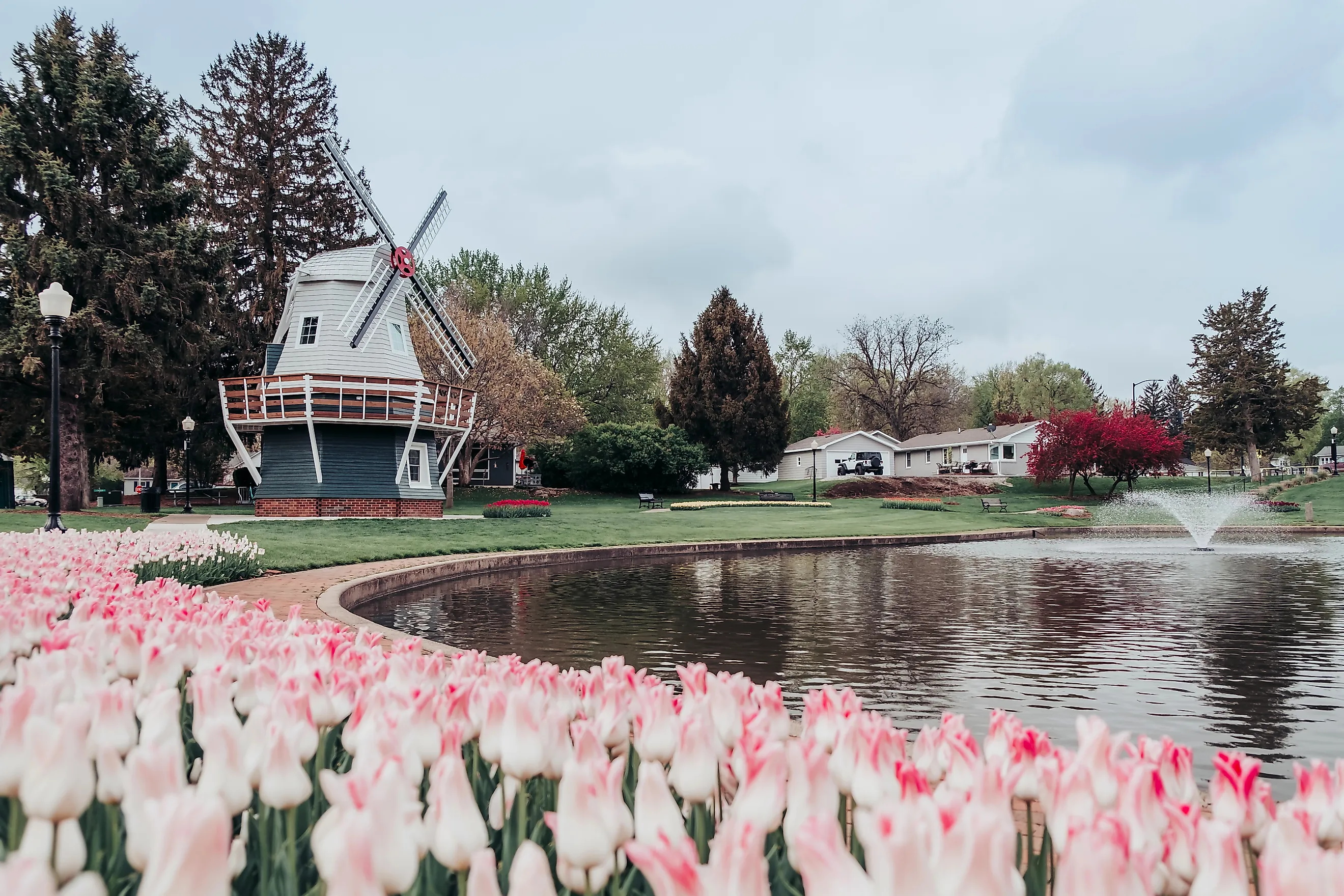
Iowa invites travelers to slow their pace and explore how a single thoroughfare can shape daily life. Main streets act as commercial centers, cultural stages, and civic gathering places, hosting museums, markets, seasonal festivals, and public art. In some towns, a windmill or a historic courthouse punctuates the skyline, such as the Vermeer Mill in Pella, while others offer incredible culinary experiences like some of the best barbecue and beers in the state in Muscatine. Iowa’s main streets are focused on showcasing small businesses, hosting weekly farmers markets, and serving as the picturesque settings for community celebrations that bring residents together.
Pella

Franklin Street in Pella captures the town’s rich Dutch heritage and puts it on public display for residents and visitors to enjoy. Make sure to include a stop at the Vermeer Mill, the tallest working windmill in the United States, and originally built in Hoogmade, the Netherlands, before being disassembled and reassembled in Pella. Then take a quick stroll down the street to the Pella Opera House for a concert or a community performance. On the nearby Main Street, visitors will find Molengracht Plaza and the canal-side cafes where local bakeries like Jaarsma Bakery sell Dutch treats. If the timing is right, the Tulip Time Festival fills downtown with parades, Dutch dances, and rows of tulips that draw visitors in May. For history and everyday shopping, the downtown district offers independent boutiques, Central College hosts a lively arts calendar, and the city houses public murals that reflect Pella’s immigrant story.
Winterset

The square around the Madison County Courthouse anchors Winterset’s downtown and serves as a year-round meeting place for civic events, seasonal markets, and casual gatherings. Strolling the courthouse square reveals local restaurants, antique shops, and specialty stores that operate out of historic brick storefronts, and the square frequently hosts the Winterset Farmers Market, where growers and makers sell seasonal produce and handmade goods. A short walk from the courthouse places visitors at the John Wayne Birthplace Museum, which showcases the actor’s early life and the local film legacy, alongside smaller museums and a genealogy center that documents the county’s history. Each October, the Covered Bridge Festival transforms downtown into a hub for artisans, music, and guided tours of the county’s famous wooden spans, and many festival events originate at the courthouse square. For evening entertainment, the Winterset Stage and nearby community theaters present rotating seasons of plays, musicals, and dinner-theater events that attract audiences from the area.
Amana

The 220th Trail in Amana serves as the public face of the Amana Colonies, featuring shops, restaurants, and craft demonstrations that reflect the traditions of the communal era. The Amana General Store serves as an anchor retail destination where visitors find locally made preserves, imported goods, and traditional foods, while the Amana Woolen Mill preserves working textile production and schedules demonstrations that show spinning and weaving techniques. Food-focused stops include signature meat markets and family-style restaurants, such as Ronneburg Restaurant, which continues to prepare recipes from the communal period. The culinary offerings also extend to specialty bakeries and wineries, like Fireside and Ackerman Winery, where local growers and artisans present seasonal produce and crafts. The Amana Heritage Society Museum offers a comprehensive introduction to the history of the Colonies, featuring displays on communal living, religious practices, and industrial adaptations that shaped the villages. Seasonal events, such as the Wurst Festival in June, transform central Amana into a festival street with live music, craft booths, and exhibits showcasing historic trades. Guided walking tours highlight the architecture, communal layouts, and original industrial buildings that now house galleries and studios.
Decorah

Decorah’s most active main corridor concentrates the town’s cultural institutions, independent shops, and vibrant culinary scene within a walkable downtown centered on Water Street and Broadway. The town’s standout cultural anchor is the Vesterheim Norwegian-American Museum, where folk art collections, craft classes, and rotating exhibits interpret Norwegian immigrant traditions and contemporary practices. Nearby, the Hotel Winneshiek is a historic boutique spot from 1905 that boasts cherry pillars, marble walls, terrazzo floors, and anchors the hospitality scene, providing a historic lodging option within easy walking distance of galleries, coffeehouses, and restaurants that showcase the town’s culinary scene. For dinner, continue along Water Street for a stop at Rubaiyat, which features local fare and a bar menu featuring 30 taps, 100 bottled beers, and 200 varieties of wine. The downtown calendar features the outdoor Decorah Farmers Market on Water Street, which relocates to the Winneshiek County Fairgrounds when the weather becomes colder.
Mount Vernon

Mount Vernon’s 1st Street functions as the town’s main street that threads through an Uptown district that blends independent retail, local galleries, and collegiate life, with Cornell College visually anchoring the town from its hilltop campus. Cornell College’s King Chapel’s spire and college campus provide a stunning architectural backdrop to Mount Vernon’s downtown. The chapel has been under restoration since the hurricane-force winds of a derecho in 2020, but during those restorations, the chapel’s visual appeal and importance to the skyline are undeniable. Every first weekend in May, the annual Chalk the Walk event turns the downtown sidewalks into a rotating gallery of ephemeral murals created by residents, students, and visiting artists. The First Street Community Center repurposes a historic school and houses maker spaces, studios, and small enterprises that offer classes and open-studio events, and those programs deepen the downtown’s role as a place for hands-on learning and craft demonstrations.
Muscatine

Muscatine’s downtown unfolds along several streets bordering the Mississippi River and integrates industrial history, museums, and a growing arts scene within its main-street footprint. The National Pearl Button Museum is a treasure trove of history in the town, interpreting the town’s historic role in button manufacturing and showing how an unusual local industry shaped Muscatine’s economy and labor history. The Downtown Commercial Historic District preserves early 20th-century storefronts where contemporary cafes, specialty retailers, and artisan shops now operate, and the commercial core frequently hosts the Muscatine Farmers Market and seasonal art fairs like A Handmade Christmas during the holiday season. Culinary options include riverside dining that showcases regional ingredients like Skinny’s Barbeque, voted Iowa’s #1 pulled pork sandwich. For libations, pay a visit to small-batch breweries such as Missipi Brewing Company and Contrary Brewing Company, where visitors find locally produced beer and occasional taproom events like live music, bingo, and trivia.
Take a Main Street Drive Through Iowa
Iowa’s main streets offer more than storefronts and sidewalks; they package community memory, seasonal public life, and a steady stream of events that keep small-town centers active. Whether the draw is Dutch windmills and tulip parades in Pella, covered-bridge pilgrimages from Winterset, craft and communal history in Amana, Norwegian heritage in Decorah, college-town arts in Mount Vernon, or riverfront industry and museums in Muscatine, each main street rewards a deliberate, slower kind of exploration.