6 One-of-a-Kind Small Towns in Arkansas
Though often overlooked, Arkansas is home to communities that feel like nowhere else. From the folk music echoing through Mountain View to the deep Italian roots of Tontitown, these small towns reflect distinct cultural traditions shaped over generations. Whether you're seeking natural hot springs or rugged mountain trails, these places offer experiences that feel grounded in local history rather than built for crowds.
Each town has its own identity shaped by history and geography. This guide highlights six standout destinations for a road trip through the state, focusing on specific landmarks and long-standing traditions that explain why each town continues to draw visitors year after year.
Eureka Springs

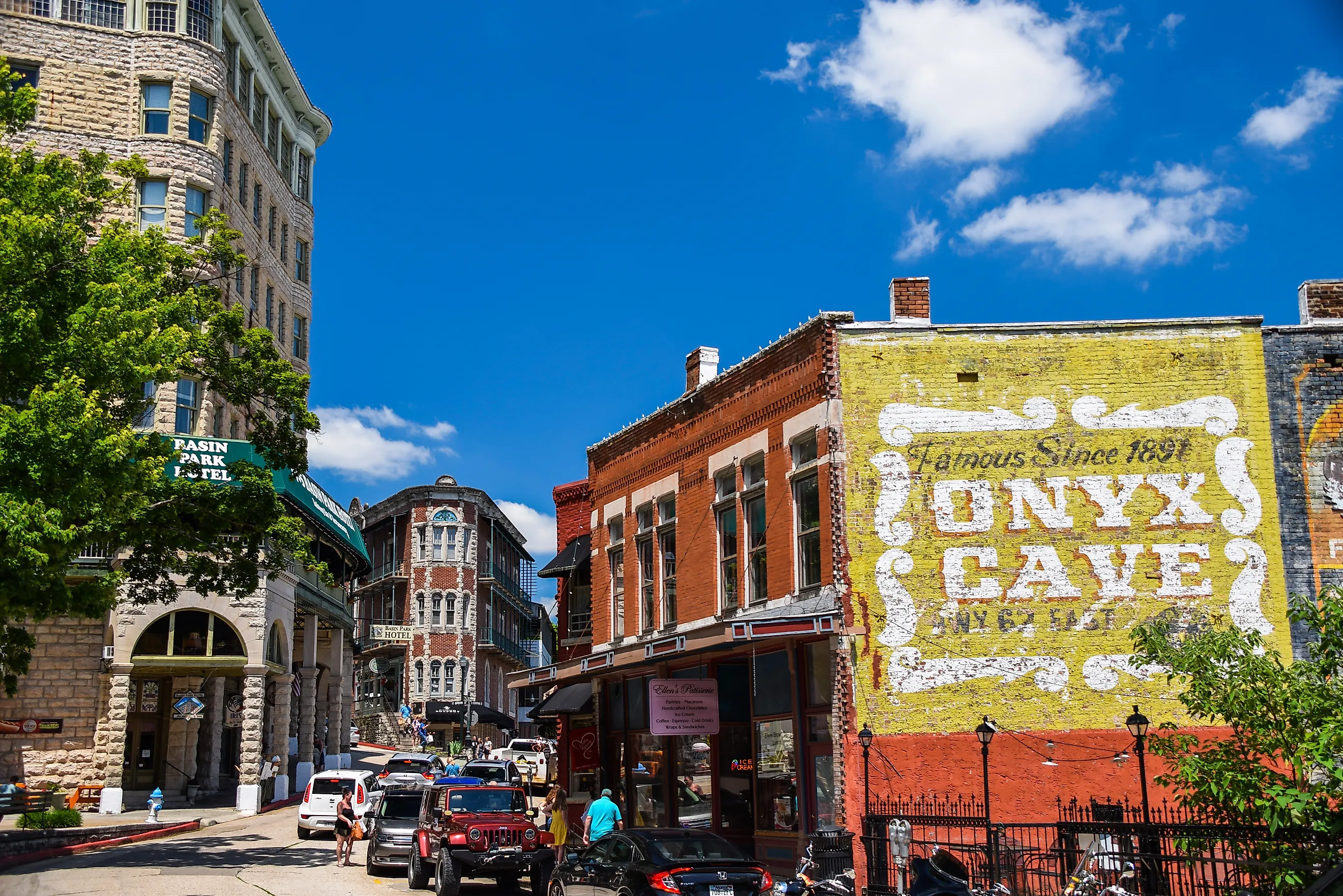
Eureka Springs is a steep, winding Victorian spa town that feels more like a European village than a typical Ozark settlement. The historic downtown is known for its careful preservation, with limestone buildings stacked closely together along narrow, curving streets. No two streets cross at a ninety-degree angle, which gives the town a maze-like layout filled with art galleries and independent shops. Its history as a healing destination still shapes the town today, influencing both the pace of life and the local arts community.

Nature and history intersect at the Blue Spring Heritage Center, an ancestral Native American site with gardens surrounding a massive natural spring. The Christ of the Ozarks, a 67-foot statue completed in 1966, offers a wide view of the surrounding hills. Lake Leatherwood City Park provides quieter access to trails and water, while the Eureka Springs & North Arkansas Railway offers a window into the period when rail travel helped bring visitors to the springs.
Magnolia

Magnolia offers a traditional view of southern life in the southwestern corner of Arkansas. It is best known for its towering trees and a central square that reflects the area’s long civic history. The town’s character comes through most clearly each May during the Magnolia Blossom Festival & World Championship Steak Cook-Off, when visitors gather for a long-running event that has become a defining part of the local calendar. What sets it apart is the scale of the competition and its role as a regional meeting point rather than a one-day spectacle.
Walking through the center, you will notice several murals depicting the history and industries of Columbia County. Nearby, the World’s Longest Barbecue on Wheels, a reported 90-foot smoker built to serve large crowds, reflects how food and community events shape the area’s identity. A short drive leads to Lake Columbia, where fishing and quiet shoreline access offer a contrast to the activity of festival season.
Mountain View

Mountain View is widely recognized as the "Folk Music Capital of the World." It remains one of the few places where locals regularly gather on the courthouse square to play fiddles and banjos, continuing a tradition that has faded elsewhere. The Ozark Folk Center State Park anchors this preservation effort, offering a structured way to experience mountain heritage through working craft demonstrations and traditional music. Visitors can watch artisans practice blacksmithing or pottery, walk through the herb garden, or stay overnight in the Cabins at Dry Creek.
Beyond the courthouse square, the music spills into other corners of town. Just behind the square, Pickin’ Park becomes another informal stage in the warmer months, with pickers trading tunes in small circles. In April, the Arkansas Folk Festival expands that same tradition into parades, handmade crafts, and community performances. Evenings often end at the Jimmy Driftwood Music Barn, a long-standing venue that reflects how deeply music remains woven into daily life.
Hot Springs

Hot Springs is a historic resort city shaped by the natural thermal waters that flow from the surrounding mountains. Unlike most national parks, Hot Springs National Park is largely urban, centered on a row of 1892-1923 bathhouses built along the base of the hillside. Bathhouse Row reflects a period when visitors came for extended stays, drawn by the belief that the waters offered lasting health benefits. The setting remains unusual, where forested slopes rise directly behind a preserved historic district.

The Fordyce Bathhouse Visitor Center and Museum explains how the bathing process once worked, with original marble stalls and stained-glass ceilings still intact. The Quapaw Baths & Spa continues the tradition in a restored Spanish Colonial Revival building, offering modern access to the thermal water. Above it all, the 216-foot Hot Springs Mountain Tower provides a clear view of the surrounding valley, showing how closely the town developed around the springs.
Jasper

Jasper is a small, walkable town set within the Buffalo National River region. Surrounded by limestone bluffs and dense forest, it functions as a practical base for exploring the river and nearby public lands. One of the most recognized viewpoints in the area is the Arkansas Grand Canyon, an overlook that offers a wide view of layered ridgelines stretching across the horizon. The town itself maintains a quiet, utilitarian feel shaped by its role as a gateway rather than a destination built around attractions.
Outfitters in the area rent canoes for trips along the Buffalo National River, where floaters pass beneath tall cliffs and pause at gravel bars. Back in town, the Ozark Cafe remains a long-standing gathering place for simple meals and occasional live music. Nearby, Horseshoe Canyon Ranch provides lodging and outdoor activities, reflecting the area’s appeal to visitors who prioritize access to the landscape over amenities.
Tontitown

Tontitown was founded by Italian settlers in the late 1800s, and that heritage continues to shape daily life. The town is best known for the Tontitown Grape Festival, an annual event with origins in 1898 that includes a grape stomp and large communal spaghetti dinners. Unlike many regional festivals, it remains closely tied to family traditions rather than tourism alone. Architecture and long-running family businesses reinforce a sense of continuity that sets the town apart from its surroundings.
The Tontitown Winery offers tastings in a renovated farmhouse that also includes exhibits on local Italian history. The Tontitown Flea Market & Antique Mall reflects the area’s long-standing role as a regional trading stop. A meal at The Venesian Inn, known for its combination of fried chicken and handmade spaghetti, connects visitors to recipes that have changed little over time and remain central to the town’s identity.
What Makes Arkansas’s Small Towns Stand Apart
Arkansas offers a wide range of landscapes and local traditions, from rolling hills to deep river valleys. These small towns show how much of the state’s history and culture is preserved outside its larger cities. Each place reflects a distinct way of life shaped by geography, settlement, and long-standing customs rather than recent development.
Taken together, these destinations provide a slower pace and a closer connection to local routines. Whether that means listening to live folk music, walking through a historic downtown, or spending time on the river, the experiences are rooted in place. Traveling through these towns offers a clearer sense of how Arkansas’s regional character continues to take shape.