6 Old-Timey Mining Towns In Nevada
Nevada’s high desert is a vast treasure trove of history, where the echoes of the Wild West still ring through the rugged canyons and dusty streets of resilient communities that were built on the backs of rugged prospectors seeking fortunes in gold, silver, and copper. From the high-altitude reaches of Goldfield to the copper-rich hills of Ely, these towns provide a window into a bygone era of booms and busts.
Stepping into these locations feels like traveling back to the 1800s. You will find massive headframes, underground tunnels, and wooden boardwalks that have survived over a century of harsh weather and all manner of catastrophe. Whether you are a history buff or a fan of ghost stories, these six destinations provide a raw look at the grit and determination that shaped the American West.
Virginia City

Virginia City stands as a testament to the Comstock Lode, the richest silver strike in United States history. In the mid-1800s, this metropolis was the most important city between Denver and San Francisco, fueling the growth of the entire region. Today, the town is remarkably well-preserved, with its Victorian architecture and wooden sidewalks making it feel like a living museum.
To get a sense of the underground labor involved, take a Chollar Mine Tour. This 1859 site provides a look at the difficult lives of miners and the sheer scale of the silver discovery. For entertainment, the Virginia City Outlaw Theatre stages a daily performance at the open-air amphitheater downtown that includes comedy gunfights and stunt shows. If you are thirsty, try saloon hopping between the Washoe Club Museum & Saloon, Red Dog Saloon, or the Ponderosa Saloon, which features a walk-in 1864 bank vault and its own mine tunnels. Finally, the Virginia & Truckee Railroad Company provides a 35-minute trip on a classic train that departs seven times a day from the original depot, where you can learn about the tracks that once hauled millions in bullion.
Goldfield

At its peak in the early 1900s, Goldfield was the largest city in Nevada. It was a place of opulence and high-stakes gambling, centered around some of the most productive gold mines in the world. While the population has dwindled, the scale of the remaining buildings shows exactly how wealthy this town once was. Walking through the streets today, you can see the contrast between the grand stone structures and the decaying wooden cabins that the desert is slowly reclaiming.
A visit and tour of the Florence Mining Company is essential, as this claim once produced massive profits equivalent to over $44 million today. For a bit of modern art in the desert, check out the International Car Forest, where vehicles are planted nose-down in the sand and painted to create one of the largest open-air art galleries in the state. The Visitor Center is a great starting point for a walking tour of the Historic Goldfield High School, the Goldfield Hotel, and the Santa Fe Saloon. If you have extra time, take a short drive to Gold Point. This ghost town is exceptionally well-maintained, featuring old gallows, a jail, and original machinery that looks like the residents simply walked away days, not decades, ago.
Tonopah

Known as the Queen of the Silver Camps, Tonopah was founded after a prospector’s burro allegedly kicked a rock that revealed a rich silver vein. Unlike some towns whose boom turned to bust, Tonopah remains a central hub in the heart of the state. Its history is tied to the massive fortunes made at the turn of the century, and the town takes great pride in preserving its industrial roots. It is also famous for its dark skies, making it a destination for stargazing once the sun sets over the tailings piles.
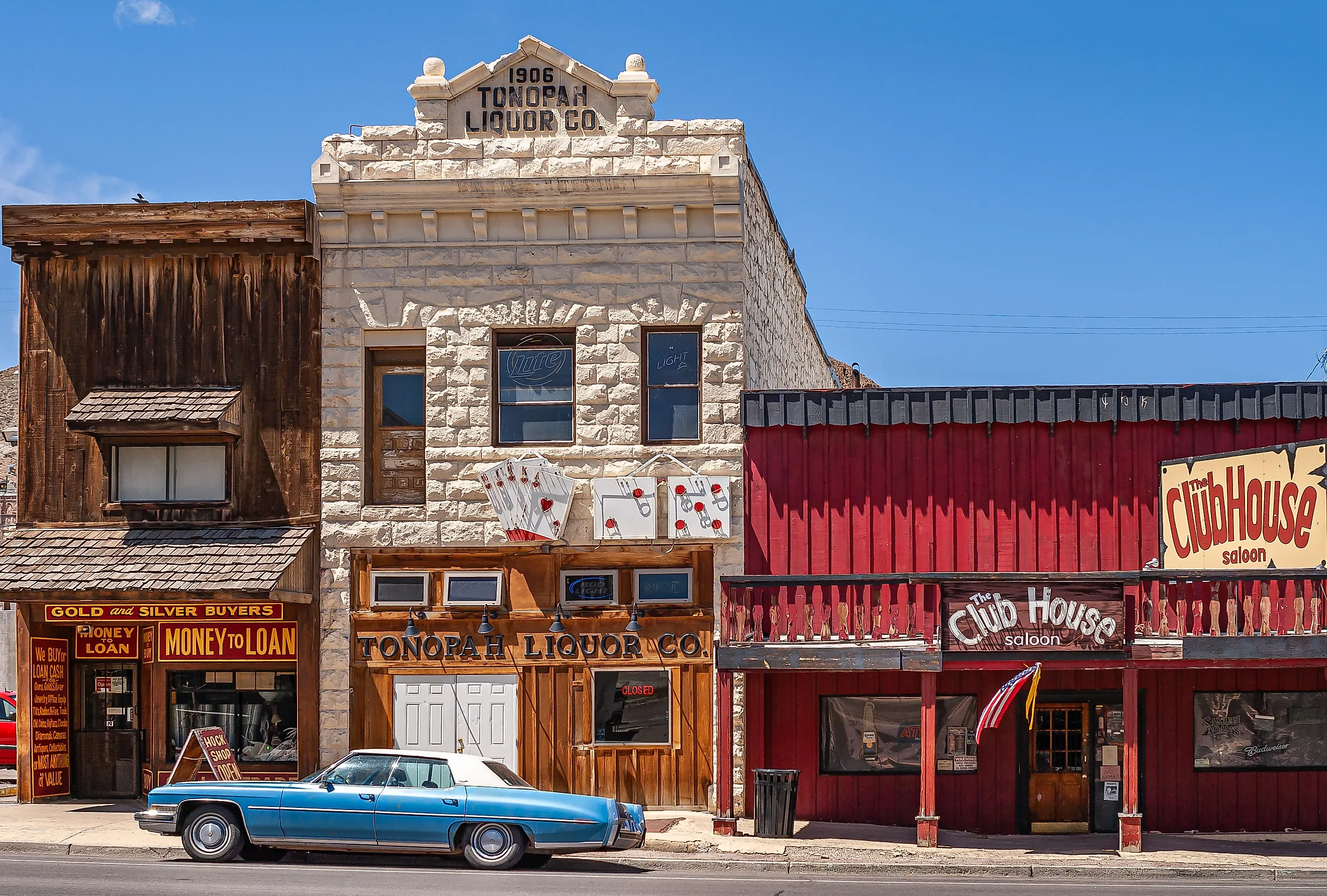
The Tonopah Historic Mining Park is a massive site located on the original claims. You can walk the grounds or take an ATV to see the preserved headframes and equipment. For a broader look at the region’s past, the Central Nevada Museum has great indoor and outdoor exhibits on the Old West. A more somber stop is the Old Tonopah Cemetery, where many headstones mark the final resting places of those lost in mining accidents. After a day of wandering through the past, head to the historic Tonopah Liquor Company for some karaoke and a drink to rub elbows with the locals.
Pioche

Pioche has a reputation as the deadliest town in the Old West, where it is said that 75 people were buried in the cemetery well before anyone died of natural causes. This lawless history makes it a fascinating stop for anyone interested in frontier justice. Located in a high mountain valley, the town feels isolated and authentic. The steep streets are lined with historic markers that tell tales of gunfights and mining disputes that once defined daily life here.
The Million Dollar Courthouse is the town’s most famous landmark. Its cost spiraled out of control in the 1870s, leaving the county in debt for decades, and it now serves as a museum. The massive aerial tramway that once carried ore from up in the mountains down to the Pioche Consolidated Mill, or Godbe Mill, is a unique feature of the townscape and is the only one still standing in the state of Nevada. For an eerily engaging walk, visit Boot Hill Cemetery, where tombstones recount the violent ends of more than 100 gunslingers, scoundrels, and murderers. To cap off the day, stay at the Overland Hotel & Saloon, which is rumored to be haunted by rowdy spirits from the town's sordid past.
Eureka

During the 1870s, Eureka was a major lead and silver smelting center, with dozens of furnaces pumping out smoke day and night. Today, the air is clear, but the wealth of that era is still visible in the grand public buildings. The downtown area looks much like it did a century ago, providing a very consistent historical atmosphere.
The Eureka Opera House is a centerpiece of the community, having been restored to its former glory to host meetings and events. It is open to the public most days and gives visitors a sense of the cultural life that thrived even in remote mining camps. Another highlight is the Eureka Sentinel Museum, located in a former newspaper office from 1879. The museum contains an original 19th-century press room and various exhibits on local life, including old barber shops and schoolrooms. Afterward, grab a meal at the Urban Cowboy Bar and Grill. The popular spot is one of Eureka's newer additions, offering fresh takes on American classics and other flavors that range from Mexican burritos to Indian curries.
Ely

Ely began as a stagecoach stop but transformed into a powerhouse of the copper industry in the early 1900s. While other towns focused on precious metals, Ely’s copper deposits provided long-term stability that allowed the town to grow and modernise. The railway also played a vital role in this success, connecting the remote mines to the rest of the world. Today, Ely is a gateway to the mountains, combining industrial heritage with access to incredible high-desert landscapes.
The Nevada Northern Railway Museum is an incredibly well-preserved 56-acre railyard where you can ride on classic steam locomotives and see the original machine shops. For a look at the diverse groups of people who built this town, the Ely Renaissance Village features several small houses themed after different immigrant cultures. Nearby, Ward Charcoal Ovens State Historic Park features six massive stone ovens used to create fuel for silver smelters. These structures later served as a haven for bandits. Finally, end your night at the Hotel Nevada & Gambling Hall, a historic landmark that was once the tallest building in the state.
Happy Trails!
Navigating through these historic sites is the best way to understand the grit that built the Silver State. Each stop on this list, from the bustling streets of Virginia City to the quiet, rugged corners of Pioche, tells a different part of the story. You will see how people lived, worked, and sometimes fought to survive in a landscape that was as unforgiving as it was beautiful. The preservation of these towns allows us to step away from the modern world and reflect on the incredible changes the last century has brought.
As you plan your route, remember that many of these locations are in remote areas. Keep your gas tank full and your camera ready, as the vistas between the towns are just as impressive as the destinations themselves. Respect the historical sites and the people who still call these places home. These mining camps are more than just ruins; they are the living heartbeat of Nevada. Have a safe trip and enjoy the journey into the past!