The One Nevada Town Everyone Should Visit At Least Once
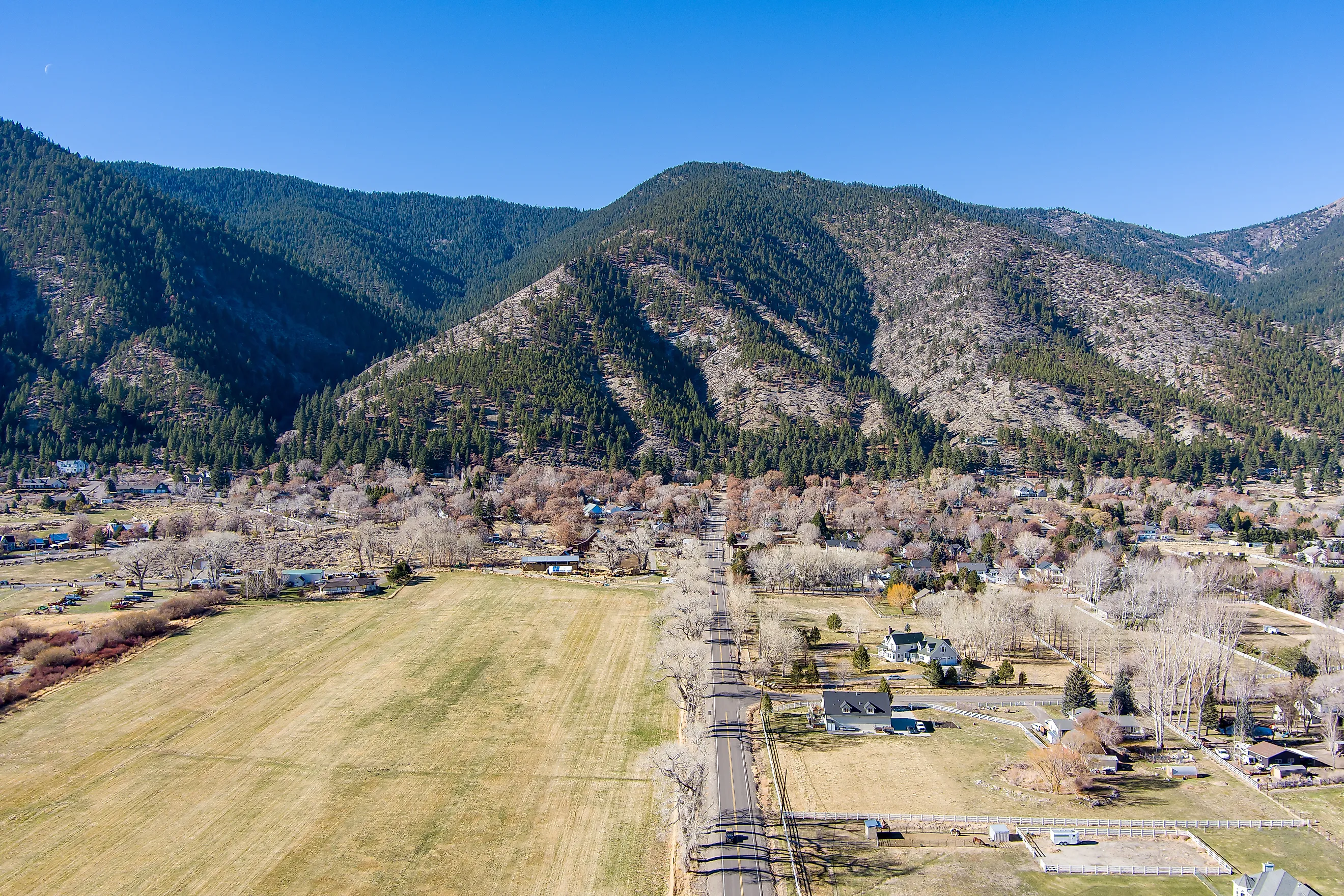
Sometimes, the most meaningful travel experiences lie not in the glittering lights of a famous city, but in the quiet alleys and historic storefronts of a small town that helped shape a state’s identity. In Nevada, that place is Genoa, a beautiful destination perched against the Sierra Nevada foothills. As the oldest permanent settlement in the state, Genoa offers a fascinating window into the American West, from the days of pioneer trading routes through to its present life as a cultural and scenic destination.
A Town That Started Nevada

Genoa’s story begins long before Nevada became a state. In the spring of 1851, Mormon settlers established a trading post on what was then the Overland Emigrant Trail, a lifeline for travelers heading west during the California Gold Rush. Originally called Mormon Station, this humble outpost became the first non-Indigenous settlement in what would later be the Nevada Territory.
Just a few years later, in 1855, Mormon leader Orson Hyde renamed the settlement Genoa after the Italian port city. By 1861, when the Nevada Territory was formally organized by the US Congress, Genoa briefly served as its first capital before that role was transferred to Carson City. Today, the town’s historic core remains a National Register Historic District, where preserved buildings, museums, and landmarks tell the story of Nevada’s earliest days.
Step Into History: The Must-See Attractions

At the heart of Genoa’s historic district, Mormon Station State Historic Park marks the site of the original settlement. A meticulously reconstructed trading post and replica stockade invite visitors to explore life on the California Trail in the 1850s. Pioneer artifacts and interpretive exhibits help bring this era to life, while the park’s shaded grounds provide a peaceful spot for picnics and reflection.

For a deeper dive into local history, the Genoa Courthouse Museum occupies the town’s original courthouse building. Exhibits range from restored courtroom furnishings to displays on Native American culture, pioneer schools, and the legendary “Snowshoe Thompson," a mail carrier who famously crossed the Sierra Nevada on skis.

Strolling Genoa’s downtown reveals beautifully preserved Victorian-era homes and structures, most notably the Reese-Johnson-Virgin House. Built in 1855 and called "The Pink House" by locals, the house is one of the town’s most recognizable landmarks and a rare example of Gothic Revival architecture in rural Nevada. Its steeply pitched roof, pointed gables, and decorative bargeboards reflect architectural tastes that were more commonly seen in established eastern towns, signaling Genoa’s brief but significant period of economic confidence. The home was built for merchant John Reese and later owned by influential local figures.
Annual Celebrations: Sweet Traditions and Culture

Genoa’s community spirit is perhaps best exemplified by the Candy Dance Festival, a tradition dating back to 1919. Originally created to raise funds to install streetlights in town, the event has evolved into a beloved arts and crafts fair featuring live music, local food, and, of course, candy. It attracts locals and visitors alike every September and remains one of Nevada’s most enduring small-town festivals.
Another highlight on the cultural calendar is the Genoa Cowboy Festival, which celebrates the area’s ranching heritage through music, poetry, and western arts. Held each spring, the festival brings together working cowboys, musicians, and storytellers from across the West for performances rooted in lived experience rather than nostalgia. Events typically include traditional cowboy ballads, spoken-word poetry, and demonstrations that emphasize the skills, values, and rhythms of ranch life in the Great Basin.
Exploring and Staying in Genoa

While Genoa’s historic streets draw visitors in, the town also works well as a base for exploring the wider Carson Valley, where open landscapes and the Sierra Nevada foothills shape daily life. Trails around town, including the Genoa Loop, follow low ridgelines and foothills with broad views across the valley, making them accessible options for hiking and wildlife spotting. The surrounding area is also known for its proximity to natural hot springs and golf courses, allowing visitors to balance time spent outdoors with more relaxed pursuits.
When it comes to staying overnight, options cluster just beyond the historic core. Visitors can choose a small inn and bed-and-breakfast in Genoa itself, such as White House Inn, which emphasizes quiet surroundings and proximity to the historic district. On the other hand, some visitors opt for nearby resorts in the Carson Valley. Properties such as David Walley’s Resort, a short drive away, combine lodging with access to mineral hot springs and views of the surrounding mountains.
Places to Eat in Genoa

Despite its small size, Genoa has a dining scene that feels rooted in continuity rather than trend-driven novelty. The Genoa Bar & Saloon, established in 1853, is the town’s most iconic gathering place and one of its longest-running businesses. Inside, the low ceilings, wood-paneled walls, and walls lined with historical photographs give the space the feel of a living archive. The menu centers on unfussy, hearty fare, burgers, sandwiches, and comfort classics, meant to pair with a crafted drink and a long conversation, much as it has for generations of ranchers, travelers, and locals passing through.
For a broader range of options, many visitors head a short distance into the Carson Valley to places like CV Steak at the Carson Valley Inn Casino in nearby Minden. Known for its classic steakhouse approach, CV Steak emphasizes prime cuts of beef, seafood, and traditional sides, reflecting the valley’s ranching heritage in a more formal setting.
Nearby Towns Worth Visiting

Genoa’s location in Douglas County’s Carson Valley places it within easy reach of several other small towns, making it easy to extend a visit without leaving the region’s small-scale, historic character behind. Just a few minutes east, Minden offers a mix of early-20th-century architecture, ranching heritage, and civic history, reflecting the valley’s role as both an agricultural and administrative center. Southeast of there, Gardnerville offers a slightly busier but still approachable downtown area, featuring locally owned shops and community events that complement Genoa’s quieter historic core. North of Genoa, Dayton adds another layer of Nevada history as one of the state’s earliest settlements, known for its preserved buildings and ties to the Comstock era.
Together, these nearby towns create a compact network of places that deepen an understanding of western Nevada’s development while maintaining the slower pace that defines Genoa itself. Whether you’re drawn by history, culture, outdoor adventure, or just good local food and drink, this humble Carson Valley town rewards visitors with stories that resonate long after you leave.